State Licensed “SINCE 1982”

CSLB C-39 #432352

Full Workers Comp. & $2M Liability Insurance
OUR EMPLOYEE ROOFERS ARE FACTORY CERTIFIED
*Serving most of Southern California*
State Licensed “SINCE 1982” CSLB C-39 #432352
Full Workers Comp. & $2M Liability Insurance
OUR EMPLOYEE ROOFERS ARE FACTORY CERTIFIED.

*Serving most of Southern California*

Commercial Roofing Contractor in Culver City, CA

Your Roof Shouldn't Be Your Biggest Worry

When your commercial roof fails, everything stops. We keep Culver City businesses protected with flat roof systems, maintenance programs, and Title 24 compliance that actually work.
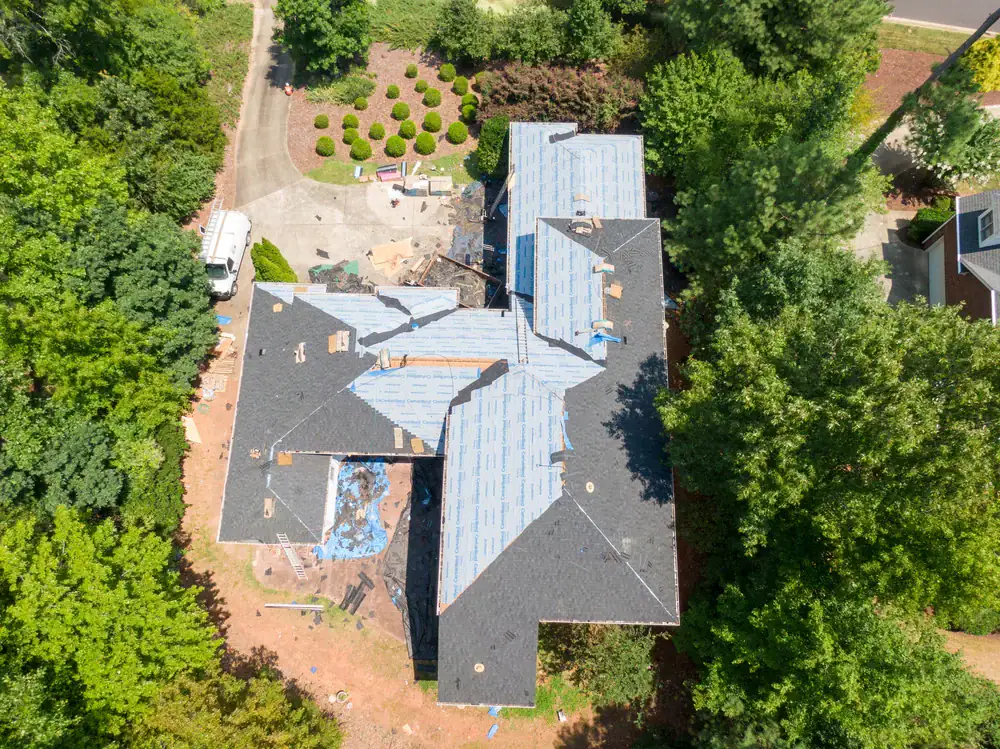
Aerial view of a residential roof undergoing commercial roofing repairs in Acton, California.
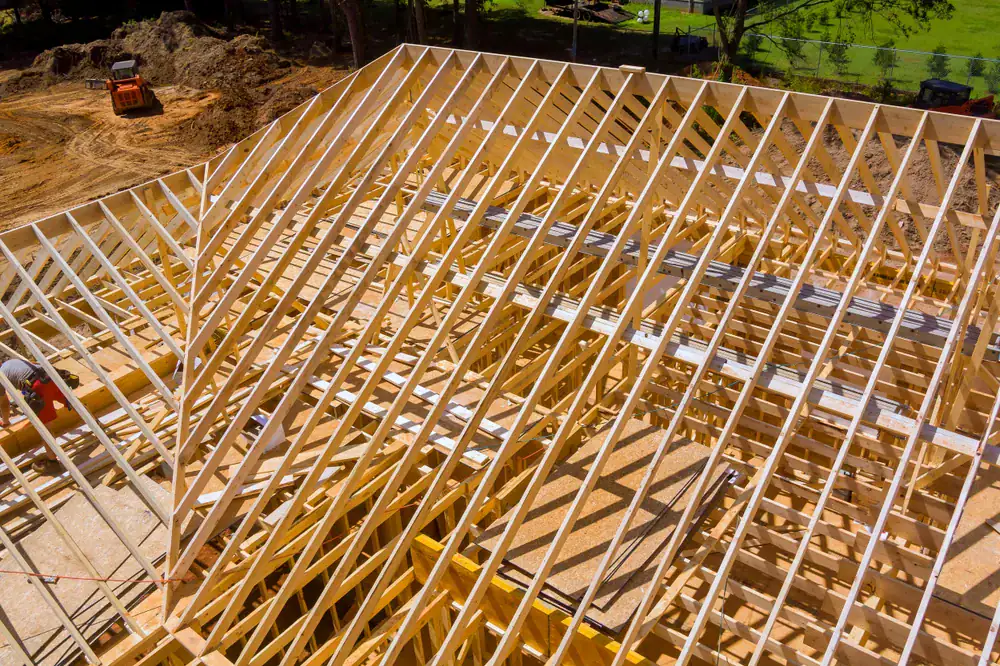
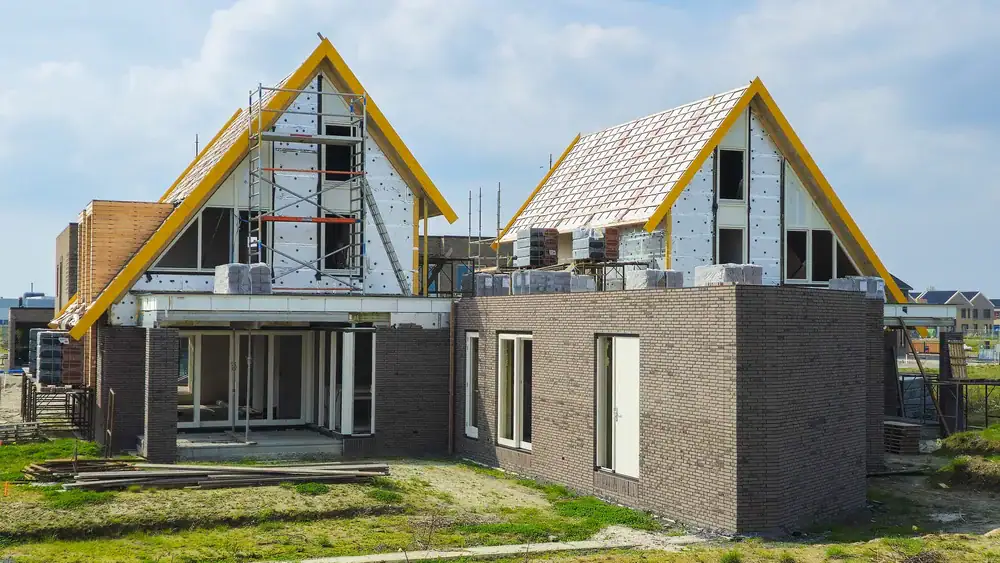
Roof framing under construction in Acton, CA for a commercial building.

Commercial Roof Maintenance Culver City

What Happens When Your Roof Actually Works

You’re not thinking about your roof when it’s doing its job. That’s the point.

A properly maintained commercial roof means your cooling costs drop because reflective coatings are doing what they’re supposed to do. Your insurance premiums stay manageable because you’ve got documentation showing regular inspections and repairs. Your tenants aren’t calling about leaks, and you’re not scrambling to find emergency contractors at 2 AM because water’s pouring into your server room.

Most commercial property managers in Culver City are dealing with roofs that were installed 15-20 years ago. The sun here doesn’t take days off, and neither does the wear on your roofing materials. But here’s what changes when you move from reactive repairs to planned maintenance: you’re spending less overall, you’re extending your roof’s life by years, and you’re avoiding the kind of catastrophic failures that shut down operations.

The difference between a roof that lasts 15 years and one that lasts 25 often comes down to whether someone’s actually looking at it twice a year. You get ahead of small problems before they become expensive ones. You stay compliant with California’s Title 24 energy codes without last-minute panic. You know what’s happening up there because someone’s documenting it with photos and reports you can actually use.

Culver City Commercial Roofing Experts

We've Been Doing This Since 1982

We’ve been handling commercial roofing in Los Angeles County for nearly 50 years. Same family ownership. Same crews who’ve been with us for over two decades. Same C-39 specialty license and factory certifications that matter when you’re trusting someone with a six-figure asset on top of your building.

Culver City’s commercial landscape has changed a lot since the ’80s, but the fundamentals haven’t. Your roof still needs to handle intense UV exposure, occasional heavy rain, and the thermal expansion that comes with 40-degree temperature swings between morning and afternoon. We’ve seen what works and what fails, and 86% of our business comes from people who either hired us before or were referred by someone who did.

We’re not the cheapest option, and we won’t pretend to be. You’re paying for crews who know the difference between a proper hot mop application and one that’ll fail in three years. You’re paying for the kind of documentation that insurance companies actually accept. You’re paying for a contractor who’ll still be here when you need warranty work in 2030.

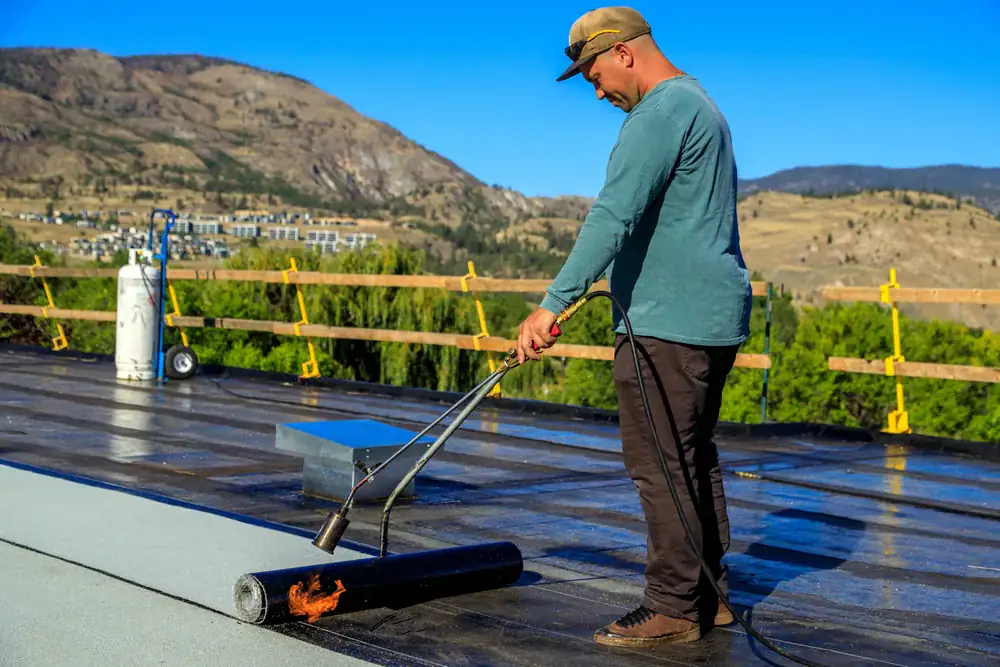
Professional roofing contractor applying roofing membrane on commercial roof in Acton, CA.

Our Commercial Roofing Process

Here's Exactly What Happens When You Call

You reach out, and we schedule a roof inspection at a time that doesn’t disrupt your operations. One of our factory-certified roofers comes out, gets on your roof, and actually looks at what’s happening up there. Not a salesperson with a clipboard—someone who’s been installing and repairing commercial roofs for 20+ years.

We document everything with photos. You get a written assessment that explains what we found, what needs attention now, what can wait, and what your options are. If you’re dealing with an insurance claim, we know exactly what documentation they need because we’ve done this hundreds of times. If you need Title 24 compliance for a cool roof restoration, we’ll tell you which CRRC-rated materials make sense for your building and your budget.

When we give you a price, that’s the price. We’re not leaving the invoice open to “discoveries” that somehow always cost more. You’ll know what we’re doing, how long it’ll take, and what we’re using before anyone sets foot on your roof.

The work gets done by our crews—not subcontractors we found last week. We handle TPO and PVC roofing, modified bitumen, hot mop systems, flat roof repairs, and complete commercial roof replacements. When we’re finished, you get documentation, warranties, and a maintenance schedule if you want one.

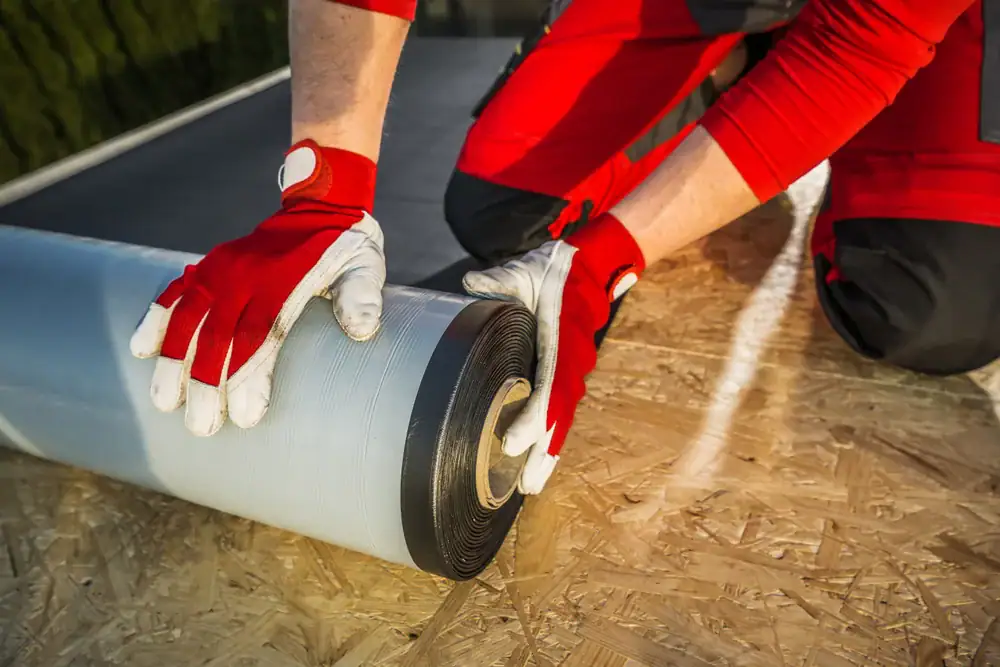
Roofing membrane installation for commercial building in Acton, CA.

Explore More Services

About Royal Roofing Company

Flat Roof Systems and Solutions

What's Actually Included in Commercial Roofing Service

Commercial roofing in Culver City means dealing with mostly flat or low-slope systems. You’re looking at TPO, PVC, modified bitumen, or built-up roofing depending on when your building went up and what’s already there.

TPO and PVC roofing are the go-to options for energy efficiency because they meet California’s Title 24 cool roof requirements without additional coatings. White reflective membranes can cut your cooling costs by 10-30% in LA’s climate zone, which actually shows up on your utility bills. These single-ply systems also hold up well against UV damage and thermal cycling, which matters when your roof is baking at 160+ degrees all summer.

If you’ve got an older built-up roof with gravel or a modified bitumen system, you’re not necessarily looking at a full replacement. Cool roof coatings can extend the life of your existing roof by 10-15 years while bringing you into Title 24 compliance. We’ll tell you honestly whether a restoration makes sense or whether you’re better off with a new system.

Maintenance programs are cheaper than emergency repairs, and they’re definitely cheaper than premature replacement. Twice-a-year inspections catch the small stuff—clogged drains, loose flashings, minor punctures—before they turn into interior damage. You get a maintenance log that helps with insurance, resale value, and your own planning. Most commercial property managers in Culver City are required to show proof of roof maintenance anyway. Might as well have someone who knows what they’re looking at.

New commercial roofing installation on modern buildings in Acton, CA.

How long does a commercial roof replacement take in Culver City?

Most commercial roof replacements take between one and three weeks depending on the size of your building, the roofing system you’re installing, and weather conditions. A 10,000 square foot flat roof with TPO or PVC typically takes 5-7 working days if everything goes smoothly.

The timeline changes if we’re dealing with significant structural repairs, multiple roof levels, or a building that’s still fully operational during the work. We can often phase the project so you’re not shutting down operations completely. That adds time but keeps your business running.

Weather delays happen. We’re not installing roofing materials in the rain, and adhesives need specific temperature ranges to cure properly. In Culver City, we’ve got a pretty reliable window from late spring through early fall, but even then, you might lose a day here and there. We’ll give you a realistic schedule upfront and keep you updated if anything changes.

Both are single-ply membranes that meet Title 24 cool roof requirements, but they’re not identical. PVC is more resistant to chemicals, grease, and certain types of punctures, which makes it a better choice if you’ve got restaurant exhaust, HVAC equipment that might leak, or a lot of foot traffic on your roof.

TPO costs less upfront and performs well in standard commercial applications. It’s heat-welded just like PVC, creating watertight seams that hold up better than glued or mechanically fastened systems. The energy efficiency is comparable—both reflect heat and reduce cooling costs.

The real difference shows up in longevity and specific use cases. PVC typically lasts 20-30 years with proper maintenance. TPO is more like 15-25 years depending on the quality of the membrane and installation. If your roof has a lot of grease exposure or chemical runoff, PVC is worth the extra cost. If you’ve got a straightforward commercial building without those complications, TPO makes more sense for most property managers.

Yes, if you’re doing a roof replacement or recovering more than 50% of your existing roof. California’s Title 24 energy code requires commercial buildings to use cool roof materials with specific solar reflectance and thermal emittance ratings. In Los Angeles County’s climate zone, that means your roofing materials need to be CRRC-rated and meet minimum performance standards.

The point is energy efficiency. Cool roofs reduce the urban heat island effect and cut cooling costs, which matters when you’re running HVAC systems all summer. The savings are real—10-30% reductions in cooling costs are typical for commercial buildings that switch from dark roofing to reflective systems.

You don’t necessarily need compliance if you’re just doing minor repairs or patching small sections. But if you’re replacing the whole roof or a significant portion, your building department is going to want documentation showing you’re using approved materials. We handle that part. We know which products are certified, and we provide the paperwork your inspector needs to sign off on the job.

Repairs typically run $500-$3,000 depending on what’s wrong and how accessible the damage is. You’re looking at the lower end for something like resealing flashings or patching a small puncture. You’re looking at the higher end if we’re cutting out and replacing damaged sections, dealing with multiple leak points, or repairing structural issues underneath the membrane.

Replacement costs vary widely based on your building size, the roofing system you choose, and what we find when we remove the old roof. A straightforward TPO replacement might run $4-$7 per square foot installed. PVC is closer to $6-$9 per square foot. If there’s structural damage or insulation that needs replacing, add to that.

The decision usually comes down to the age and condition of your existing roof. If you’re looking at a 12-year-old roof with isolated damage, repairs make sense. If you’ve got a 20-year-old roof that’s failing in multiple places, you’re throwing money at something that’s going to need replacement soon anyway. We’ll tell you honestly where you are in that spectrum. Sometimes a $2,000 repair buys you three more years, and that’s the right move. Sometimes it’s just delaying the inevitable.

Twice-a-year inspections are standard—usually spring and fall. We’re checking drains and gutters, looking for standing water, inspecting all the flashings and penetrations, checking seams on single-ply systems, and documenting any damage or wear. You get a written report with photos after each visit.

We handle minor repairs during those inspections if it makes sense. Resealing a flashing or clearing a clogged drain doesn’t require a separate service call. Anything more significant gets quoted separately, but at least you’re catching it before it becomes an emergency.

The real value is in the documentation and the early detection. Insurance companies want to see proof of regular maintenance, especially if you ever need to file a claim. Property managers need maintenance logs for their own records and for prospective buyers if the building goes on the market. And you’re extending the life of your roof by years because small problems don’t turn into big ones. A maintenance program typically costs $500-$1,500 per year depending on your roof size and complexity. That’s a lot cheaper than emergency repairs or premature replacement.

Most of the time, yes. We schedule work during off-hours if that’s what you need, and we can phase projects so we’re only working on one section at a time. That keeps the rest of your building fully operational.

Noise is usually the biggest concern. Roof work involves equipment, and some of it’s loud. If you’ve got offices or retail space directly below, we’ll coordinate timing with you so we’re not running power tools during your peak business hours. For restaurants, medical offices, or anywhere noise is a real problem, early morning or weekend work is an option.

Access is the other consideration. We need to get materials and equipment onto your roof, which usually means staging areas in your parking lot or loading zones. We’ll work with you to minimize the impact on your customers and employees. The short answer is that commercial roof repairs and replacements happen on occupied buildings all the time. It requires planning and communication, but it’s absolutely doable without shutting down your operations.

Other Services we provide in Culver City