Appointments Available
Phone Support 24/7
Bell Gardens, CA 90201
*Serving most of Southern California*
Appointments Available
Phone Support 24/7
Bell Gardens, CA 90201
Your energy bills drop because the roof reflects heat instead of absorbing it. Your insurance company has zero questions because the documentation is thorough and the installation meets every code. Your tenants stop complaining about temperature swings, and your maintenance calls decrease.
That’s what happens when a commercial roofing contractor installs a system correctly the first time. TPO and PVC roofing aren’t just about keeping water out—they’re about reducing your operating costs and extending the time between major capital expenses. A properly installed flat roof system in Diamond Bar’s climate should give you 20 to 30 years of reliable performance.
You’re not dealing with patch jobs or temporary fixes. The roof either works as a complete system, or it becomes a recurring expense. Factory-certified installation teams know the difference between meeting minimum standards and building something that lasts. That difference shows up in your energy bills, your insurance premiums, and how often you’re writing checks for repairs.
We’ve been handling commercial roofing projects in Diamond Bar and across Los Angeles County since 1980. Most of our business comes from referrals and repeat clients—property managers who’ve worked with the same crews for years and know what to expect.
We hold a C-39 specialty contractor license, maintain $2 million in liability coverage, and employ factory-certified installers trained by GAF, CertainTeed, and Owens Corning. Steve Pinkus brings over 43 years of roofing experience to every project, and our crews have been with us for decades. That consistency matters when you’re managing a commercial property and can’t afford surprises.
Diamond Bar’s commercial properties face intense UV exposure and thermal stress. We specialize in Title 24 cool roof restoration and Energy Star-qualified systems that meet California’s strict energy codes while reducing cooling costs for warehouses, retail centers, and office buildings throughout the area.
It starts with a thorough inspection and documentation. You get photos, measurements, and a detailed assessment of what’s failing and why. If you’re dealing with an insurance claim, that documentation becomes critical for your adjuster.
Next comes the proposal. You’ll see exactly what materials are being used, how the installation meets Title 24 cool roof requirements, and what the timeline looks like. No vague language about “quality materials” or “professional installation”—you get manufacturer names, product specs, and a clear scope of work.
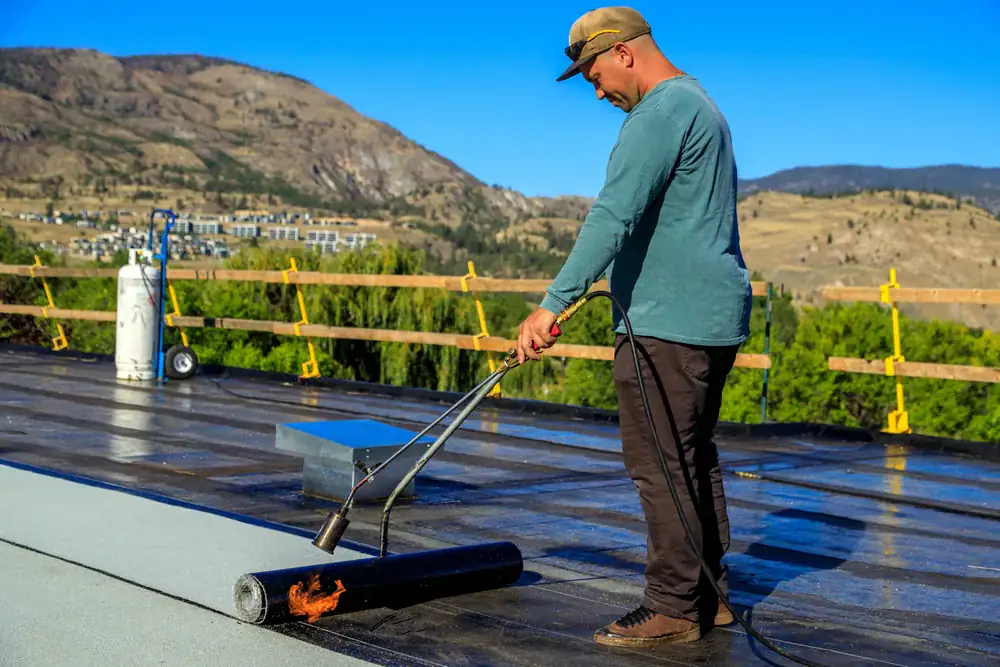
During installation, our factory-certified crews handle the tear-off, substrate prep, and membrane installation. For TPO and PVC roofing systems, proper seam welding and flashing details make the difference between a roof that lasts 25 years and one that starts leaking in five. Our project managers coordinate the work to minimize disruption to your operations.
After completion, you receive warranty documentation, maintenance recommendations, and photos of the finished installation. Most commercial roof failures happen because of poor installation or deferred maintenance, not material defects. You’ll know exactly what to watch for and when to schedule inspections.
You’re getting single-ply membrane systems—TPO, PVC, or EPDM—selected based on your building’s specific needs. TPO roofing offers the best balance of cost and energy efficiency for most commercial properties in Diamond Bar. It’s lightweight, highly reflective, and meets Title 24 compliance requirements without additional coatings.
PVC roofing makes sense for restaurants, food processing facilities, or any building where grease and chemicals are present. It costs more upfront but handles harsh conditions better than other materials. Both TPO and PVC membranes come with factory warranties and are fully recyclable at end of life.
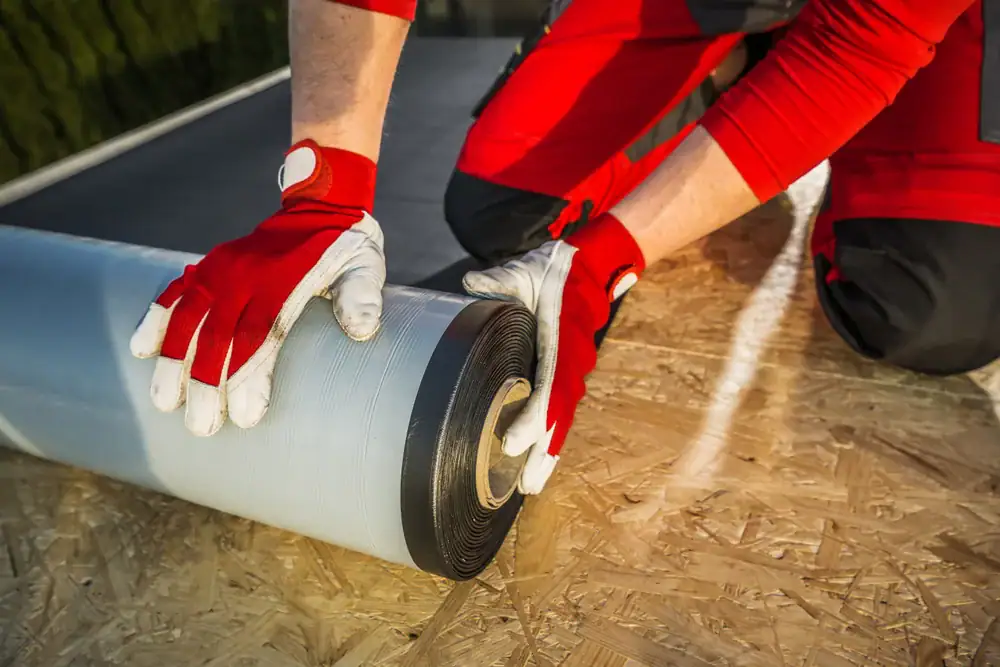
Installation includes proper substrate preparation, new insulation if needed, mechanically fastened or fully adhered membrane, and all flashing details around penetrations, edges, and drains. You’re also getting Title 24 cool roof restoration capabilities—existing roofs can often be restored with Energy Star-qualified coatings instead of full replacement, saving significant cost while meeting California energy codes.
Our commercial roof maintenance programs catch small problems before they become expensive emergencies. Regular inspections identify failing sealants, clogged drains, or damaged membranes while repairs are still minor. For property managers overseeing multiple buildings in Los Angeles County, scheduled maintenance extends roof life and prevents the budget chaos of unexpected failures.
Commercial roof replacement in Diamond Bar typically runs between $4 and $12 per square foot, depending on the existing roof condition, building height, access challenges, and which membrane system you choose. A 10,000 square foot flat roof replacement usually costs $40,000 to $120,000.
TPO roofing sits at the lower end of that range and offers excellent energy efficiency. PVC costs more but handles chemical exposure and high-traffic areas better. The final price depends on how much substrate repair is needed, whether you’re adding insulation, and what kind of edge details and penetrations the building has.
Material costs have increased significantly since 2020—tar and asphalt products are up 41%, and supply chain issues continue affecting availability. That said, a properly installed commercial roof should last 20 to 30 years. Spreading that cost over decades makes it one of the more predictable capital expenses you’ll manage. We offer financing options with low monthly payments if you need to preserve cash flow for other priorities.
Title 24 is California’s Energy Code, and it requires commercial roofs to meet specific reflectance and thermal emittance standards. If you’re doing a full roof replacement or re-roofing project in Diamond Bar, your new roof must comply. The goal is reducing building energy consumption by reflecting solar heat instead of absorbing it.
Cool roofs need an aged solar reflectance of at least 0.55 and thermal emittance of at least 0.75 for low-sloped commercial buildings. Most TPO and PVC roofing systems meet these requirements automatically because of their light color and reflective properties. Some darker membranes need special coatings to comply.
Compliance isn’t optional—building inspectors check for CRRC-rated materials during final inspection. Beyond avoiding code violations, Title 24-compliant roofing actually reduces your cooling costs. Commercial properties in Southern California’s sunny climate see measurable energy savings when roofs reflect heat instead of transferring it into the building. Your HVAC system works less, your energy bills drop, and the roof pays for itself faster through operational savings.
TPO roofing lasts 20 to 30 years on commercial buildings when installed correctly and maintained properly. The membrane itself is durable, but installation quality determines whether you get two decades or two years before problems start.
Poor seam welding is the most common TPO failure point. Seams need proper heat and pressure to create a watertight bond. Installers without factory training often rush this step or use incorrect temperature settings. You end up with seams that look fine but start separating within a few years. Our factory-certified crews know the exact specifications for each manufacturer’s TPO product.
The other factor is maintenance. TPO handles UV exposure and thermal cycling well, but clogged drains, ponding water, and debris accumulation shorten its life. Annual inspections catch these issues early. You’re looking for punctures from foot traffic, failing sealants around penetrations, and any areas where water isn’t draining properly. Address those small problems immediately, and your TPO roof will reach its full 25 to 30-year lifespan without major repairs.
Yes. Insurance claims for commercial roofing require thorough documentation, and that’s where most property owners struggle. You need detailed photos showing the damage, evidence linking it to a covered event like wind or hail, and a scope of work that separates storm damage from pre-existing wear.
We handle insurance claim documentation as part of the inspection process. You get photos of every damaged area, measurements, and a written assessment your adjuster can review. The goal is giving your insurance company everything they need to approve the claim without delays or disputes.
Insurance companies have tightened claim scrutiny significantly—they’re denying more claims and questioning contractor estimates more aggressively than in previous years. Having a licensed contractor with $2 million in liability coverage and a 40-year track record helps. Adjusters take detailed documentation seriously when it comes from an established company that knows how to present a claim properly. You’re not fighting the insurance company alone, and you’re not dealing with a contractor who disappears when the adjuster pushes back on the estimate.
TPO and PVC are both single-ply thermoplastic membranes, but they handle different conditions better. TPO costs less and works well for most commercial buildings—warehouses, retail centers, office buildings. It’s highly reflective, meets Title 24 requirements, and offers excellent energy efficiency. TPO is the fastest-growing commercial roofing material because it balances performance and cost effectively.
PVC costs 20% to 30% more than TPO but resists chemicals, grease, and harsh conditions better. If you’re roofing a restaurant, food processing facility, or any building where grease and oils are present, PVC makes sense. It’s also more puncture-resistant and handles high foot traffic better than TPO.
Both materials last 20 to 30 years with proper installation. Both are fully recyclable and meet California’s energy codes. The choice comes down to your building’s specific conditions and budget. For most commercial properties in Diamond Bar, TPO delivers the performance you need at a lower cost. For specialized applications where chemical resistance matters, PVC is worth the additional investment.
Commercial roofs in Diamond Bar should be inspected twice a year—once before summer and once before winter. Southern California’s intense UV exposure and thermal cycling cause different problems than regions with heavy snow or frequent storms, but the damage is just as real.
Spring inspections catch winter damage before summer heat makes it worse. You’re looking for clogged drains, damaged flashing, failing sealants around penetrations, and any areas where water pooled during rain. Fall inspections prepare the roof for winter weather and catch any UV damage or thermal stress from summer heat.
Beyond scheduled inspections, check the roof after any severe weather event and anytime you notice interior water stains or temperature control issues. Most commercial roof leaks start small—a failing seam, a cracked boot around a pipe, a clogged drain causing ponding water. Catch these problems during an inspection, and repairs cost a few hundred dollars. Ignore them until water damages your interior, and you’re looking at thousands in emergency repairs plus business interruption costs.
Other Services we provide in Diamond Bar