Appointments Available
Phone Support 24/7
Bell Gardens, CA 90201
*Serving most of Southern California*
Appointments Available
Phone Support 24/7
Bell Gardens, CA 90201
You’re not just buying a roof. You’re buying years without emergency calls, compliance with California’s Title 24 energy standards, and a system that actually reduces your cooling costs instead of fighting against them.
TPO and PVC roofing systems aren’t just about waterproofing anymore. They’re about meeting modern building codes for energy performance while giving you a roof that lasts. When we install these single-ply membranes with our factory-certified crews, they handle Elizabeth Lake’s temperature swings without cracking, bubbling, or failing early.
Flat roof systems and low-slope commercial roofing require a different approach than residential work. You need someone who understands drainage, proper flashing details, and how to keep water moving off your building—not pooling on it. That’s where most problems start, and that’s where experience matters most.
We hold a C-39 specialty contractor license and factory certifications from major manufacturers. That’s not marketing language—it’s proof that we’re trained to install systems the right way, and that our work is backed by the people who make the materials.
Our crews have been with us for decades, not months. You’re not getting a different team every time or someone learning on your building. You’re getting people who’ve seen every type of commercial roof problem Elizabeth Lake throws at a building, and who know how to fix it before it becomes your emergency.
We’ve served property managers, business owners, and HOAs across Los Angeles County long enough to know what actually matters: responsive communication, work that passes inspection the first time, and roofs that don’t call you back in two years.
First, we come out and actually look at your roof. Not a satellite image—we get up there, take photos, check drainage, and document what’s happening. If you’re dealing with an insurance claim, we know exactly what documentation they need and how to photograph the damage so your claim doesn’t get delayed or denied.
Then we walk you through what we found. We’ll explain whether you need a full replacement, a restoration system, or just targeted repairs and maintenance. We’re not here to upsell you on a new roof if your current one has life left—but we’re also not going to patch something that’s going to fail in six months and cost you more in the long run.
Once we start work, you’ll see the same crew from start to finish. We handle Title 24 cool roof compliance, proper flashing and penetration details, and all the things that separate a roof that lasts from one that leaks. Every project gets photo documentation as we go—not just for our records, but so you have proof of what’s under that membrane if you ever need it for warranty or insurance purposes.
After installation, we offer commercial roof maintenance programs. Regular inspections catch small problems before they become big ones, and they extend your roof’s lifespan significantly. Most commercial roofs fail early because of neglect, not materials.
You’re getting TPO and PVC roofing systems installed by our factory-certified crews who’ve done this thousands of times. These aren’t experimental materials—they’re the industry standard for commercial and industrial roofing because they meet California’s energy codes and hold up under real-world conditions.
For flat roof systems and low-slope applications, proper installation matters more than the membrane itself. We handle substrate prep, drainage design, flashing details around HVAC units and penetrations, and all the technical work that keeps water outside your building. Elizabeth Lake’s climate means your roof deals with intense sun exposure and temperature swings—your system needs to be installed with that in mind.
Title 24 cool roof restoration is another option if your current roof is structurally sound but failing California’s energy efficiency standards. We can apply reflective coatings and restoration systems that bring your roof into compliance without the cost and disruption of a full tear-off. Not every roof qualifies, but when it does, it’s a smart way to extend your roof’s life and cut cooling costs at the same time.
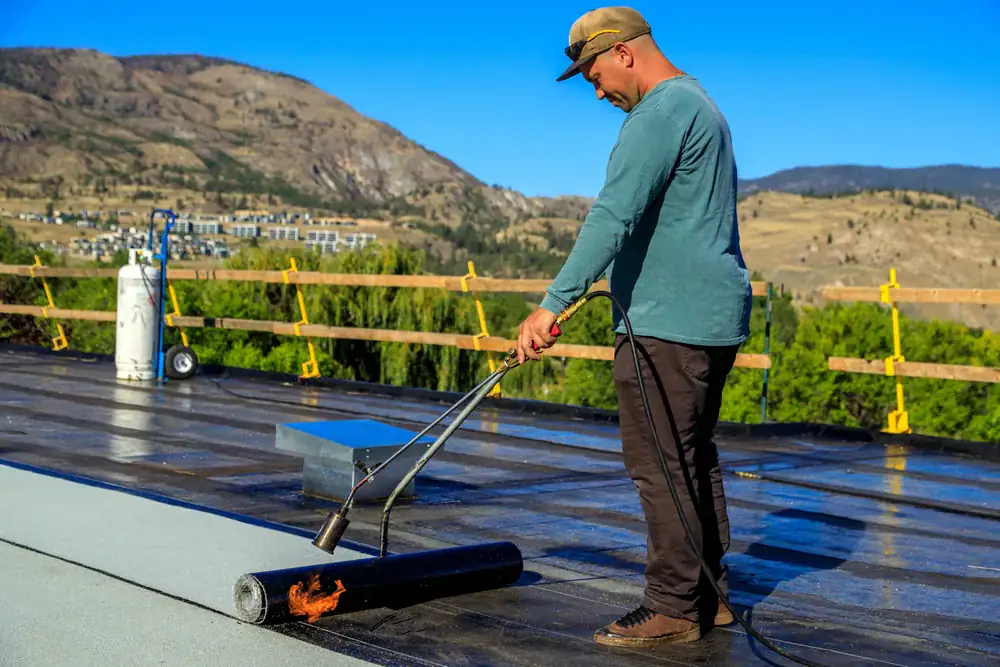
We also specialize in hot mop roofing systems for complex applications where traditional membranes don’t work as well. It’s an older technology, but for certain buildings and details, it’s still the most reliable waterproofing method available.
It depends on how much of your roof is compromised and how old the system is. If you’re patching leaks every year in different spots, that’s a sign the membrane is breaking down across the whole roof—not just in one area. At that point, you’re spending money on repairs that won’t last, and a replacement makes more financial sense.
If your roof is under 15 years old and the leaks are isolated to specific areas—around HVAC units, flashing, or penetrations—targeted repairs usually work fine. We’ll inspect the entire roof and tell you honestly what’s failing and what isn’t. We’re not interested in selling you a new roof if yours has good life left.
Age matters too. Most commercial flat roof systems last 20-25 years if they’re maintained. If you’re past that point and starting to see problems, it’s time to plan for replacement before you’re dealing with interior damage and emergency calls.
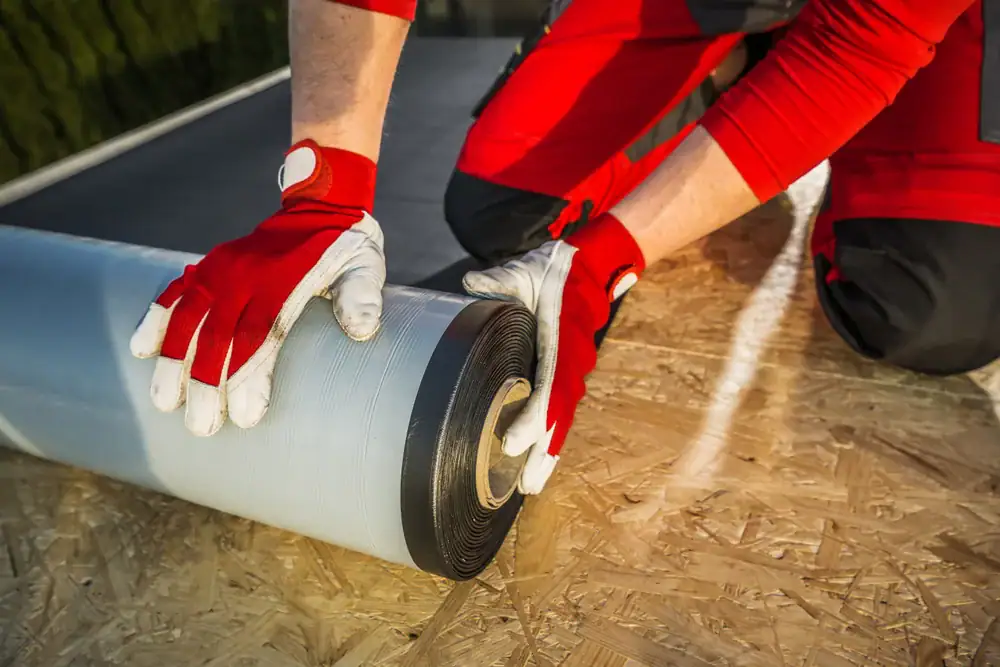
Both are single-ply membranes that meet Title 24 energy requirements and work well for flat and low-slope roofs. TPO is typically more affordable and performs well in most commercial applications. It’s heat-welded at the seams, creating a watertight bond that holds up over time.
PVC costs more upfront but offers better chemical resistance and durability, especially if your roof is exposed to grease, oils, or harsh conditions. Restaurants and industrial facilities often go with PVC for that reason. It’s also more flexible in cold weather, though that’s less of a concern in Elizabeth Lake’s climate.
The real difference comes down to your building’s needs and budget. Both materials last 20+ years when we install them correctly, and both reduce cooling costs compared to older roofing systems. We’ll recommend what makes sense for your specific situation—not just what’s easier for us to install.
Yes, if you’re doing a roof replacement or certain types of major repairs. Title 24 is California’s energy efficiency code, and it requires commercial roofs to meet specific standards for solar reflectance and thermal emittance. The goal is to reduce cooling loads and energy consumption across the state.
Cool roof systems reflect more sunlight and absorb less heat than traditional roofing materials. That means your building stays cooler, your HVAC system works less, and your energy bills drop. It’s not optional—if you’re replacing your roof, it has to meet these standards to pass inspection.
We handle Title 24 compliance on every commercial project. We know which materials meet the code, how to document compliance for inspectors, and how to install systems that actually deliver the energy savings the code is designed for. You don’t have to worry about failing inspection or getting stuck with a roof that doesn’t meet California requirements.
Most commercial roof replacements take one to three weeks depending on the size of your building, the type of system we’re installing, and weather conditions. Smaller buildings with straightforward layouts can be done faster. Larger facilities or buildings with a lot of rooftop equipment take longer because there’s more flashing, more penetrations, and more details to get right.
We work to minimize disruption to your business. In most cases, you can stay operational during the project—we’re not tearing into your building’s interior or shutting down your operations. We’ll coordinate with you on timing, access, and any specific concerns you have about noise or activity during business hours.
Weather delays happen, especially if we get unexpected rain. We don’t install roofing materials in wet conditions because it compromises the installation and your warranty. We’ll give you a realistic timeline upfront and keep you updated if anything changes. Rushing a roof installation to hit a deadline is how you end up with problems later.
Regular inspections, minor repairs, and documentation that extends your roof’s lifespan and keeps your warranty valid. Most manufacturers require periodic inspections to maintain warranty coverage—if you’re not doing them, you could void your warranty without realizing it.
We inspect your roof twice a year, checking for ponding water, membrane damage, flashing issues, and problems around penetrations and drains. We clear debris, reseal areas that need attention, and catch small issues before they turn into leaks. You get a written report with photos after every inspection, so you have records of your roof’s condition over time.
Maintenance programs cost a fraction of what emergency repairs and water damage cost. They also help you budget for roof replacement when the time comes because you’ll have years of documentation showing how your roof has aged. For property managers and business owners, it’s the smartest way to protect your investment and avoid surprises.
Yes. We document roof damage the way insurance companies need to see it, and we know what information adjusters require to approve claims. Most claims get delayed or denied because the documentation isn’t thorough enough—photos aren’t clear, damage isn’t properly described, or the scope of work doesn’t match what the adjuster sees.
We photograph everything, write detailed reports, and provide the technical backup your insurance company needs to process the claim. If the adjuster wants to meet on-site, we’ll walk the roof with them and explain what happened, what needs to be repaired, and why. We’ve done this enough times to know how to communicate in a way that moves claims forward instead of creating more questions.
We’re not public adjusters and we don’t handle the claim for you—but we give you the documentation and support you need to get your claim approved. Once it’s approved, we handle the repairs or replacement according to the scope the insurance company agreed to. It’s one less thing you have to figure out during an already stressful situation.
Other Services we provide in Elizabeth Lake