State Licensed “SINCE 1982”

CSLB C-39 #432352

Full Workers Comp. & $2M Liability Insurance
OUR EMPLOYEE ROOFERS ARE FACTORY CERTIFIED
*Serving most of Southern California*
State Licensed “SINCE 1982” CSLB C-39 #432352
Full Workers Comp. & $2M Liability Insurance
OUR EMPLOYEE ROOFERS ARE FACTORY CERTIFIED.

*Serving most of Southern California*

Commercial Roofing Contractor in Florence-Graham, CA

Your Roof Protects Everything You've Built

When your commercial roof fails, your business stops. We handle flat roof systems, TPO and PVC roofing, and emergency repairs across Florence-Graham with 40 years of proven work.
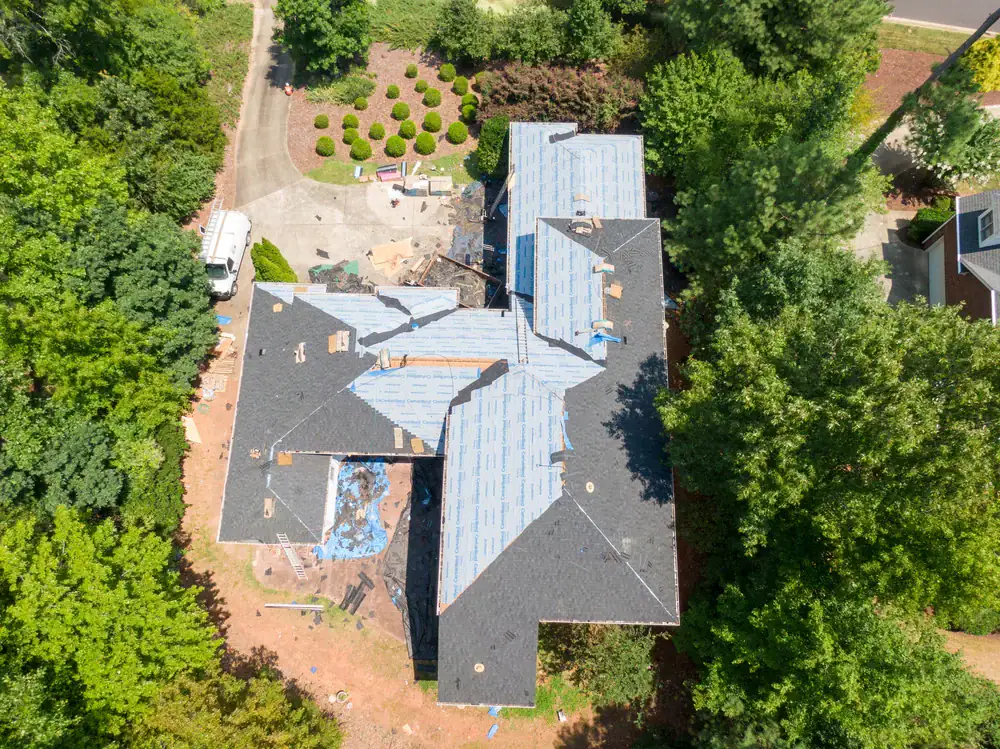
Aerial view of a residential roof undergoing commercial roofing repairs in Acton, California.
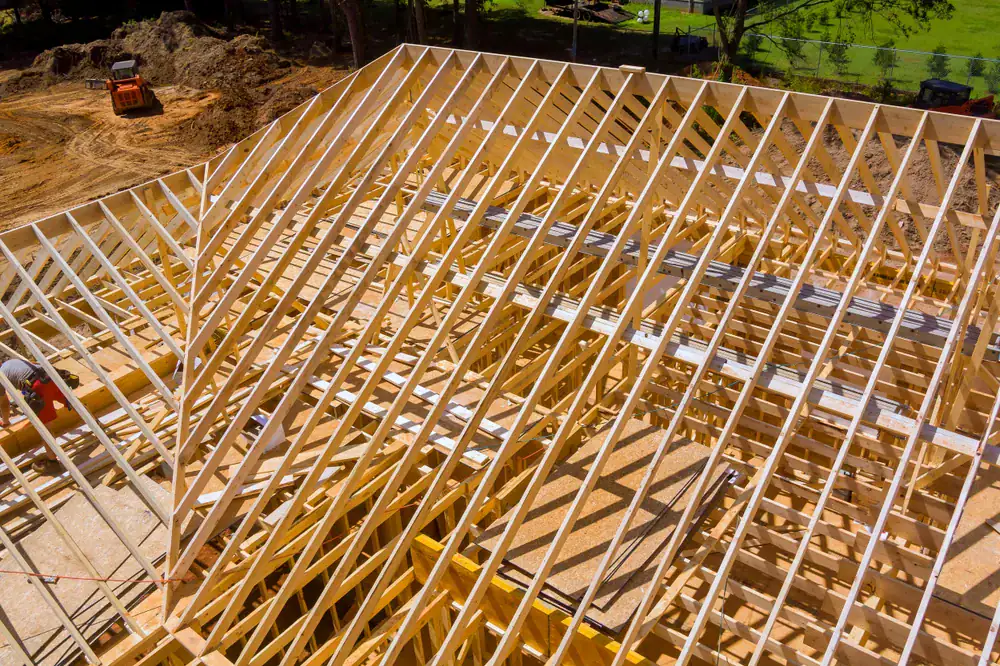
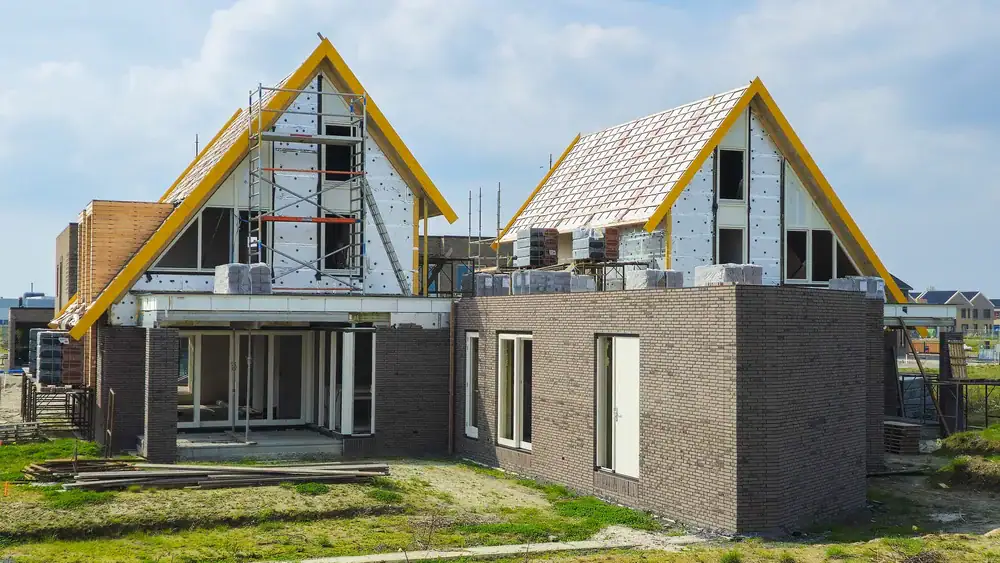
Roof framing under construction in Acton, CA for a commercial building.

Commercial Roof Repair Florence-Graham

What Happens When Your Roof Actually Works

You’re not thinking about your roof when it’s doing its job. Your HVAC isn’t working overtime because heat’s bleeding through outdated materials. Your insurance premiums aren’t climbing because of repeated leak claims. Your operations aren’t shutting down every time a storm rolls through.

That’s what a properly installed commercial roofing system does. It disappears into the background while your business runs.

Florence-Graham’s building stock averages back to 1952, which means most commercial properties are dealing with roofs that have seen decades of temperature swings, UV exposure, and patched-over problems. The right flat roof system—whether that’s TPO, PVC, or a Title 24 compliant cool roof restoration—cuts your energy costs, extends your roof’s lifespan by decades, and keeps you compliant with California’s increasingly strict building codes. You stop reacting to emergencies and start planning around a roof that actually performs.

Licensed Roofing Contractor Florence-Graham

Four Decades in Los Angeles County Roofing

We’ve held a California C-39 specialty roofing license for over 40 years. We’ve maintained GAF Master Elite status since 2002, which puts our workmanship in the top 2% of all GAF-registered roofing contractors nationwide. That’s not marketing language—it’s a certification that requires consistent quality, proper licensing, and proven customer satisfaction.

We’re a family-owned operation serving commercial property managers, industrial facilities, and business owners throughout Los Angeles County. Our crews aren’t subcontractors rotating through job sites. They’re factory-certified employees who’ve been with us for years, many for decades.

Florence-Graham’s mix of older commercial buildings and industrial properties means you need a contractor who understands how to work with aging infrastructure, Title 24 compliance requirements, and the reality of keeping businesses operational during roof work. We’ve been doing exactly that across LA County since the early 1980s.

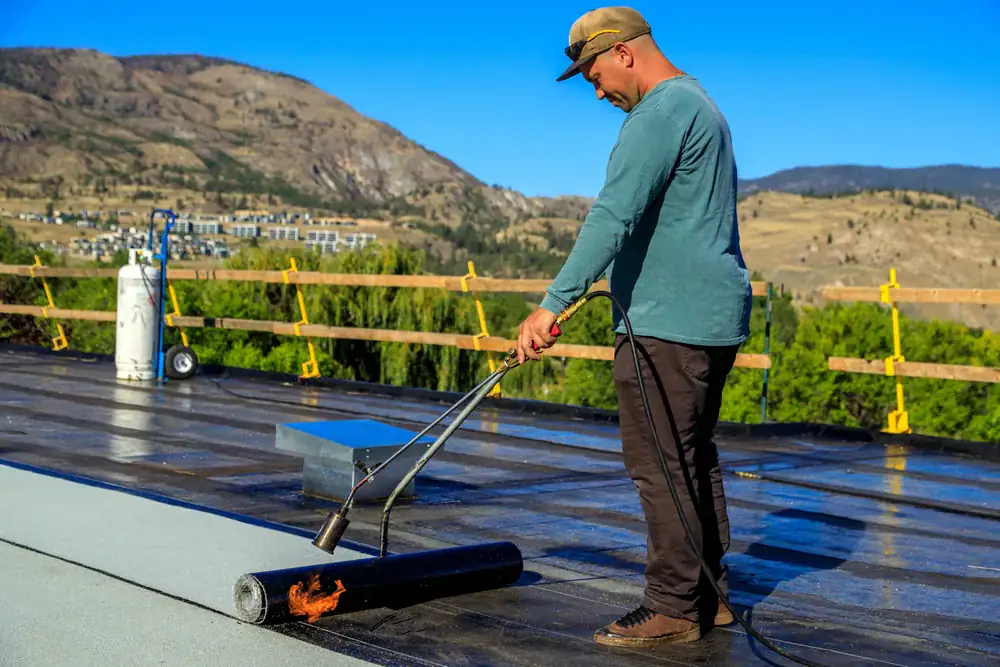
Professional roofing contractor applying roofing membrane on commercial roof in Acton, CA.

Commercial Roofing Installation Process

Here's How a Commercial Roof Project Actually Runs

It starts with an inspection, not a sales pitch. We document your current roof condition with photos, identify problem areas, and explain what’s happening and why. If your roof can be restored or repaired instead of replaced, we’ll tell you. If it needs replacement, we’ll walk through your options—TPO, PVC, modified bitumen, metal—and explain the real differences in cost, lifespan, and performance.

Once you approve the scope, we handle permits and coordinate with your schedule to minimize business disruption. Most commercial roof installations can happen while you’re operating. TPO and PVC systems don’t produce fumes or odors, so your employees and customers aren’t affected.

During installation, our factory-certified crews follow manufacturer specifications exactly. That’s how we protect your warranty and ensure the system performs as designed. We document every phase with photos for your records and for insurance compliance if needed. After completion, you get warranty paperwork, maintenance recommendations, and direct contact information for any follow-up questions. If an emergency happens down the road, we offer 24-hour response because roof failures don’t wait for business hours.

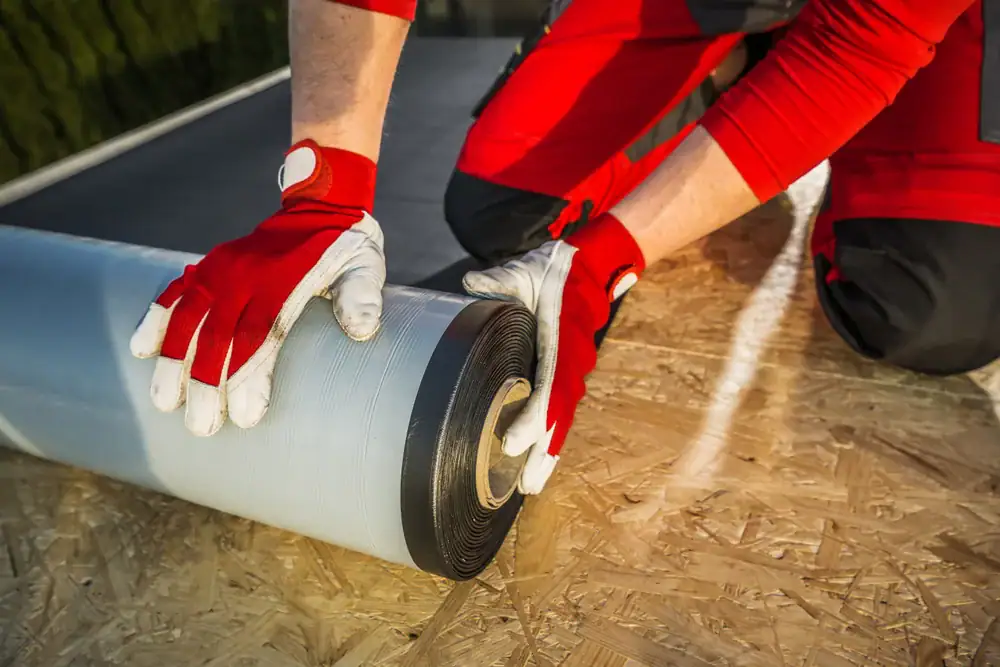
Roofing membrane installation for commercial building in Acton, CA.

Explore More Services

About Royal Roofing Company

Flat Roof Systems and TPO Roofing

What You're Actually Getting With Our Systems

TPO and PVC roofing systems dominate commercial applications in California for good reason. They’re Energy Star rated, naturally reflective, and meet Title 24 cool roof requirements without additional coatings. A white TPO roof can reduce your cooling costs by 20-40% compared to traditional dark surfaces, which matters during Florence-Graham’s summer months when temperatures regularly hit the 90s.

These single-ply membranes resist UV damage, punctures, chemicals, and thermal movement better than older built-up systems. They’re also fully recyclable at end-of-life. Installation is faster and cleaner than hot-mop applications, and they carry warranties ranging from 20 to 50 years depending on the system you choose.

For properties with existing roof coatings or older systems that still have structural integrity, Title 24 cool roof restoration extends lifespan and brings you into compliance without a full tear-off. We also handle metal roofing for industrial facilities, modified bitumen for high-traffic roof areas, and emergency repairs when storms or equipment failures cause sudden damage. Every system we install comes with comprehensive material and workmanship warranties, and we carry $2 million in liability coverage plus full workers compensation. You’re not just getting a roof—you’re getting documentation, compliance, and protection that holds up when insurance or building inspectors come calling.

New commercial roofing installation on modern buildings in Acton, CA.

How long does a commercial roof replacement take in Florence-Graham?

Most commercial roof replacements take between three days and two weeks depending on building size, roof complexity, and weather. A straightforward 10,000 square foot flat roof with TPO installation typically takes five to seven days from start to finish.

Weather delays are the main variable. We don’t install roofing systems in rain or high winds because it compromises adhesion and safety. If a storm’s forecasted, we’ll pause work and secure the site rather than rush through critical steps.

The good news is that TPO and PVC installations allow your business to keep operating during the project. There’s no odor, no fumes, and minimal noise compared to tear-offs or hot-mop applications. We coordinate access with you so deliveries, employees, and customers aren’t disrupted. For larger projects, we can phase the work to keep sections of your roof functional throughout the process.

Both are single-ply membranes that perform well in California’s climate, but they’re not identical. TPO is slightly less expensive and has become the most common commercial roofing material in the US. It’s heat-welded at the seams, highly reflective, and resists UV damage and punctures well. It’s a solid choice for most commercial applications.

PVC costs about 10-20% more but offers better chemical resistance, which matters if your roof is exposed to oils, greases, or restaurant exhaust. PVC is also more flexible in cold weather, though that’s less relevant in Florence-Graham. Both materials meet Title 24 cool roof requirements and carry similar warranty options.

The decision usually comes down to your building’s specific conditions. If you have rooftop HVAC units, grease traps, or industrial equipment that could leak chemicals, PVC is the safer long-term investment. For standard commercial buildings without those exposures, TPO delivers excellent performance at a lower cost. We’ll walk you through what makes sense for your property during the inspection.

If you’re doing new construction, adding square footage, or replacing more than 50% of your existing roof, yes—California’s Title 24 energy code requires cool roof compliance. That means your roof must meet minimum solar reflectance and thermal emittance standards to reduce heat absorption and lower cooling costs.

Most TPO and PVC systems meet Title 24 requirements right out of the box because they’re light-colored and naturally reflective. Metal roofs with reflective coatings also qualify. If you’re restoring an existing roof, cool roof coatings can bring older systems into compliance without a full replacement.

Title 24 compliance isn’t just a regulatory checkbox. It directly impacts your energy bills. A compliant cool roof can reduce surface temperatures by 50-60 degrees compared to dark roofing materials, which translates to measurably lower HVAC costs during summer months. We handle all the documentation and certification needed to prove compliance for building inspectors and utility rebate programs.

Call us for emergency service immediately, even if the leak seems small. Water infiltration spreads quickly through insulation and decking, and what looks like a minor drip can indicate significant hidden damage. We offer 24-hour emergency response to assess the situation and provide temporary protection while we plan permanent repairs.

In the meantime, contain the water if possible. Move equipment, inventory, and anything valuable away from the affected area. Place buckets or tarps to catch dripping water and prevent it from spreading across floors. Don’t attempt to patch the roof yourself—temporary fixes often make the underlying problem worse and can void existing warranties.

When we arrive, we’ll locate the source of the leak (which isn’t always directly above where water’s appearing inside), document the damage with photos for insurance purposes, and install temporary waterproofing if needed. Then we’ll provide a clear assessment of whether you need a repair, a section replacement, or if the leak is indicating broader roof failure that requires more extensive work. Most commercial roof leaks are repairable if caught early, but they get exponentially more expensive the longer they’re ignored.

Commercial roof maintenance typically costs between $0.15 and $0.30 per square foot annually, depending on your roof size and system type. For a 10,000 square foot roof, that’s roughly $1,500 to $3,000 per year. That might sound like an unnecessary expense until you compare it to emergency repairs or premature replacement.

Regular maintenance catches small problems before they become expensive ones. Twice-yearly inspections identify loose seams, ponding water, clogged drains, and damaged flashing. Cleaning debris from drains and gutters prevents water backup. Re-sealing penetrations around HVAC units stops leaks before they start. These small interventions extend your roof’s lifespan by years and protect the much larger investment in the building itself.

Most commercial roofing warranties require documented maintenance to remain valid. If you file a claim and can’t prove regular inspections happened, manufacturers can deny coverage. A maintenance contract gives you that documentation plus priority scheduling for repairs and predictable annual costs instead of surprise five-figure bills when something fails. For commercial property managers overseeing multiple buildings, maintenance contracts are standard practice because the ROI is clear.

Yes, but the timing and your roof’s condition matter significantly. If your roof is more than halfway through its expected lifespan, replace or restore it before installing solar panels. Otherwise you’ll face the cost of removing and reinstalling the solar array when the roof needs work in a few years.

Solar panel installations require roof penetrations for mounting hardware, which creates potential leak points if not done correctly. The panels themselves add weight—typically 3-5 pounds per square foot—so your roof structure needs to handle the additional load. We evaluate structural capacity, waterproofing details, and warranty implications before any solar project moves forward.

The good news is that cool roof systems like TPO and PVC pair extremely well with solar installations. The reflective surface keeps the roof cooler, which actually improves solar panel efficiency since panels perform better at lower temperatures. We coordinate with solar installers to ensure mounting systems are properly flashed and sealed, and we can provide warranties that cover both the roofing system and the penetrations created by solar hardware. Done right, a commercial roof with solar can deliver decades of reliable performance and significant energy savings.

Other Services we provide in Florence-Graham