Appointments Available
Phone Support 24/7
Bell Gardens, CA 90201
*Serving most of Southern California*
Appointments Available
Phone Support 24/7
Bell Gardens, CA 90201
Your commercial property stops bleeding money on emergency repairs and sky-high cooling costs. That’s what happens when you install a roof system designed for Southern California’s climate, not just slapped together with whatever’s cheapest.
Las Flores sits in a climate zone that punishes poorly designed roofs. Long stretches of intense UV exposure, sudden winter storms, and coastal humidity all take their toll. Add in California’s seismic requirements and Title 24 energy standards, and you’re looking at a system that needs to perform on multiple levels.
A properly installed TPO or PVC roofing system with cool roof coatings can cut your HVAC costs significantly. We’re talking about reflective surfaces that actually keep heat out, not just white paint that fades in two years. Your tenants stay comfortable. Your energy bills drop. Your roof lasts decades instead of needing replacement every ten years.
We’ve been handling commercial projects across Los Angeles County since 1960. We hold California’s C-39 specialty roofing license and factory certifications from major manufacturers, which means we can offer extended warranties most contractors can’t touch.
Our crews aren’t rotating faces. Many have been with us for decades, which matters when you’re trusting someone with a six-figure project. We document every phase with photos, handle insurance claims without the usual headaches, and respond 24/7 when emergencies hit.
Las Flores property managers and business owners deal with enough variables. Your roofing contractor shouldn’t be one of them. We show up when we say we will, finish on schedule, and stand behind our work with actual accountability.
We start with a thorough roof inspection and assessment of your current system. That means getting up on your roof, checking for hidden damage, testing moisture levels in insulation, and documenting everything with photos. You get a detailed report that shows exactly what you’re dealing with, not a vague estimate.
Next comes the proposal. We lay out your options for flat roof systems, whether that’s TPO, PVC, modified bitumen, or a cool roof restoration system. Each option includes material specs, warranty details, and a realistic timeline. We explain Title 24 compliance requirements and how different systems affect your energy costs.
Once you approve the plan, we schedule the work around your operations. Most commercial roof installations happen in phases to minimize disruption. We protect your interior spaces, coordinate with your property manager, and keep your tenants informed. Our crews arrive early, work efficiently, and clean up daily.
Throughout installation, we document each layer with photos. When we’re done, you get a complete record of what’s under that roof surface. That documentation becomes critical for warranty claims, future maintenance, and property records.
Commercial roof maintenance in Las Flores isn’t optional. It’s the difference between a roof that lasts thirty years and one that fails in fifteen. Your building faces specific challenges based on its location and use.
Properties near the coast deal with salt air corrosion. Inland buildings take more UV damage. Industrial facilities with heavy HVAC equipment need reinforced roof sections. Retail centers require leak-free performance because water damage shuts down business. We handle all of it with maintenance programs designed for your specific building type.
Regular inspections catch small problems before they become expensive emergencies. We check flashing around penetrations, test drain systems, inspect seams on membrane roofs, and look for early signs of deterioration. Most commercial roof failures start small, usually around roof drains, HVAC curbs, or parapet walls.
Title 24 cool roof restoration extends the life of aging systems while bringing them up to current energy codes. We clean the existing surface, repair damage, and apply reflective coatings that meet California’s strict standards. Your building stays cooler, your roof lasts longer, and you avoid the cost and disruption of a full tear-off replacement.
Commercial roofing in Los Angeles County typically runs between $5 and $15 per square foot, but that range is almost meaningless without context. Your actual cost depends on roof size, current condition, access difficulty, and which system you choose.
A basic TPO membrane installation on a simple flat roof might hit the lower end of that range. A complex project with multiple penetrations, parapet walls, and structural repairs will cost more. PVC roofing systems run higher than TPO but last longer in harsh climates. Title 24 cool roof restoration costs less than full replacement and can add fifteen years to an aging roof.
We provide detailed estimates that break down material costs, labor, disposal fees, and any structural work needed. You’ll know exactly what you’re paying for before we start. Most commercial projects in Las Flores fall between $50,000 and $200,000 depending on building size and scope.
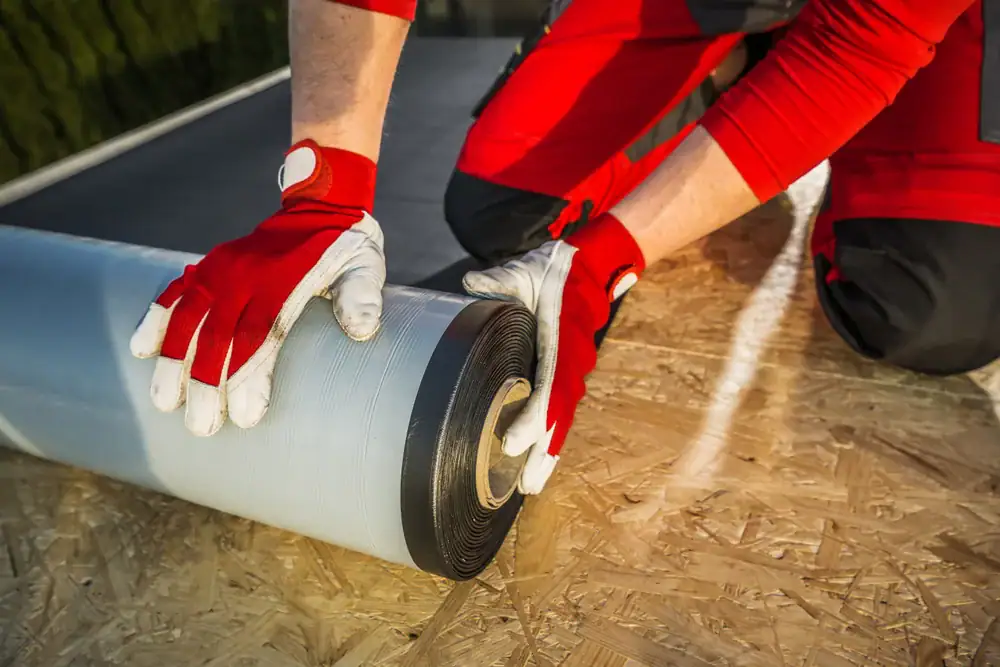
TPO and PVC roofing systems perform best in Las Flores because they handle heat, UV exposure, and occasional heavy rain without breaking down. Both are single-ply membranes that create a watertight barrier across your entire roof surface.
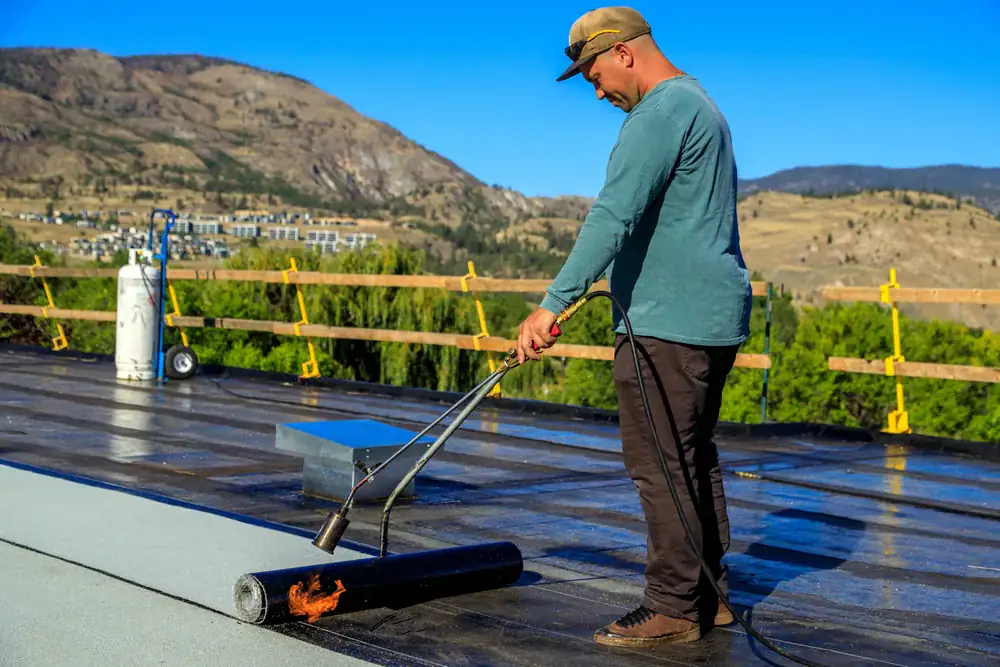
TPO costs less upfront and works well for most commercial applications. It’s heat-welded at the seams, which creates stronger bonds than adhesive or mechanical fasteners. White TPO membranes reflect sunlight and help reduce cooling costs, which matters during those long Southern California summers.
PVC roofing costs more but lasts longer, especially in challenging conditions. It resists chemicals, stands up to ponding water better than TPO, and maintains flexibility in temperature swings. If your building has rooftop HVAC equipment or grease exhaust from restaurant operations, PVC handles those exposures without deteriorating.
Both systems meet Title 24 cool roof requirements when installed with proper reflective coatings. The right choice depends on your building use, budget, and how long you plan to own the property.
Most commercial flat roofs in Las Flores last twenty to thirty years with proper installation and regular maintenance. That’s the realistic expectation for quality TPO or PVC systems installed correctly and inspected annually.
The key phrase there is “proper installation and regular maintenance.” A roof installed by the lowest bidder using shortcuts might fail in ten years. A quality system that never gets inspected will develop small leaks that turn into major problems. Your roof’s lifespan depends on both initial quality and ongoing care.
Las Flores climate accelerates roof aging through constant UV exposure and thermal cycling. Your roof expands in afternoon heat and contracts overnight. That movement stresses seams, flashing, and penetrations. Regular inspections catch those stress points before they leak.
Modified bitumen systems typically last twenty to twenty-five years. Built-up roofing can hit thirty years if maintained properly. Spray foam roofing lasts indefinitely with recoating every fifteen to twenty years. The system you choose should match your building’s expected lifespan and your maintenance capabilities.
Yes, if you’re replacing more than fifty percent of your roof or adding more than 2,000 square feet of new roofing. California’s Title 24 energy standards require cool roofs on most commercial buildings to reduce energy consumption and urban heat island effects.
Cool roofs use reflective materials that bounce sunlight away instead of absorbing it as heat. Your building stays cooler, your HVAC system works less, and you use less energy. Title 24 sets specific requirements for solar reflectance and thermal emittance that your roofing system must meet.
Most modern TPO and PVC roofing systems meet Title 24 requirements right out of the box when installed in white or light colors. Cool roof coatings can bring older systems into compliance without full replacement. Your roofing contractor needs to provide documentation proving compliance, which becomes part of your building permit records.
Non-compliance isn’t just a code violation. It can affect your building’s resale value, insurance rates, and ability to lease space to tenants who care about energy efficiency. We handle all Title 24 documentation and ensure your roof meets current California standards.
We schedule work during off-hours when possible and phase larger projects to keep your business running. Most commercial roof repairs can happen during normal business hours with proper planning and communication.
Small repairs like fixing a leak around an HVAC unit or replacing damaged flashing usually take a few hours. We coordinate with your property manager, protect the interior space below the work area, and complete repairs quickly. Your tenants might not even know we’re there.
Larger projects like section replacements or major maintenance require more time but can still happen without shutting down operations. We work in phases, completing one section before moving to the next. Retail centers stay open. Office tenants keep working. Warehouse operations continue.
The key is communication. We provide a detailed schedule before starting, update you on progress daily, and adjust if your business needs change. Our crews arrive when promised, work efficiently, and clean up thoroughly. We’ve handled emergency repairs at 2 AM and scheduled maintenance during holiday closures. Whatever your building needs, we make it work.
Start with licensing and insurance. Any commercial roofing contractor working in California needs a valid C-39 roofing license, general liability insurance, and workers compensation coverage. Don’t take their word for it. Verify license status through the California Contractors State License Board website.
Experience matters more in commercial roofing than residential. Commercial projects involve complex waterproofing details, structural considerations, and code compliance issues that residential roofers don’t typically handle. Ask how long they’ve been doing commercial work specifically and request references from similar projects.
Factory certifications from major manufacturers indicate a contractor meets quality standards and has access to better warranties. Certified contractors can offer twenty to thirty-year warranties that cover materials and labor. Non-certified contractors can only provide manufacturer material warranties, leaving you responsible for labor costs if something fails.
Look at their approach to documentation and communication. Do they provide detailed written estimates? Will they document the work with photos? How do they handle change orders and unexpected issues? The cheapest bid usually becomes the most expensive project when problems arise and the contractor disappears.
Check their Better Business Bureau rating and online reviews, but read carefully. One or two negative reviews among dozens of positive ones is normal. Patterns of similar complaints about communication, quality, or billing should raise red flags.
Other Services we provide in Las Flores