State Licensed “SINCE 1982”

CSLB C-39 #432352

Full Workers Comp. & $2M Liability Insurance
OUR EMPLOYEE ROOFERS ARE FACTORY CERTIFIED
*Serving most of Southern California*
State Licensed “SINCE 1982” CSLB C-39 #432352
Full Workers Comp. & $2M Liability Insurance
OUR EMPLOYEE ROOFERS ARE FACTORY CERTIFIED.

*Serving most of Southern California*

Commercial Roofing Contractor in Lawndale, CA

Your Roof Stays Intact. Your Business Stays Running.

When your commercial roof fails, everything stops—operations, revenue, tenant satisfaction. You need a contractor who shows up, documents everything, and gets Title 24 compliance right the first time.
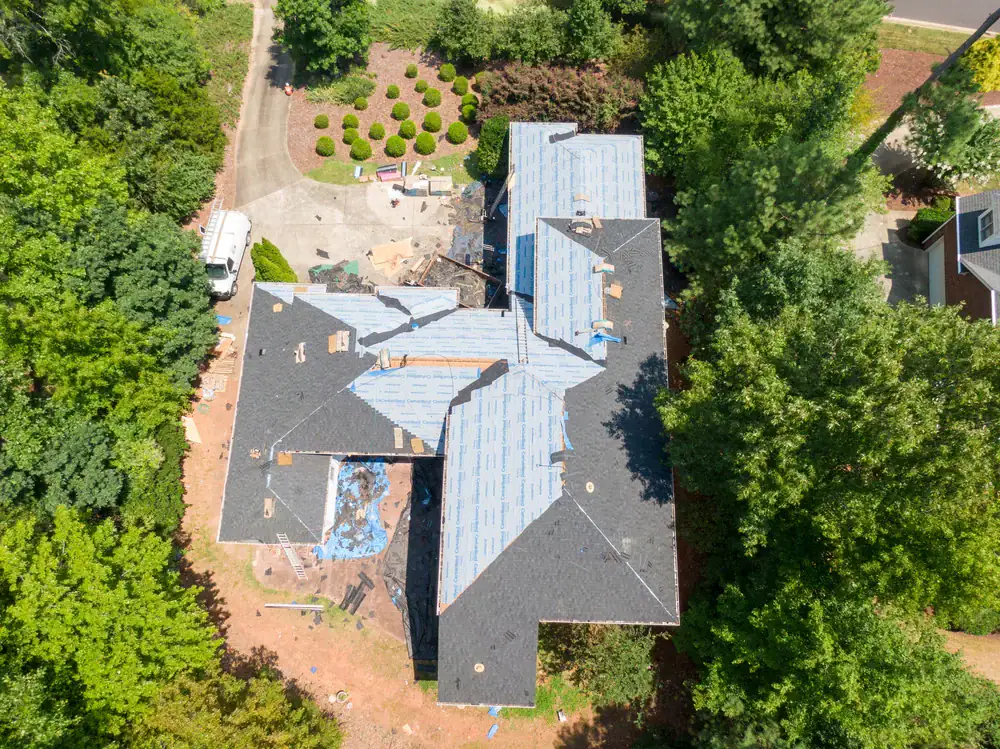
Aerial view of a residential roof undergoing commercial roofing repairs in Acton, California.
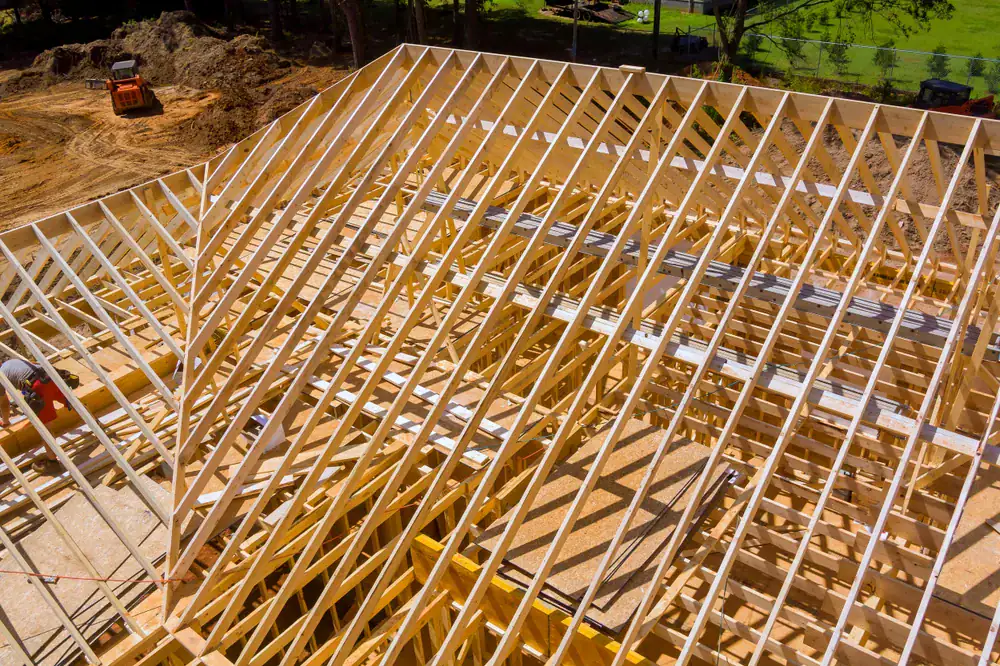
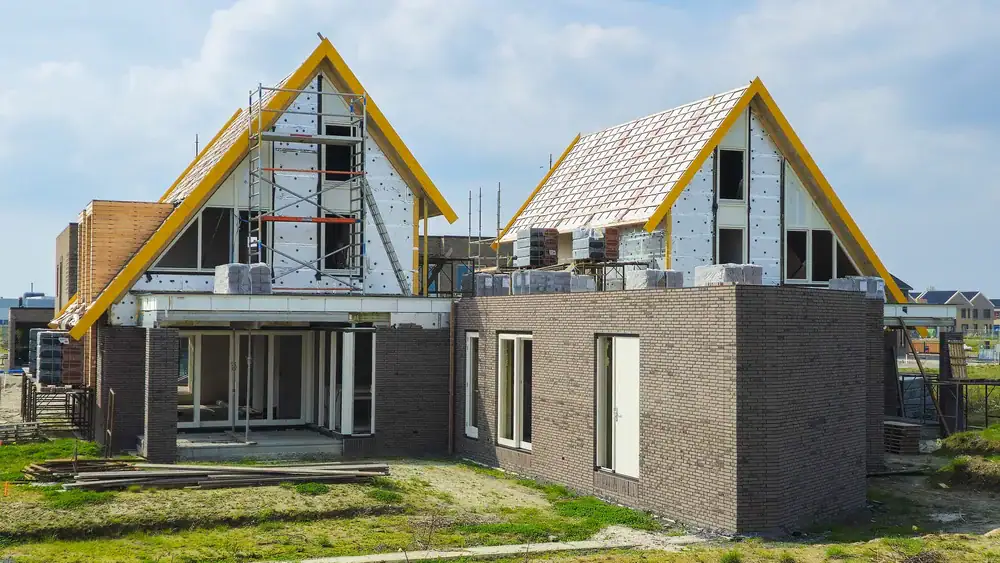
Roof framing under construction in Acton, CA for a commercial building.

Commercial Roof Maintenance in Lawndale

What Happens When Your Roof Actually Works

You’re not worrying about the next leak during a rainstorm. Your insurance carrier has every document they need. Your cooling costs drop because your roof meets Title 24 cool roof standards instead of absorbing heat all day.

That’s what a properly installed and maintained commercial roof does. It protects your building, your budget, and your peace of mind without constant emergency calls.

When you work with a C-39 licensed contractor who’s factory-certified and actually answers the phone, your roof becomes one less thing on your list. You get a system designed for California’s sun exposure, installed by crews who’ve been doing this for decades, backed by manufacturer warranties that mean something. Your tenants stay comfortable. Your property value holds. And when you need documentation for insurance or compliance, it’s already done.

Lawndale Commercial Roofing Experts

We've Been Roofing LA County for Decades

We hold an active C-39 roofing specialty license and carry $2 million in liability coverage. Our crews aren’t subcontractors—they’re factory-certified employees who’ve been with us for years, working on commercial properties throughout Los Angeles County.

We’re a family business rooted in Lawndale and the surrounding South Bay area. That means when you call, you’re talking to people who know the local building codes, understand Title 24 requirements that went into effect in 2026, and have relationships with inspectors and manufacturers.

You’ll find us on the Better Business Bureau with a clean record. Our work gets documented with photos and reports—not because we have to, but because property managers and insurance carriers need that paper trail. We show up when we say we will, and we call back.

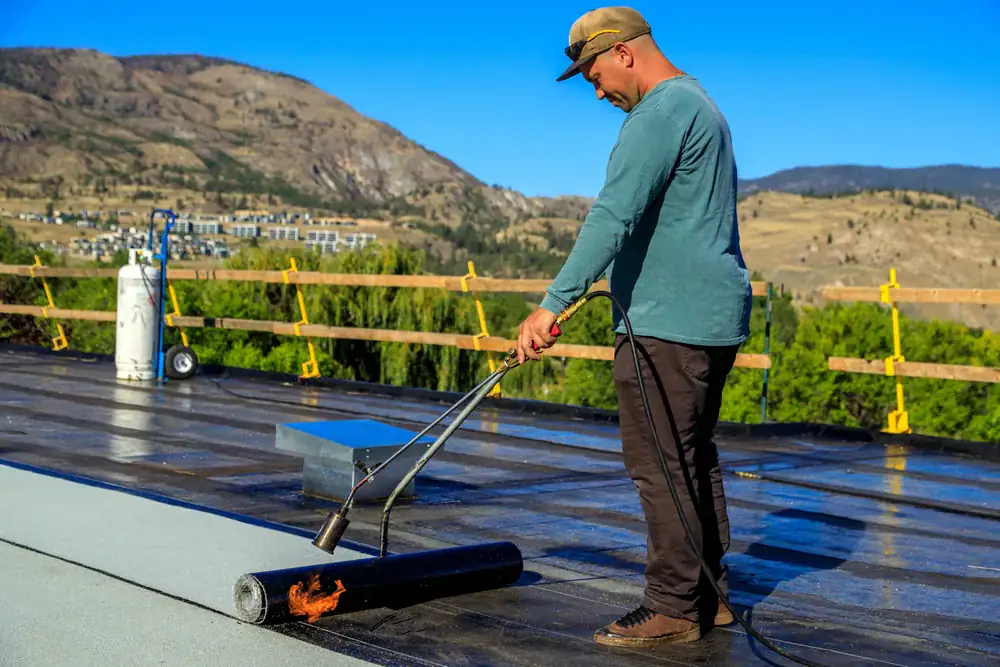
Professional roofing contractor applying roofing membrane on commercial roof in Acton, CA.

Our Commercial Roofing Process

Here's How We Handle Your Commercial Roof

First, we inspect your existing roof and document everything with photos. You get a written report that breaks down what’s failing, what’s salvageable, and what your options are. If you’re dealing with an insurance claim, this documentation goes straight to your carrier.

Next, we walk you through material options—TPO, PVC, or cool roof restoration—based on your building type, budget, and Title 24 compliance needs. We pull permits, coordinate with your property schedule, and keep disruption minimal. Our crews arrive on time, complete the work in phases if needed, and clean up daily.

After installation, you receive warranty documentation from both us and the manufacturer. We provide a maintenance schedule so you know when to call for inspections. And if something goes wrong—a storm, a leak, ponding water—we respond fast. You’re not left waiting days for a callback while water damages your interior.

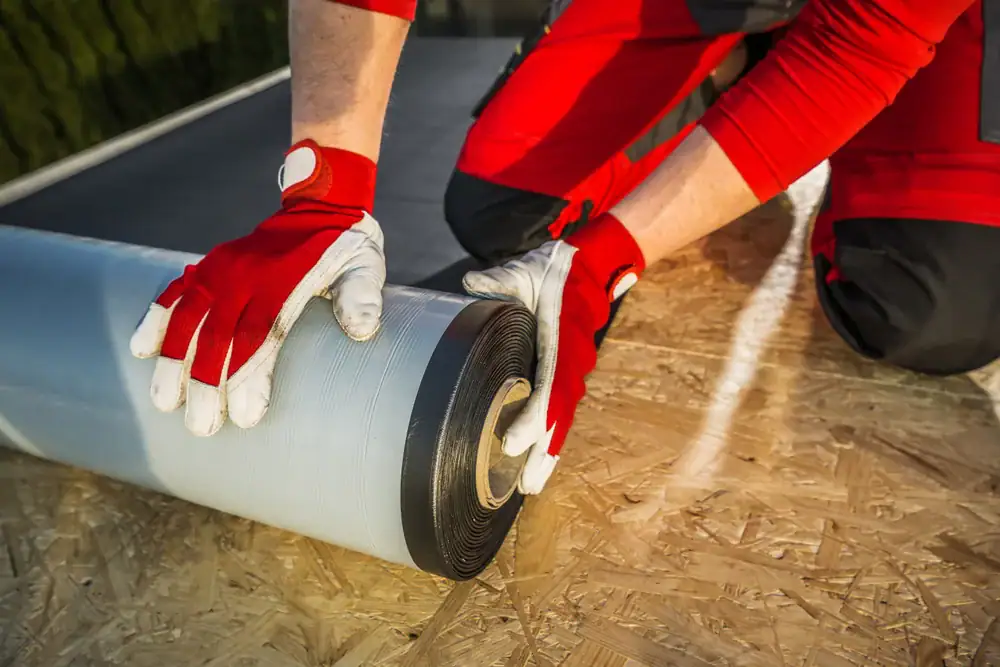
Roofing membrane installation for commercial building in Acton, CA.

Explore More Services

About Royal Roofing Company

Flat Roof Systems and TPO Roofing

What You're Actually Getting From This Service

You’re getting a commercial roofing system designed for Lawndale’s climate—intense sun, occasional storms, and year-round UV exposure. That means cool roof coatings or membranes that meet California’s Solar Reflectance Index requirements and reduce your cooling costs by 10-30%.

For flat roof systems, we install TPO and PVC membranes that last 25-35 years with proper maintenance. These aren’t budget materials that fail in five years. They’re single-ply systems that handle thermal expansion, resist chemicals, and carry Class A fire ratings—critical in a state where wildfire risk affects insurance rates and building codes.

You also get Title 24 compliance handled correctly. The 2025 Building Energy Efficiency Standards became mandatory January 1, 2026, with stricter cool roof requirements for low-slope commercial roofs. We know which materials meet the code and which manufacturers provide the documentation your inspector needs. If you’re managing multiple properties, we keep consistent standards and records across your entire portfolio. One point of contact, one set of standards, one documented history.

New commercial roofing installation on modern buildings in Acton, CA.

What's the difference between TPO and PVC roofing for commercial buildings?

TPO dominates the commercial roofing market at 37% because it’s flexible, resistant to chemicals, and costs less upfront. It handles thermal movement well and reflects sunlight to meet Title 24 cool roof standards. You’ll see TPO on warehouses, retail centers, and office buildings across Lawndale.

PVC holds 28% of the market and costs more, but it lasts longer—often 30-35 years versus TPO’s 20-25 years. PVC resists grease, oils, and harsh chemicals better, making it the right choice for restaurant roofs or industrial facilities. It’s also more fire-resistant and handles ponding water without degrading as quickly.

The decision comes down to your building use, budget, and how long you plan to own the property. If you’re managing a multi-tenant commercial building with restaurant tenants, PVC makes sense. If you’re covering a standard office or retail space, TPO delivers solid performance at a lower cost.

Look at three things: age, leak frequency, and membrane condition. If your roof is under 15 years old and you’re seeing isolated leaks around flashings or penetrations, restoration usually works. We can apply a cool roof coating system that seals the membrane, meets Title 24 compliance, and extends the roof’s life another 10-15 years.

If your roof is over 20 years old with multiple leak points, widespread membrane cracking, or ponding water that won’t drain, replacement makes more financial sense. Patching an old system just delays the inevitable and costs more over time in emergency repairs and interior damage.

During our inspection, we’ll document the membrane condition, check for moisture in the insulation, and test drainage. You’ll get photos and a written assessment that shows exactly what’s failing. That report helps you make the call—and it’s useful for insurance carriers or lenders who need proof before approving capital expenses.

California’s 2025 Building Energy Efficiency Standards took effect January 1, 2026, with elevated Solar Reflectance Index requirements for commercial low-slope roofs. If you’re replacing a roof or building new construction, your roofing material must reflect a specific percentage of solar energy and meet minimum thermal emittance standards.

For most commercial flat roofs in Lawndale, that means white or light-colored TPO, PVC, or cool roof coatings. Dark membranes don’t meet the code anymore unless they’re specifically rated. Your contractor needs to provide product data sheets showing the material’s SRI rating, and your inspector will verify compliance before signing off.

Non-compliance isn’t just a code violation—it affects your building’s energy performance, your utility costs, and potentially your insurance rates. We handle the documentation and material selection so you’re not stuck mid-project with a failed inspection. The right materials cost about the same as non-compliant ones, so there’s no reason to cut corners and risk a stop-work order.

Most commercial roof replacements in Lawndale take 3-10 days depending on building size, roof complexity, and weather. A 10,000 square foot flat roof on a single-story office building usually takes 4-5 days. Larger industrial facilities or multi-building properties take longer and get phased to minimize disruption.

We schedule work around your operations. If you can’t have noise or activity during business hours, we work evenings or weekends. If you have temperature-sensitive tenants or inventory, we phase the tear-off so your HVAC system isn’t compromised. Most businesses stay fully operational during installation.

The biggest disruption is usually noise during tear-off and the smell from hot asphalt if we’re working with modified bitumen. TPO and PVC installations are quieter and don’t involve hot kettles. We coordinate with your property manager, notify tenants in advance, and keep the site clean daily. You’re not dealing with debris piles or safety hazards in your parking lot.

Yes, and documentation is half the battle with commercial roof insurance claims. When we inspect your roof after storm damage or a leak, we photograph everything—damaged membrane, failed flashings, water intrusion points, interior damage. You get a written report with those photos that goes directly to your insurance carrier.

Most carriers want proof that the damage was sudden and accidental, not deferred maintenance. Our reports document the difference. We note pre-existing wear versus new storm damage, show code compliance issues if they exist, and provide material specifications for replacement. That documentation speeds up claims and reduces back-and-forth with adjusters.

We also work directly with adjusters during site visits. They need someone who speaks their language and understands what they’re looking for. We’re not inflating claims or fighting for unnecessary work—we’re documenting legitimate damage and providing accurate estimates. That protects you and keeps the claim process moving so you’re not waiting months for approval while your building leaks.

Twice-yearly inspections catch 90% of problems before they become leaks. We check drains and scuppers for debris, inspect membrane seams and flashings for separation, look for ponding water that doesn’t drain within 48 hours, and document any punctures or surface damage. Spring and fall are ideal—before summer heat and before winter storms.

Between inspections, your property manager should walk the roof after major storms to check for debris or obvious damage. Clear drains monthly if you have trees nearby. Don’t let HVAC contractors or other trades walk on the roof without protection—foot traffic damages membranes over time.

Most commercial roofs fail prematurely because of deferred maintenance, not material defects. A $300 inspection twice a year prevents $15,000 emergency repairs. We provide a maintenance schedule after installation and send reminders when inspections are due. You’re not guessing when to call or wondering if something’s wrong—you have a documented maintenance history that protects your warranty and extends your roof’s lifespan.

Other Services we provide in Lawndale