State Licensed “SINCE 1982”

CSLB C-39 #432352

Full Workers Comp. & $2M Liability Insurance
OUR EMPLOYEE ROOFERS ARE FACTORY CERTIFIED
*Serving most of Southern California*
State Licensed “SINCE 1982” CSLB C-39 #432352
Full Workers Comp. & $2M Liability Insurance
OUR EMPLOYEE ROOFERS ARE FACTORY CERTIFIED.

*Serving most of Southern California*

Commercial Roofing Contractor in Littlerock, CA

Desert-Tested Roofing That Protects Your Investment

We’re a factory-certified commercial roofing contractor serving Littlerock since 1982, with crews who understand what extreme heat and desert storms do to your building.
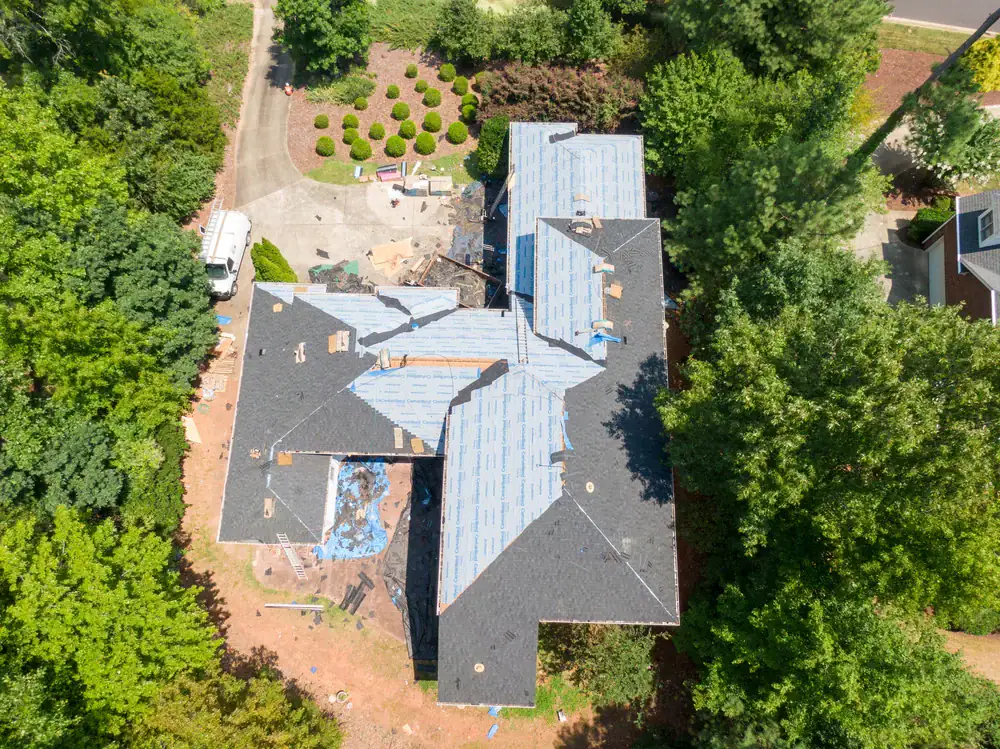
Aerial view of a residential roof undergoing commercial roofing repairs in Acton, California.
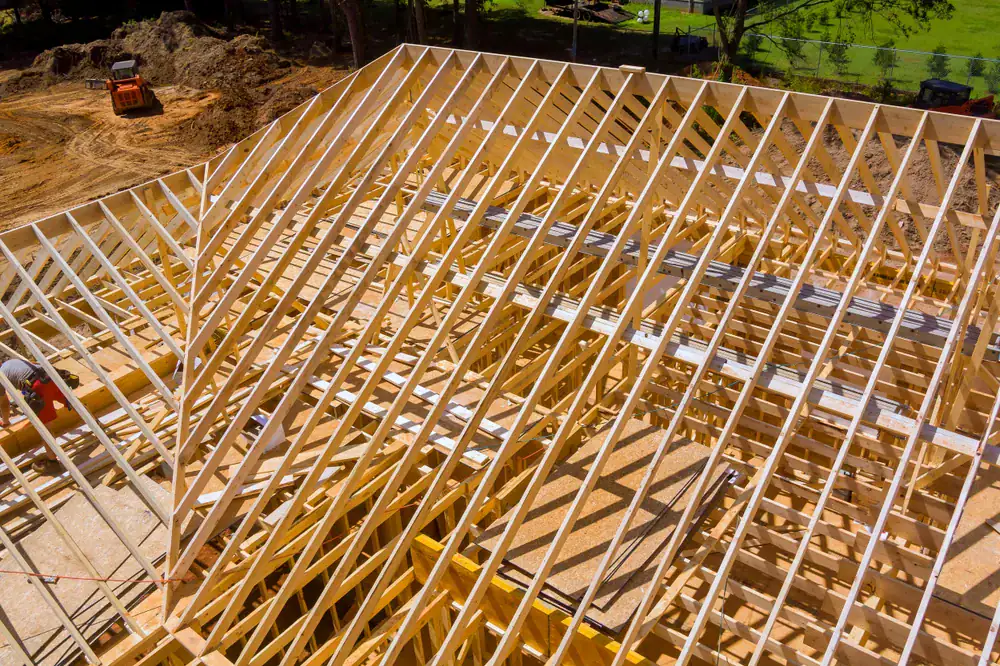
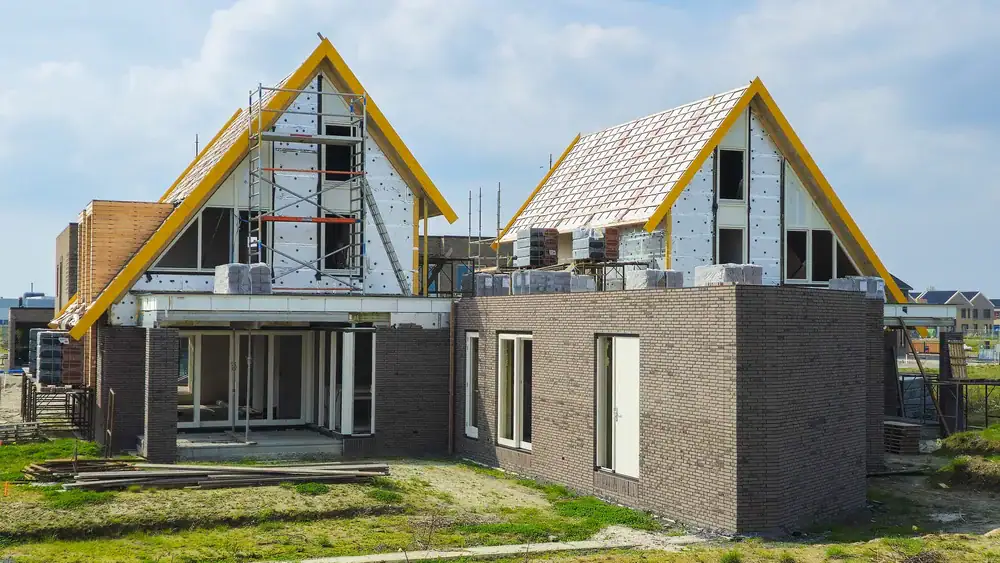
Roof framing under construction in Acton, CA for a commercial building.

Commercial Roof Systems in Littlerock, CA

Your Building Protected, Your Energy Costs Down

You’re managing a commercial property in Littlerock, which means you’re dealing with temperature swings that crack sealants, UV exposure that degrades materials faster than anywhere else, and the occasional desert storm that tests every weak point in your roof. When your HVAC is running overtime because your roof is absorbing heat instead of reflecting it, that’s money leaving your budget every month.

A properly installed commercial roof system does more than keep water out. It cuts your cooling costs by 10-25% when you’re using reflective or metal roofing that meets California’s Title 24 requirements. It stops those emergency calls about ceiling stains and water damage. It means you’re not explaining to tenants why their space is uncomfortable or dealing with mold remediation because someone cut corners on installation.

The difference between a roof that lasts 15 years and one that needs repairs every few seasons comes down to who installed it and whether they understand desert climate roofing. You need TPO and PVC roofing systems installed by factory-certified crews who’ve been doing this work in Los Angeles County since 1982, not a contractor learning on your building.

Trusted Roofing Contractor Serving Littlerock

Four Decades Serving Los Angeles County Properties

We’ve been handling commercial roofing projects across Los Angeles County since 1982. That’s over 40 years of watching buildings age, seeing which systems hold up in Littlerock’s climate, and learning what actually works versus what sounds good in a sales pitch.

We hold California State License C-39 #432352, carry full workers compensation insurance, and maintain $2 million in liability coverage because you shouldn’t have to worry about what happens if something goes wrong on your property. Our crews are factory-certified by GAF, CertainTeed, and Owens Corning, which means they’re trained on the specific systems we install and you get access to enhanced manufacturer warranties.

Eighty-six percent of our work comes from referrals. Property managers in Littlerock and throughout the Antelope Valley call us when they need flat roof systems, industrial roofing solutions, or Title 24 cool roof restoration because they’ve seen our work on neighboring buildings or heard from other facility managers that we show up, do the job right, and answer the phone years later when they need service.

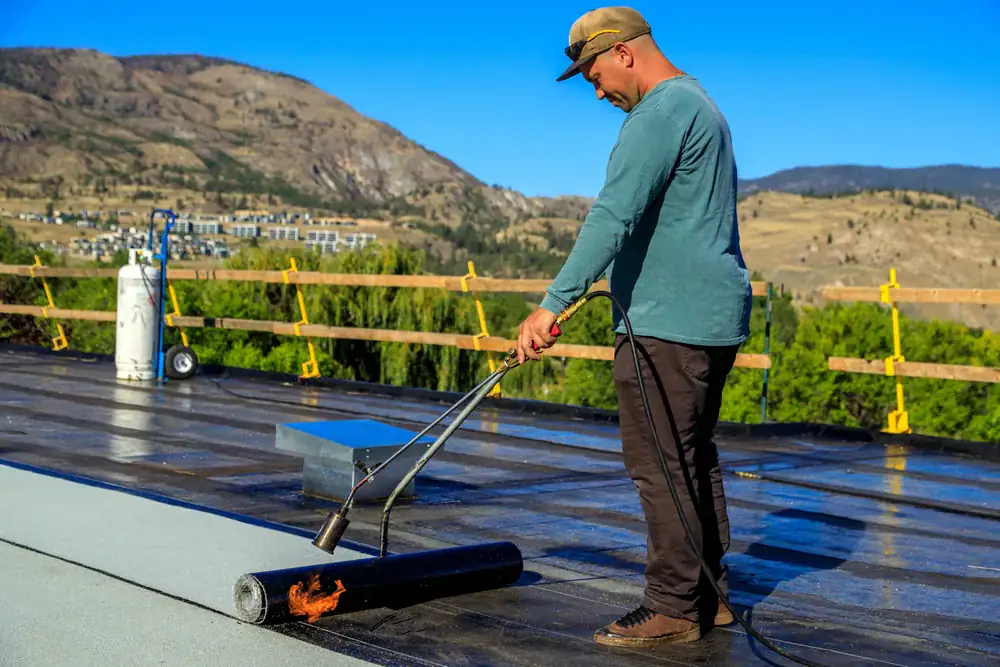
Professional roofing contractor applying roofing membrane on commercial roof in Acton, CA.

Commercial Roofing Process in Littlerock

What Happens From Inspection to Final Walkthrough

You call us or submit a request, and we schedule an inspection of your commercial roof. We’re looking at the current system, checking for damage, measuring the scope of work, and identifying any underlying issues that need attention before we install new roofing. If you’re dealing with an insurance claim, we document everything with photos and detailed notes.

Once we’ve assessed your roof, you get a clear proposal that outlines what we’re doing, which materials we’re using, and what the timeline looks like. No surprises, no vague language about “solutions” that could mean anything. We explain whether you need a full replacement, a restoration, or targeted repairs, and why.

When we start work, our factory-certified crews handle the installation using materials designed for desert climates. We’re coordinating with your schedule to minimize disruption, managing permits and inspections to keep everything compliant with California building codes, and keeping you updated on progress. After installation, we walk the roof with you, explain your warranty coverage, and set up a commercial roof maintenance plan if that makes sense for your property.

If you need emergency commercial roofing repair because of storm damage or an unexpected leak, we respond 24/7. We’re not waiting until Monday morning when water is coming through your ceiling on a Saturday night.

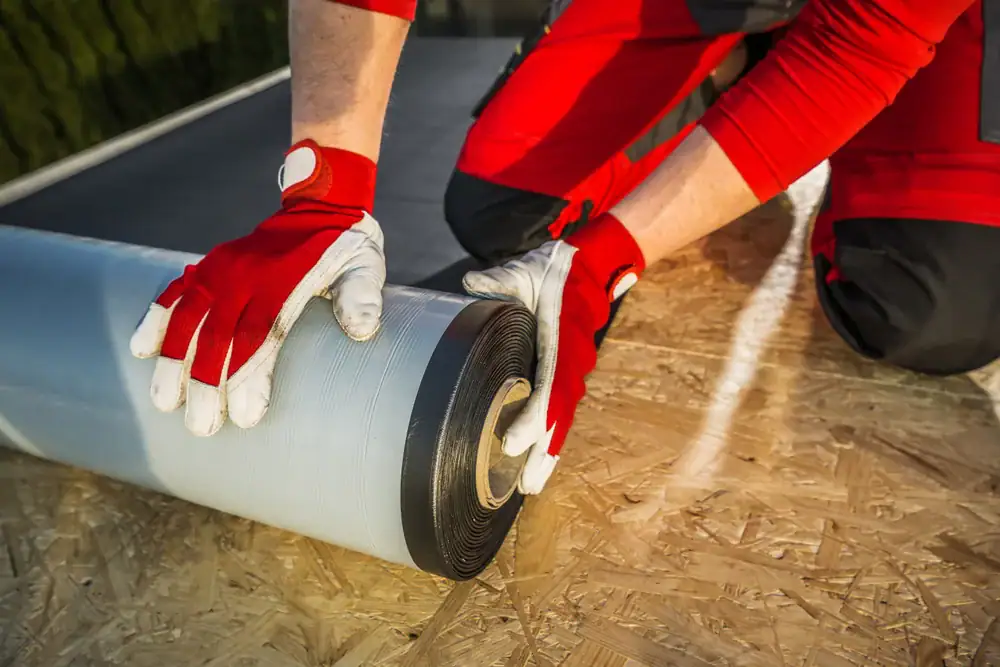
Roofing membrane installation for commercial building in Acton, CA.

Explore More Services

About Royal Roofing Company

Industrial Roofing Solutions for Littlerock Buildings

What's Included in Commercial Roof Installation

When we handle your commercial roofing project in Littlerock, you’re getting a complete system designed for this specific climate. That means TPO and PVC roofing materials that reflect heat instead of absorbing it, proper insulation that meets Title 24 cool roof requirements, and installation techniques that account for the temperature swings your building experiences between day and night.

We’re installing flat roof systems on warehouses, retail centers, office buildings, and industrial facilities throughout the Antelope Valley. Each project includes thorough surface preparation, proper drainage planning so water doesn’t pool on your roof, and flashing details that prevent leaks around penetrations and edges. You get manufacturer warranties on materials plus our workmanship guarantee.

For properties that don’t need full replacement yet, we offer Title 24 cool roof restoration that brings your existing roof into compliance with California’s energy efficiency standards while extending its lifespan. We also set up commercial roof maintenance programs that catch small issues before they become expensive problems. Regular inspections, minor repairs, and preventive work cost a fraction of what you’ll spend on emergency fixes or premature replacement.

Littlerock’s desert climate is tough on roofing materials. You’re dealing with extreme UV exposure, thermal expansion and contraction, and occasional heavy rains that test every seam. The commercial roofing systems we install here are specifically chosen because they hold up under these conditions, not because they’re the cheapest option or what we happen to have in stock.

New commercial roofing installation on modern buildings in Acton, CA.

How long does a commercial roof typically last in Littlerock's climate?

It depends entirely on the roofing system and who installed it. A properly installed TPO or PVC roofing system on a commercial building in Littlerock should give you 20-30 years. Metal roofing can last 40+ years. Built-up roofing and modified bitumen systems typically last 15-25 years when they’re maintained.

But here’s what actually determines lifespan: installation quality and maintenance. A roof installed by crews who don’t understand desert climate challenges—thermal movement, UV degradation, proper fastening for wind uplift—will fail early no matter what materials you use. And any commercial roof that doesn’t get regular inspections and minor repairs will develop leaks and damage that shorten its life.

The extreme temperature swings in Littlerock put stress on roofing materials. Your roof might hit 160°F during summer days and drop to 40°F at night. That expansion and contraction loosens fasteners, cracks sealants, and opens seams if the system wasn’t designed and installed to handle it. Factory-certified installation matters because crews trained on specific systems know how to account for these conditions.

Both are single-ply membrane systems that work well on flat or low-slope commercial roofs in Littlerock, but they have different strengths. TPO (thermoplastic polyolefin) is heat-reflective, cost-effective, and handles temperature extremes well. It’s a solid choice for most commercial applications and meets California’s cool roof requirements. PVC (polyvinyl chloride) is more expensive but offers better chemical resistance and longer warranties.

If your building has HVAC equipment, kitchen exhaust, or other sources of oils and chemicals on the roof, PVC holds up better to that exposure. It’s also more flexible in cold weather, though that’s less of a concern in Littlerock’s climate. Both materials are heat-welded at the seams, which creates watertight bonds stronger than adhesive or mechanical fastening alone.

For most commercial properties in the Antelope Valley, TPO gives you the performance you need at a better price point. But if you’re running a restaurant, industrial facility, or any operation where chemicals might contact your roof, PVC is worth the extra investment. We’ll walk your roof and look at what’s actually happening up there before recommending one over the other. The right choice depends on your specific building and how it’s used, not which material has a better sales pitch.

Yes, if you’re doing a roof replacement or recovering more than 50% of your existing roof area in California. Title 24 is the state’s energy code, and it requires commercial roofs to meet minimum solar reflectance and thermal emittance standards—basically, your roof needs to reflect heat instead of absorbing it. This reduces cooling loads and energy consumption.

For commercial buildings in Littlerock, meeting Title 24 isn’t just about compliance. It directly impacts your operating costs. A cool roof that meets these standards can reduce your air conditioning expenses by 10-25% compared to a dark, heat-absorbing roof. When you’re running cooling systems through Antelope Valley summers, that’s real money staying in your budget instead of going to the utility company.

The specific requirements depend on your roof slope, climate zone, and building type. Littlerock falls under Climate Zone 14, which has particular standards for commercial roofing. We handle the compliance documentation, testing, and certification as part of your roofing project. You don’t need to become an expert in California energy code—you just need a contractor who already is and who pulls the right permits so your work passes inspection the first time.

We offer 24/7 emergency response throughout Littlerock and Los Angeles County. When you call with an active leak or storm damage, we’re mobilizing to get someone to your property as quickly as possible—often within hours, depending on the situation and our current emergency queue.

Emergency response means we’re doing whatever it takes to stop water intrusion and protect your building contents right now. That might be tarping, temporary patching, or immediate repairs to get you through until we can schedule permanent work. We’re not making you wait until Monday morning while water damages your inventory, equipment, or tenant spaces.

Desert storms in the Antelope Valley can be intense when they hit. High winds, sudden heavy rain, and hail can all damage commercial roofing systems. If you’re dealing with an emergency during business hours or at 2 AM on Sunday, the response is the same—we answer the phone, assess the situation, and get a crew moving. We’ve been doing this since 1982, which means we have the crew depth and equipment to handle emergencies without leaving you waiting while we finish other jobs. Keep our number saved. When you need emergency commercial roofing repair, you need someone who actually picks up and shows up.

Real commercial roof maintenance means regular inspections where we’re walking your roof, checking all the vulnerable points, and catching problems while they’re still small. We’re looking at seams, flashing around penetrations, drainage areas, HVAC equipment curbs, and anywhere water could potentially enter. We’re clearing drains and gutters, removing debris that holds moisture against your roofing membrane, and checking for any damage from foot traffic or equipment.

When we find issues—and we usually do, because roofs take constant abuse from weather and use—we handle minor repairs on the spot. A small crack in sealant, a loose fastener, a seam starting to separate—these are quick fixes during a maintenance visit. Ignore them for a year or two, and they become leaks that require major repairs or even section replacement.

Most commercial properties in Littlerock should have roof inspections at least twice a year: once before summer heat really hits, and once after monsoon season. Buildings with more roof traffic, older systems, or previous problem areas might need quarterly inspections. We document everything with photos and reports so you have records of your roof’s condition over time. That documentation is valuable if you ever need to file an insurance claim or when you’re planning for eventual replacement. Maintenance programs cost a fraction of what you’ll spend on emergency repairs and premature roof failure. You’re extending your roof’s lifespan and avoiding the headaches that come with unexpected leaks.

It depends on what’s actually wrong with your roof and how much life is left in the system. If you’re dealing with isolated damage—storm impact, a section with problems, leaks in one area—and the rest of your roof is in decent shape, repairs make sense. If your roof is near the end of its expected lifespan, has widespread deterioration, or you’re doing frequent repairs that keep adding up, replacement is the smarter investment.

Here’s how to think about it: a commercial roof that’s 5-10 years old with localized damage is worth repairing. A roof that’s 20+ years old with multiple problem areas, visible wear across the whole surface, and a history of leaks is telling you it’s time for replacement. Continuing to patch an old, failing roof means you’re spending money on temporary fixes while water damage continues behind the scenes.

We’ll give you an honest assessment after inspecting your roof. Sometimes Title 24 cool roof restoration is the middle option—you’re not doing full replacement, but you’re applying a reflective coating system that extends life, brings you into energy code compliance, and costs significantly less than tearing off and replacing everything. The right answer depends on your roof’s current condition, your budget, and how long you plan to own the property. We’re not pushing you toward the most expensive option. We’re showing you what’s actually happening on your roof and explaining what each approach gets you, so you can make the decision that makes sense for your situation.

Other Services we provide in Littlerock