State Licensed “SINCE 1982”

CSLB C-39 #432352

Full Workers Comp. & $2M Liability Insurance
OUR EMPLOYEE ROOFERS ARE FACTORY CERTIFIED
*Serving most of Southern California*
State Licensed “SINCE 1982” CSLB C-39 #432352
Full Workers Comp. & $2M Liability Insurance
OUR EMPLOYEE ROOFERS ARE FACTORY CERTIFIED.

*Serving most of Southern California*

Commercial Roofing Contractor in Placentia, CA

Your Roof Protects Everything Below It

When your commercial roof fails, operations stop, costs spike, and your property value drops. We keep Placentia businesses covered with flat roof systems built to last.
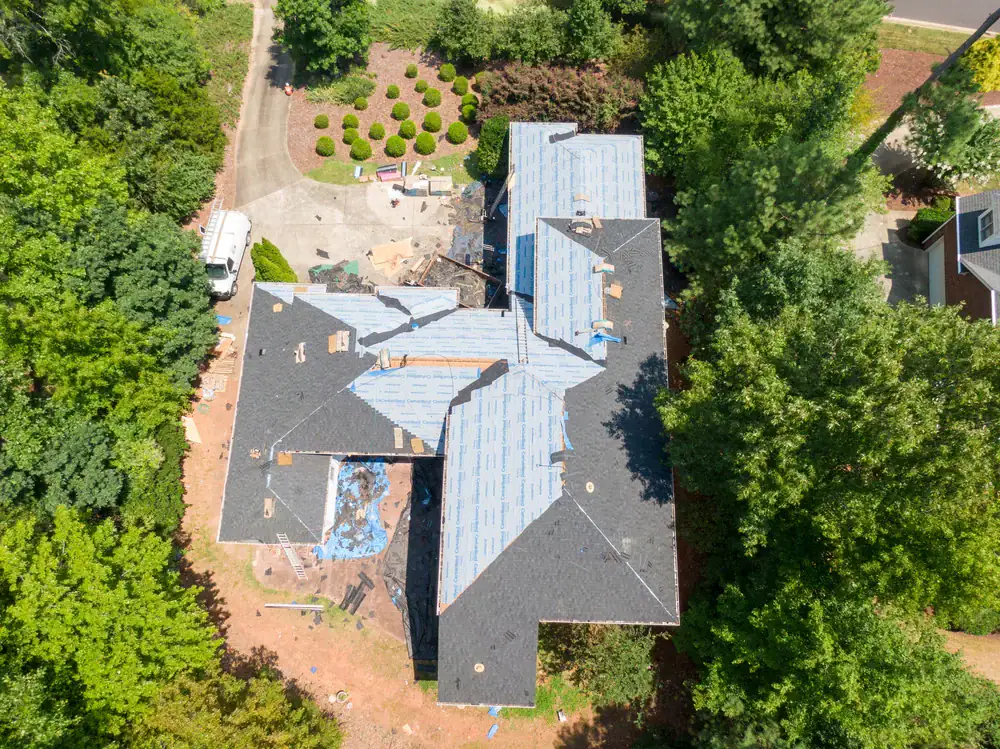
Aerial view of a residential roof undergoing commercial roofing repairs in Acton, California.
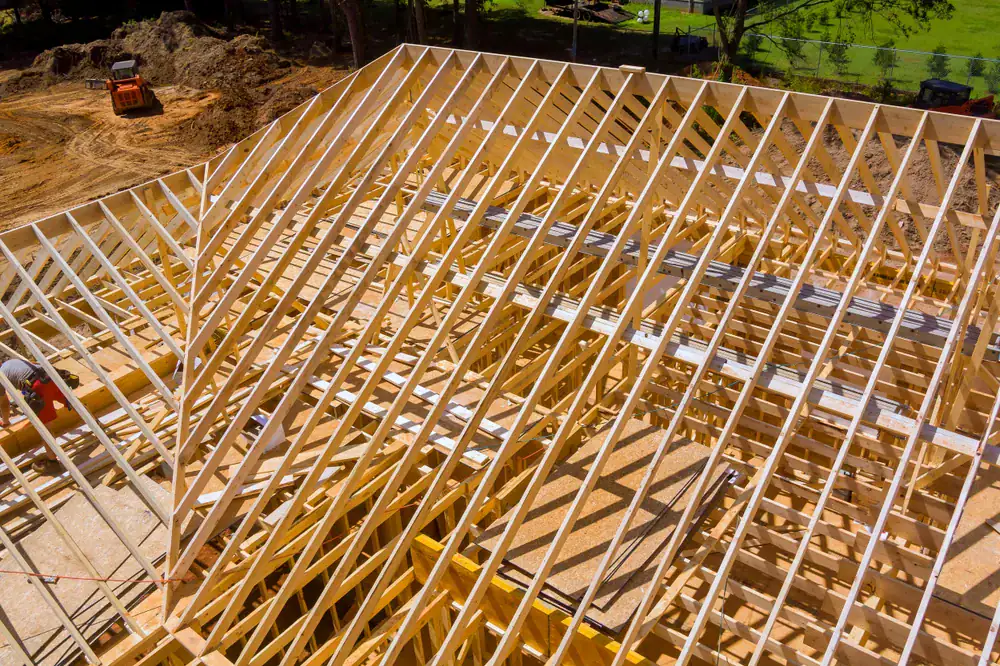
Roof framing under construction in Acton, CA for a commercial building.

Commercial Roof Maintenance in Placentia

Stop Paying for Emergency Repairs

You’re managing a property, not babysitting a roof. But when leaks show up during heavy rainfall or your energy bills climb because your roof can’t reflect heat anymore, that roof becomes your problem fast.

A commercial roof that actually works means your HVAC isn’t fighting the sun all day. It means you’re not scrambling to move equipment when water starts dripping through the ceiling. It means your insurance company isn’t questioning your maintenance records after storm damage.

In Placentia, where temperatures regularly hit the high 80s and 90s during summer and Santa Ana winds can rip through without warning, your roof takes a beating. TPO and PVC roofing systems with proper cool roof compliance don’t just meet California’s Title 24 standards—they cut your cooling costs by 10 to 25 percent. That’s real money back in your operating budget, year after year.

Placentia Commercial Roofing Experts

We've Been Doing This Since Before Cool Roofs Were Mandated

We’ve spent decades working on commercial properties across Los Angeles County and Orange County. We hold a C-39 specialty roofing license, factory certifications from major manufacturers, and an A+ rating with the Better Business Bureau—not because we paid for it, but because we’ve earned it through consistent work.

Our crews aren’t rotating contractors picked up for a single job. These are the same people who’ve been with us for years, which means the quality you see on day one is what you get through completion. We document every project with photos because transparency isn’t optional when you’re responsible for someone else’s property.

Placentia sits in the heart of Orange County’s commercial corridor, with businesses ranging from industrial facilities near the 57 Freeway to retail centers serving local communities. We know this market because we’ve been roofing it for years—hot mop systems, flat roof repairs, Title 24 cool roof restoration, and full commercial roof replacements.

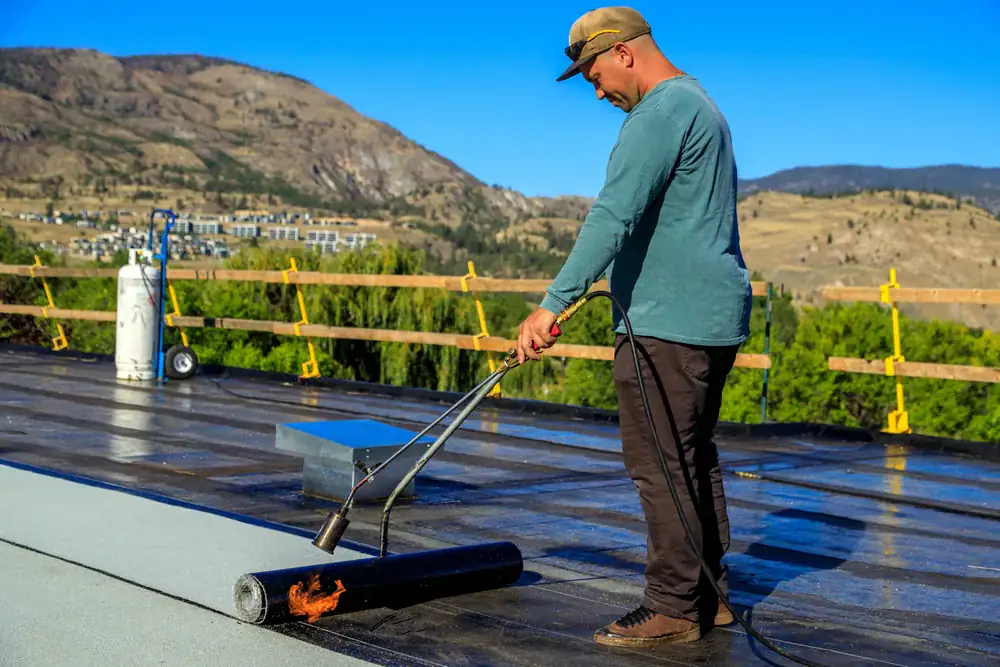
Professional roofing contractor applying roofing membrane on commercial roof in Acton, CA.

Commercial Roofing Process in Placentia

Here's What Happens When You Call

First, we inspect your roof—not from the ground, but actually on it. We’re looking for ponding water, membrane deterioration, flashing failures, and whether your current system meets Title 24 cool roof requirements. You get photos of what we find and a breakdown of what needs attention now versus what can wait.

If you’re filing an insurance claim, we document everything your carrier will ask for. Wind damage, storm impact, wear patterns—we’ve done this enough times to know exactly what adjusters need to see. No surprises, no back-and-forth because paperwork was incomplete.

Once we start work, you’ll see the same crew every day until the job’s done. We’re not bouncing between five projects. For flat roof systems and TPO or PVC installations, that means proper substrate prep, seam welding that actually holds, and flashing details that won’t fail in two years. When we’re finished, you get documentation for your records and a warranty that’s worth something because we’re still going to be here when you need us.

Roofing membrane installation for commercial building in Acton, CA.

Explore More Services

About Royal Roofing Company

Industrial Roofing Solutions in Placentia

What You're Actually Getting

Commercial roof maintenance in Placentia isn’t just about patching leaks. You need a roof system that handles thermal expansion when temperatures swing from cool mornings to blazing afternoons. You need materials that meet California’s strict energy codes without forcing you into a full replacement if your current roof still has life left.

We install and restore flat roof systems, TPO roofing, PVC membrane roofing, and Title 24-compliant cool roof coatings. These aren’t interchangeable options—each one fits specific building types, budgets, and performance requirements. A warehouse with HVAC units and heavy foot traffic needs different solutions than a retail center with minimal roof access.

Orange County’s commercial properties face unique challenges. You’re dealing with intense UV exposure year-round, occasional heavy rainfall that can overwhelm aging drainage systems, and Santa Ana wind events that test every seam and fastener. Add in Title 24 compliance requirements for cool roofs in climate zone 10, and you can’t just slap down any roofing material and call it done.

Energy-efficient roofing isn’t a luxury here—it’s a cost decision. Reflective roof membranes reduce surface temperatures by 50 degrees or more compared to traditional materials. That directly translates to lower cooling costs and longer-lasting HVAC equipment that isn’t running constantly to compensate for heat gain through your roof.

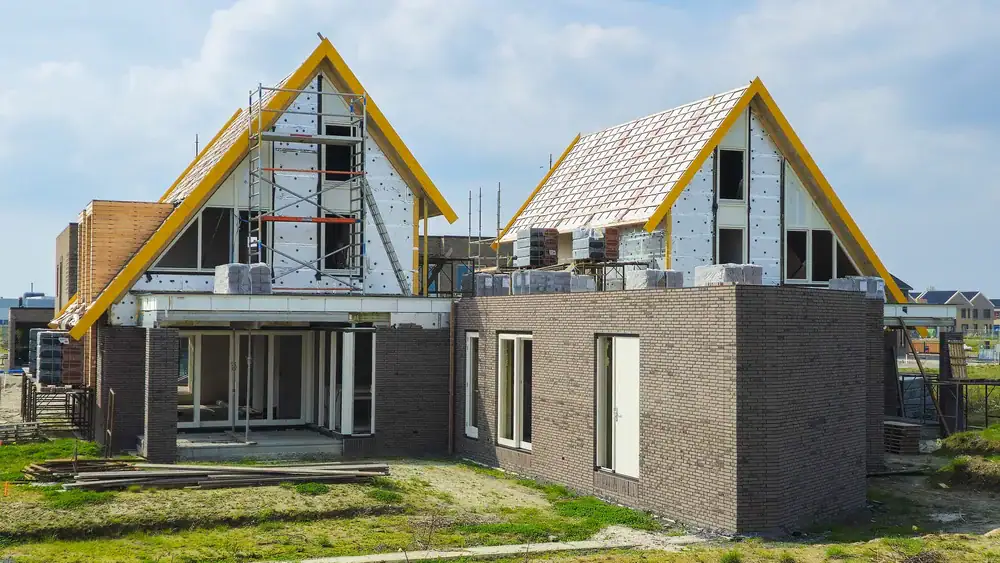
New commercial roofing installation on modern buildings in Acton, CA.

How do I know if my commercial roof needs repair or full replacement?

Look for water stains on your ceiling tiles, rising energy bills, or visible membrane damage during a roof inspection. But the real answer depends on how much of your roof is compromised.

If you’re seeing isolated leaks in one section and the rest of your membrane is intact, a repair makes sense. If you’re patching leaks every few months, your substrate is saturated, or your roof is over 20 years old, you’re throwing money at a system that’s already failed. A full replacement stops the cycle of emergency repairs and gives you a roof that actually performs.

We’ll walk your roof and show you exactly what’s happening. You’ll see photos of problem areas, and we’ll explain whether a repair buys you two years or two months. Then you decide what makes sense for your budget and timeline.

Title 24 is California’s energy code, and it requires commercial buildings in certain climate zones to have roofs that reflect sunlight and release heat. Placentia falls into climate zone 10, which means if you’re replacing or restoring your roof, you need to meet minimum solar reflectance and thermal emittance standards.

This isn’t just a regulatory checkbox. Cool roofs lower your building’s surface temperature, which reduces the load on your HVAC system. That cuts energy costs—typically 10 to 25 percent—and can extend the life of your cooling equipment because it’s not working as hard.

TPO and PVC roofing systems naturally meet Title 24 requirements because of their reflective white membranes. If you have an existing flat roof that’s still structurally sound, cool roof coatings can bring you into compliance without a full tear-off. We’ll test your current roof and tell you which option makes sense based on its condition and your building’s needs.

It depends on your building size, roof complexity, and what system we’re installing. A straightforward TPO installation on a 10,000-square-foot flat roof typically takes one to two weeks. Larger industrial facilities or buildings with multiple roof levels, heavy equipment, and complicated flashing details take longer.

Weather matters too. We’re not installing roofing membranes in the rain, and adhesive application requires specific temperature ranges to cure properly. In Placentia, our dry summers are ideal for roofing work, but we plan around occasional weather windows during winter months.

Before we start, you’ll get a timeline that accounts for your building’s specifics. We’re not going to tell you three days and then stretch it to three weeks. If your business needs roof access for HVAC maintenance or you have operational constraints, we’ll schedule around that. The goal is to get your roof done right without shutting down your operations.

Yes, if you’re replacing a dark, heat-absorbing roof with a cool roof system. The difference isn’t subtle—reflective TPO or PVC membranes can drop your roof surface temperature by 50 degrees or more compared to traditional built-up roofing or dark membranes.

That heat reduction means your HVAC system isn’t fighting solar gain all day. You’ll see the impact on your energy bills within the first summer, especially during Placentia’s hottest months when temperatures regularly hit the 90s. Commercial properties with older, non-reflective roofs often see cooling cost reductions between 10 and 25 percent after upgrading to Title 24-compliant systems.

The savings compound over time. You’re not just cutting monthly utility costs—you’re reducing wear on your HVAC equipment, which extends its lifespan and delays expensive replacements. If your roof is due for replacement anyway, choosing an energy-efficient system is one of the few building upgrades that actually pays you back.

Start by documenting the damage with photos and notes about when it occurred. If you had storm damage or wind events, note the date and conditions. Then contact your insurance carrier to open a claim before making any permanent repairs—temporary measures to prevent further damage are fine, but don’t start tearing off roofing material until your adjuster has seen it.

Your insurance company will send an adjuster to assess the damage. This is where detailed documentation matters. We’ve worked with enough commercial property claims to know what adjusters look for: wind uplift patterns, hail impact, membrane deterioration versus storm damage, and whether your roof was properly maintained.

We’ll provide the documentation your carrier needs—photos of damaged areas, material specifications, repair scope, and cost estimates that match insurance industry standards. If your adjuster pushes back or undervalues the damage, we can walk them through what’s required to properly restore your roof. The goal is to get your claim approved without months of back-and-forth because paperwork was incomplete or damage wasn’t documented correctly.

Both are single-ply thermoplastic membranes that meet Title 24 cool roof standards, but they’re not identical. TPO is typically more affordable and works well for most commercial applications—retail centers, office buildings, warehouses. It’s heat-welded at the seams, reflective, and holds up to Placentia’s sun exposure and temperature swings.

PVC costs more upfront but offers better chemical resistance and longer warranties. If your building has rooftop equipment that could leak oils or chemicals, or if you’re in an industrial setting with exhaust exposure, PVC is the better choice. It’s also more flexible in cold weather, though that’s less of a concern in Southern California.

The real decision comes down to your building’s specific conditions and budget. A standard commercial property with minimal rooftop traffic and no chemical exposure does fine with TPO. A facility with grease exhaust, heavy HVAC maintenance traffic, or a need for maximum durability should consider PVC. We’ll look at your roof and tell you which system makes sense—not which one has the highest profit margin for us.

Other Services we provide in Placentia