State Licensed “SINCE 1982”

CSLB C-39 #432352

Full Workers Comp. & $2M Liability Insurance
OUR EMPLOYEE ROOFERS ARE FACTORY CERTIFIED
*Serving most of Southern California*
State Licensed “SINCE 1982” CSLB C-39 #432352
Full Workers Comp. & $2M Liability Insurance
OUR EMPLOYEE ROOFERS ARE FACTORY CERTIFIED.

*Serving most of Southern California*

Commercial Roofing Contractor in Rolling Hills, CA

Your Roof Shouldn't Be Your Biggest Liability

We handle commercial roofing projects across Rolling Hills with the kind of attention most contractors reserve for their own buildings.
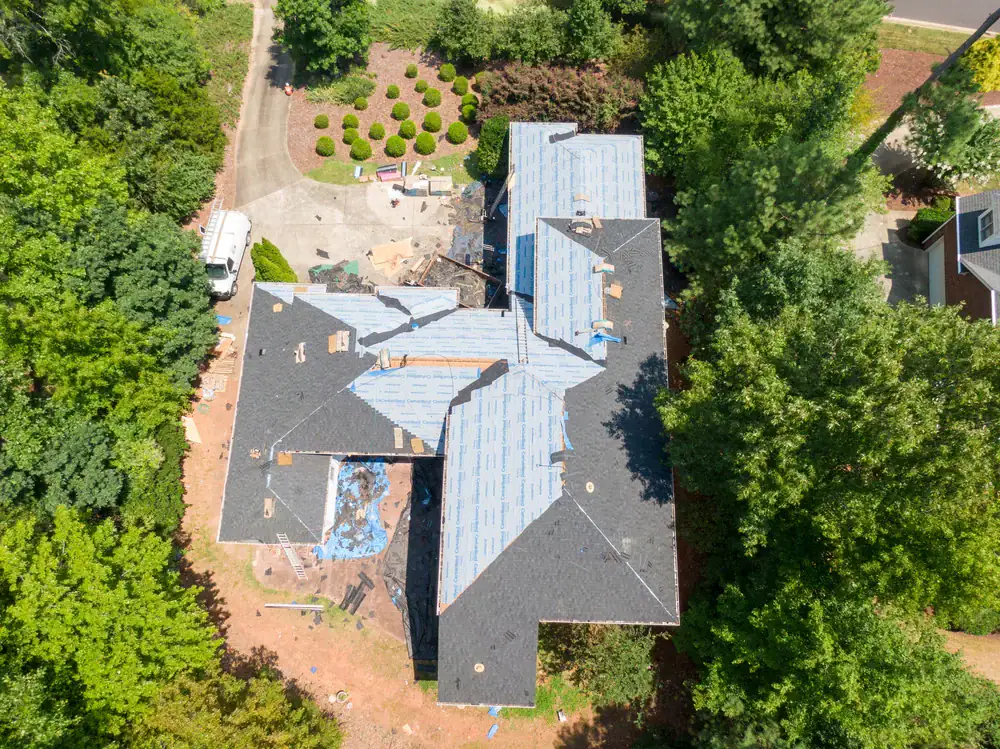
Aerial view of a residential roof undergoing commercial roofing repairs in Acton, California.
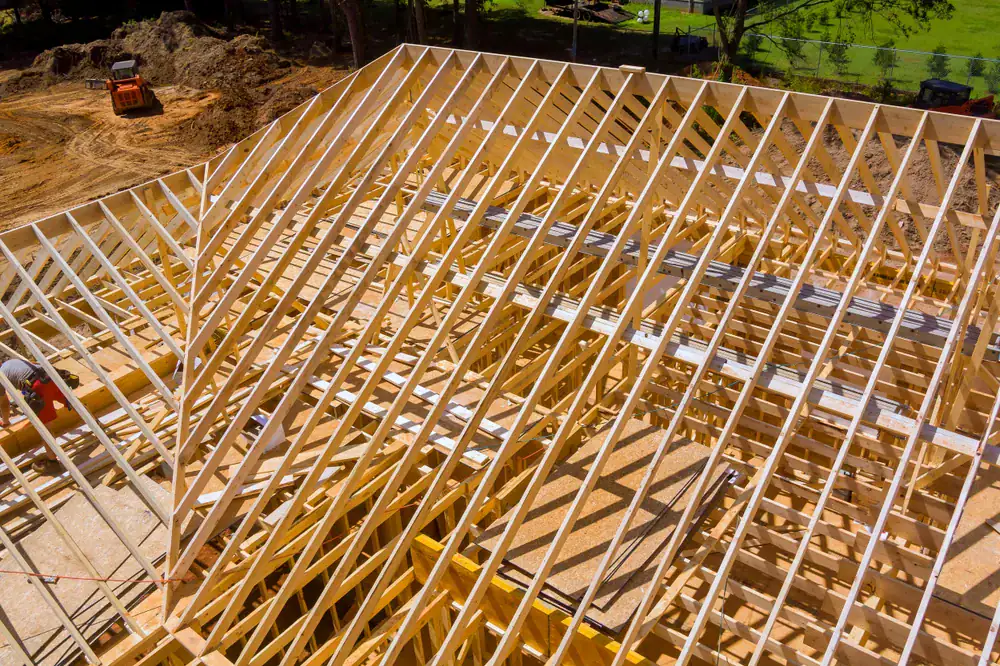
Roof framing under construction in Acton, CA for a commercial building.

Commercial Roof Systems Rolling Hills

What Happens When Your Roof Actually Works

You stop budgeting for emergency repairs. Your insurance claims get processed without back-and-forth. Your building stays compliant with Title 24 cool roof requirements without you having to become an expert in California energy codes.

A properly installed and maintained commercial roof means your HVAC isn’t working overtime in summer. It means you’re not scrambling to move equipment when a leak shows up during the rainy season. It means your property manager isn’t fielding tenant complaints about water stains or temperature issues.

The difference between a roof that works and one that doesn’t comes down to installation quality, material selection for your specific building, and whether someone’s actually checking on it before small problems turn expensive. That’s where most commercial property owners get stuck—they inherit a roof, hope it holds up, and react when it doesn’t.

Rolling Hills Commercial Roofing Experts

Three Generations of Doing This Right

We’ve been working on commercial and residential properties in Los Angeles County since before most of the buildings in Rolling Hills Estates were built. We’re a family business with a C-39 specialty license, factory certifications, and crews who’ve been with us for decades—not months.

That consistency matters when you’re dealing with flat roof systems, TPO and PVC installations, or Title 24 compliance work. You’re not getting a different crew every time or a contractor who disappears after the check clears.

Rolling Hills sits in one of the more particular markets in LA County. Property managers here expect documentation, insurance-compliant work, and contractors who understand what “low-profile” and “minimal disruption” actually mean. We’ve built our reputation on that standard, and our BBB A+ rating reflects it.

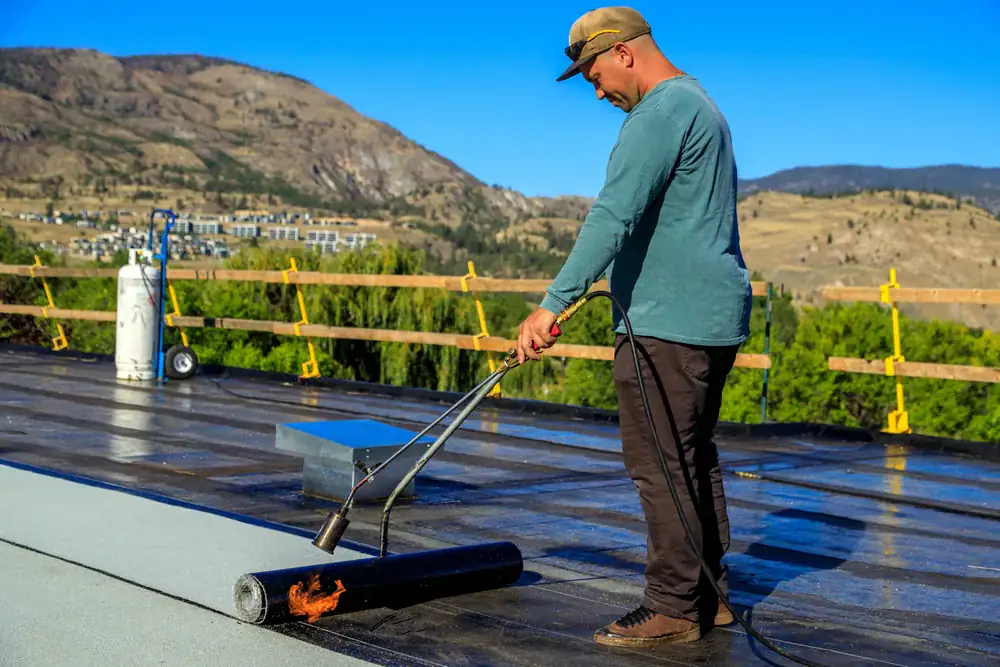
Professional roofing contractor applying roofing membrane on commercial roof in Acton, CA.

Our Commercial Roofing Process

Here's What Happens From Start to Finish

We start with an on-site inspection—not a quote over the phone. You need someone who’ll actually get on the roof, document what’s there, and explain what needs to happen in plain terms. We take photos, measure, and check for underlying issues most contractors miss until they’re mid-project.

From there, you get a detailed estimate that breaks down materials, labor, timeline, and any compliance requirements like Title 24 cool roof standards. No surprises, no vague line items. If your building needs a reflective coating or a full TPO replacement, we’ll explain why and what your options are.

During the project, the same crew handles your job from start to finish. We document everything with photos—for your records, for warranty purposes, and for insurance if you ever need it. Most of our commercial clients are property managers or business owners who need proof of work done right, and we build that into the process.

After installation, we offer maintenance programs that catch small issues before they become expensive ones. A yearly inspection costs a fraction of an emergency repair, and it keeps your roof under warranty. Most commercial roofs fail early because no one’s checking on them—we make sure that doesn’t happen to yours.

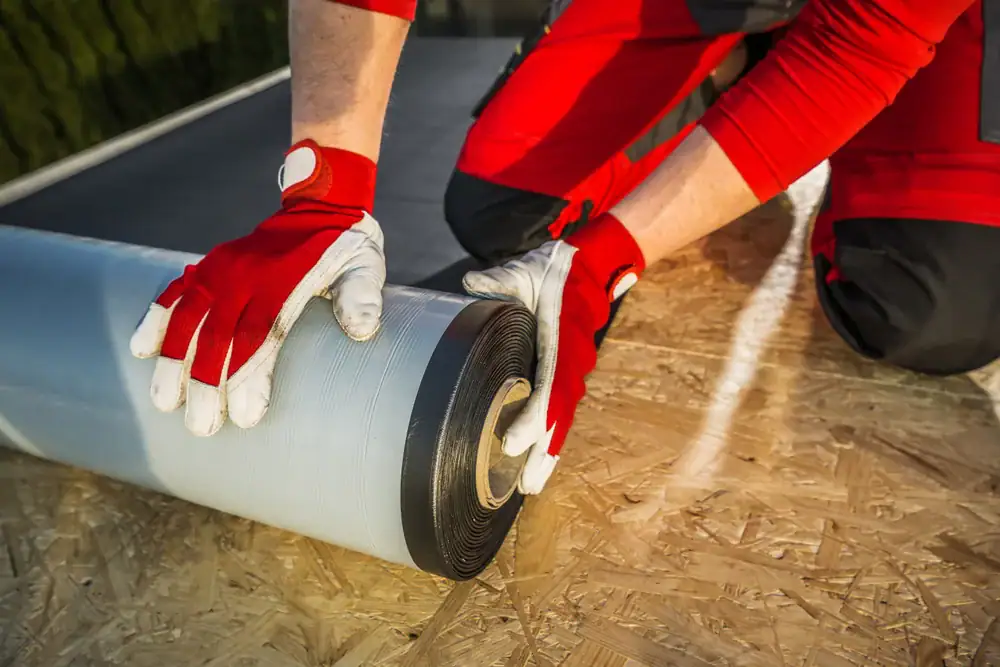
Roofing membrane installation for commercial building in Acton, CA.

Explore More Services

About Royal Roofing Company

Commercial Roofing Services Rolling Hills

What's Included in Commercial Roofing Work

Commercial roofing in Rolling Hills isn’t one-size-fits-all. Flat roof systems, low-slope roofs, and industrial roofing solutions all require different materials and installation methods. We handle TPO and PVC roofing, both of which meet Title 24 cool roof requirements without needing additional coatings. These single-ply membranes are naturally reflective, energy-efficient, and built to last in Southern California’s climate.

If your building has an older roof that’s still structurally sound, cool roof restoration might make more sense than a full replacement. We apply reflective coatings that bring your roof into Title 24 compliance, reduce cooling costs, and extend the life of your existing system. It’s a cost-effective option for property managers working within a budget.

For buildings with ongoing needs, our commercial roof maintenance programs include inspections, minor repairs, and documentation that keeps your warranty valid. Rolling Hills properties—especially those near the coast—deal with wind, debris, and temperature swings that wear on roofing materials faster than you’d expect. Regular maintenance addresses those issues before they become leaks.

We also specialize in hot mop systems for complex waterproofing applications. If you’ve got a challenging roof design, multiple levels, or areas where water tends to pool, hot mop installation provides a seamless, durable solution that outlasts most alternatives.

New commercial roofing installation on modern buildings in Acton, CA.

What's the difference between TPO and PVC roofing for commercial buildings?

Both TPO and PVC are single-ply membranes that work well for flat and low-slope commercial roofs, but they’re not interchangeable. TPO is more affordable and performs well in most applications—it’s heat-welded at the seams, reflective, and meets Title 24 cool roof standards without additional coatings. It’s a solid choice for standard commercial buildings where budget matters.

PVC costs more upfront but handles chemical exposure better, making it the right call for restaurants, buildings near the coast, or anywhere grease, oil, or harsh conditions are a factor. It’s also more flexible in cold weather, though that’s less of an issue in Rolling Hills.

Both materials last 20+ years with proper installation and maintenance. The decision usually comes down to your building’s specific needs, your budget, and what kind of warranty coverage you want. We’ll walk you through both options during the estimate so you’re not guessing.

If you’re replacing or installing a new roof on a commercial building in California, Title 24 compliance isn’t optional—it’s required by the state’s Building Energy Efficiency Standards. The specifics depend on your building’s climate zone, roof slope, and square footage, but the goal is the same: reduce energy consumption by using reflective roofing materials that keep buildings cooler.

Rolling Hills falls under a climate zone where cool roofs make a measurable difference in HVAC costs. Most TPO and PVC roofing systems meet the reflectance and emittance standards automatically, which is why they’re popular for commercial projects. If you’re restoring an existing roof, reflective coatings can bring it into compliance without a full replacement.

We handle the compliance documentation as part of the project, so you’re not navigating building codes on your own. That includes product certifications, installation records, and anything your inspector needs to sign off on the work.

At least once a year—ideally before the rainy season. Most commercial roof failures don’t happen overnight. They start with small issues like loose seams, clogged drains, or minor punctures that go unnoticed until water’s coming through the ceiling.

An annual inspection catches those problems early. We check for standing water, membrane damage, flashing issues, and anything that could compromise your roof’s integrity. If we find something, we handle it on the spot or schedule a repair before it turns into an emergency.

For buildings in Rolling Hills, especially those with flat roof systems or older installations, maintenance isn’t just about avoiding leaks—it’s about keeping your warranty valid. Most manufacturer warranties require documented inspections and upkeep. Skip those, and you’re on your own if something goes wrong. Our maintenance programs include the inspection, minor repairs, and documentation you need to stay covered.

A full replacement means tearing off the existing roof down to the deck, disposing of old materials, and installing a completely new system. It’s the right move when your roof is beyond repair—multiple leaks, structural damage, or a system that’s reached the end of its lifespan. Replacement gives you a fresh start, a new warranty, and decades of protection if it’s done right.

Restoration is less invasive and more affordable. If your roof’s structure is still solid but the surface is worn, we can apply a reflective coating or install a new membrane over the existing one. This brings your roof into Title 24 compliance, extends its life by 10-15 years, and avoids the cost and disruption of a full tear-off.

The decision comes down to what’s actually happening on your roof. We’ll give you an honest assessment during the inspection—if restoration makes sense, we’ll recommend it. If your roof needs a replacement, we’ll explain why and what your options are. You’re not getting upsold either way.

It depends on the size of your building, the scope of work, and weather conditions. A straightforward TPO or PVC installation on a 10,000-square-foot flat roof typically takes 3-5 days once we’re on-site. Larger buildings, complex layouts, or projects that involve structural repairs take longer.

We schedule commercial projects to minimize disruption to your business. That might mean working in sections, coordinating around your operating hours, or timing the project during a slower season. For property managers in Rolling Hills, we understand that tenants and business owners don’t want construction noise and activity during peak hours—we plan around that.

Before we start, you’ll get a detailed timeline that includes prep work, installation, cleanup, and final inspection. If weather delays the project, we’ll keep you updated. Most commercial clients care more about the work being done right than it being done fast, and that’s how we approach every job.

Start with licensing and insurance. In California, commercial roofing requires a C-39 specialty contractor license—not just a general contractor license. That means the contractor has proven experience with roofing systems, passed the state exam, and carries the required insurance. If they can’t show you that upfront, move on.

Next, ask about their crew. Are they using the same experienced team, or do they subcontract the work to whoever’s available? Consistency matters in commercial roofing. You want a contractor whose crew knows the systems, follows the process, and doesn’t cut corners when no one’s watching.

Finally, look for documentation and warranty coverage. A good commercial contractor provides photo documentation of the work, compliance records for Title 24 or other requirements, and clear warranty terms from both the contractor and the manufacturer. If something goes wrong five years from now, you need proof the roof was installed correctly. We build that documentation into every project because we’ve seen what happens when contractors don’t.

Other Services we provide in Rolling Hills