State Licensed “SINCE 1982”

CSLB C-39 #432352

Full Workers Comp. & $2M Liability Insurance
OUR EMPLOYEE ROOFERS ARE FACTORY CERTIFIED
*Serving most of Southern California*
State Licensed “SINCE 1982” CSLB C-39 #432352
Full Workers Comp. & $2M Liability Insurance
OUR EMPLOYEE ROOFERS ARE FACTORY CERTIFIED.

*Serving most of Southern California*

Commercial Roofing Contractor in Rosemead, CA

Your Roof Protects Everything You've Built

When your commercial roof fails, your business stops. You need a contractor who shows up, does it right, and backs their work for the long haul.
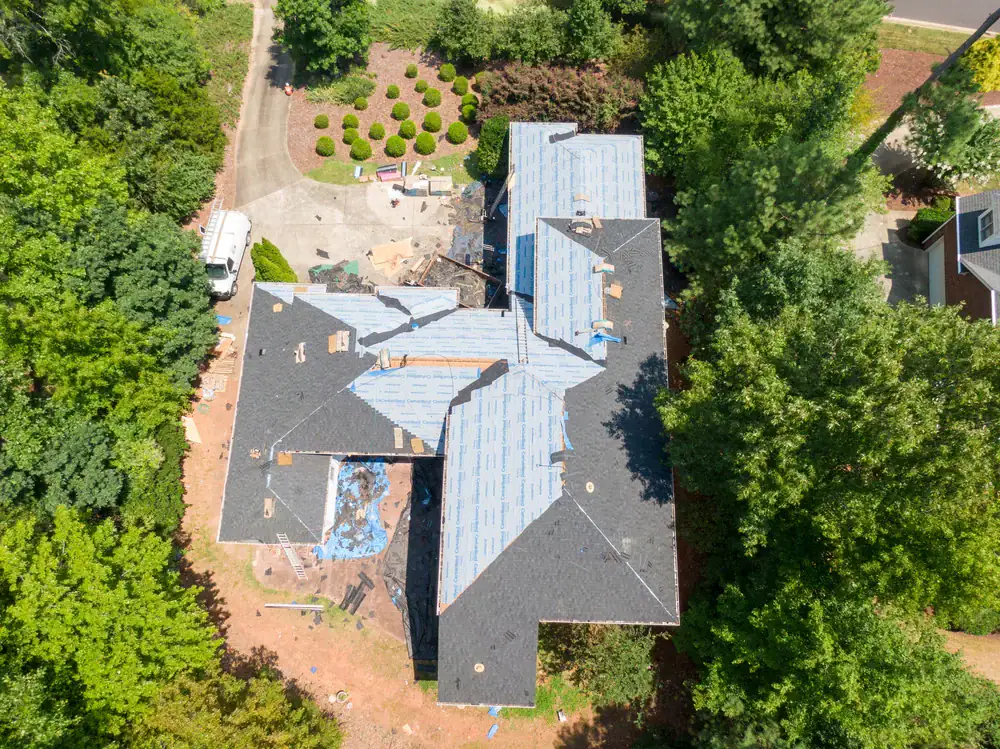
Aerial view of a residential roof undergoing commercial roofing repairs in Acton, California.
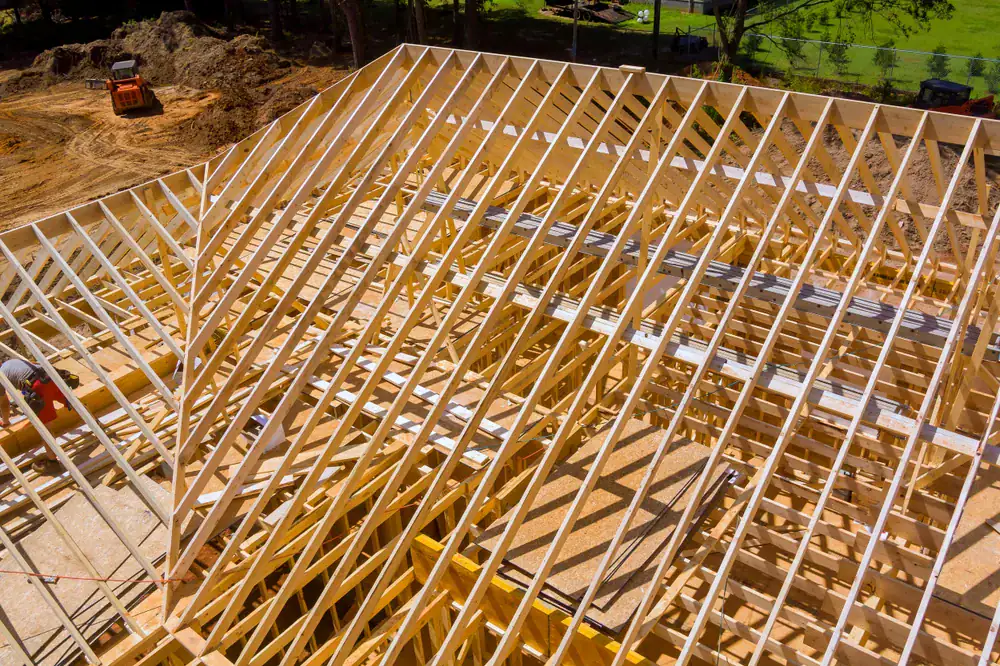
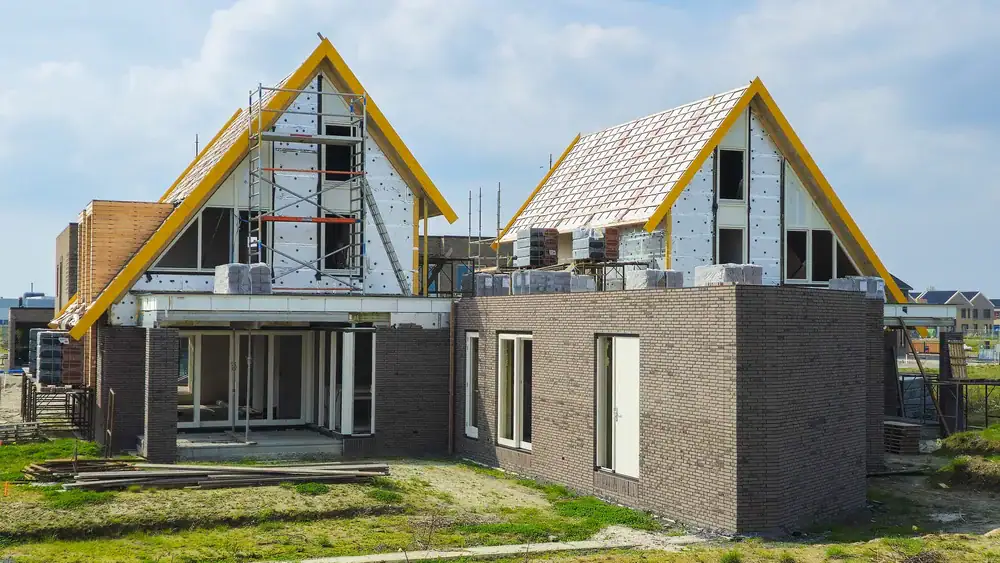
Roof framing under construction in Acton, CA for a commercial building.

Flat Roof Systems in Rosemead

What You Get When the Job's Done Right

Your building stays dry when it rains. Your cooling costs drop because the roof actually reflects heat instead of absorbing it. Your tenants stop complaining about leaks, and your insurance company has the documentation they need without you chasing down paperwork.

You’re not dealing with callbacks or warranty runarounds. The roof works, the crew cleaned up, and you’ve got photos of every step in case you need them later.

That’s what happens when you work with a commercial roofing contractor who’s been doing this in Los Angeles County since 1982. You get a roof that lasts, installed by people who’ve been on the same crew for decades, not a rotating door of subcontractors learning on your dime.

Commercial Roofing Rosemead Experts

Four Decades in LA, Same Family, Same Standards

We’ve been handling commercial roof maintenance, replacement, and restoration across Los Angeles County for over 43 years. We’re not a franchise or a national chain that showed up last year.

Our crews have been with us for decades. Our C-39 specialty license, factory certifications, and $2 million in liability coverage aren’t just checkboxes—they’re proof we do this the right way.

Rosemead property managers deal with the same challenges you do everywhere in LA: aging flat roof systems, rising energy costs, and the need for contractors who actually show up when they say they will. We’ve built our reputation here by doing what we say and documenting every step so you’re covered if insurance gets involved.

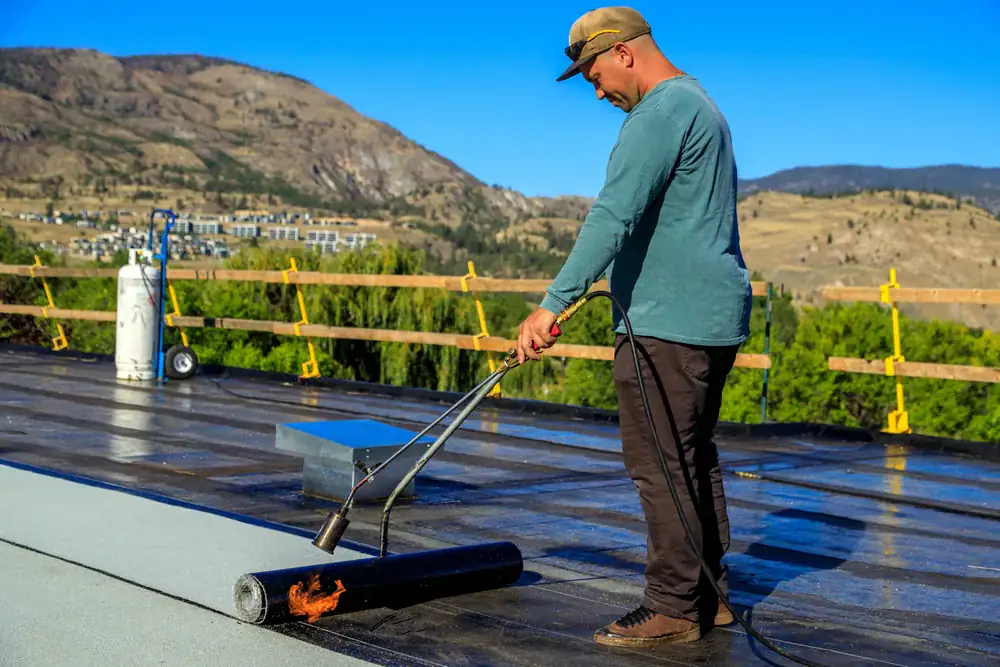
Professional roofing contractor applying roofing membrane on commercial roof in Acton, CA.

Commercial Roof Maintenance Process

Here's How We Handle Your Commercial Roof

You call or send photos of what’s going on. We schedule a site visit where we actually get on the roof—not just look from the ground. You get a detailed assessment with photos showing what’s wrong, what caused it, and what it’ll take to fix it right.

If it’s an insurance claim, we document everything the way adjusters need to see it. If it’s maintenance or replacement, we walk you through your options: TPO and PVC roofing for energy efficiency, modified bitumen for durability, or Title 24 cool roof restoration to meet California’s requirements and cut your cooling costs.

Once you approve the scope, we schedule around your business operations. Our crews show up on time, protect your property, complete the work, and document the entire process with photos. You get a warranty that’s actually enforceable because we’re factory-certified installers, and we’ll be here in ten years if you need us.

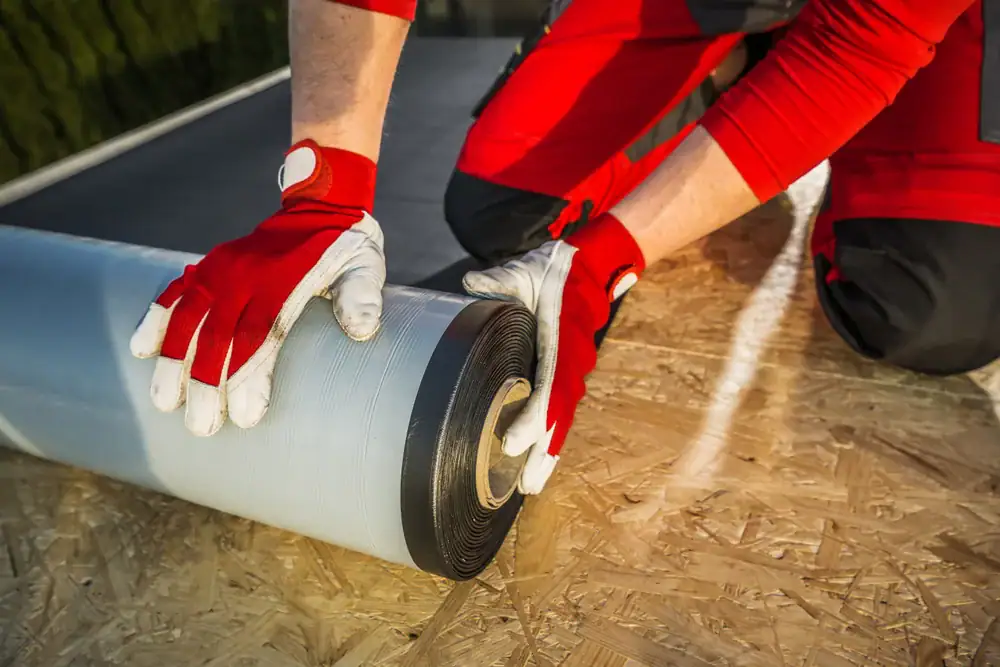
Roofing membrane installation for commercial building in Acton, CA.

Explore More Services

About Royal Roofing Company

Industrial Roofing Solutions Rosemead

What's Included in Your Commercial Roofing Project

You’re getting a full roof assessment with photo documentation that satisfies insurance requirements. We handle everything from hot mop applications to complex flat roof systems on industrial properties, multi-family buildings, and commercial facilities across Rosemead and LA County.

Every project includes Title 24 compliance review if you’re doing restoration work. California’s energy codes aren’t optional, and cool roof systems that meet those standards can cut your summer cooling costs significantly—something that matters more each year as Rosemead sees hotter temperatures.

You also get transparent communication throughout the process. We explain what we’re doing and why, because you shouldn’t need a roofing degree to understand what’s happening to your building. Our crews carry full workers comp and liability coverage, so you’re protected if anything goes wrong.

We specialize in commercial roof maintenance programs that catch small problems before they become expensive emergencies. Regular inspections, minor repairs, and proactive care extend your roof’s life and keep your operating costs predictable instead of getting hit with surprise five-figure bills.

New commercial roofing installation on modern buildings in Acton, CA.

How long does a commercial flat roof typically last in Rosemead?

It depends entirely on the roofing system, installation quality, and maintenance. A properly installed TPO or PVC roofing system can last 20-30 years in Southern California’s climate. Modified bitumen and built-up roofing systems typically last 15-25 years.

The bigger factor is maintenance. Commercial roofs in Rosemead face intense UV exposure, thermal cycling, and occasional heavy rain. Small issues like ponding water, loose seams, or debris buildup turn into major leaks if you ignore them.

Most commercial roof failures happen because of deferred maintenance, not because the roof reached the end of its lifespan. Regular inspections catch problems early when repairs cost hundreds instead of thousands. If you’re buying a property or inheriting a roof with no maintenance records, get it inspected before you’re dealing with water damage and business interruption.

Both are single-ply membrane systems that work well for flat and low-slope commercial roofs. TPO is typically less expensive and offers good energy efficiency with its reflective white surface. It handles thermal movement well, which matters in LA’s temperature swings.

PVC costs more upfront but offers superior chemical resistance and longer warranties. If your roof is exposed to grease, oils, or industrial chemicals, PVC holds up better. It’s also more flexible in cold weather, though that’s less relevant in Rosemead’s climate.

For most commercial properties in our area, TPO provides excellent performance at a lower cost. PVC makes sense for restaurants, facilities with rooftop HVAC equipment that might leak chemicals, or properties where you want the longest possible warranty. Both meet Title 24 cool roof requirements when installed properly, so your choice often comes down to budget and specific exposure risks.

If you’re doing roof replacement or certain types of restoration work in California, Title 24 compliance isn’t optional—it’s code. The state requires cool roofs on most commercial buildings to reduce energy consumption and urban heat island effects.

Cool roof systems use reflective coatings or materials that bounce back solar heat instead of absorbing it. The result is lower roof surface temperatures, reduced cooling costs, and longer roof life because the membrane isn’t constantly expanding and contracting from heat stress.

For Rosemead property owners, this matters more every year. The area is projected to see significantly more days over 98°F in the coming decades. A cool roof can cut your cooling costs by 10-30% depending on your building and current roof condition. When you factor in energy savings over the roof’s lifespan, the upgrade often pays for itself. Just make sure your contractor is actually certified to install cool roof systems—the energy efficiency only works if it’s done right.

If the damage is localized—a few leaks, isolated membrane damage, or problems in one section—repair usually makes sense. If you’re seeing leaks in multiple areas, widespread membrane deterioration, or the roof is beyond 75% of its expected lifespan, replacement is typically more cost-effective.

The honest answer requires getting on the roof and looking at what’s actually happening. Surface issues might look minor but hide serious problems with the substrate or insulation underneath. Water damage spreads, and wet insulation doesn’t dry out—it needs replacement.

We take photos during inspections so you can see exactly what we’re seeing. If your roof is 20+ years old and you’re starting to see problems, repair might buy you a few years, but you’re likely looking at replacement within five years anyway. Sometimes the smarter financial decision is addressing it now on your timeline instead of waiting for an emergency that forces your hand during your busy season.

Start with licensing and insurance. California requires a C-39 roofing specialty license for commercial work. Anyone without it is operating illegally, and you have zero recourse if something goes wrong. Verify they carry at least $2 million in general liability and full workers compensation coverage.

Check how long they’ve actually been in business and whether they’re factory-certified by the manufacturers whose products they install. Certifications mean they’ve been trained on proper installation methods and can offer real warranties. A “10-year warranty” from an uncertified contractor isn’t worth the paper it’s printed on.

Ask about their process for insurance claims and documentation. If you’re filing a claim, you need a contractor who knows what adjusters require and can provide the photo documentation and reports they need. Look for references from similar properties—commercial roofing is different from residential, and experience matters. Finally, trust your gut. If they’re pushy, vague about pricing, or can’t explain their process clearly, keep looking.

Commercial roofing runs anywhere from $4 to $12 per square foot depending on the system, roof complexity, and current condition. A basic TPO installation on a simple flat roof costs less than a complex multi-level building requiring extensive substrate repair.

Size matters too. Larger roofs cost less per square foot because mobilization and setup costs get spread across more area. A 5,000 square foot roof might run $8 per square foot while a 20,000 square foot roof drops to $5-6 per square foot for the same system.

The real cost driver is what we find when we remove the old roof. If the decking is rotted, insulation is soaked, or there’s structural damage, those repairs add up fast. That’s why detailed inspections matter before you get pricing. Anyone giving you a firm number without getting on the roof and checking the substrate is guessing. You need accurate pricing based on actual conditions, not ballpark estimates that double once work starts.

Other Services we provide in Rosemead