State Licensed “SINCE 1982”

CSLB C-39 #432352

Full Workers Comp. & $2M Liability Insurance
OUR EMPLOYEE ROOFERS ARE FACTORY CERTIFIED
*Serving most of Southern California*
State Licensed “SINCE 1982” CSLB C-39 #432352
Full Workers Comp. & $2M Liability Insurance
OUR EMPLOYEE ROOFERS ARE FACTORY CERTIFIED.

*Serving most of Southern California*

Commercial Roofing Contractor in San Fernando, CA

Your Commercial Roof Fixed Right the First Time

Factory-certified crews, transparent pricing, and 40+ years protecting San Fernando Valley properties—from flat roof systems to Title 24 compliance and everything in between.
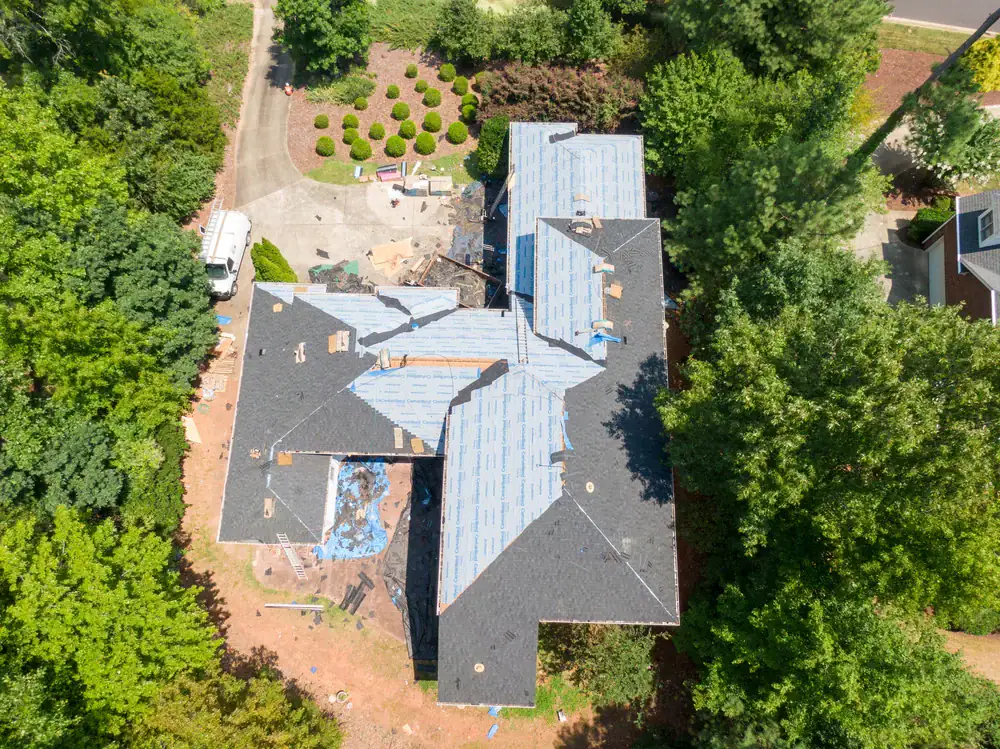
Aerial view of a residential roof undergoing commercial roofing repairs in Acton, California.
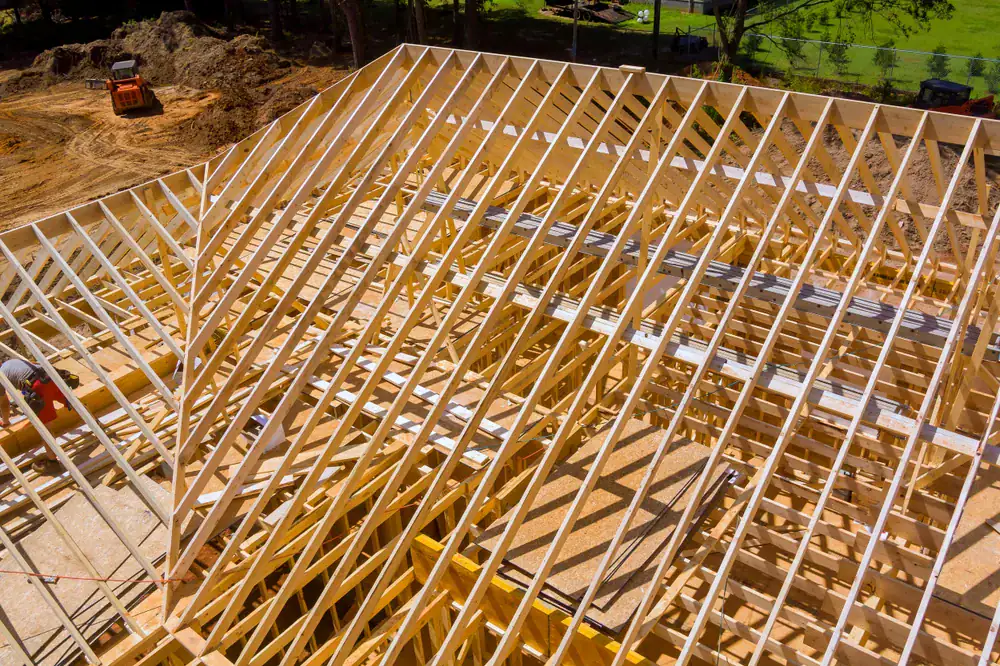
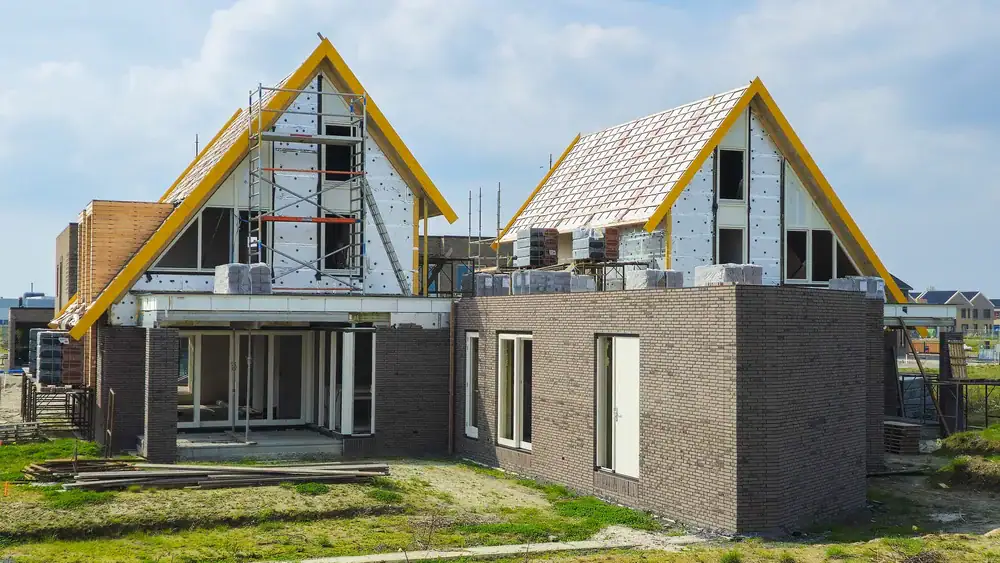
Roof framing under construction in Acton, CA for a commercial building.

Commercial Roof Maintenance in San Fernando

Stop Paying for the Same Repair Twice

You’ve already dealt with the leak. The emergency patch. The crew that showed up late, left early, and didn’t return your calls when the problem came back three months later.

Here’s what changes when the work is done right: your roof stops being a line item on every quarterly budget meeting. Your property manager stops fielding complaints. Your tenants stop calling about water stains. And you stop wondering if this repair will actually hold or if you’re just buying time until the next failure.

Commercial roof maintenance isn’t about reacting to problems. It’s about catching small issues before they become capital expenses. That means scheduled inspections, documented conditions, and a crew that knows the difference between a quick fix and a real solution. When your roof is maintained properly, you’re not just avoiding leaks—you’re extending the life of a six-figure asset and keeping your operating costs predictable.

San Fernando Commercial Roofing Experts

Four Decades of Commercial Roofing in Los Angeles County

We’ve been handling commercial roofing projects across San Fernando and the greater Los Angeles area since 1980. That’s 40+ years of flat roofs, TPO and PVC installations, Title 24 compliance work, and emergency repairs on everything from multi-family complexes to industrial warehouses.

We hold a California C-39 specialty contractor license, maintain GAF Master Elite certification (top 2% nationally), and carry $2 million in liability coverage. Our crews are factory-trained, not subcontractors. Eighty-six percent of our work comes from repeat clients and referrals—property managers, HOAs, and business owners who’ve worked with us before and came back.

San Fernando’s commercial properties face unique challenges: intense summer heat that accelerates roof aging, Title 24 energy requirements for cool roof systems, and the reality that most commercial buildings here have flat or low-slope roofs that demand specific expertise. We’ve been solving these exact problems in this exact market for four decades. You’re not explaining your building to someone learning on the job.

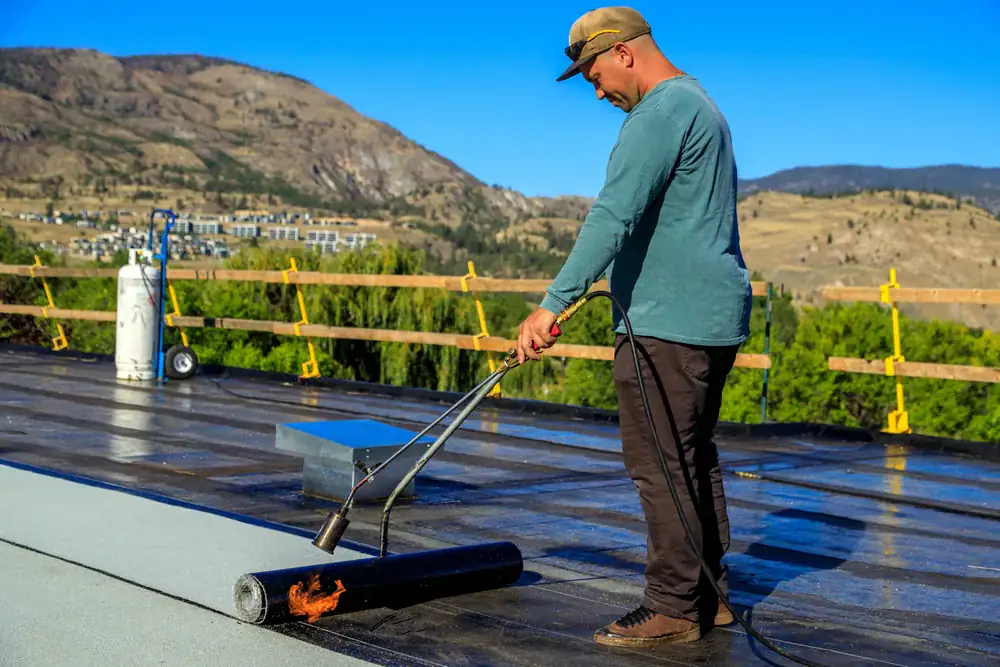
Professional roofing contractor applying roofing membrane on commercial roof in Acton, CA.

Our Commercial Roofing Process in San Fernando

Here's Exactly What Happens from Call to Completion

You call or submit a request. We schedule an on-site inspection—usually within 48 hours—where we document current conditions, identify problems, and measure the scope of work. You get photos, not guesses.

From there, we provide a detailed estimate that breaks down materials, labor, timeline, and any compliance requirements like Title 24 cool roof standards. No hidden tear-off fees. No surprise charges for “unforeseen conditions” that should have been caught during inspection. If your roof needs a TPO membrane replacement, we tell you why, what it costs, and how long it lasts.

Once you approve the scope, we schedule the work around your operations. For commercial properties, that often means coordinating with tenants, minimizing disruption, and working in phases if needed. Our project manager stays on-site. Our crews arrive when we say they will. And when the job is done, you get documentation for your records—warranties, compliance certificates, and a maintenance schedule if you want one.

The work is either done right or we make it right. That’s not a slogan. It’s how we’ve stayed in business since 1980.

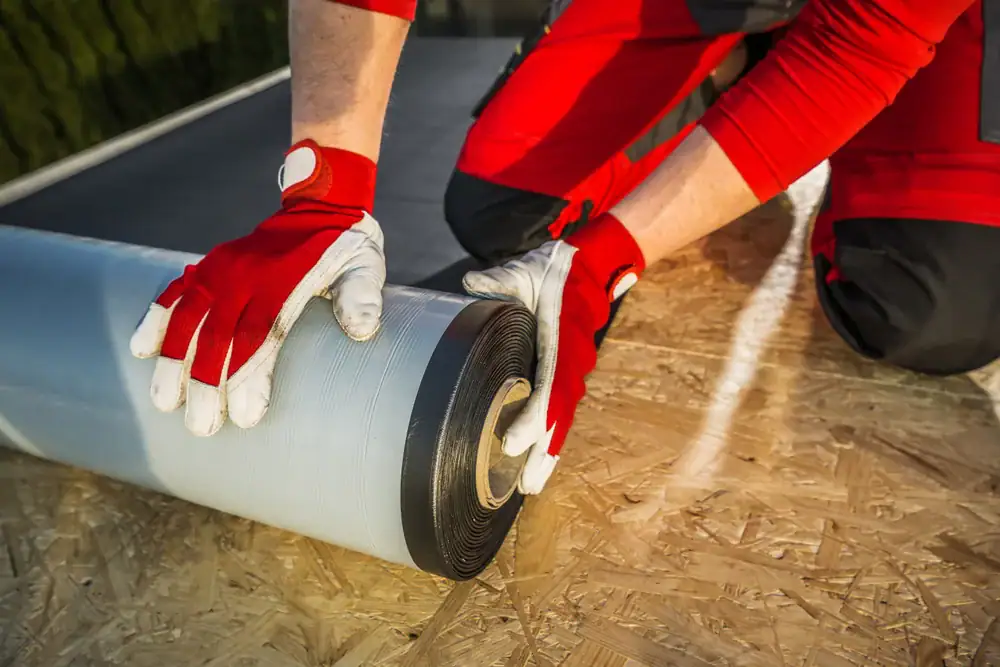
Roofing membrane installation for commercial building in Acton, CA.

Explore More Services

About Royal Roofing Company

Flat Roof Systems and Industrial Roofing Solutions

What's Included in Commercial Roofing Service

We handle single-ply membrane systems—TPO, PVC, and EPDM—along with modified bitumen, built-up roofing, and cool roof coatings that meet California’s Title 24 energy standards. If your building has a flat or low-slope roof, we’ve installed, repaired, or restored that system before.

San Fernando’s climate is hard on commercial roofs. Summer temperatures regularly hit the high 90s, which means your roof surface can exceed 160°F. That accelerates aging, breaks down sealants, and stresses seams. Cool roof systems with high solar reflectance help—they lower surface temperatures, reduce cooling costs, and extend roof life. If you’re re-roofing or doing new construction, Title 24 compliance isn’t optional. We handle the calculations, material selection, and documentation so you’re covered when inspectors show up.

Industrial roofing solutions for warehouses, distribution centers, and manufacturing facilities require a different approach than office buildings or retail spaces. You’re dealing with larger square footage, rooftop equipment, and often 24/7 operations that can’t afford downtime. We plan around your schedule, coordinate with facility managers, and make sure the work doesn’t shut down your business.

Maintenance programs are available if you want them. Scheduled inspections, minor repairs, and documented reports that help you budget for the long term instead of reacting to emergencies.

New commercial roofing installation on modern buildings in Acton, CA.

How long does a commercial roof replacement take in San Fernando?

It depends on the size of the roof, the type of system you’re installing, and whether we’re doing a complete tear-off or a roof-over. A typical 10,000-square-foot flat roof replacement with TPO or PVC membrane usually takes five to seven business days under normal conditions.

Weather affects the timeline. We can’t install roofing in the rain, and extreme heat can impact material performance. If we’re working on an occupied building, we often phase the work to minimize disruption—completing sections at a time so tenants aren’t dealing with noise and activity all at once.

Larger projects—50,000 square feet or more—can take several weeks. Industrial roofing solutions for warehouses or distribution centers often require coordination with facility operations, which can extend the schedule but keeps your business running. We give you a realistic timeline upfront and update you if anything changes.

Both are single-ply membrane systems designed for flat or low-slope roofs, and both perform well in San Fernando’s climate. The main differences come down to chemical resistance, cost, and specific building needs.

TPO (thermoplastic polyolefin) is the most popular commercial roofing material in the U.S. right now. It’s heat-reflective, energy-efficient, and cost-effective. It holds up well against UV exposure and normal weathering. Most property managers choose TPO for apartment complexes, office buildings, and retail spaces where the roof isn’t exposed to harsh chemicals or heavy equipment traffic.

PVC (polyvinyl chloride) costs more but offers better chemical resistance and longer warranties. If your building has rooftop HVAC units, grease exhaust from restaurants, or industrial processes that could expose the roof to oils or solvents, PVC is the better choice. It’s also more flexible in cold weather, though that’s less of a concern here in Southern California.

Both systems meet Title 24 cool roof requirements when installed correctly. We’ll recommend the right one based on your building type, budget, and how the roof is used.

It depends on the scope of the repair. Title 24 is California’s energy code, and it applies to new construction and re-roofing projects—not minor repairs. If you’re patching a small leak or replacing a section of damaged membrane, you’re generally not triggering Title 24 requirements.

But if you’re re-roofing more than 50% of the roof area or doing a full replacement, Title 24 compliance is mandatory. That means your new roof system needs to meet minimum standards for solar reflectance and thermal emittance. Cool roof coatings, reflective membranes, and certain types of TPO and PVC roofing all qualify.

The rules get more specific depending on your building’s climate zone, roof slope, and whether it’s conditioned or unconditioned space below. San Fernando falls under California Climate Zone 9, which has its own requirements. We handle the compliance documentation, material selection, and certification so you don’t have to figure it out yourself. When the inspector shows up, everything is already in order.

Most commercial roof maintenance programs in San Fernando run between $0.15 and $0.40 per square foot annually, depending on the size of the roof, the type of system, and how often you want inspections. A 20,000-square-foot flat roof might cost $3,000 to $8,000 per year for scheduled maintenance.

That typically includes two to four inspections per year, minor repairs (resealing seams, replacing damaged flashing, clearing drains), and a written report documenting the roof’s condition. If we find a bigger issue—like a failing membrane section or damaged insulation—that’s handled separately, but catching it early means you’re fixing a $2,000 problem instead of a $20,000 one.

Maintenance costs less than emergency repairs, and it extends the life of your roof. A well-maintained TPO or PVC roof can last 20 to 25 years. A neglected one might fail in 12 to 15. The math is straightforward: you either pay a little now or a lot later.

Some property managers prefer to handle maintenance in-house. That works if you have experienced staff and the time to stay on top of it. Most don’t. A maintenance contract means it gets done on schedule, documented properly, and handled by people who know what to look for.

For warehouses and industrial buildings in San Fernando, TPO and PVC single-ply membranes are the most common choices, but the “best” system depends on what’s happening inside and on top of your building. If you have heavy rooftop equipment, frequent foot traffic, or potential chemical exposure, that changes the recommendation.

TPO works well for most warehouses. It’s durable, energy-efficient, and cost-effective for large square footage. If your roof is mostly untouched except for occasional HVAC maintenance, TPO will perform for 20+ years with proper installation and basic upkeep.

PVC is better if your warehouse has rooftop equipment that could leak oils or chemicals, or if you’re running operations that involve grease, solvents, or harsh exhaust. It’s more resistant to punctures and chemical damage, and it comes with longer manufacturer warranties. The upfront cost is higher, but the lifespan and performance often justify it for industrial applications.

Modified bitumen and built-up roofing (BUR) are still used on some older warehouses, especially if you’re doing a roof-over instead of a full replacement. These systems are proven and reliable, but they’re heavier and less energy-efficient than modern single-ply membranes. If Title 24 compliance is required, you’ll likely need a cool roof coating on top to meet reflectance standards.

If the damage is localized—a small leak, a torn seam, or a section damaged by equipment—repair is usually the right call. If you’re dealing with widespread problems, multiple leaks, or a roof that’s near the end of its expected lifespan, replacement makes more sense financially.

Here’s a general rule: if the damaged area is less than 25% of the total roof and the rest of the system is in good condition, repair it. If more than 50% of the roof is compromised, or if you’re patching the same areas repeatedly, you’re better off replacing it. Anything in between depends on the age of the roof, the cost of ongoing repairs, and how much longer you plan to own or occupy the building.

A roof inspection gives you the real answer. We document the condition, identify problem areas, and give you a cost comparison: what it costs to repair versus replace, and how long each option will last. Some property managers choose to repair now and budget for replacement in two to three years. Others decide to replace immediately and avoid the ongoing maintenance headaches.

If your roof is 15+ years old and you’re starting to see issues, replacement is usually the smarter long-term investment. Newer systems come with better warranties, improved energy efficiency, and fewer maintenance requirements. You’re not just fixing the problem—you’re eliminating it for the next two decades.

Other Services we provide in San Fernando