Appointments Available
Phone Support 24/7
Bell Gardens, CA 90201
*Serving most of Southern California*
Appointments Available
Phone Support 24/7
Bell Gardens, CA 90201
You stop worrying about the next rainstorm. Your tenants aren’t calling about water stains. Your energy bills drop because your roof is doing what it’s supposed to do—reflect heat instead of absorbing it.
That’s what happens when flat roof systems are installed correctly and maintained properly. TPO and PVC roofing aren’t just about keeping water out. They’re about meeting California’s Title 24 requirements, reducing your cooling costs, and giving you a roof that lasts 20+ years instead of needing constant repairs.
When your roof is compliant, energy-efficient, and properly documented, you’re not scrambling when insurance adjusters show up. You’re not explaining to your property owner why there’s another leak. You’re running your building the way it should run—without the roof being a constant source of stress.
Royal Roofing Company has been handling commercial, industrial, and multi-family roofing projects across Los Angeles County for over 40 years. We’re not new to San Gabriel’s building codes, seismic requirements, or the way Title 24 affects your roofing decisions.
We’re GAF Master Elite certified—a designation held by less than 2% of roofing contractors nationwide. Our crews are factory-trained. Our project managers have been with us for decades. That consistency matters when you’re trusting someone with a six-figure roof replacement or a complex insurance claim.
You’ll work with people who know what they’re doing because they’ve done it thousands of times. Not just in theory—on actual commercial buildings in San Gabriel, Pasadena, Alhambra, and throughout the San Gabriel Valley.
First, we come out and actually look at your roof. Not a quick glance—a real assessment. We document everything with photos, check for code compliance issues, and identify what’s causing your problems. If it’s an insurance claim, we know exactly what adjusters need to see.
Then we give you a detailed estimate that breaks down materials, labor, timeline, and what you’re actually getting. No vague “roofing services” line items. You’ll know if we’re recommending TPO, PVC, EPDM, or a coating system—and why.
Once you approve, we schedule around your operations. Our crews show up when they say they will. We handle permits, coordinate inspections, and keep your property manager or tenants informed. When we’re done, you get documentation that proves the work was done right—photos, warranties, Title 24 compliance certificates if needed.
If it’s a maintenance contract, we come out on schedule, inspect your roof, handle minor repairs before they become major leaks, and keep records so you know exactly what’s been done and when.
You’re getting a roof system designed for California’s climate—intense UV exposure, temperature swings, and seismic activity. That means proper membrane selection, correct installation techniques, and materials that meet or exceed Title 24 cool roof requirements.
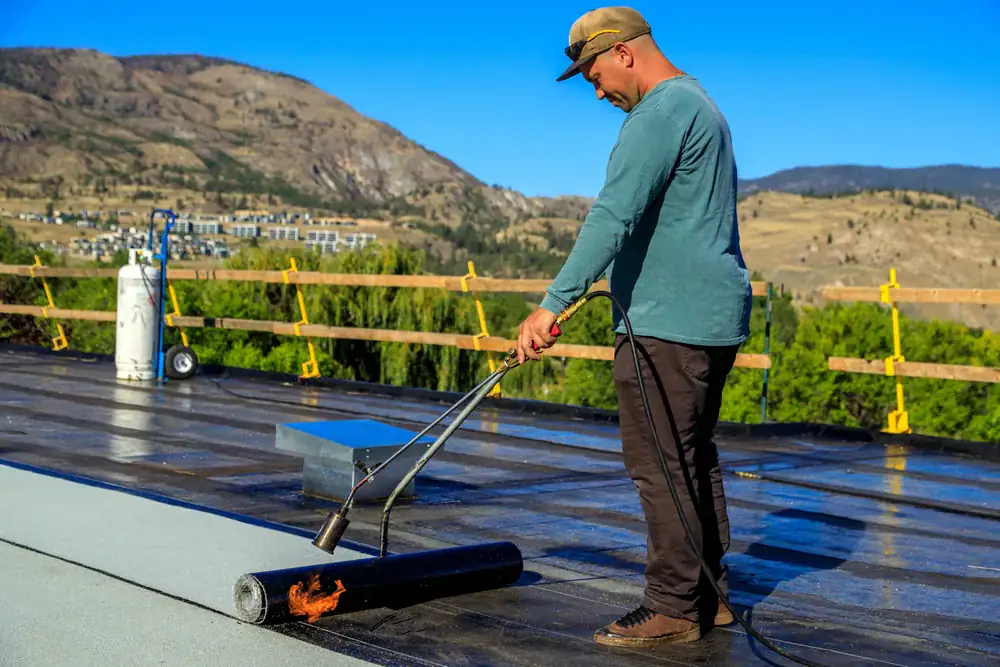
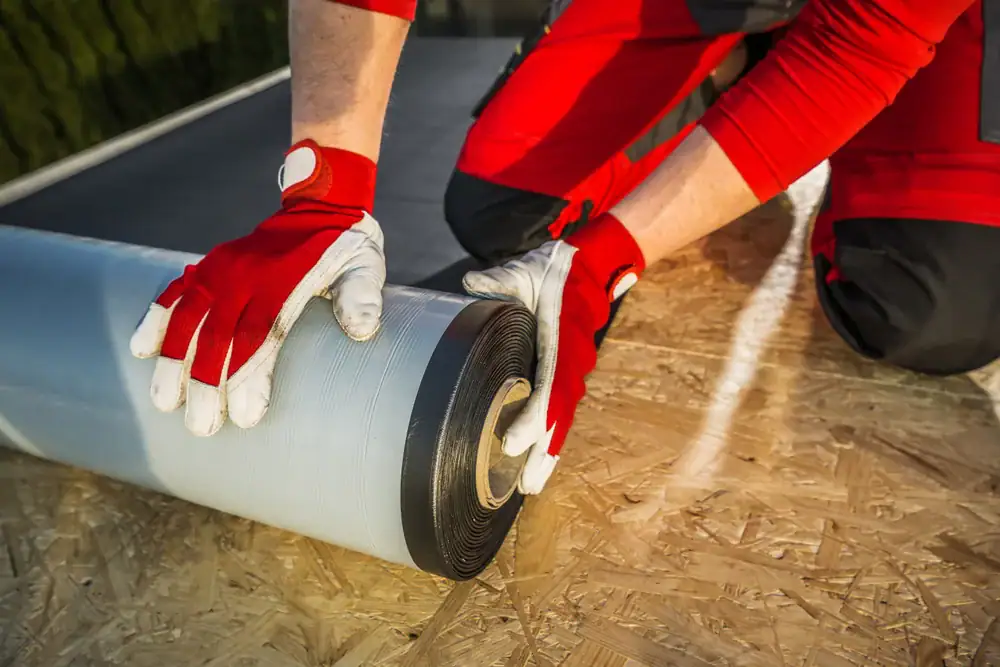
For flat roof systems, we install single-ply membranes like TPO and PVC that reflect heat and reduce your cooling costs. These aren’t generic installations. We’re accounting for your building’s drainage, penetrations, and how the roof ties into your HVAC and other equipment.
Title 24 cool roof restoration is a major focus in San Gabriel and across Los Angeles County. If your existing roof is structurally sound but failing to meet energy standards, we can apply reflective coatings that bring you into compliance without a full tear-off. That saves you money and extends your roof’s life by 10-15 years.
Commercial roof maintenance means we’re catching problems early. Small punctures, loose seams, clogged drains—these are easy fixes if you address them before water gets into your building. We document every visit so you have a maintenance history that supports insurance claims and helps you budget for eventual replacement.
It depends on your roof size, the system you choose, and what we’re dealing with underneath. TPO and PVC installations typically run $4-$8 per square foot for materials and labor. A 10,000 square foot roof replacement might cost $40,000-$80,000.
But that’s not the whole picture. If there’s underlying damage, code upgrades, or structural issues, costs go up. If you’re doing a coating restoration instead of full replacement, you’re looking at $2-$4 per square foot—significantly less.
The real cost is what happens if you don’t fix it. Water damage, mold remediation, business interruption, tenant complaints—those add up fast. We give you a detailed estimate upfront so you know exactly what you’re spending and why.
Both are single-ply membranes that work well for flat and low-slope commercial roofs. TPO is more affordable and handles California’s UV exposure well. It’s heat-welded at the seams, creating a watertight bond that holds up in our climate.
PVC costs more but offers better chemical resistance and longer warranties. If your roof has grease exhaust, heavy foot traffic, or exposure to chemicals, PVC is usually the better choice. It’s also more flexible in cold weather, though that’s less of a concern in San Gabriel.
Both meet Title 24 cool roof requirements when installed with the right reflective surface. We’ll recommend one over the other based on your building’s specific conditions, your budget, and how long you plan to own the property.
Yes, if you’re doing a roof replacement or significant repair in California. Title 24 is the state’s energy code, and it requires commercial roofs to meet minimum solar reflectance and thermal emittance standards. The goal is to reduce cooling costs and energy consumption.
Most TPO, PVC, and cool roof coatings meet these requirements automatically. The key is proper documentation. You’ll need to show compliance during inspections, and that paperwork becomes part of your building’s record.
If you’re just patching a small leak, Title 24 usually doesn’t apply. But if you’re replacing more than 50% of your roof or doing a full restoration, you need to meet current code. We handle the compliance side so you don’t have to worry about failing an inspection or dealing with city building departments.
A typical 10,000-15,000 square foot commercial roof takes 1-2 weeks from start to finish. Larger buildings or complex projects can take 3-4 weeks. Weather delays, permit approvals, and existing roof conditions all affect the timeline.
We schedule work to minimize disruption. If you need us to work nights or weekends to avoid business hours, we can do that. If you have tenants, we coordinate with property managers to keep everyone informed.
The actual installation is just part of it. Permits, inspections, material delivery, and tearoff all take time. We give you a realistic schedule upfront and update you if anything changes. Rushing a roof installation is how you end up with leaks and callbacks—we’d rather do it right.
Yes. We’ve handled hundreds of insurance claims for commercial properties across Los Angeles County. We know what adjusters look for, how to document storm damage versus wear and tear, and how to present a claim that actually gets approved.
We’ll inspect your roof after a weather event, take detailed photos, and provide a scope of work that matches what insurance companies expect to see. If an adjuster tries to deny coverage by claiming the damage is from poor maintenance, we have the documentation to back up your claim.
This is especially important for commercial properties where insurance companies are looking for reasons to reduce payouts. Proper documentation from a licensed, certified contractor carries weight. We’ve been doing this since 1980—we know how to navigate the process and get you the coverage you’re entitled to.
Regular inspections, minor repairs, drain cleaning, and documentation. We come out quarterly or bi-annually depending on your roof type and age. Each visit includes a written report with photos showing your roof’s current condition.
We’re looking for early warning signs—small punctures, loose seams, ponding water, clogged drains. Fixing these issues costs a few hundred dollars. Ignoring them until water gets inside costs tens of thousands.
Maintenance contracts also give you priority scheduling if something urgent comes up. You’re not waiting three weeks for us to fit you in—you’re an existing client, and we take care of you first. Plus, consistent maintenance documentation helps when you file insurance claims or when it’s time to sell the property. Buyers want to see that the roof has been properly maintained.
Other Services we provide in San Gabriel