Appointments Available
Phone Support 24/7
Bell Gardens, CA 90201
*Serving most of Southern California*
Appointments Available
Phone Support 24/7
Bell Gardens, CA 90201
You stop worrying about leaks during the rainy season. Your insurance claims get handled correctly the first time, with photo documentation that actually means something. Your energy bills drop because your roof isn’t working against your HVAC system anymore.
That’s what happens when your commercial roof gets the attention it deserves. Not band-aids. Not shortcuts. Real solutions that hold up against ocean air, UV exposure, and the daily wear your building takes in Southern California.
You get a roof that protects your operations, your inventory, your reputation. One that doesn’t surprise you with emergency repairs during your busiest season. One that lasts because it was installed right and maintained properly from day one.
We’ve been handling commercial roofing across Los Angeles and Orange County for decades. We’re a family operation with crews who’ve been with us for years, not rotating subcontractors who disappear after the job.
We hold a C-39 specialty contractor license and factory certifications that back up what we do. That matters when you’re dealing with complex flat roof systems, TPO and PVC installations, or Title 24 cool roof restorations that need to meet California’s energy codes.
San Juan Capistrano properties face specific challenges. The ocean air accelerates wear. The mix of historic buildings and modern commercial spaces means every project is different. We’ve worked on enough roofs in this area to know what holds up and what doesn’t.
We start with an inspection. Not a sales pitch disguised as an assessment, but an actual look at what’s happening with your roof. We document everything with photos so you can see exactly what we’re seeing.
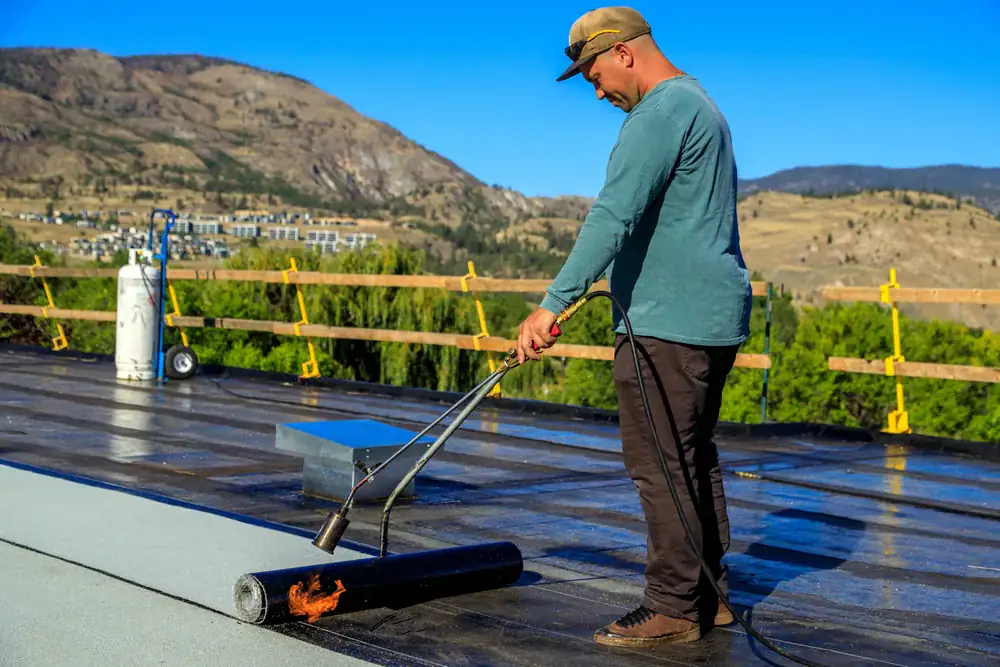
Then we walk you through what needs to happen. If it’s a repair, we explain why that section failed and how we’ll fix it so it doesn’t fail again. If it’s a full replacement, we talk through your options for flat roof systems, whether TPO, PVC, or hot mop applications make sense for your building and budget.
During the work, we keep disruption minimal. We coordinate around your business hours when possible. We protect your property. We clean up daily, not just at the end.
After installation, we document the completed work the same way we documented the problems. You get a record of what was done, which matters for warranties, insurance, and future maintenance. Then we talk about a maintenance schedule that actually prevents problems instead of just reacting to them.
You get a contractor who understands commercial roof maintenance isn’t optional in this climate. Regular inspections catch small issues before they become expensive emergencies. That’s especially true for flat roof systems common on commercial buildings in San Juan Capistrano.
We handle TPO and PVC roofing installations that meet California’s Title 24 energy requirements. These aren’t just code compliance checkboxes. Cool roof systems actually reduce your cooling costs by reflecting heat instead of absorbing it. In Orange County’s climate, that difference shows up in your utility bills.
For industrial roofing solutions, we work with the demands of your operation. If you’re running equipment on the roof, dealing with chemical exposure, or need specific drainage solutions, we design around those realities.
Our commercial roof maintenance programs are built around prevention. Scheduled inspections, minor repairs handled before they spread, documentation that tracks your roof’s condition over time. It’s the difference between a roof that lasts its full lifespan and one that fails early because small problems got ignored.
Most commercial roof replacements take one to three weeks depending on the size of your building, the roofing system you’re installing, and weather conditions. A small office building with a straightforward flat roof might be done in a week. A larger industrial facility or a complex retrofit can take longer.
We give you a realistic timeline upfront, not an optimistic guess. That timeline accounts for material delivery, any necessary structural repairs we find once the old roof is off, and inspection schedules. Weather delays happen, especially during rainy months, but we work around your business operations to minimize disruption.
You’ll know the schedule before we start. If something changes, you’ll hear about it immediately, not after it’s already caused a problem.
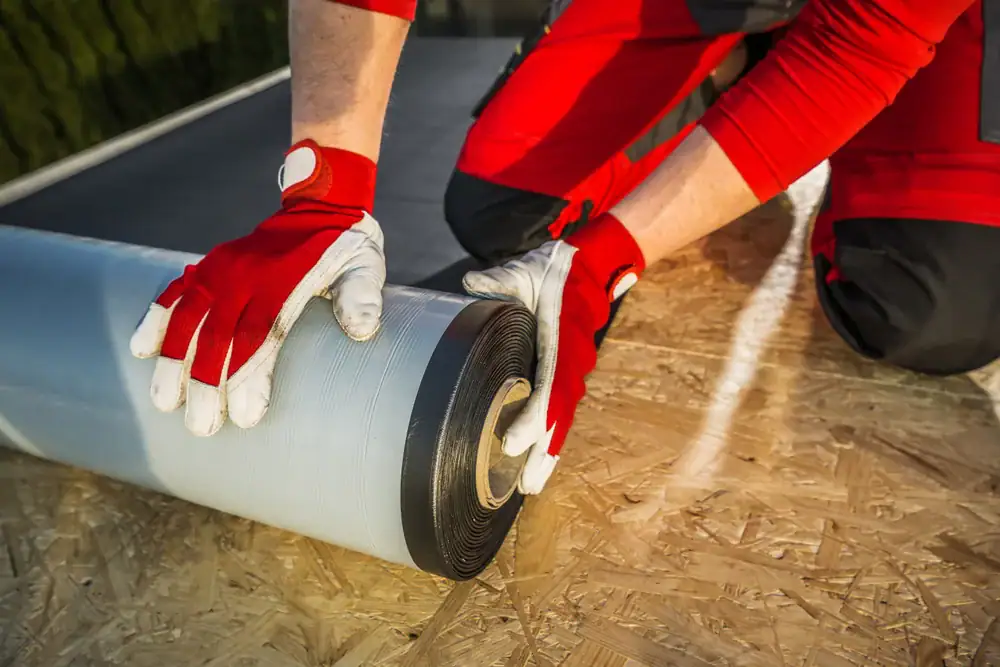
Both are single-ply membrane systems that work well on flat or low-slope commercial roofs. TPO costs less upfront and performs well in most applications. It’s heat-welded at the seams, creating a watertight barrier that holds up against UV exposure and normal wear.
PVC costs more but offers better chemical resistance and longer proven durability. If your roof is exposed to oils, greases, or industrial chemicals, PVC handles that better. It’s also more flexible in cold weather, though that matters less in San Juan Capistrano’s climate.
For most commercial properties in Orange County, TPO delivers solid performance at a better price point. We recommend PVC when your building’s specific conditions justify the extra cost. The right choice depends on your roof’s exposure, your budget, and how long you plan to own the property.
If you’re replacing more than 50% of your roof or doing major alterations, yes. California’s Title 24 energy standards require cool roof systems that meet specific solar reflectance and thermal emittance ratings. This applies to most commercial roof replacements, not just new construction.
Cool roof compliance isn’t just a regulatory hurdle. These systems reflect sunlight instead of absorbing it, which reduces your building’s cooling load. In San Juan Capistrano’s climate, that translates to lower energy bills and less strain on your HVAC system.
We handle the compliance documentation as part of the project. You don’t need to become an expert in Title 24 requirements. We make sure your roof meets the standards, file the necessary paperwork, and give you the documentation you need for inspections and future reference.
Twice a year minimum, ideally in spring and fall. Those inspections catch damage from winter storms and prepare your roof for the next rainy season. If your building is older, has ongoing issues, or sits in an area with heavy ocean air exposure, quarterly inspections make more sense.
Regular inspections aren’t about finding ways to charge you for repairs. They’re about catching small problems while they’re still small. A cracked seal or loose flashing costs almost nothing to fix during a scheduled visit. That same issue becomes a major leak repair if it goes unnoticed for months.
Most commercial roof failures don’t happen suddenly. They develop over time from small issues that got ignored. Consistent inspections and minor maintenance extend your roof’s lifespan significantly and prevent the kind of emergency repairs that shut down operations.
We document everything with photos and detailed reports that insurance companies actually accept. When storm damage or unexpected failure happens, you need documentation that shows what failed, why it failed, and what it takes to fix it properly.
We’ve handled enough insurance claims to know what adjusters look for. Our photo documentation covers the damage, the underlying conditions, and the scope of necessary repairs. That documentation supports your claim instead of leaving you arguing with your insurance company about what’s covered.
The process starts with an immediate inspection after you notice the problem. We assess the damage, provide emergency repairs if needed to prevent further issues, then document everything for your claim. You get a detailed estimate that breaks down materials and labor so there’s no confusion about costs.
We work directly with adjusters when needed, but we’re working for you, not your insurance company. Our job is to make sure your roof gets fixed correctly, not to minimize your claim.
That depends on the extent of damage, the age of your current roof, and what’s causing the problems. If you’re dealing with isolated leaks on a relatively new roof, repairs often make sense. If your roof is near the end of its lifespan or has widespread deterioration, replacement is the better investment.
We’ll tell you honestly what we find. Sometimes a section of your roof failed because of a specific issue like poor drainage or damage from equipment. We can repair that section and address the underlying cause without replacing the entire roof.
Other times, what looks like a simple leak is actually a symptom of broader problems. The membrane might be brittle from age. The underlying insulation might be saturated. The substrate might have damage that isn’t visible from above. In those cases, patching the visible problem doesn’t solve anything. You end up paying for repairs that don’t last because the real issues are still there.
We show you what’s happening with your roof and explain your options. Repair or replacement, you’ll understand why we’re recommending what we recommend.
Other Services we provide in San Juan Capistrano