State Licensed “SINCE 1982”

CSLB C-39 #432352

Full Workers Comp. & $2M Liability Insurance
OUR EMPLOYEE ROOFERS ARE FACTORY CERTIFIED
*Serving most of Southern California*
State Licensed “SINCE 1982” CSLB C-39 #432352
Full Workers Comp. & $2M Liability Insurance
OUR EMPLOYEE ROOFERS ARE FACTORY CERTIFIED.

*Serving most of Southern California*

Commercial Roofing Contractor in San Pasqual, CA

Your Roof Protects Everything You've Built

Factory-certified commercial roofing built to California’s toughest standards—installed by crews who’ve been doing this for decades, not months.
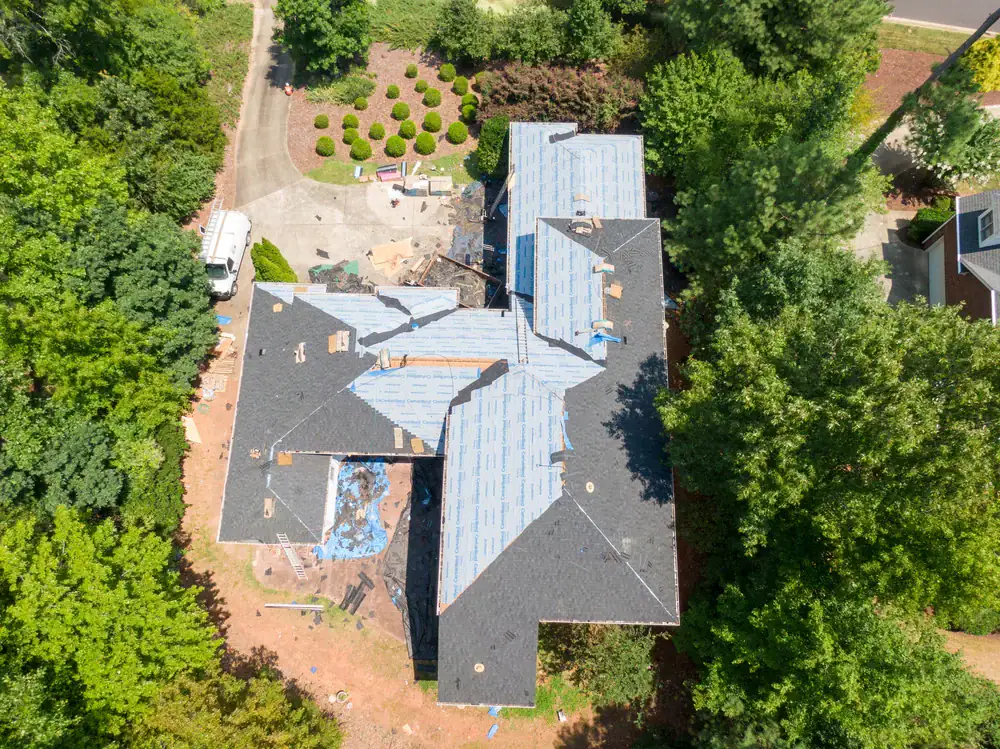
Aerial view of a residential roof undergoing commercial roofing repairs in Acton, California.
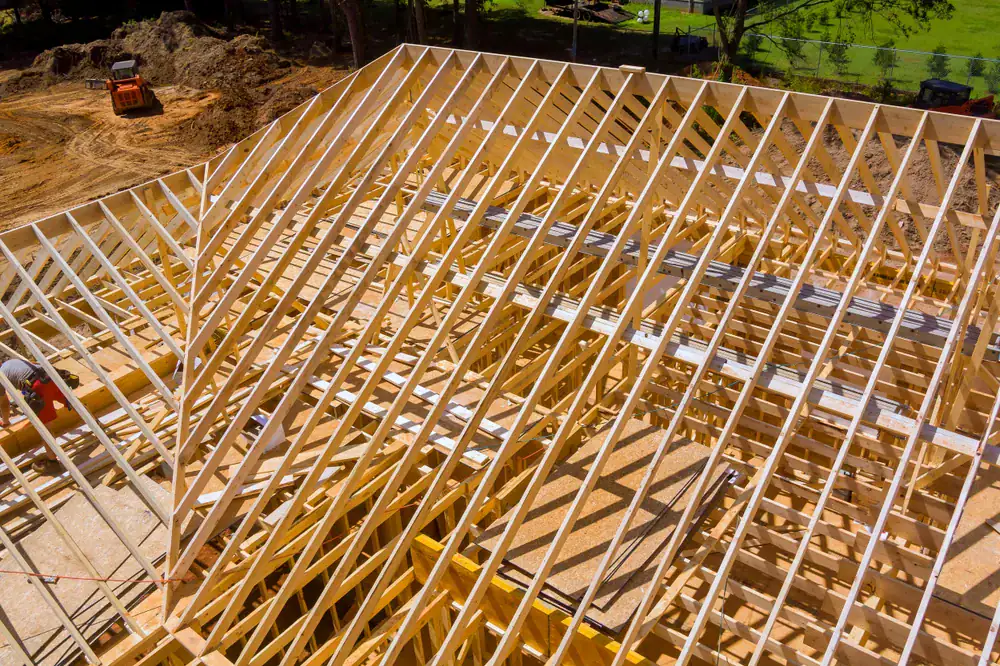
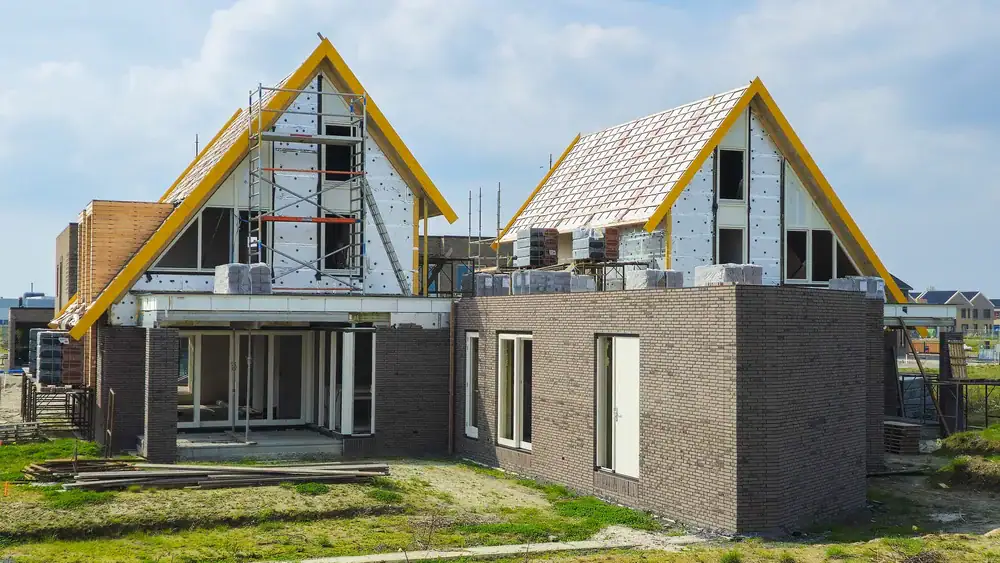
Roof framing under construction in Acton, CA for a commercial building.

Commercial Roof Repair San Pasqual, CA

What You Get When the Job's Done Right

You’re not just getting a roof. You’re getting a system that keeps your operations running, your insurance valid, and your property value intact.

When your commercial roof is installed correctly, you stop worrying about leaks during winter storms. You stop getting calls from tenants about water damage. You stop scrambling to find emergency repair contractors at 6 PM on a Friday.

A properly maintained flat roof system can last 20-30 years in Southern California’s climate. That’s two decades without major capital expenses eating into your budget. TPO and PVC roofing systems we install meet Title 24 cool roof requirements, which can cut your cooling costs by up to 40% in San Pasqual’s hot summers. That’s real money back in your pocket every month.

You also get documentation that matters. When your insurance adjuster shows up after a storm, you’ll have the inspection reports, material certifications, and installation photos that prove everything was done to code. That’s the difference between a claim that gets paid and one that gets denied.

Licensed Commercial Roofers San Pasqual

Four Decades in Business Means Something

We’ve held a C-39 specialty contractor license since 1982. That’s over 40 years of commercial roofing projects across Los Angeles County, from San Pasqual to downtown LA.

Our crew leaders have been with us for 20+ years. They’re factory-certified on the systems we install—TPO, PVC, modified bitumen, EPDM. They know how San Pasqual’s weather patterns affect different roofing materials. They’ve seen what works and what fails after 15 years of UV exposure and seasonal temperature swings.

We carry $2 million in liability insurance and full workers compensation coverage. Every project gets documented with photos at each stage. You’ll know exactly what’s happening on your roof, and you’ll have proof if you ever need it for insurance or resale.

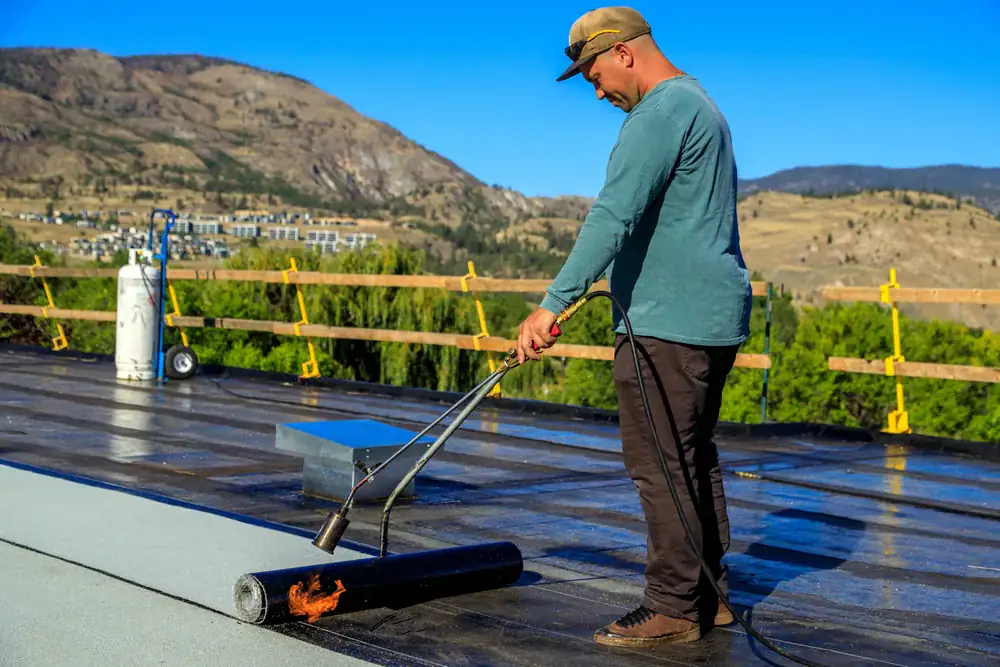
Professional roofing contractor applying roofing membrane on commercial roof in Acton, CA.

Commercial Roofing Process San Pasqual

Here's How Your Commercial Roof Project Actually Happens

First, we inspect your existing roof. Not a five-minute walk-around—a documented assessment with photos, measurements, and a written report. You’ll see exactly what’s failing, what can be repaired, and what needs replacement. If you’re dealing with an insurance claim, this documentation becomes critical.

Next, we discuss your options. If you need Title 24 cool roof compliance for your building permit, we’ll show you which systems meet the requirements. If you’re managing a tight budget, we’ll explain the cost difference between restoration and full replacement. No pressure, just information.

Once you approve the scope, we schedule the work around your operations. Most commercial properties can’t shut down for a week, so we plan installations in phases if needed. Our crews show up when we say they will, and they clean up at the end of each day.

During installation, you get progress updates and photos. When we’re done, you receive warranty documentation from both us and the manufacturer, plus a final inspection report. That report becomes your maintenance roadmap for the next 20 years.

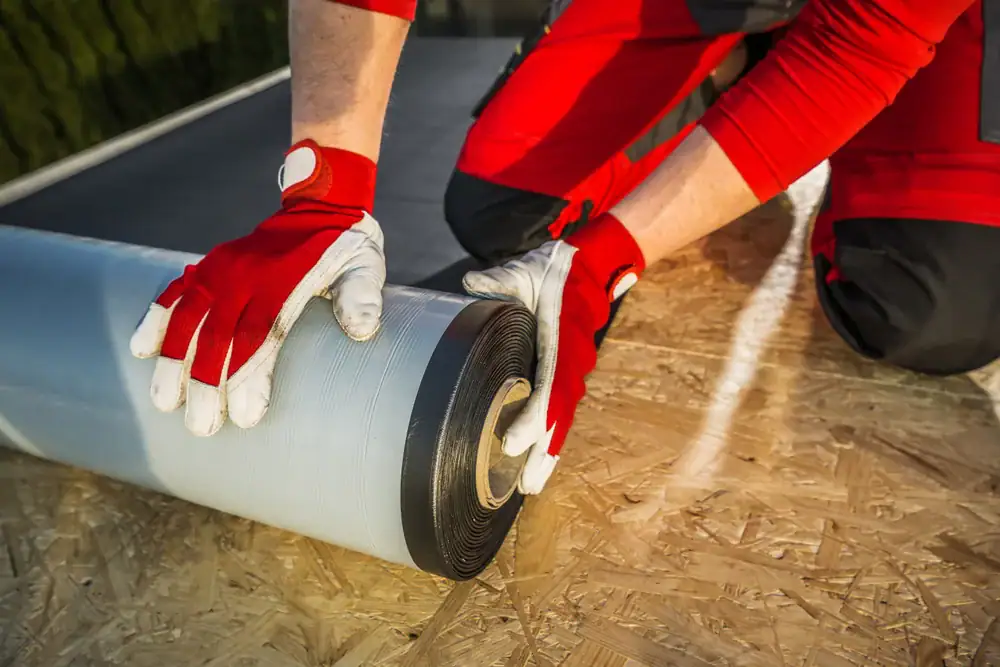
Roofing membrane installation for commercial building in Acton, CA.

Explore More Services

About Royal Roofing Company

Industrial Roofing Solutions San Pasqual

What's Included in Commercial Roofing Service

You’re getting more than installation. You’re getting a complete commercial roofing solution designed for San Pasqual’s climate and California’s building codes.

Every project starts with a comprehensive roof analysis. We measure drainage patterns, check for ponding water, test existing materials, and document structural concerns. For flat roof systems, proper drainage is everything—standing water will destroy even the best membrane in a few years.

We install energy-efficient roofing systems that meet California’s Title 24 requirements. Cool roof coatings and reflective membranes aren’t just code compliance—they’re how you reduce your HVAC load during San Pasqual’s 95-degree summer days. Lower temperatures inside mean lower utility bills and longer-lasting equipment.

Our commercial roof maintenance programs catch small problems before they become expensive emergencies. Twice-yearly inspections identify worn flashings, clogged drains, and membrane damage while repairs still cost hundreds instead of thousands. Property managers in Los Angeles County use these programs to extend roof life by 5-10 years.

We also handle insurance claim documentation. When storm damage happens, you need photos, material specifications, and installation records that prove your roof was properly maintained. We provide all of that, plus direct communication with adjusters who need technical details.

New commercial roofing installation on modern buildings in Acton, CA.

How long does a commercial roof last in San Pasqual's climate?

It depends entirely on the system you install and how well you maintain it. TPO and PVC roofing systems typically last 20-25 years in Southern California when properly installed and maintained. Modified bitumen can go 15-20 years. EPDM rubber roofing often hits 25-30 years.

San Pasqual’s climate is tough on roofs. You get intense UV exposure year-round, which breaks down roofing materials faster than in cooler regions. Summer temperatures on a black roof surface can hit 170 degrees. That constant heat cycling causes expansion and contraction that stresses seams and fasteners.

The real lifespan comes down to maintenance. A roof that gets inspected twice a year and has minor repairs done promptly will outlast an identical roof that’s ignored. Clearing drains, resealing penetrations, and replacing worn flashings costs a few hundred dollars. Ignoring those issues until you have interior water damage costs tens of thousands.

Both are single-ply membranes that work well on flat and low-slope commercial roofs, but they’re not identical. PVC roofing is more chemical-resistant, which matters if your building has restaurant exhaust, HVAC condensate, or industrial processes that put oils or grease on the roof. PVC also tends to be more flexible in cold weather, though that’s less relevant in San Pasqual.

TPO roofing costs less—usually 15-20% cheaper than PVC for the same project. It’s also lighter weight, which can matter on older buildings with load restrictions. TPO has gotten much better over the past decade. Early formulations had problems, but current TPO membranes from major manufacturers perform well.

Both systems meet California’s Title 24 cool roof requirements when you choose white or light-colored membranes. Both can be heat-welded at the seams, which creates watertight bonds that outlast adhesive or tape. For most commercial properties in San Pasqual, either system works. The choice usually comes down to your specific building conditions and budget. We’ll walk you through both options during your roof assessment so you can make an informed decision.

If you’re doing any roof work that requires a building permit in California, you probably do. Title 24 energy standards require most commercial buildings to install cool roofs when replacing or recovering more than 50% of the roof area. There are some exceptions for steep-slope roofs and specific building types, but flat commercial roofs almost always trigger the requirement.

Cool roofs use reflective materials that bounce back sunlight instead of absorbing it. This keeps your building cooler, reduces air conditioning costs, and helps California meet energy efficiency goals. The materials aren’t exotic—white TPO, light-colored PVC, and certain coatings all qualify.

The compliance part matters because your building inspector will check. If your roof doesn’t meet Title 24 standards, you won’t pass final inspection. That means you can’t close your permit, which can affect your insurance coverage and create problems if you ever sell the property. We handle Title 24 compliance on every commercial project in San Pasqual. You’ll get the right materials, proper installation, and documentation that proves everything meets code.

Repairs typically run $500-$3,000 depending on what’s damaged. Patching a small leak, resealing flashings around HVAC units, or fixing a damaged section of membrane—those are repair-level costs. Full replacement on a commercial building in San Pasqual usually ranges from $4-$8 per square foot for most flat roof systems, which translates to $40,000-$80,000 for a 10,000 square foot roof.

The real question is whether repair makes sense. If your roof is 5 years old and has isolated damage from a fallen tree branch, repair is obvious. If your roof is 22 years old with multiple leaks, widespread membrane deterioration, and failing flashings, you’re throwing money away on repairs. You’ll spend $5,000 patching problems this year, another $7,000 next year, and still need a full replacement in two years.

There’s a middle option: roof restoration. This involves cleaning the existing membrane, making targeted repairs, and applying a new coating system. Restoration costs about half what replacement does and can add 10-15 years of life to a roof that’s worn but structurally sound. Not every roof qualifies, but when it works, restoration saves you serious money. We’ll tell you honestly which option makes sense for your specific situation during the inspection.

That depends on what type of warranty you have and what caused the failure. Most commercial roofing projects come with two warranties: a workmanship warranty from the contractor and a material warranty from the manufacturer. Our workmanship warranty covers installation errors—seams that weren’t welded properly, flashings that weren’t sealed correctly, fasteners that were installed wrong.

Manufacturer warranties cover defects in the roofing material itself—membranes that crack prematurely, coatings that peel, materials that don’t perform as specified. These warranties typically run 10-20 years depending on the product. The catch is that manufacturer warranties usually require factory-certified installation by approved contractors. If an uncertified crew installs the roof, the material warranty is void.

What warranties don’t cover: damage from lack of maintenance, ponding water that wasn’t addressed, punctures from foot traffic or equipment, or problems caused by building movement or structural issues. This is why documentation matters. If you have a failure, we’ll inspect it, determine the cause, and handle the warranty claim if it’s covered. If it’s not covered but it’s a small issue, we’ll repair it quickly so it doesn’t become a bigger problem.

Twice a year minimum—once before winter rains and once after summer heat. Those seasonal inspections catch the problems that develop from weather stress before they cause interior damage. Spring inspections find winter storm damage, clogged drains, and membrane issues from heavy rain. Fall inspections identify summer heat damage, UV deterioration, and seam problems before winter weather makes them worse.

You should also inspect after any major weather event. If San Pasqual gets hit with high winds, hail, or a severe storm, get someone on the roof within a few days. Small damage that’s documented immediately becomes an insurance claim. The same damage discovered six months later during a routine inspection might not be covered because the adjuster can’t prove when it happened.

Most commercial property managers in Los Angeles County don’t have time to climb on roofs twice a year. That’s why maintenance contracts exist. We handle the inspections, document everything with photos and reports, make minor repairs on the spot, and alert you to any major issues that need attention. It costs less than one emergency repair call, and it typically extends your roof life by years. Think of it as cheap insurance that actually prevents claims instead of just paying for them after the damage is done.

Other Services we provide in San Pasqual