State Licensed “SINCE 1982”

CSLB C-39 #432352

Full Workers Comp. & $2M Liability Insurance
OUR EMPLOYEE ROOFERS ARE FACTORY CERTIFIED
*Serving most of Southern California*
State Licensed “SINCE 1982” CSLB C-39 #432352
Full Workers Comp. & $2M Liability Insurance
OUR EMPLOYEE ROOFERS ARE FACTORY CERTIFIED.

*Serving most of Southern California*

Commercial Roofing Contractor in Signal Hill, CA

Your Roof Shouldn't Be Your Biggest Liability

We deliver licensed commercial roofing built for Signal Hill’s coastal conditions—flat roof systems, energy-efficient solutions, and maintenance that actually prevents problems before they cost you.
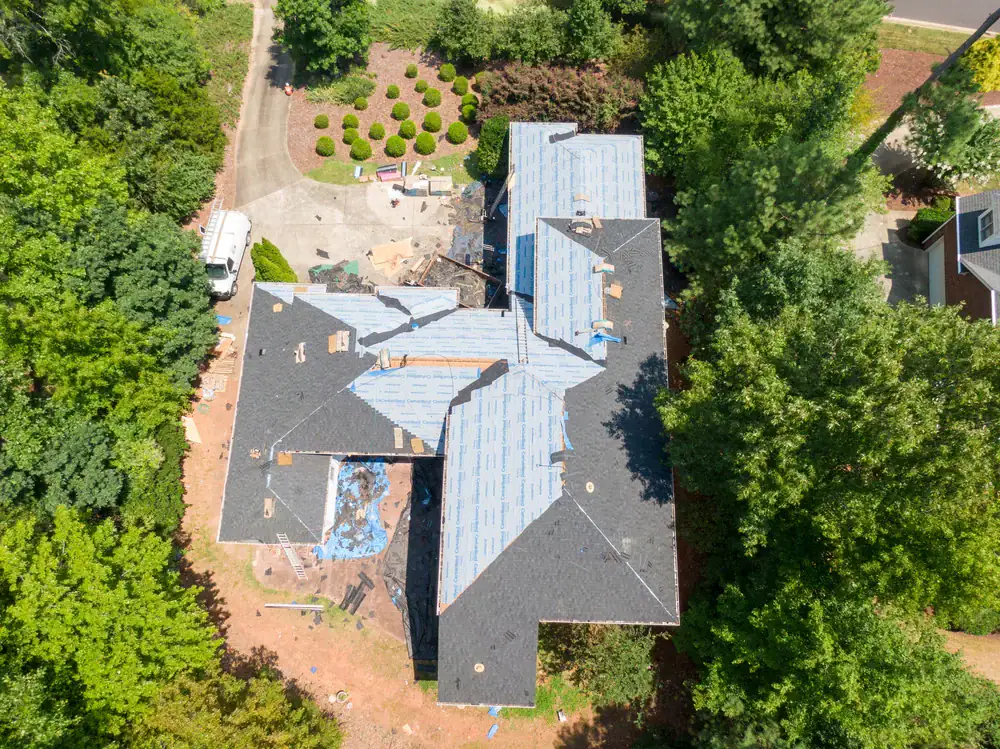
Aerial view of a residential roof undergoing commercial roofing repairs in Acton, California.
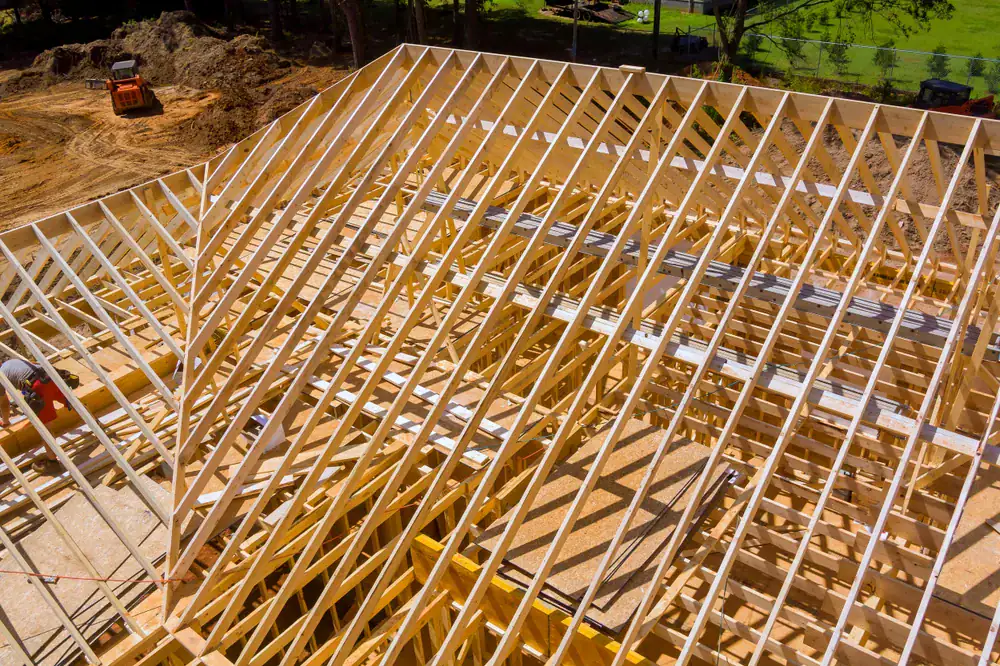
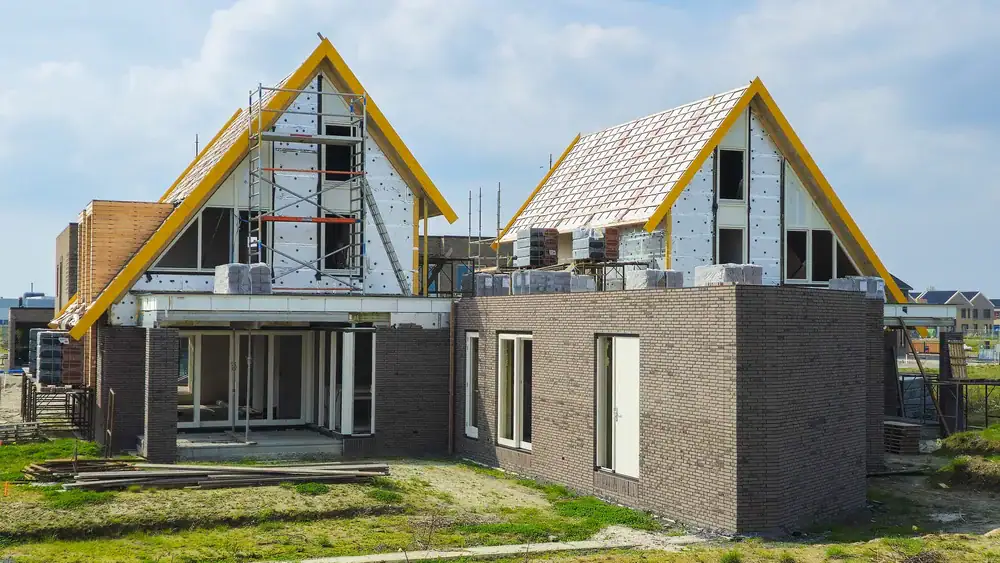
Roof framing under construction in Acton, CA for a commercial building.

Commercial Roof Maintenance Signal Hill

Lower Energy Bills, Fewer Emergency Calls, Longer Roof Life

Your commercial roof in Signal Hill faces salt air, humidity, and UV exposure that most inland properties never deal with. That combination accelerates wear on flat roof systems, breaks down sealants faster, and turns small issues into expensive problems if you’re not staying ahead of it.

Regular commercial roof maintenance means catching membrane separation before water gets in. It means recoating at the right time so you’re spending a fraction of what replacement costs. It means your HVAC isn’t working overtime because your roof is reflecting heat instead of absorbing it.

You’re not just avoiding leaks. You’re extending the lifespan of a six-figure asset, keeping your insurance documentation current, and staying compliant with California Title 24 energy standards without the last-minute scramble.

Licensed Roofing Contractor Signal Hill

Three Generations of Roofing in Los Angeles County

We’ve been working on commercial properties in Signal Hill and across Los Angeles County for decades. We hold a California C-39 roofing license and factory certifications for the systems we install—TPO, PVC, and Title 24 cool roof restoration included.

Our crews aren’t rotating subcontractors. Most have been with us for years, which matters when you’re dealing with complex flat roof systems or insurance claims that require photo documentation and compliance expertise. Signal Hill’s coastal location creates specific roofing challenges, and we’ve seen how salt air affects different materials over time.

We’re a family business with an A+ BBB rating. We don’t oversell, and we don’t disappear after the job. If you need someone who’ll walk the roof with you and explain what’s actually happening up there, that’s what we do.

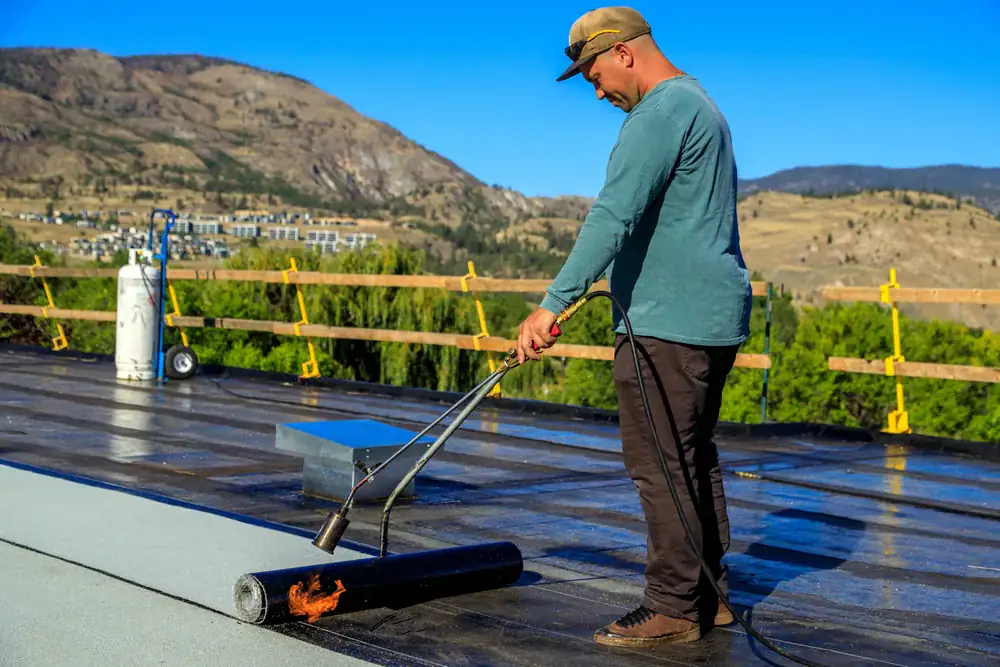
Professional roofing contractor applying roofing membrane on commercial roof in Acton, CA.

Commercial Roofing Process Signal Hill

Here's What Happens from Inspection to Completion

It starts with a roof inspection. We document current conditions with photos, check for ponding water, test membrane integrity, and look at how your existing drainage is performing. You get a written assessment that breaks down what needs attention now versus what you can plan for later.

If you’re moving forward, we pull permits, coordinate with your property schedule, and map out a timeline that minimizes disruption. For flat roof systems and TPO or PVC installations, we’re often working in phases so your building stays operational. Every step gets photographed—useful for your records and critical if you’re filing an insurance claim down the road.

Once the work’s done, you receive documentation that includes warranty information, maintenance recommendations, and compliance certificates if you’re dealing with Title 24 cool roof restoration requirements. We also offer ongoing commercial roof maintenance programs, because the real cost savings come from catching small problems early.

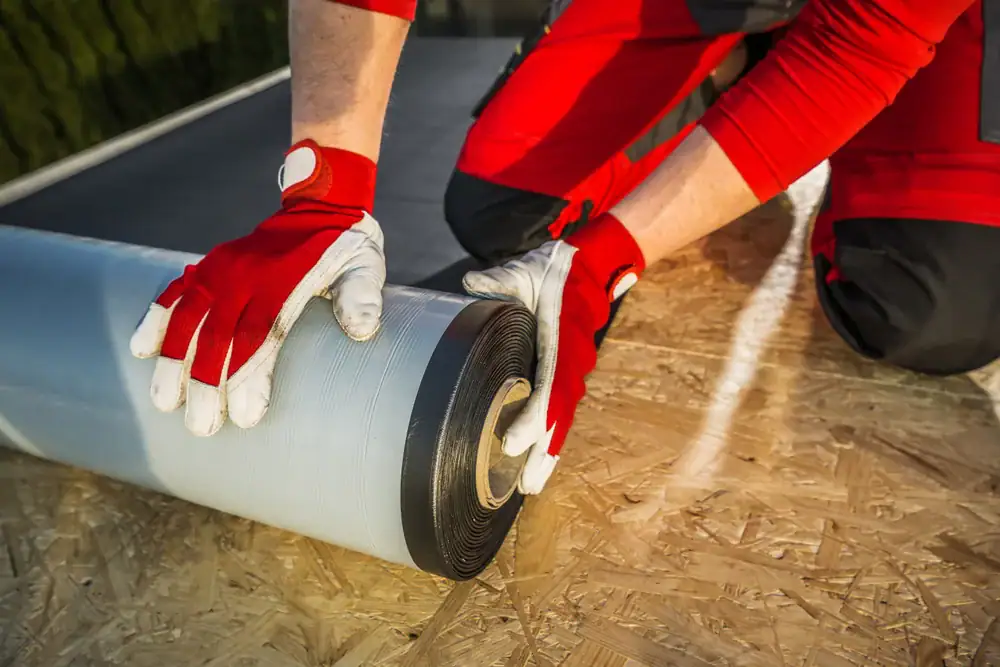
Roofing membrane installation for commercial building in Acton, CA.

Explore More Services

About Royal Roofing Company

Flat Roof Systems Signal Hill

What's Included in Commercial Roofing for Signal Hill Properties

We handle flat roof systems, TPO and PVC roofing, Title 24 cool roof restoration, and industrial roofing solutions. That covers new installations, re-roofing, coating applications, and emergency repairs when something fails unexpectedly.

Signal Hill sits right on the coast, which means your roof is constantly exposed to salt air and moisture. Flat roof systems here need proper drainage design and materials that hold up to humidity without breaking down. TPO and PVC roofing membranes work well in this environment because they’re heat-welded at the seams—no adhesive that salt air can compromise.

If you’re dealing with California’s Title 24 energy standards, cool roof restoration is often the most cost-effective path to compliance. We apply reflective coatings that seal your existing roof, block UV rays, and drop surface temperatures. That cuts your cooling costs and extends your roof’s lifespan by 10 to 15 years when done correctly. For larger industrial roofing solutions, we’re equipped to handle multi-building properties, complex drainage issues, and phased projects that keep your operations running.

New commercial roofing installation on modern buildings in Acton, CA.

How often should I schedule commercial roof maintenance in Signal Hill?

Twice a year minimum—ideally once before winter and once after. Signal Hill’s coastal location means your roof is dealing with salt air and humidity year-round, which accelerates wear on sealants, membranes, and flashing.

During a maintenance visit, we’re clearing drains, checking for ponding water, inspecting seams and penetrations, and looking for early signs of membrane degradation. Catching a small separation in your TPO roofing now costs a few hundred dollars. Waiting until it leaks could mean interior damage, mold remediation, and a five-figure repair.

Most commercial property managers in this area find that regular inspections pay for themselves in avoided emergency calls. If your roof is over 15 years old or you’ve had recent storm damage, you might want to increase that to quarterly check-ups until you know exactly what you’re working with.

Both are single-ply membranes that work well on flat roof systems, but they’re not identical. TPO roofing is typically more affordable and performs well in most commercial applications. It’s heat-welded at the seams, reflects UV rays, and holds up to normal wear. It’s a solid choice if your roof doesn’t have heavy chemical exposure or extreme foot traffic.

PVC roofing costs more upfront but has better chemical resistance and a longer track record—some PVC roofs installed in the 1960s are still performing. If your building has HVAC equipment that leaks oils or greases, or if you’re in an industrial setting with chemical exposure, PVC is usually the better investment.

For Signal Hill properties near the coast, both materials handle salt air well. The bigger factor is usually your budget and how long you plan to own the building. We’ll walk the roof with you and recommend what makes sense based on your specific conditions, not just what’s easier for us to install.

It depends on your building type and when you’re doing the work. California Title 24 requires cool roofs on many commercial buildings during new construction or re-roofing projects. If you’re just doing maintenance or repairs, you might not trigger compliance requirements—but it’s worth checking before you start work.

Cool roof restoration involves applying a reflective coating that meets Title 24 standards for solar reflectance and thermal emittance. It’s not just about compliance. These coatings drop your roof surface temperature by 30 to 50 degrees on a hot day, which directly lowers your cooling costs. In Signal Hill’s climate, that adds up fast.

The other benefit is extending your roof’s life. A quality cool roof coating seals cracks, blocks UV damage, and stops moisture penetration. If your roof is 10 to 15 years old and still structurally sound, restoration can give you another 10 to 15 years at a fraction of replacement cost. We’ll review your current roof condition and let you know if restoration makes sense or if you’re better off replacing.

It depends on the size of your roof, the system you’re installing, and how much prep work is needed. A typical 10,000-square-foot flat roof replacement usually takes one to two weeks if weather cooperates and we’re not dealing with major structural issues underneath.

We break the project into phases so your building stays operational. If you’ve got tenants or customers coming in daily, we coordinate around your schedule and section off work areas to minimize disruption. For larger industrial roofing solutions or multi-building properties, we’re looking at several weeks to a few months depending on scope.

Signal Hill’s coastal weather can affect timing. We don’t install TPO or PVC roofing in wet conditions because proper seam welding requires dry surfaces. If we’re in the middle of a project and rain’s coming, we’ll make sure everything is watertight before we leave. You won’t be left with an exposed roof overnight. We’ll give you a realistic timeline upfront and keep you updated if anything changes.

First, contain the water damage inside. Move equipment, put down tarps, and set up buckets if needed. Then call us for an emergency inspection. Don’t wait—water moves through commercial buildings fast, and what starts as a small leak can turn into ceiling damage, electrical issues, and mold growth within days.

We’ll get someone out to assess the situation, identify the source, and make temporary repairs to stop the leak. Once it’s stabilized, we’ll document everything with photos for your insurance claim and give you a full assessment of what caused the failure. Sometimes it’s a simple flashing issue or a clogged drain. Other times it’s a sign that your membrane is at the end of its lifespan.

If you’re filing an insurance claim, having a licensed commercial roofing contractor document the damage properly matters. We’ve worked with property managers in Signal Hill on dozens of claims, and we know what insurance companies need to see. Don’t try to patch it yourself or hire the cheapest guy you can find—you might void your warranty or create bigger problems.

There’s no honest way to give you a number without seeing your roof. A simple coating application on a small flat roof might run $3 to $5 per square foot. A full TPO or PVC roofing replacement on a larger building could be $8 to $15 per square foot depending on the system, insulation, and how much tear-off is involved.

Signal Hill’s coastal location adds some cost because materials need to hold up to salt air and humidity. If your roof has drainage issues, structural concerns, or needs Title 24 cool roof restoration to meet compliance, that affects pricing too. We’ve seen property managers get burned by low bids that didn’t include necessary prep work or proper flashing details—then they’re paying twice to fix it right.

We’ll inspect your roof, explain what needs to happen, and give you a detailed estimate that breaks down materials, labor, and timeline. No surprises, no upselling. If there’s a way to extend your roof’s life with maintenance or restoration instead of full replacement, we’ll tell you that too. You’re making a significant investment—you should know exactly what you’re paying for and why it costs what it costs.

Other Services we provide in Signal Hill