State Licensed “SINCE 1982”

CSLB C-39 #432352

Full Workers Comp. & $2M Liability Insurance
OUR EMPLOYEE ROOFERS ARE FACTORY CERTIFIED
*Serving most of Southern California*
State Licensed “SINCE 1982” CSLB C-39 #432352
Full Workers Comp. & $2M Liability Insurance
OUR EMPLOYEE ROOFERS ARE FACTORY CERTIFIED.

*Serving most of Southern California*

Commercial Roofing Contractor in South Whittier, CA

Your Roof Works When Your Contractor Does

Factory-certified crews, Title 24 compliance expertise, and four decades of commercial roofing experience across Los Angeles County—without the runaround.
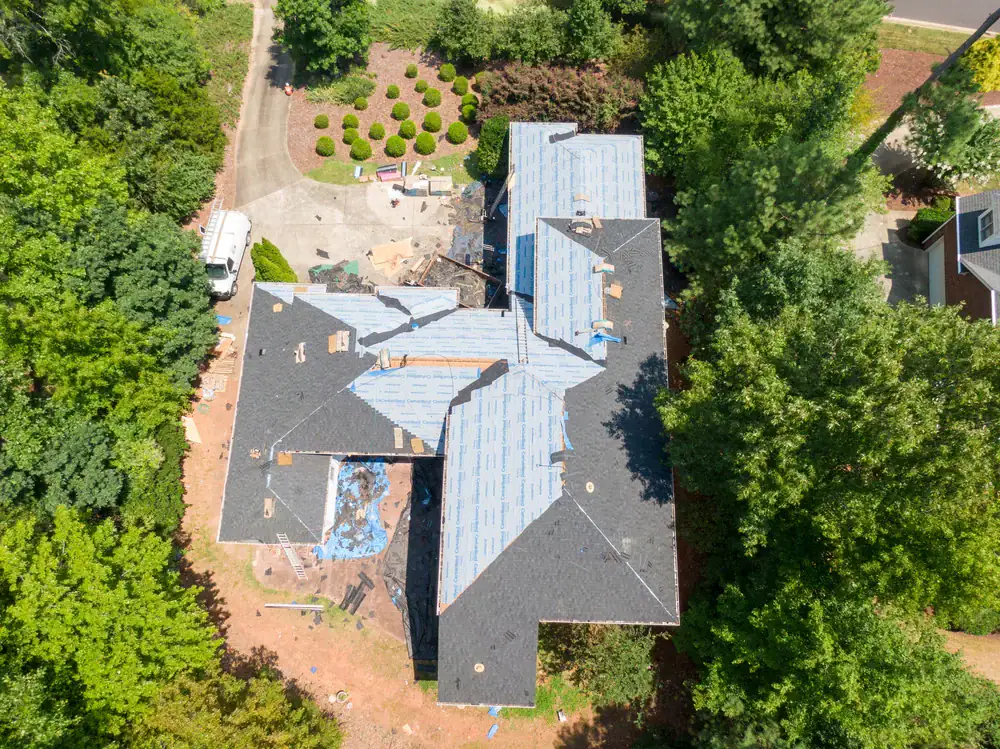
Aerial view of a residential roof undergoing commercial roofing repairs in Acton, California.
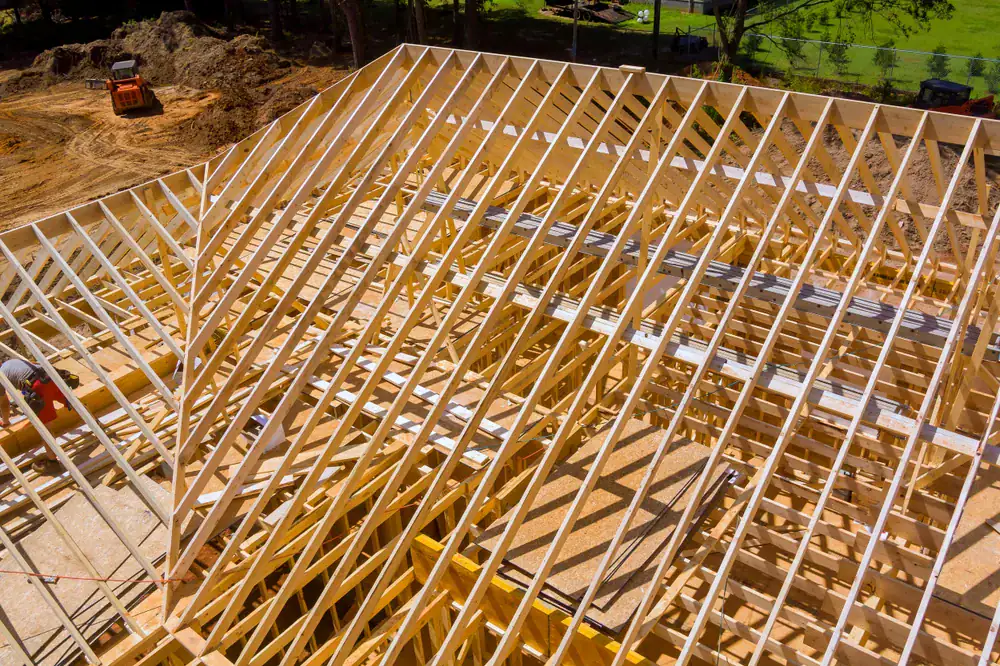
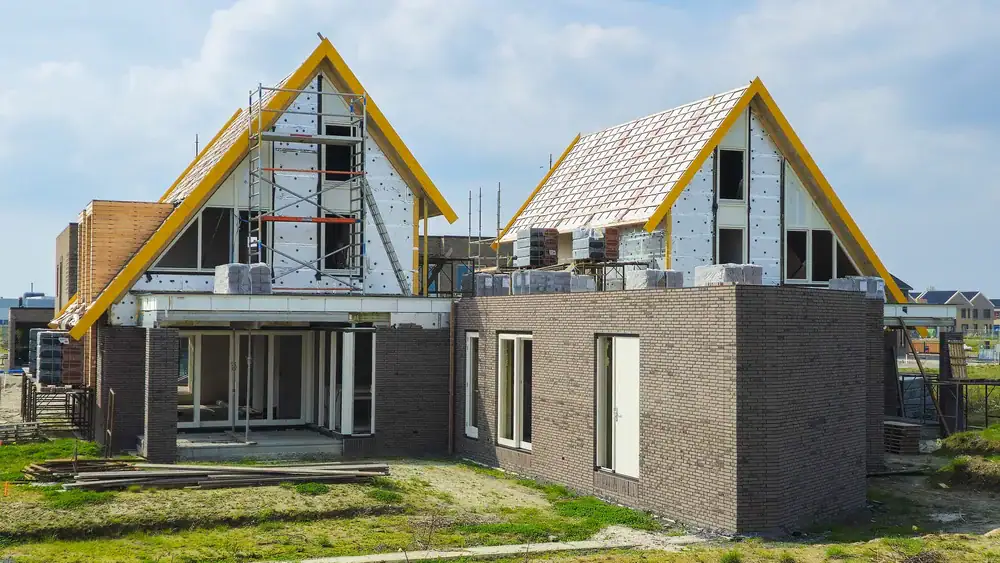
Roof framing under construction in Acton, CA for a commercial building.

Commercial Roof Systems in South Whittier

What You Actually Get From a Reliable Roof

You’re not just buying a roof. You’re buying fewer emergency calls, lower energy bills, and the ability to focus on running your business instead of worrying about leaks during the next storm.

A properly installed commercial roof means your HVAC system isn’t working overtime to compensate for heat transfer. It means your Title 24 compliance is handled correctly the first time, not after a failed inspection. And it means when you call about a problem, you’re talking to people who’ve seen your exact situation hundreds of times across South Whittier and greater Los Angeles County.

The difference between a roof that works and one that costs you money every month comes down to installation quality and material selection. TPO and PVC roofing systems can cut your energy costs by 10-25% when installed by factory-certified crews who understand California’s climate zone requirements. That’s not marketing talk—that’s what happens when reflective roofing membranes are installed correctly with proper insulation and ventilation.

Certified Commercial Roofers Serving South Whittier

Forty-Three Years of Showing Up When It Matters

We’ve been handling commercial roofing projects in Los Angeles County since 1980. That’s 43 years of South Whittier property managers, business owners, and HOAs calling us when they need flat roof systems, TPO installations, or emergency repairs done right.

We’ve held GAF Master Elite certification since 2002, which puts us in the top 2% of roofing contractors nationally. Our crews are factory-trained and certified through actual testing, not just attendance. We carry a C-39 specialty roofing license and maintain $2 million in liability coverage plus full workers’ comp.

Eighty-six percent of our work comes from repeat clients and referrals. That doesn’t happen by accident in a market as competitive as Los Angeles County. It happens because we show up, do the work correctly, document everything with photos, and handle the Title 24 compliance paperwork that makes or breaks your inspection.

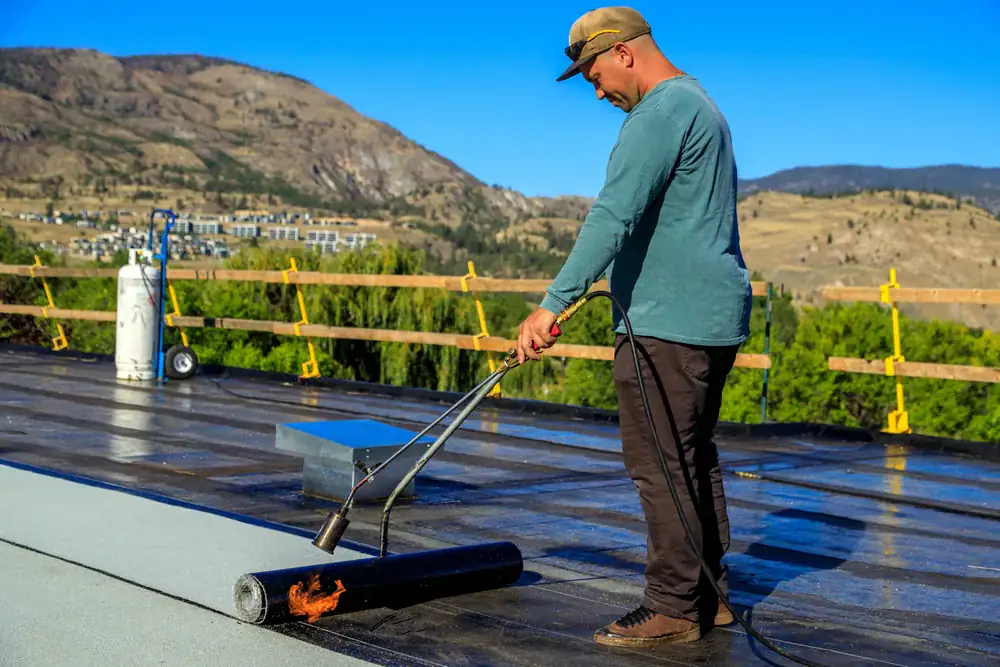
Professional roofing contractor applying roofing membrane on commercial roof in Acton, CA.

Our Commercial Roofing Process in South Whittier

Here's How a Commercial Roof Project Actually Happens

First, we inspect your existing roof and document everything with photos. You get a detailed assessment of what’s failing, what’s salvageable, and what your options are. We’re looking at membrane condition, drainage issues, penetration seals, and whether your current system meets Title 24 requirements for your climate zone.

Then we walk you through material options based on your building type and budget. Single-ply membranes like TPO and PVC work well for flat and low-slope commercial roofs in South Whittier because they reflect heat and meet cool roof standards. We explain the difference between 50-mil and 60-mil membranes, what warranties actually cover, and how installation methods affect long-term performance.

During installation, our factory-certified crews handle everything from tear-off to final inspection. We coordinate with your schedule to minimize business disruption, section off work areas, and maintain site safety. Every seam gets inspected, every penetration gets properly flashed, and you get photo documentation of the completed work.

After installation, you receive all warranty documentation, Title 24 compliance certificates, and a maintenance schedule. We’re available for annual inspections and emergency repairs because a roof is only as good as the company standing behind it.

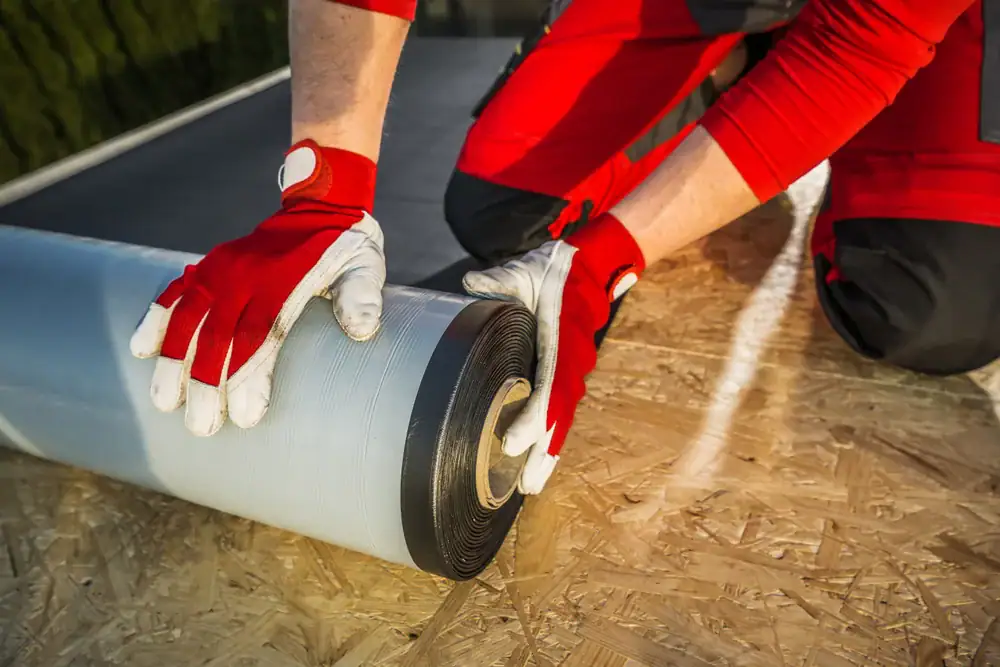
Roofing membrane installation for commercial building in Acton, CA.

Explore More Services

About Royal Roofing Company

Commercial Roofing Services in South Whittier, CA

What's Included in Commercial Roof Installation and Maintenance

Our commercial roofing services cover everything from complete roof replacements to ongoing maintenance programs. We install TPO, PVC, EPDM, modified bitumen, and built-up roofing systems. We also handle Title 24 cool roof restoration using Energy Star-qualified coatings that bring existing roofs into compliance without full replacement.

South Whittier sits in California climate zone 13, which has specific Solar Reflectance Index requirements for commercial roofs. We handle all the compliance documentation and testing to ensure your roof meets state energy codes. That includes thermal emittance values, aged SRI ratings, and proper installation of cool roof products.

For property managers overseeing multiple buildings, we offer commercial roof maintenance programs that include biannual inspections, drain cleaning, minor repairs, and detailed reporting. Regular maintenance extends roof life by 40-60% compared to reactive-only approaches. In a market where material costs have jumped significantly and labor shortages are pushing project timelines out months, maintaining what you have makes financial sense.

We also provide emergency repair services for unexpected leaks or storm damage. Commercial properties can’t afford extended downtime, so we prioritize rapid response for existing clients throughout Los Angeles County.

New commercial roofing installation on modern buildings in Acton, CA.

How do I know if my commercial roof needs replacement or just repairs?

Start with the age and type of your current system. Most single-ply membranes last 20-30 years, while built-up roofs typically need replacement after 15-25 years. But age alone doesn’t tell the full story.

Look for widespread membrane deterioration, multiple leak locations, ponding water that doesn’t drain within 48 hours, and visible seam separation. If more than 25-30% of your roof surface shows damage, replacement usually makes more sense than patching. Repairs work well for isolated damage from equipment installation, localized storm damage, or failing penetration seals.

We inspect the entire roof system, not just the obvious problem areas. Sometimes what looks like a small leak is actually a symptom of failed insulation, inadequate drainage, or structural issues that won’t be solved by patching membrane. You’ll get a written assessment with photos showing exactly what we found and honest recommendations about whether repair or replacement makes financial sense for your situation.

Title 24 requirements depend on your building’s climate zone, roof slope, and whether you’re doing new construction, replacement, or restoration. South Whittier is in climate zone 13, which requires steep-slope roofs to have a minimum three-year aged Solar Reflectance Index of 64, and low-slope roofs need an SRI of 75.

For roof replacements covering more than 2,000 square feet or 50% of the roof area, you must use cool roof products meeting these SRI values. You’ll also need to submit compliance documentation showing product certification and proper installation. Some property owners choose the performance compliance path instead, which allows trade-offs between roofing, insulation, and HVAC efficiency.

The compliance paperwork matters as much as the actual installation. We handle the manufacturer certifications, aged SRI documentation, and compliance forms required for your building permit and final inspection. Getting this wrong means failed inspections and costly rework, which is why working with contractors who understand California energy codes saves time and money.

Commercial roofing costs in Los Angeles County typically run $4.50 to $8.50 per square foot for TPO and $6.50 to $10.50 per square foot for PVC, including tear-off, disposal, and installation. Your actual cost depends on roof size, access difficulty, existing conditions, and membrane thickness.

Larger roofs cost less per square foot because mobilization and setup costs get spread across more area. A 50,000-square-foot warehouse roof will have a lower per-square-foot cost than a 5,000-square-foot retail building. Difficult access, multiple penetrations, extensive flashing details, and structural repairs all increase costs.

Material costs account for about 60% of your total project budget, with labor making up the rest. That’s why material price fluctuations hit commercial roofing hard—asphalt and polymer costs have jumped significantly over the past few years. We provide detailed written estimates breaking down materials, labor, disposal, and compliance costs so you know exactly what you’re paying for. We also offer financing options including low monthly payments and no-interest plans to make projects manageable without depleting your capital reserves.

Both are single-ply thermoplastic membranes that heat-weld at the seams, but they perform differently in specific conditions. TPO costs less and offers good heat reflectivity and energy efficiency. It works well for standard commercial applications without chemical exposure or extreme temperature cycling.

PVC handles chemical exposure better, which matters if you have HVAC condensate, restaurant exhaust, or industrial processes that could contact the roof surface. PVC also remains more flexible in cold weather and has a longer track record—it’s been used commercially since the 1960s, while TPO became widespread in the 1990s.

For most South Whittier commercial buildings, TPO provides excellent performance at a lower cost. We recommend PVC when your building has grease exhaust, chemical exposure, or when you want maximum flexibility for future equipment installations. Both meet Title 24 cool roof requirements when you select products with proper SRI ratings. The installation quality matters more than the membrane choice for long-term performance—poorly installed PVC fails faster than properly installed TPO.

A typical commercial roof replacement takes one to three weeks depending on size, weather, and complexity. A 10,000-square-foot retail building might be done in five to seven working days, while a 50,000-square-foot warehouse could take three weeks or more.

We section off work areas to keep your business operational during installation. Most commercial roofing happens outside business hours when possible, though some disruption is unavoidable during tear-off and when we’re working directly above occupied spaces. We coordinate with you on timing, notify your tenants, and maintain clear access paths.

Weather delays are the biggest variable. We can’t install membrane in rain or when surfaces are wet. Wind restrictions also apply—most manufacturers won’t warranty installations done in winds above 25-30 mph because membrane can’t be properly secured. We monitor forecasts closely and adjust schedules to avoid weather-related problems. You’ll get regular updates on progress and any schedule changes so you can plan accordingly.

Yes, we offer maintenance programs with biannual inspections, drain cleaning, minor repairs, and detailed reporting. They’re worth it if you want to maximize roof life and avoid emergency repairs, which always cost more than planned maintenance.

Regular maintenance catches small problems before they become expensive failures. Clogged drains lead to ponding water, which accelerates membrane deterioration. Loose flashing allows water intrusion that damages insulation and decking. Equipment vibration loosens penetration seals. All of these are easy fixes during scheduled maintenance but turn into major repairs if left alone.

Property managers with multiple buildings especially benefit from maintenance programs because you get consistent documentation, predictable costs, and priority emergency service. We track each roof’s condition over time, which helps with capital planning and budget forecasting. When you eventually need replacement, you’ll have years of inspection reports showing exactly when conditions changed and why replacement is necessary—documentation that helps with insurance claims and board approvals.

Other Services we provide in South Whittier