Appointments Available
Phone Support 24/7
Bell Gardens, CA 90201
*Serving most of Southern California*
Appointments Available
Phone Support 24/7
Bell Gardens, CA 90201
You stop thinking about your roof. That’s the goal.
No more surprise leaks during winter storms. No more calls from tenants about water damage. No more wondering if your insurance will cover the next failure or if you’re compliant with California’s Title 24 cool roof requirements.
A properly installed commercial roof system does more than keep water out. It cuts your energy costs—metal and TPO roofing can reduce cooling expenses by 10-25% in Topanga’s climate. It protects your property value. It gives you documentation when insurance adjusters show up asking questions.
The difference between a roof that works and one that doesn’t comes down to three things: the system you choose, how it’s installed, and who maintains it. Get any of those wrong and you’re looking at premature failure, code violations, or worse—full replacement years before you should need it.
Flat roof systems, TPO and PVC roofing, and Title 24-compliant cool roof restoration aren’t just options on a menu. They’re specific solutions for specific problems, and knowing which one fits your building matters more than most property managers realize.
We hold a California C-39 specialty contractor license. That’s not a detail—it’s proof we meet the state’s requirements for commercial roofing work and carry the insurance and bonding that protect your property.
We’re a multi-generational family business serving Los Angeles County. Our crews have been with us for decades, not months. When someone shows up to inspect your roof or handle a repair in Topanga, CA, they know what they’re looking at because they’ve seen it hundreds of times before.
We’re factory-certified by the manufacturers whose materials we install. That certification means enhanced warranties for you and accountability for us. Our BBB accreditation backs up what we say with what we’ve actually done—documented, reviewed, and verified by people who had no reason to trust us until we earned it.
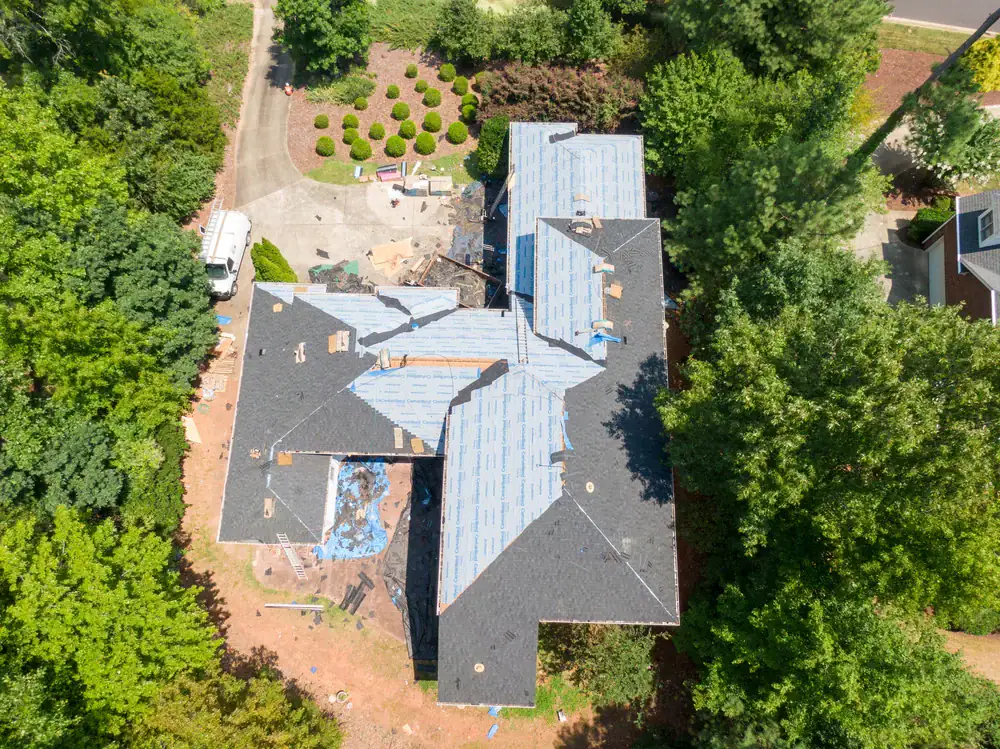
First, we inspect your roof. Not from the ground—we get up there, often using drones for safety and thoroughness. We document everything with photos because that’s what insurance companies want and what you need if there’s ever a question about what was done.
Then we talk through what we found. If your roof needs a full replacement, we’ll tell you. If it needs maintenance or a Title 24 cool roof restoration instead, we’ll tell you that too. Material costs are up—they account for 60% of most commercial roofing projects right now—so we’re transparent about pricing and why certain systems cost what they do.
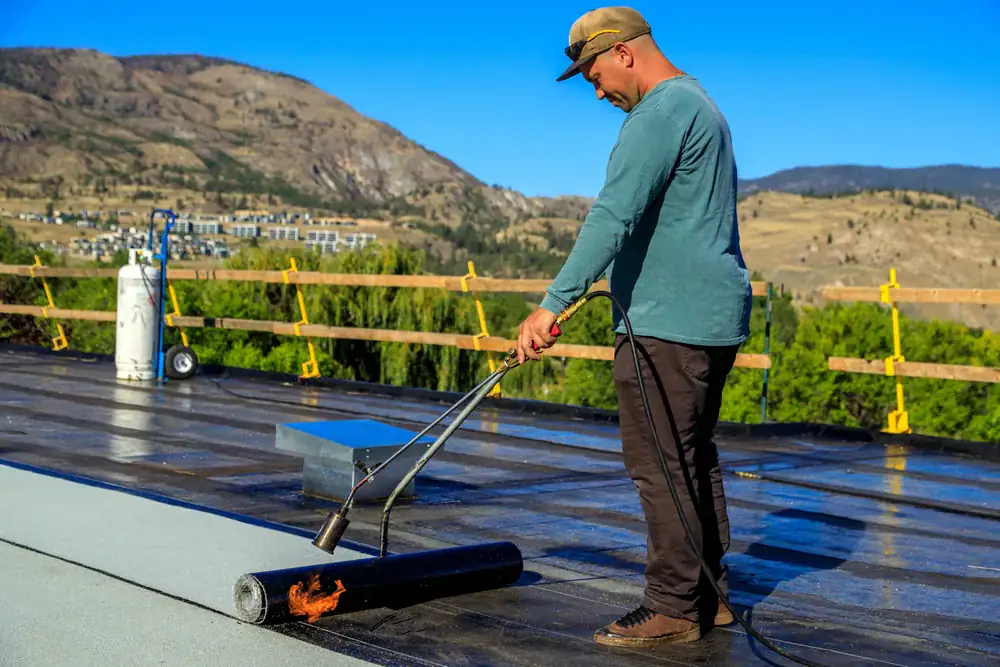
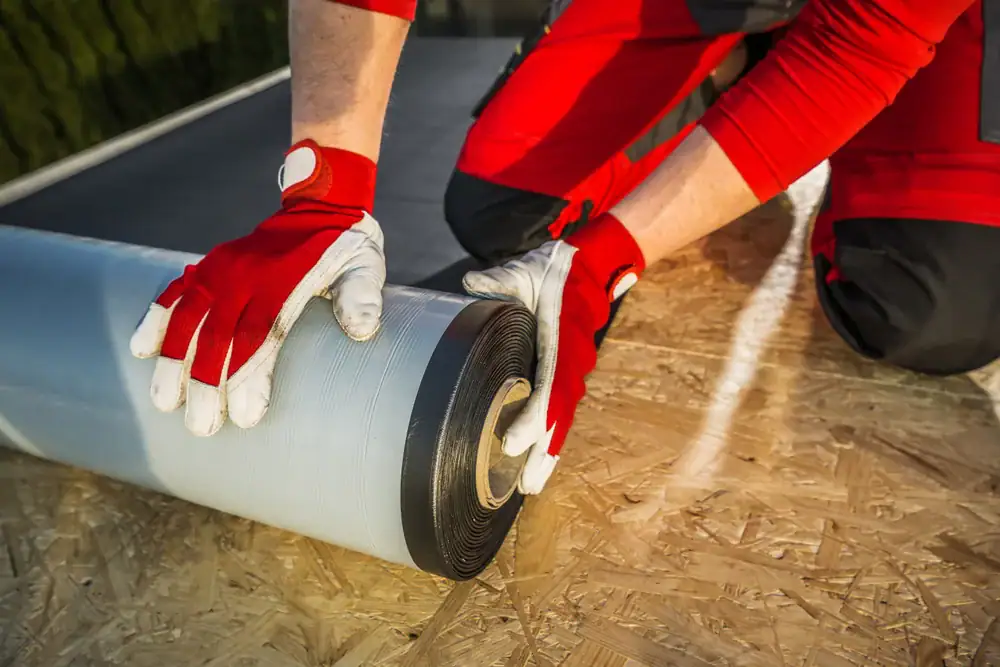
Installation depends on the system. TPO and PVC roofing require different techniques than traditional flat roof systems. We follow manufacturer specs exactly because that’s how you get the warranty and how the roof actually performs the way it’s supposed to.
After installation, we document the work. You get photos, warranties, and a maintenance schedule. Commercial roof maintenance isn’t optional if you want your investment to last. We’ll walk you through what that looks like and how often it needs to happen based on your specific roof type and Topanga’s weather patterns.
You get a C-39 licensed contractor who’s legally qualified to do commercial roofing work in California. You get factory-certified installation that meets manufacturer requirements for warranty coverage. You get full insurance and bonding that protects your property if something goes wrong.
For commercial properties in Topanga, CA, Title 24 compliance isn’t optional—it’s law. We handle cool roof installations and restorations that meet California’s energy standards. That includes TPO roofing, PVC systems, and reflective coatings that reduce your cooling costs and keep you compliant during inspections.
We specialize in insurance claim work. When storm damage happens, we document everything with photos and detailed reports that adjusters actually accept. We’ve navigated enough claims to know what insurance companies require and how to present the information so you’re not fighting for coverage you’re entitled to.
Preventive maintenance programs are available because they work. Regular inspections catch small problems before they become expensive emergencies. In Topanga’s climate, where sun exposure and occasional heavy rain create specific wear patterns, maintenance extends roof life by years—sometimes decades.
Industrial roofing solutions for warehouses, retail centers, and multi-unit properties require different approaches than residential work. We handle large-scale projects with the crew size and equipment needed to minimize disruption to your operations.
Start with an inspection. Most commercial roofs show warning signs before they fail completely—ponding water that doesn’t drain within 48 hours, visible cracks or blistering in the membrane, or increased energy bills that suggest your roof’s insulation is compromised.
Age matters too. Single-ply TPO and PVC roofing typically lasts 15-25 years with proper maintenance. Traditional built-up roofs might go 20-30 years. If your roof is approaching the end of its expected lifespan and showing multiple problem areas, replacement often makes more financial sense than repeated repairs.
We’ll inspect your roof and tell you what we find. If maintenance or a cool roof restoration will buy you another 5-10 years, that’s usually the smarter move. If the underlying structure is compromised or the membrane is failing in multiple locations, replacement prevents the bigger problems that come with waiting too long.
Both are single-ply membrane systems that meet Title 24 cool roof requirements in California, but they handle different situations. TPO roofing costs less upfront and works well for most commercial applications in Topanga, CA. It’s heat-reflective, energy-efficient, and resists UV damage.
PVC roofing costs more but offers better chemical resistance and longer warranties—often 20-30 years. If your building has HVAC units, grease exhaust, or other rooftop equipment that might leak chemicals, PVC handles that exposure better than TPO.
Installation quality matters more than the material choice in most cases. A poorly installed PVC roof will fail faster than a properly installed TPO system. We’re factory-certified for both, which means we follow the manufacturer’s installation requirements exactly and you get the full warranty coverage that comes with certified work.
California’s Title 24 energy standards require cool roofs on certain commercial buildings, especially during re-roofing projects or new construction. Cool roofs reflect more sunlight and absorb less heat than traditional roofing materials, which reduces cooling costs and meets the state’s energy efficiency mandates.
If you’re replacing more than 50% of your roof or adding a new structure, Title 24 compliance is mandatory. The specific requirements depend on your building type, roof slope, and climate zone. Topanga falls under regulations that prioritize reflective roofing materials like TPO, PVC, or cool roof coatings.
We handle Title 24 compliance as part of every commercial roofing project. That includes selecting materials that meet the required Solar Reflectance Index (SRI) values, proper installation, and documentation for building inspectors. Non-compliance can delay your project, void permits, or create problems when you sell the property.
Regular maintenance catches small problems before they become expensive failures. Debris clogs drains, which creates ponding water, which breaks down your roof membrane faster. A simple drain cleaning during a maintenance visit prevents that entire chain of damage.
Seams and flashing are the most common failure points on commercial roofs. During maintenance inspections, we check those areas for separation, cracks, or wear. Resealing a small section of flashing costs a few hundred dollars. Replacing an entire section of roof because water infiltrated through failed flashing costs thousands.
Most commercial roofs fail prematurely because of neglect, not age. A TPO roof that should last 20 years might fail in 12 if it’s never inspected or maintained. The same roof with annual inspections and minor repairs as needed can exceed its expected lifespan by 5-10 years. The math is simple—spending a few hundred dollars annually on maintenance saves tens of thousands on premature replacement.
Insurance adjusters want documentation. When storm damage happens, we photograph everything—the damage itself, the surrounding areas for context, and the underlying structure if membranes are lifted or torn. Those photos become the foundation of your claim.
Adjusters often push back on commercial roofing claims, especially if the damage isn’t obvious or if they suspect the roof was already failing due to age or poor maintenance. We’ve handled enough claims to know what questions they’ll ask and what evidence they need to approve coverage.
Timing matters. Most insurance policies require prompt reporting of damage. If you wait weeks or months, the insurance company can argue that additional damage occurred because you didn’t act quickly enough. We respond fast to storm damage calls in Topanga, CA, and we help you document everything properly so your claim moves forward without unnecessary delays or denials.
Material costs have jumped significantly. Asphalt, polymers, and other roofing materials saw price increases throughout 2024, and shipping costs added another layer of expense. Materials now account for up to 60% of most commercial roofing project budgets, compared to 40-50% just a few years ago.
Labor costs are up too. The roofing industry faces a shortage of skilled workers, which drives wages higher. A qualified commercial roofer with proper training and certifications costs more than an untrained laborer, but the difference in installation quality is massive. Poor installation voids warranties and leads to premature failure, which costs far more in the long run.
Energy code compliance adds complexity. Title 24 cool roof requirements mean we can’t just use the cheapest materials available—we have to use systems that meet specific reflectivity and energy performance standards. Those materials cost more upfront but save you money on energy bills and keep you compliant with California regulations.
Other Services we provide in Topanga