State Licensed “SINCE 1982”

CSLB C-39 #432352

Full Workers Comp. & $2M Liability Insurance
OUR EMPLOYEE ROOFERS ARE FACTORY CERTIFIED
*Serving most of Southern California*
State Licensed “SINCE 1982” CSLB C-39 #432352
Full Workers Comp. & $2M Liability Insurance
OUR EMPLOYEE ROOFERS ARE FACTORY CERTIFIED.

*Serving most of Southern California*

Commercial Roofing Contractor in Torrance, CA

Roofs That Protect Your Operations and Your Bottom Line

Coastal conditions demand more from your commercial roof. We install and maintain flat roof systems built to handle salt air, ponding water, and California’s Title 24 requirements.
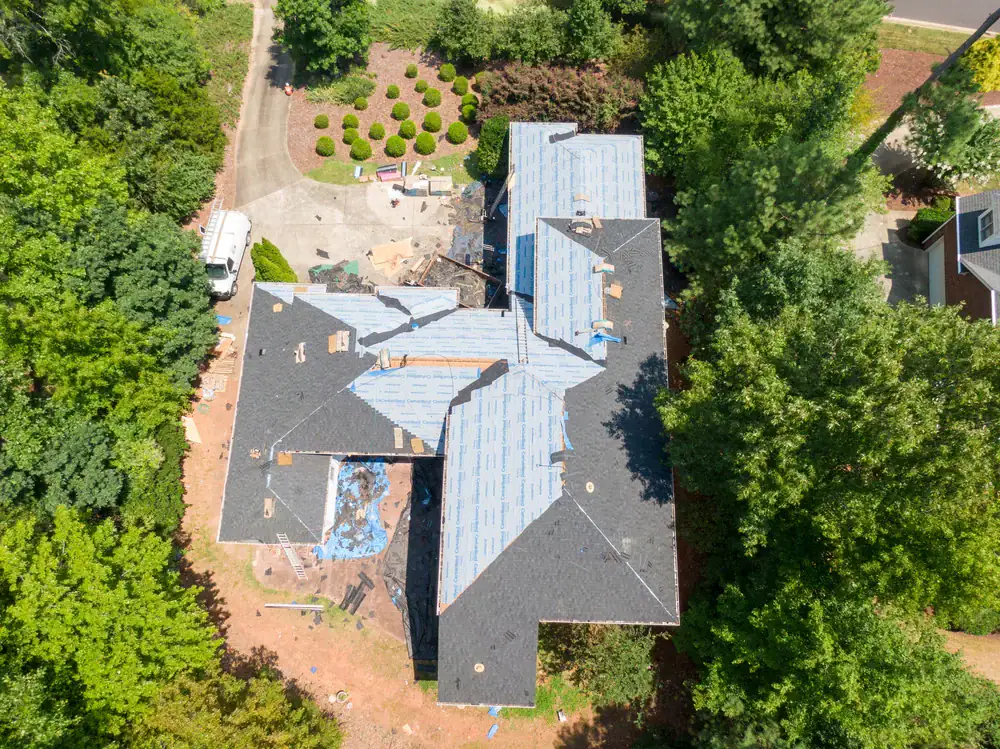
Aerial view of a residential roof undergoing commercial roofing repairs in Acton, California.
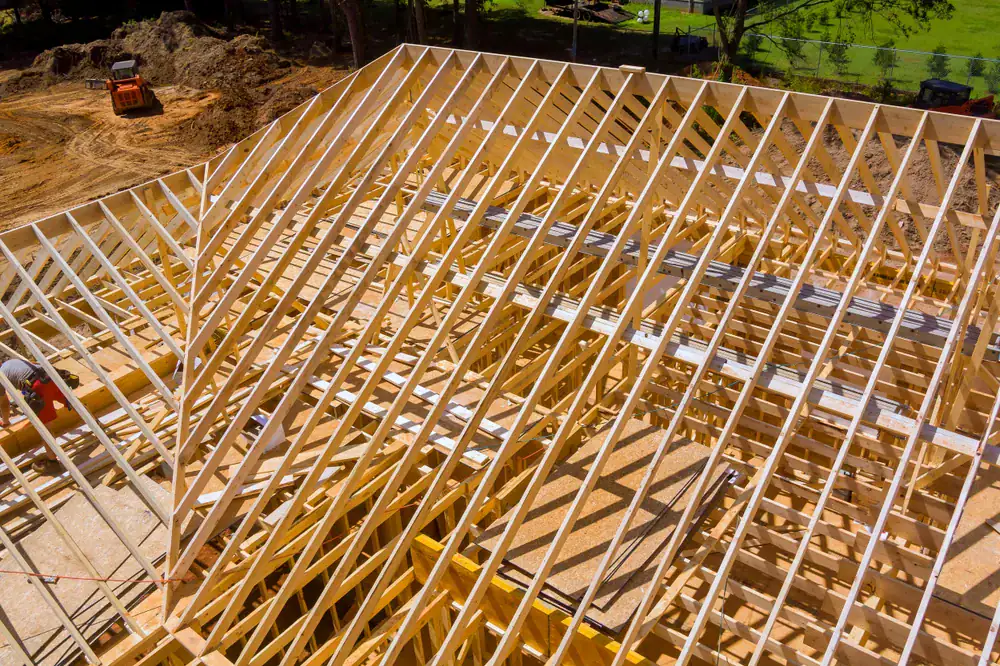
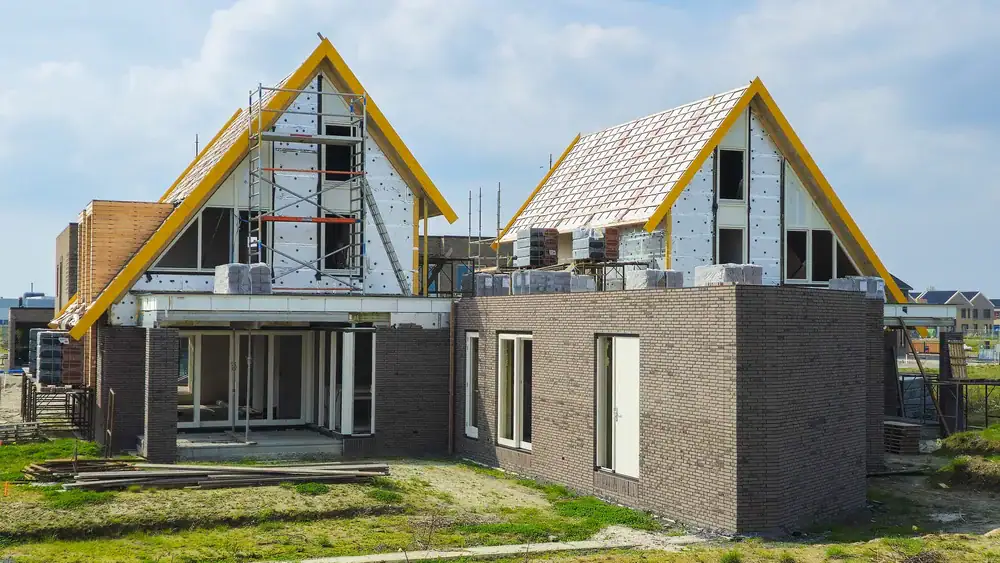
Roof framing under construction in Acton, CA for a commercial building.

Commercial Roof Systems in Torrance, CA

What a Properly Installed Commercial Roof Actually Does

Your roof stops being a problem. No more emergency calls about leaks during operating hours. No more worrying whether your building is compliant with Title 24 energy standards. No more wondering if the last contractor actually knew what they were doing.

A commercial roof installed correctly means your HVAC costs drop because cool roof technology is doing its job. Your insurance premiums stay manageable because you’ve got documentation and proper maintenance records. Your tenants or employees aren’t dealing with water damage or mold concerns.

You get predictable expenses instead of surprise repair bills. The roof lasts as long as it’s supposed to—20 to 30 years for TPO and PVC systems when installed right. And when you do need service, you’re calling someone who already knows your building and has the original installation photos on file.

Torrance Commercial Roofing Since 1982

Four Decades of Commercial Roofing in Coastal Conditions

We’ve been handling commercial roofing in Torrance and throughout Los Angeles County since 1982. We hold California C-39 roofing specialty license #432352, carry $2 million in liability coverage, and maintain an A+ BBB rating.

Our crews aren’t subcontractors rotating through different companies. Many have been with us for over 20 years. They’re factory-certified in the systems we install, and they understand how salt air from the coast accelerates wear on roofing materials.

Eighty-six percent of our work comes from referrals and repeat clients. Property managers call us back because we document everything with photos, show up when scheduled, and don’t disappear when warranty issues come up. We’ve completed over $75 million in roofing projects, and we’re still a family-owned business that answers the phone.

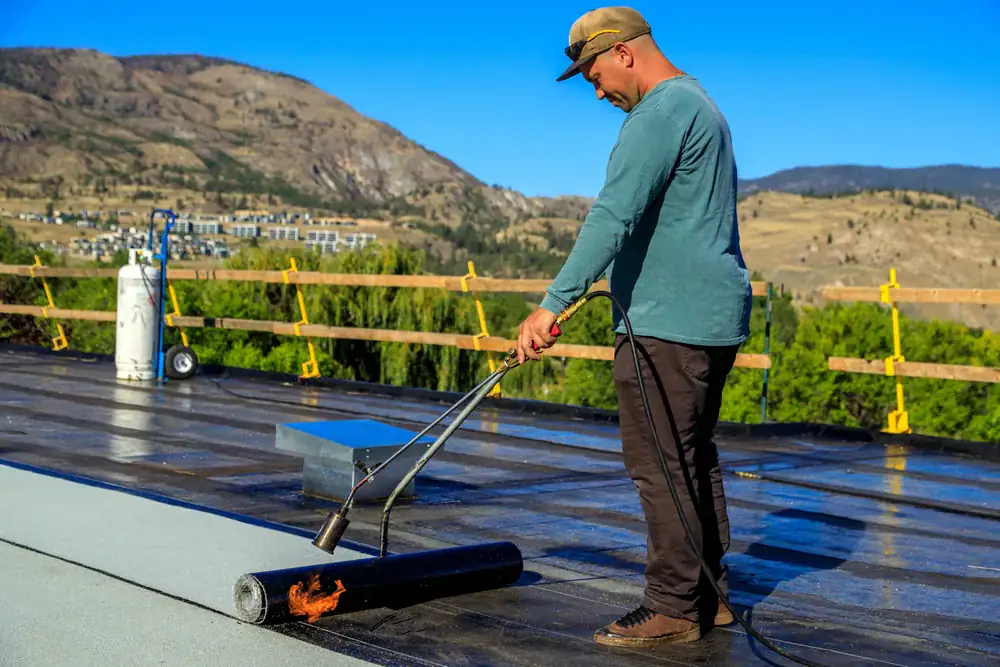
Professional roofing contractor applying roofing membrane on commercial roof in Acton, CA.

Commercial Roof Installation Process Torrance

How We Handle Your Commercial Roof Project

We start with a roof inspection that identifies current problems, measures for accurate estimates, and checks whether your existing system can be restored or needs full replacement. You get photos of problem areas and a written assessment that explains what’s happening and why.

If you’re moving forward, we schedule the work around your business operations. For many commercial buildings in Torrance, that means coordinating with tenants, planning around weather windows, and staging materials so we’re not blocking access. We pull permits, order materials directly from manufacturers, and confirm everything is Title 24 compliant before installation starts.

During installation, our crews use marine-grade fasteners and materials rated for coastal exposure. We document each phase with photos—substrate prep, membrane installation, flashing details, penetration seals. You’re not guessing whether it was done right. After completion, you receive warranty paperwork, maintenance recommendations, and a full photo record of the installation. Most commercial projects in the South Bay area take one to three weeks depending on size and complexity.

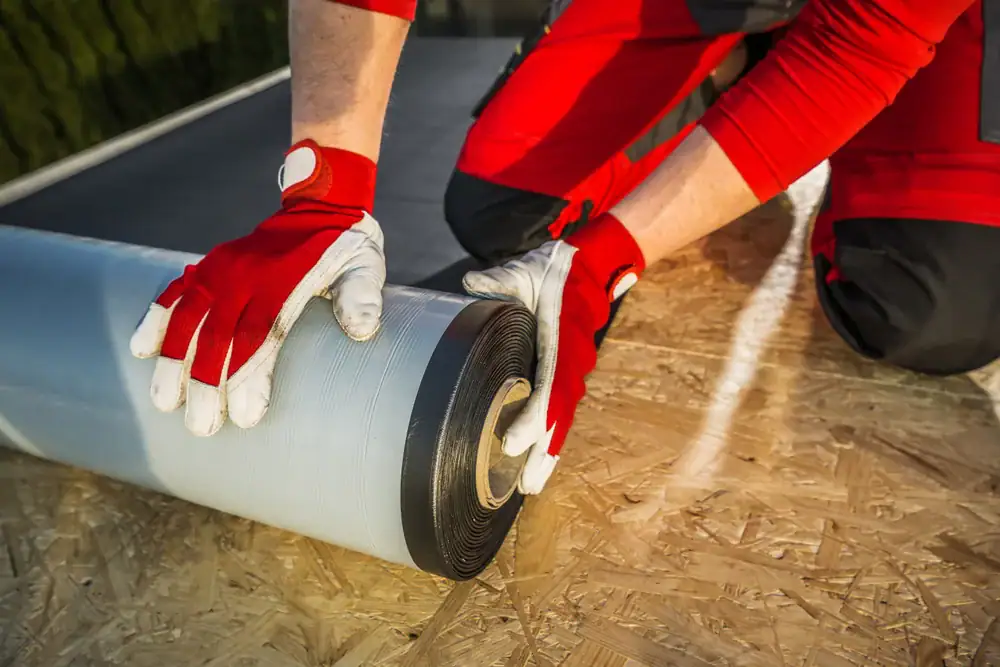
Roofing membrane installation for commercial building in Acton, CA.

Explore More Services

About Royal Roofing Company

Flat Roof Systems and TPO Roofing Torrance

Commercial Roofing Systems We Install and Maintain

We install single-ply membrane systems including TPO and PVC roofing, which are the most common choices for commercial buildings in Torrance because they meet Title 24 cool roof requirements and handle coastal humidity well. TPO offers strong heat-welded seams and good puncture resistance. PVC costs more but lasts longer in areas with heavy sun exposure and chemical exposure from HVAC exhaust.

For buildings with existing built-up roofing, we work with modified bitumen, hot tar cap sheet, and rock systems. These are less common on new construction but still make sense for certain retrofit situations or when matching existing sections. We also handle EPDM rubber roofing, though it’s less ideal for Torrance’s UV exposure compared to TPO or PVC.

Commercial roof maintenance is part of what we do—not just installation. Ponding water is the biggest issue we see on flat roofs in this area. Drains clog with debris, roof areas sag over time, and water sits longer than it should. We clear drains, patch problem areas before they become leaks, and reseal penetrations around HVAC units and vents. Regular maintenance catches small problems while they’re still cheap to fix.

Title 24 cool roof restoration is an option if your existing roof is structurally sound but no longer meets California energy standards. We apply reflective coatings that reduce cooling costs and bring older roofs into compliance without full tear-off. It’s not right for every situation, but when it works, it saves you significant money compared to replacement.

New commercial roofing installation on modern buildings in Acton, CA.

How long does a commercial roof replacement take in Torrance?

Most commercial roof replacements in Torrance take one to three weeks depending on building size, roof complexity, and weather. A small office building with a straightforward flat roof might be done in five to seven days. Larger industrial buildings or properties with multiple roof levels, lots of HVAC equipment, or complicated drainage systems take longer.

Weather matters more than most people expect. We can’t install TPO or PVC roofing in rain, and we need dry substrate before membranes go down. Torrance gets most of its rain between November and March, so projects during those months sometimes have weather delays built into the schedule.

We coordinate timing around your business operations. If you can’t have noise or disruption during business hours, we schedule work for evenings or weekends. That extends the timeline but keeps your operations running. We’re upfront about realistic schedules during the estimate so you can plan accordingly.

TPO and PVC are both single-ply membrane systems that meet Title 24 cool roof requirements, but they’re not interchangeable. TPO costs less—usually 20 to 30 percent cheaper than PVC. It’s a solid choice for most commercial buildings in Torrance, especially if you don’t have chemical exposure from restaurant exhaust or industrial processes. TPO seams are heat-welded, which creates strong, watertight bonds.

PVC costs more but lasts longer in harsh conditions. It handles UV exposure better, resists chemicals and grease, and stays flexible in temperature swings. If your building has rooftop HVAC units that exhaust chemicals, or if you’re near the coast where salt air is constant, PVC is worth the extra cost. It typically lasts 25 to 30 years compared to 20 to 25 for TPO.

Both systems are available in white or light colors that reflect heat and reduce cooling costs. The real decision comes down to your building’s specific conditions and how long you plan to own the property. We walk through the cost difference and expected lifespan during estimates so you can make the call based on actual numbers, not sales pressure.

It depends on how much of the roof is damaged and whether the underlying structure is sound. If you’ve got isolated leaks around penetrations or a few areas where the membrane is worn, repairs usually make sense. If more than 25 to 30 percent of the roof surface is compromised, or if the insulation underneath is wet, replacement is typically more cost-effective long-term.

We see a lot of ponding water issues on flat roofs in Torrance. If water sits in the same spots for more than 48 hours after rain, that’s a problem. Sometimes we can fix drainage with tapered insulation or additional drains. Other times the roof deck has sagged and the whole system needs to come off so we can address the structural issue.

Age matters too. If your roof is already 20-plus years old and you’re starting to see multiple problem areas, repairs become a short-term band-aid. You’ll spend money now and still need replacement in a few years. We give you an honest assessment during inspection—what needs immediate attention, what can wait, and what the realistic lifespan is if you repair versus replace. You decide based on your budget and plans for the building.

Title 24 is California’s energy code, and it sets requirements for how much heat your roof can absorb. Most commercial buildings in Torrance fall under Climate Zone 6, which requires cool roofs on low-slope applications. That means your roofing material needs to meet minimum standards for solar reflectance and thermal emittance—basically, how much sunlight it reflects and how much heat it releases.

If you’re replacing more than 50 percent of your roof or doing major alterations, you need to meet current Title 24 standards. White TPO and PVC roofing systems meet these requirements easily. Darker materials or built-up roofing typically don’t unless you add a reflective coating. Your building permit won’t be approved without Title 24 compliance documentation.

The energy savings are real. Cool roofs can reduce your air conditioning costs by 10 to 20 percent depending on your building’s insulation and HVAC efficiency. In Torrance’s climate with hot, dry summers, that adds up. We handle the Title 24 paperwork as part of the installation process—material certifications, compliance forms, and documentation for your building department. You don’t need to become an expert in energy code. We make sure it’s done right so your permit closes without issues.

Salt air accelerates corrosion on metal components—fasteners, flashing, HVAC curbs, and any exposed metal edges. We see roofs fail early in Torrance because contractors used standard galvanized fasteners instead of stainless steel. The salt eats through the coating, fasteners corrode, and the membrane pulls loose. It’s a completely preventable problem if you use the right materials from the start.

Humidity is higher near the coast, which means longer dry times after rain and more chance for moisture to get trapped under roofing materials during installation. We don’t install membranes over damp substrate, even if it looks dry on the surface. Trapped moisture leads to blistering, insulation breakdown, and premature roof failure. Inland contractors who don’t work in coastal areas regularly sometimes miss this.

UV exposure is intense in Southern California, and it breaks down roofing materials faster than in other parts of the country. PVC and TPO hold up well, but lower-quality membranes or improperly installed systems degrade quickly. We use materials rated for high UV exposure and make sure seams are properly welded so they don’t separate under thermal expansion and contraction. Torrance roofs need to be installed with coastal conditions in mind, not treated like an inland project.

Check their license first. California requires a C-39 roofing specialty license for commercial work, not just a general contractor license. You can verify license status and see if they’ve had complaints or violations through the Contractors State License Board website. Also confirm they carry workers’ compensation insurance and at least $1 million in general liability coverage. You don’t want to be liable if someone gets hurt on your property.

Ask how long their crews have been with them and whether they’re factory-certified in the systems they install. High crew turnover usually means quality problems. Experienced installers who’ve been trained by manufacturers do better work and catch problems before they become expensive failures. Ask to see examples of similar projects—commercial buildings in coastal areas with the same roofing system you’re considering.

Get references from property managers or business owners, not just a list of completed projects. Call them and ask specific questions: Did the contractor show up on schedule? Were there surprise costs? How did they handle problems that came up during installation? Do they respond when you call about warranty issues? A contractor’s reputation with past clients tells you more than their marketing materials ever will. And make sure everything is documented in writing—scope of work, materials being used, timeline, payment schedule, and warranty terms.

Other Services we provide in Torrance