Appointments Available
Phone Support 24/7
Bell Gardens, CA 90201
*Serving most of Southern California*
Appointments Available
Phone Support 24/7
Bell Gardens, CA 90201
Your cooling costs drop when your roof reflects heat instead of absorbing it. That’s what TPO and PVC roofing systems do—they bounce back up to 87% of UV rays, which means your HVAC isn’t working overtime all summer.
You also get compliance handled. California’s Title 24 cool roof requirements aren’t going away, and the 2025 standards just raised the bar. We install Energy Star-qualified systems with CRRC ratings that meet code the first time, so you’re not scrambling during inspections or dealing with costly retrofits later.
And here’s what matters most: your roof lasts. Single ply membrane roofing systems like TPO and PVC outlast the typical 17-year commercial roof lifespan by a decade or more. That’s fewer replacements, fewer disruptions, and more years where your roof just works.
We’ve been handling commercial, industrial, and multi-family roofing in Walnut Park and across Los Angeles County since 1980. That’s over 40 years of flat roof systems, Title 24 cool roof restoration, and maintenance work on properties just like yours.
We hold the C-39 specialty roofing license and maintain GAF Master Elite status—a certification held by only the top 2% of roofing contractors nationwide. Our crews are factory-trained and certified, not subcontractors who show up once and disappear. Many of our team members have been with us for decades, which means the people on your roof know what they’re doing.
Walnut Park sits in a high-solar-exposure area where cool roofing isn’t just smart—it’s required. We’ve worked with property managers, business owners, and facility operators throughout LA County who need roofs that meet code, cut energy costs, and don’t fail during business hours.
First, we assess your roof and your building’s specific needs. That means looking at your current system, checking for Title 24 compliance requirements based on your climate zone and roof type, and understanding whether you need a full replacement, restoration, or targeted repairs. We document everything with photos, which becomes critical if insurance is involved.
Next, we walk you through your options. TPO works well for most commercial applications—it’s cost-effective, durable, and meets cool roof standards. PVC makes more sense if you’re running a restaurant or industrial facility where grease and chemicals are present, because it resists that kind of exposure better than other materials. We explain the differences plainly so you can make the right call for your property.
Then our in-house crew gets to work. We don’t subcontract the job out. Our project manager, foreman, and installation team coordinate the timeline to minimize disruption to your operations. We handle the tear-off if needed, install the new membrane, complete all flashing and seam work, and ensure every detail meets manufacturer specs and Title 24 requirements. You get progress updates and photo documentation throughout the project, and we don’t consider the job done until you’re satisfied and your roof passes inspection.
You get a roof system designed for Los Angeles County’s climate and code requirements. That includes Energy Star-qualified TPO or PVC membranes with CRRC ratings that satisfy Title 24 cool roof standards. These systems reflect solar heat, reduce your building’s cooling load, and can contribute LEED credits if that matters for your property.
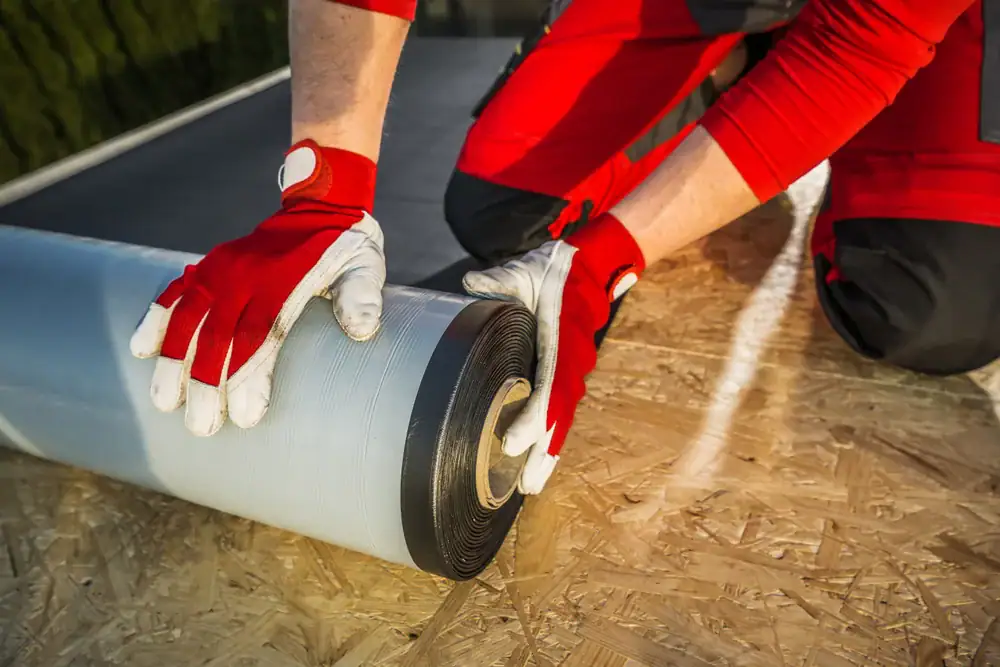
We handle the full scope: tear-off and disposal of your old roof if replacement is needed, installation of new insulation to improve energy performance, proper membrane installation with heat-welded seams that won’t leak, and all flashing, penetrations, and edge details completed to manufacturer specifications. If you’re restoring an existing roof, we apply cool roof coatings that extend lifespan and bring your building into compliance without a full replacement.
You also get documentation. We photograph every phase of the project, which is essential for insurance claims, warranty activation, and your own records. Our work comes with manufacturer-backed warranties because we’re factory-certified installers—we’ve held GAF Master Elite status since 2002, which means we meet the highest standards in the industry. And if you need financing to make the project manageable, we offer flexible payment plans with low monthly options and no-interest terms available. Walnut Park property owners often face budget constraints, and we’d rather help you get the roof you need now than watch your building deteriorate while you wait.
If you’re replacing more than 50% of your roof area, installing a new roof, or making significant alterations to your building in California, Title 24 cool roof requirements apply. The specifics depend on your climate zone, roof slope, and building type, but Walnut Park falls under regulations that require cool roofs for most commercial properties.
The key compliance factor is your roof’s CRRC rating—that’s the Cool Roof Rating Council certification that measures solar reflectance and thermal emittance. Any roofing product used for Title 24 compliance needs this rating, and it has to meet minimum thresholds based on your building’s characteristics. Low-slope roofs, which include most flat commercial roofs, typically need higher reflectance values than steep-slope roofs.
Here’s what matters: if you’re doing work on your roof and you’re not sure about compliance, you need to find out before you start. Non-compliant roofing can fail inspections, delay your project, and cost you significantly more to fix after the fact. We assess your specific situation during the initial consultation and tell you exactly what’s required for your property.
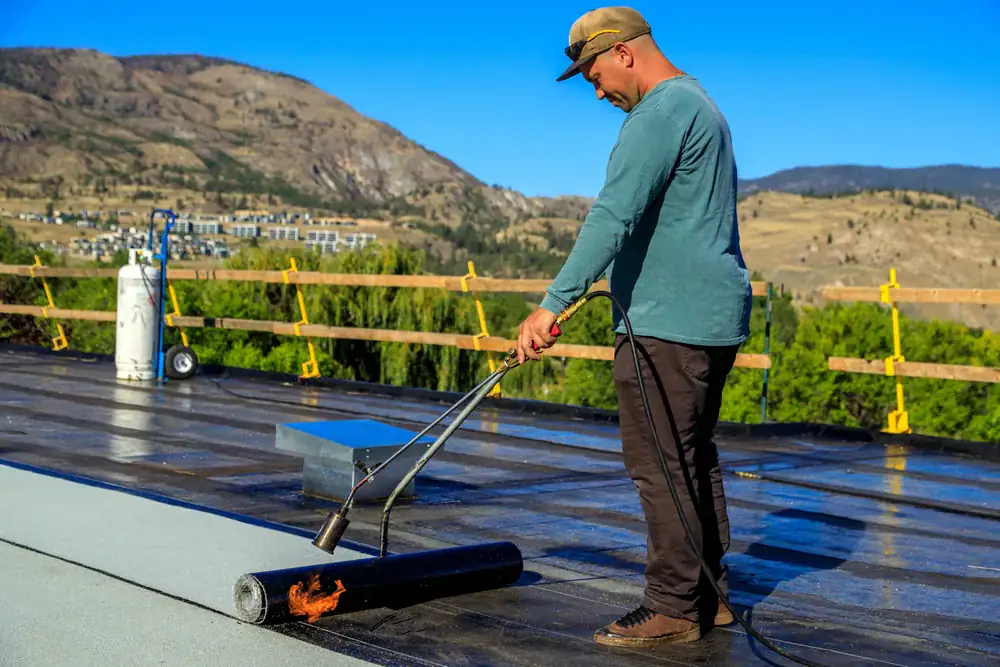
Both are single ply membrane systems that meet Title 24 cool roof standards, but they’re not interchangeable. TPO—thermoplastic polyolefin—has become one of the most common commercial roofing materials because it balances performance and cost effectively. It’s heat-weldable, which creates strong seams, and white TPO membranes reflect up to 87% of UV rays. TPO typically lasts 15-30 years depending on installation quality and maintenance.
PVC—polyvinyl chloride—costs more upfront but offers superior chemical and grease resistance. If you operate a restaurant with rooftop exhaust, an industrial facility with chemical exposure, or any building where grease or harsh substances contact the roof, PVC holds up better long-term. PVC membranes also last 20-30 years and maintain their integrity in challenging environments where TPO might degrade faster.
The decision comes down to your building’s use and your budget. Most commercial properties do fine with TPO. Facilities with specific exposure concerns benefit from PVC’s added durability. We evaluate your situation and recommend the system that makes sense for your property, not the one that makes us the most money.
Commercial buildings in Los Angeles County typically see 10-30% reductions in cooling costs after installing cool roofing systems, but your actual savings depend on several factors. Building size, insulation levels, HVAC efficiency, and how much of your energy load goes toward cooling all affect the outcome.
Here’s what drives the savings: traditional dark roofs absorb heat and can reach surface temperatures of 150-180°F on summer days. That heat transfers into your building, forcing your HVAC system to work harder and run longer. Cool roofs with high solar reflectance stay 50-60°F cooler, which means less heat enters your building and your cooling system runs less frequently.
Walnut Park’s climate makes this especially relevant. You’re in a high-solar-exposure area with extended cooling seasons, so the impact of a reflective roof compounds over time. The U.S. Department of Energy recognizes TPO and PVC as “cool roof” options specifically because of their measurable energy performance. You won’t eliminate your cooling costs, but you’ll see a noticeable difference in your utility bills, and the roof pays for itself faster through those savings.
Most commercial roof replacements take one to three weeks depending on the size of your building, the complexity of the existing system, and weather conditions. A straightforward 10,000-square-foot flat roof replacement might take a week. Larger buildings, multiple roof levels, or extensive repairs to the underlying deck extend the timeline.
We minimize disruption by coordinating the work around your operations. That might mean focusing on one section at a time so your building stays functional, scheduling noisy tear-off work during off-hours if you have tenants or customers on-site, or working weekends to compress the timeline. Our project manager communicates the schedule clearly before we start, and we update you if anything changes.
Here’s what you should expect: some noise during tear-off and installation, restricted access to certain roof areas or loading zones while we work, and occasional equipment on-site like dumpsters and lifts. We protect your property, keep the work area contained, and clean up daily. Most businesses continue operating normally during roof replacement. If your situation requires special accommodations—like a medical facility that can’t have noise during certain hours—we build that into the plan from the beginning.
Insurance claims for commercial roof damage require proper documentation, and that’s where most property owners struggle. Adjusters need clear evidence of the damage, proof that it resulted from a covered event like wind or hail, and verification that the roof was properly maintained before the incident. Without that documentation, claims get denied or underpaid.
We handle insurance-claim compliance as part of our process. That means photographing all damage thoroughly, documenting pre-existing conditions separately so they don’t complicate your claim, providing detailed estimates that match insurance company expectations, and communicating directly with adjusters when needed. We’ve worked with property managers and building owners throughout LA County on insurance-driven roofing projects, and we know what carriers require.
Here’s what makes this important: commercial roof claims are more complex than residential ones because of building codes, Title 24 compliance requirements, and the scale of the work involved. If your damaged roof needs replacement, the new system has to meet current cool roof standards even if the original roof didn’t. We factor that into the claim documentation and help you understand what your policy covers versus what code upgrades might cost extra. You’re not navigating that process alone.
Yes, and maintenance is how you get the full lifespan out of your commercial roof. TPO and PVC systems can last 20-30 years, but only if they’re inspected regularly and small problems get fixed before they become major failures. Most commercial roof failures happen because minor issues—clogged drains, small punctures, loose seams—go unnoticed until water intrusion damages the building interior.
Our maintenance plans include scheduled inspections, typically twice a year, where we check all seams, flashing, penetrations, and drainage systems. We clear debris, identify any developing problems, and handle minor repairs on the spot. You get a documented report after each visit, which is valuable for your records and essential if you ever need to file an insurance claim or sell the property.
Here’s why this matters in Walnut Park: your roof is exposed to intense UV radiation, thermal cycling, and occasional severe weather. Regular maintenance catches deterioration early when repairs are inexpensive. Skipping maintenance means you’ll likely face emergency repairs during the worst possible time—usually when it’s raining and your building is flooding. We’ve been servicing commercial properties in LA County for over 40 years, and the buildings with maintenance plans consistently avoid the costly disasters that hit neglected roofs.
Other Services we provide in Walnut Park