State Licensed “SINCE 1982”

CSLB C-39 #432352

Full Workers Comp. & $2M Liability Insurance
OUR EMPLOYEE ROOFERS ARE FACTORY CERTIFIED
*Serving most of Southern California*
State Licensed “SINCE 1982” CSLB C-39 #432352
Full Workers Comp. & $2M Liability Insurance
OUR EMPLOYEE ROOFERS ARE FACTORY CERTIFIED.

*Serving most of Southern California*

Commercial Roofing Contractor in West Puente Valley, CA

Your Roof Shouldn't Be Your Biggest Liability

Licensed commercial roofing contractor serving West Puente Valley with flat roof systems, TPO and PVC installations, Title 24 compliance, and maintenance that actually prevents problems.
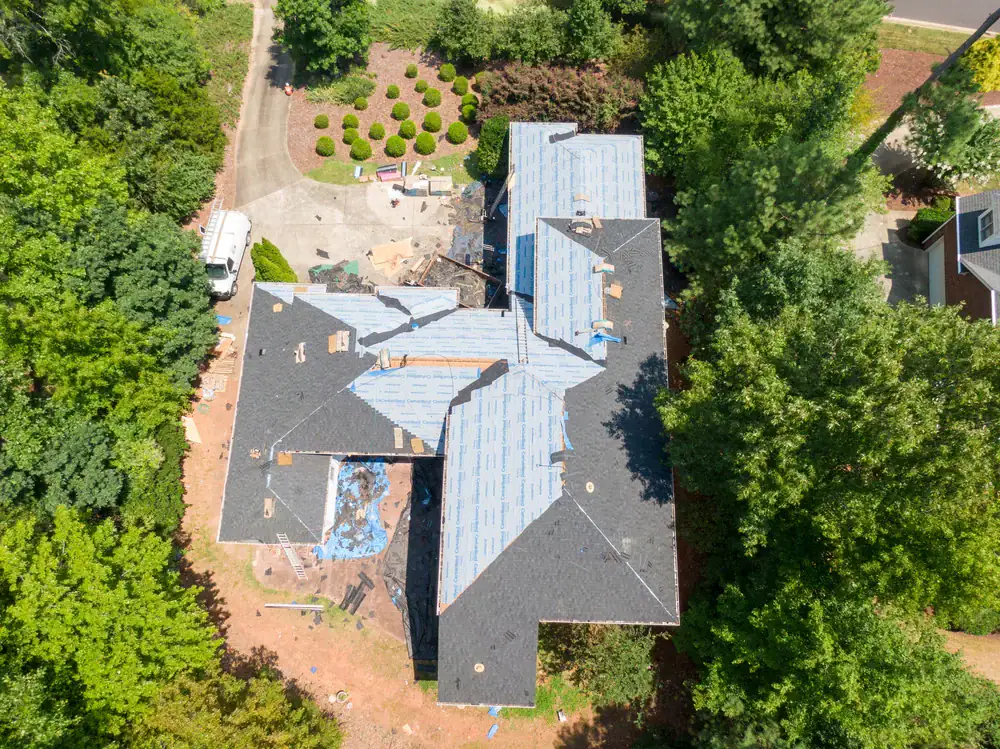
Aerial view of a residential roof undergoing commercial roofing repairs in Acton, California.
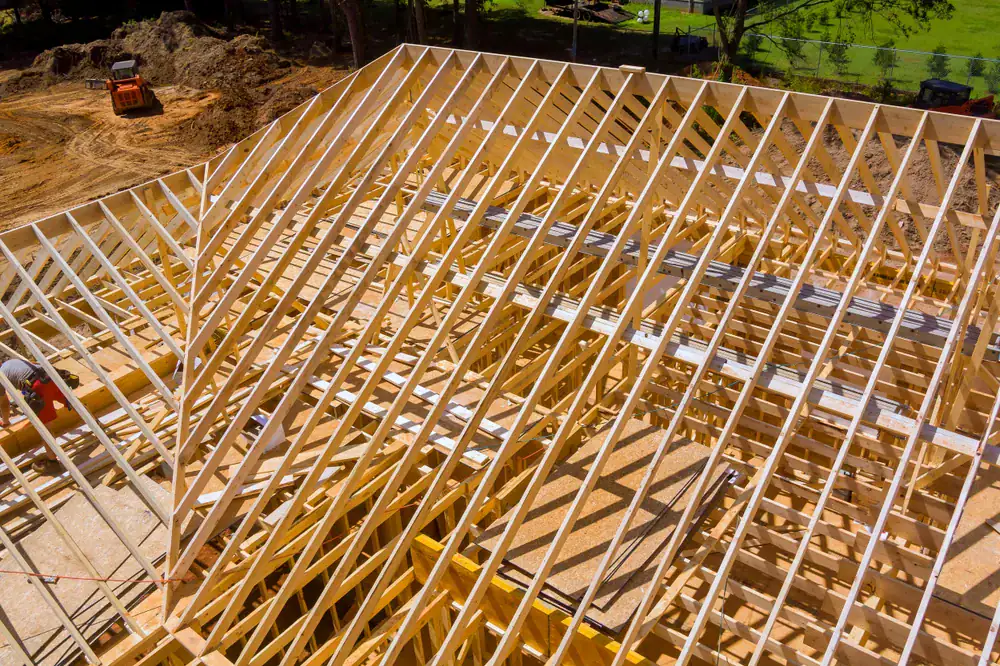
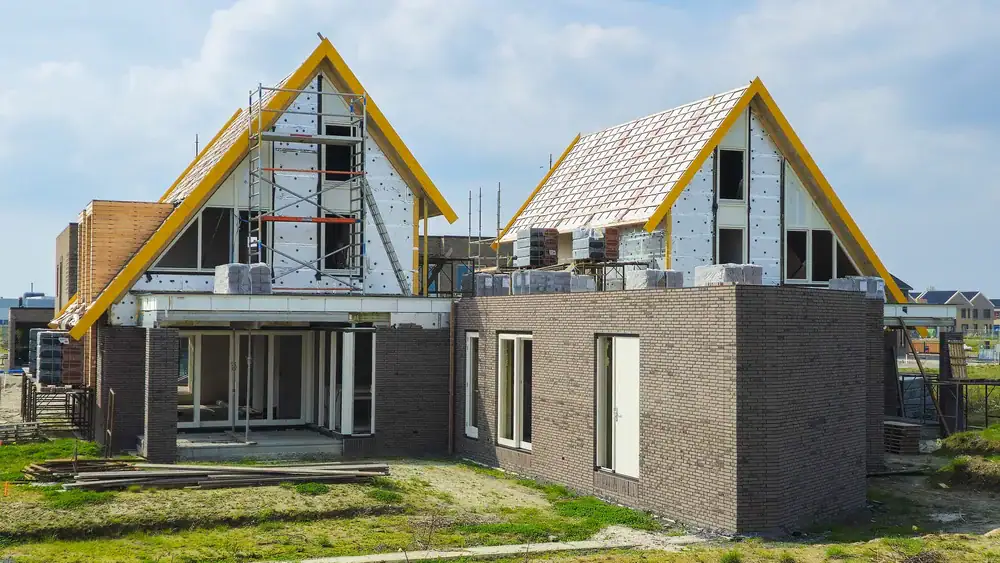
Roof framing under construction in Acton, CA for a commercial building.

Commercial Roofing Solutions in West Puente Valley

What You Get When Your Roof Actually Works

Your roof stops leaking. Water drains properly instead of pooling for days after rain. Your building stays cooler in summer, which means lower energy bills and fewer tenant complaints.

You’re not scrambling to find emergency repairs every time there’s a storm. You’re not dealing with mold remediation or interior damage because water got where it shouldn’t. Your roof just works, quietly doing its job while you focus on running your business.

That’s what happens when a commercial roof is installed correctly and maintained by people who know what they’re doing. You get compliance with California’s Title 24 cool roof requirements without the headache. You get a roof system designed for Southern California’s UV exposure and thermal stress. You get documentation that insurance companies actually accept when you need it.

Most importantly, you get years added to your roof’s lifespan because someone’s actually paying attention to the small problems before they become expensive ones.

Licensed Roofing Contractor Serving West Puente Valley

Nearly 50 Years, Same Crews, Same Standards

We’ve been handling commercial roofing in Los Angeles County since the 1970s. We hold a C-39 specialty contractor license, factory certifications from major manufacturers, and an A+ BBB rating.

What matters more than credentials is this: our crew members have been with us for decades. That’s not common in this industry. It means the people on your roof know what they’re doing because they’ve done it thousands of times before.

We serve property managers, business owners, and HOAs throughout West Puente Valley and the surrounding areas. Most of our work comes from referrals or repeat clients—sometimes the same families we worked with a generation ago. That doesn’t happen by accident.

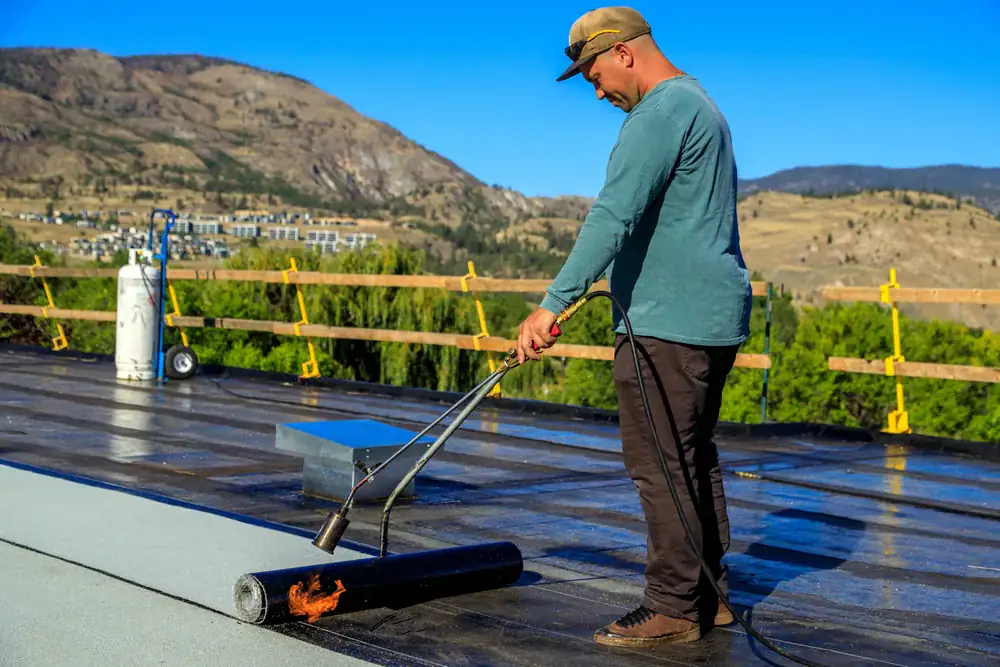
Professional roofing contractor applying roofing membrane on commercial roof in Acton, CA.

Commercial Roof Installation Process in West Puente Valley

Here's What Happens From Start to Finish

We start with an inspection—often using drones so no one has to risk their safety walking a questionable roof. You get photos, documentation, and a clear explanation of what’s wrong and why. No jargon, no upselling.

If it’s an insurance claim, we document everything the way insurance companies need to see it. If it’s maintenance or a repair, we show you exactly what needs attention now versus what can wait. You make the call.

Once you approve the scope, we schedule the work around your operations. For commercial properties, that usually means minimizing disruption to tenants or business hours. Our crews show up when they say they will, do the work correctly, and clean up after themselves.

Installation follows manufacturer specifications exactly—because that’s how warranties stay valid and roofs last as long as they’re supposed to. We handle Title 24 compliance documentation, building permits, and final inspections. When we’re done, you get a roof that’s built right and paperwork that proves it.

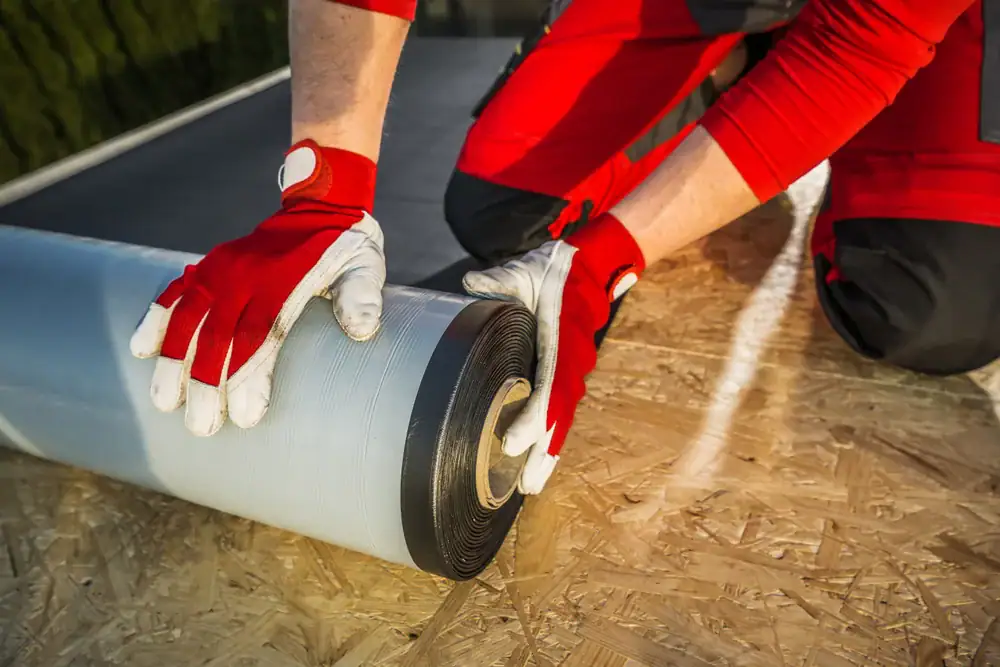
Roofing membrane installation for commercial building in Acton, CA.

Explore More Services

About Royal Roofing Company

Flat Roof Systems and Commercial Maintenance Services

What's Included in Commercial Roofing Service

We handle flat roof systems, TPO and PVC roofing installations, built-up roofing, modified bitumen, and hot mop applications. If your building has a low-slope or flat commercial roof, we’ve worked on dozens just like it in West Puente Valley.

Title 24 cool roof restoration is a big part of what we do. California requires commercial buildings over 2,000 square feet to meet cool roof standards when replacing or restoring low-sloped roofs. We’re certified to handle compliance, application, and documentation so you’re not stuck figuring it out yourself.

Commercial roof maintenance programs keep small problems from becoming big ones. Regular inspections catch issues like clogged drains, failing flashing, or membrane damage before they cause leaks. Most commercial roof replacements can be avoided if someone’s actually maintaining the roof—but most property managers don’t have time to climb up there every quarter.

We also handle emergency roof repairs. When a storm causes damage or a leak starts affecting your operations, you need someone who can respond quickly and fix it correctly the first time. Our crews are equipped to handle urgent situations without cutting corners.

Industrial roofing solutions for warehouses, manufacturing facilities, and large commercial properties are part of our scope too. These projects require coordination, safety protocols, and crews who understand how to work around active operations.

New commercial roofing installation on modern buildings in Acton, CA.

How long does a commercial roof replacement take in West Puente Valley?

Most commercial roof replacements take one to three weeks depending on the size of your building, the type of roofing system, and weather conditions. A small office building with a straightforward flat roof might be done in a week. A larger industrial facility or a complex multi-level property takes longer.

Weather plays a bigger role than most people expect. We can’t install certain roofing membranes in wet conditions or extreme heat. Southern California’s usually cooperative, but we do get rain in winter and occasional heatwaves that pause work for safety reasons.

We’ll give you a realistic timeline upfront and keep you updated if anything changes. Most of our clients care more about minimizing disruption than shaving off a few days, so we schedule around your operations whenever possible.

Both are single-ply membrane systems designed for flat and low-slope commercial roofs, but they’re not identical. TPO (thermoplastic polyolefin) is generally less expensive and performs well in most commercial applications. It’s heat-welded at the seams, reflects UV rays, and meets Title 24 cool roof requirements.

PVC (polyvinyl chloride) costs more but handles ponding water better and resists certain chemicals that TPO doesn’t. If your roof has HVAC units, grease exhaust vents, or drainage issues that cause standing water, PVC often makes more sense long-term.

Both systems last 20 to 30 years when installed correctly and maintained. The right choice depends on your building’s specific conditions, your budget, and how long you plan to own the property. We’ll walk you through the pros and cons based on what we see during the inspection—not based on what we’d rather install.

Yes, if you’re replacing or restoring a low-sloped roof on a commercial building over 2,000 square feet in California. Title 24 is part of the state’s energy code, and building departments enforce it. You can’t get a final inspection without proving compliance.

Cool roofs reflect more sunlight and absorb less heat than standard roofing materials. The goal is reducing energy consumption and urban heat island effects. For you, it means a cooler building and lower air conditioning costs—especially in West Puente Valley where summer temperatures regularly hit the 90s.

Compliance isn’t complicated if your contractor knows what they’re doing. We’re certified to install cool roof systems and handle the documentation that building departments require. You don’t have to become an expert in Title 24—you just need to hire someone who already is.

Twice a year minimum—once before winter rains and once after. That’s enough to catch most problems before they cause leaks or interior damage. If your building is older, has a history of leaks, or sits under trees that drop debris, quarterly inspections make more sense.

After major storms, you should have someone check for damage even if you don’t see obvious problems. Wind can lift membrane edges, hail can puncture surfaces, and debris can clog drains—all of which cause issues down the line if ignored.

Most commercial property managers don’t have time to inspect roofs themselves, and most maintenance staff aren’t trained to spot early warning signs. That’s why maintenance programs exist. We inspect, document what we find, and handle small repairs before they become emergencies. It’s a lot cheaper than replacing a roof years earlier than necessary because no one was paying attention.

Ponding happens when water sits on your roof for more than 48 hours after rain. It’s caused by improper slope, sagging roof decking, clogged drains, or settling that’s changed the roof’s original drainage pattern. Flat roofs aren’t actually flat—they’re supposed to have a slight slope toward drains. When that slope disappears, water pools.

Ponding accelerates membrane deterioration, creates mold and algae growth, adds weight stress to your structure, and eventually causes leaks. It’s one of the most common problems we see on commercial roofs in West Puente Valley, especially on older buildings.

Fixing it depends on what’s causing it. Sometimes it’s as simple as clearing blocked drains or scuppers. Other times we need to add tapered insulation to create proper slope, repair sagging decking, or install additional drains. We assess the cause during inspection and recommend the most cost-effective solution. Ignoring ponding water is expensive—it can cut your roof’s lifespan in half.

It depends on what caused the damage. Insurance typically covers sudden events like storm damage, fire, or vandalism. It doesn’t cover wear and tear, poor maintenance, or damage that happened gradually over time.

The key is documentation. Insurance adjusters need to see proof of what happened, what’s damaged, and what it’ll cost to fix correctly. We’ve worked with insurance companies for decades and know exactly how to document damage in ways they accept. That includes photos, detailed reports, and estimates that match industry standards.

If you’re filing a claim, call us before you call your insurance company. We can assess the damage, help you understand what’s likely covered, and provide documentation that supports your claim. A lot of claims get denied or underpaid because the documentation isn’t thorough enough—not because the damage isn’t real. We make sure that doesn’t happen.

Other Services we provide in West Puente Valley