State Licensed “SINCE 1982”

CSLB C-39 #432352

Full Workers Comp. & $2M Liability Insurance
OUR EMPLOYEE ROOFERS ARE FACTORY CERTIFIED
*Serving most of Southern California*
State Licensed “SINCE 1982” CSLB C-39 #432352
Full Workers Comp. & $2M Liability Insurance
OUR EMPLOYEE ROOFERS ARE FACTORY CERTIFIED.

*Serving most of Southern California*

Commercial Roofing Contractor in Westlake Village, CA

Roofs That Protect Your Investment and Your Bottom Line

Forty years of commercial roofing expertise in Westlake Village means we know what works here—and what fails. You get systems built right the first time.
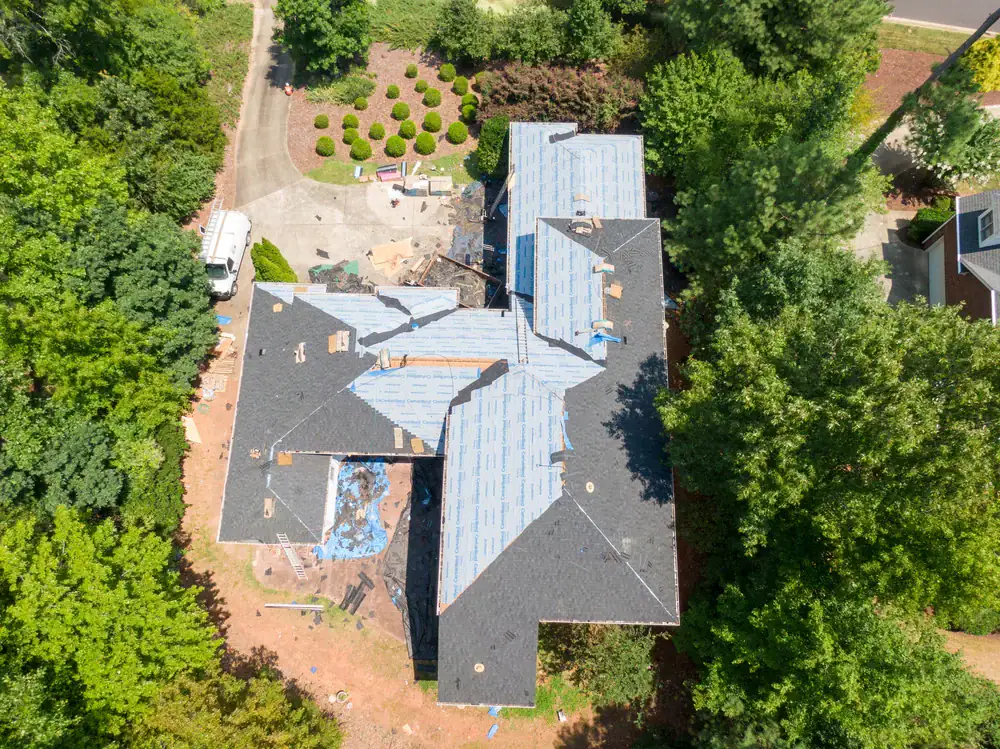
Aerial view of a residential roof undergoing commercial roofing repairs in Acton, California.
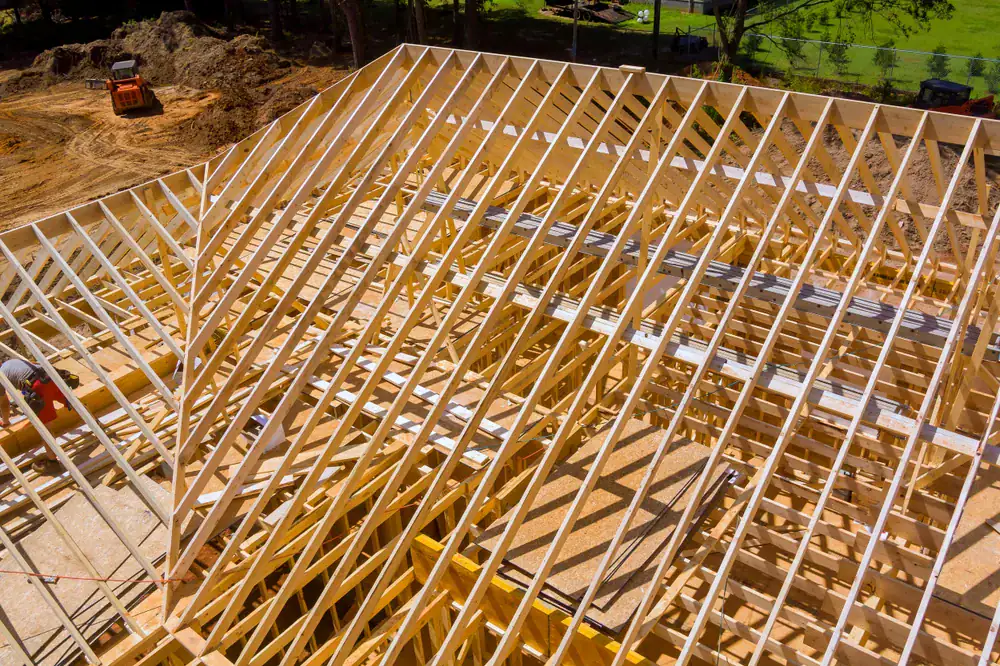
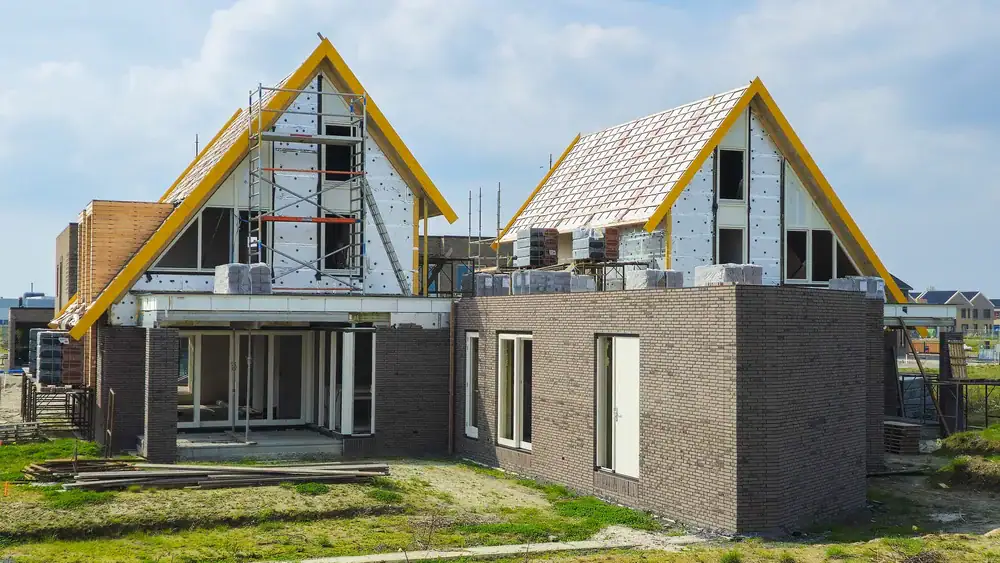
Roof framing under construction in Acton, CA for a commercial building.

Commercial Roof Systems in Westlake Village

Lower Energy Costs, Less Downtime, Longer Roof Life

You’re managing a commercial property where every day of operation matters. A roof failure doesn’t just cost you repair money—it costs you tenant satisfaction, business interruption, and emergency pricing when you’re backed into a corner.

The right commercial roofing system does three things: it keeps your building watertight through our seasonal rains and Santa Ana winds, it cuts your cooling costs with reflective surfaces that meet Title 24 cool roof standards, and it lasts long enough that you’re not back out here in five years doing this again.

TPO and PVC single-ply systems work well in Westlake Village because they handle UV exposure without breaking down, they’re heat-welded so there’s no relying on adhesives that fail, and they qualify for energy rebates. Built-up roofing and modified bitumen systems give you proven durability on flat and low-slope roofs. We also handle standing seam metal and coating systems that extend the life of existing roofs without a full tear-off.

You’re not just getting a roof. You’re getting lower utility bills, fewer emergency calls, and a system that holds up in this climate because we’ve installed hundreds of them here.

Westlake Village Commercial Roofing Experts

Four Decades of Commercial Roofing in Los Angeles County

We’ve been working on commercial properties in Westlake Village and throughout the Conejo Valley since the early 1980s. We’re a family-run company with crews who’ve been with us for decades—not rotating subcontractors who disappear after the job.

We hold a California C-39 roofing specialty license, factory certifications from GAF and CertainTeed, and an A+ rating with the Better Business Bureau. That’s not marketing language. Those are the credentials that matter when you’re trusting someone with a six-figure roof replacement or when your insurance company needs documentation done right.

Westlake Village sits in the Santa Monica Mountains with specific weather patterns—dry heat, occasional heavy rain, high winds, and wildfire risk. We’ve been installing and repairing commercial roofs here long enough to know what systems hold up and which ones don’t. You’re working with people who understand this market, not a national franchise reading from a script.

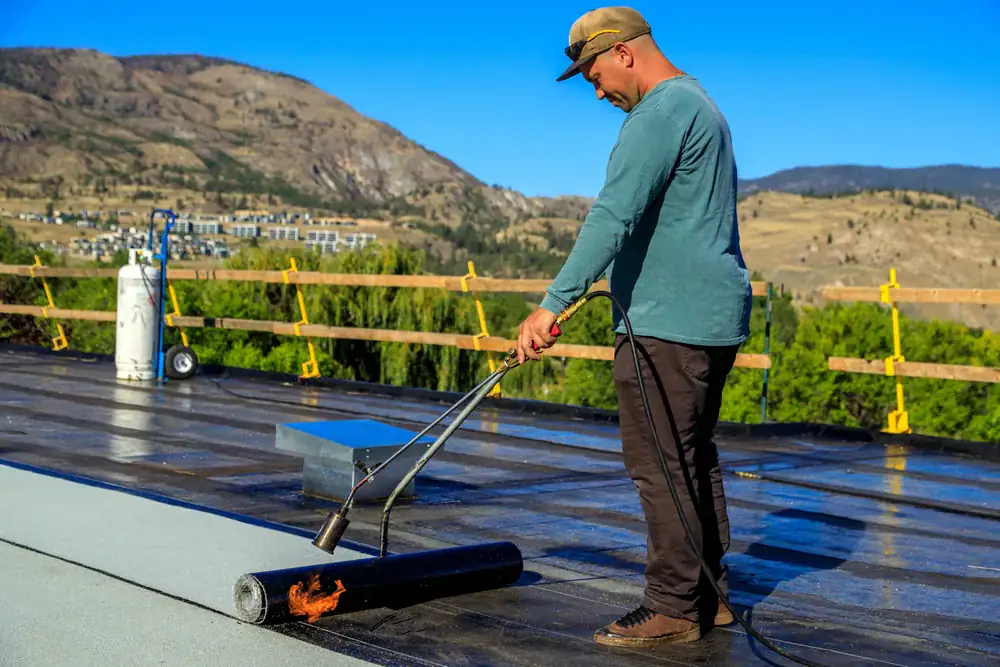
Professional roofing contractor applying roofing membrane on commercial roof in Acton, CA.

Our Commercial Roofing Process in Westlake Village

Inspection to Installation—What Actually Happens on Your Roof

We start with a roof inspection that’s documented with photos. You see what we see—problem areas, remaining life in the existing system, and what needs attention now versus later. No upselling, no scare tactics. Just a clear assessment.

If you’re moving forward, we handle the permits through the Thousand Oaks building department, coordinate with your property schedule to minimize disruption, and give you a timeline that accounts for weather and material delivery. Our crews show up when we say they will.

During installation, you get progress photos so you know what’s happening even if you’re not on-site. We’re installing the roof system according to manufacturer specs—not shortcuts that void warranties. Seams are welded, fasteners are placed correctly, and flashing details are done right because that’s where most leaks start.

Once the roof is finished, we walk it with you, handle the final inspection, and make sure you have all the warranty documentation and maintenance guidelines. If something comes up later, you’re calling the same company that did the work—not chasing down a contractor who’s moved on.

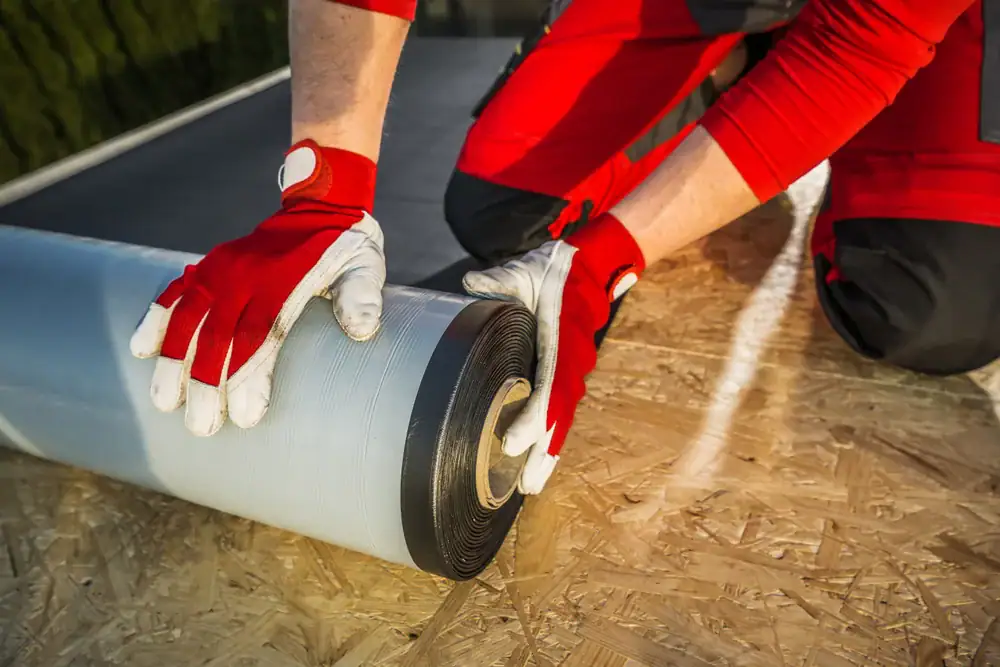
Roofing membrane installation for commercial building in Acton, CA.

Explore More Services

About Royal Roofing Company

Flat Roof Systems and Commercial Roof Maintenance

What's Included in Commercial Roofing for Westlake Village Properties

Commercial roofing in Westlake Village means working with flat roof systems, low-slope roofs, and industrial roofing solutions that handle our climate. Most commercial buildings here have TPO, PVC, EPDM, built-up roofing, or modified bitumen systems. We install and repair all of them.

TPO and PVC roofing are energy-efficient options that reflect heat instead of absorbing it—your HVAC system doesn’t work as hard, and you meet California’s Title 24 energy requirements. These systems are heat-welded at the seams, which creates a watertight bond that holds up better than glued or mechanically fastened seams. They’re also lighter than built-up systems, which matters if your building has load restrictions.

For properties with existing roofs that still have life left, we offer Title 24 cool roof restoration using elastomeric coatings. This extends your roof’s lifespan by 10 to 15 years, costs a fraction of a replacement, and brings your building into compliance with energy codes. It’s a smart option if your roof membrane is intact but showing wear.

We also handle commercial roof maintenance—scheduled inspections, drain clearing, minor repairs, and documentation for property managers who need records for ownership or insurance. Catching small problems early saves you from emergency repairs during the next storm. Most of our commercial clients are on annual or semi-annual maintenance plans because it’s cheaper than reactive repairs.

New commercial roofing installation on modern buildings in Acton, CA.

How long does a commercial roof replacement take in Westlake Village?

Most commercial roof replacements take one to three weeks depending on the size of your building, the roofing system you’re installing, and weather conditions. A small office building with a straightforward TPO installation might be done in a week. A larger industrial facility with multiple roof levels, HVAC equipment, and complex drainage takes longer.

We give you a project timeline upfront that includes tear-off, installation, inspections, and cleanup. Weather delays happen—we’re not installing roofing in the rain or high winds because it compromises the system. But we schedule around your business needs as much as possible, and we communicate if anything changes.

If minimizing downtime is critical, we can phase the work so parts of your building stay operational. We’ve done this for retail centers, medical offices, and multi-family properties where you can’t shut down completely. It takes coordination, but it’s doable.

Both TPO and PVC are single-ply membrane systems that work well in Westlake Village, but they’re not identical. TPO is typically less expensive and performs well in most commercial applications—it’s heat-welded, UV-resistant, and energy-efficient. It’s a solid choice for office buildings, warehouses, and retail properties.

PVC costs more but offers better chemical resistance and longer warranties. If your building has rooftop HVAC units, grease exhaust from restaurant equipment, or exposure to oils and solvents, PVC holds up better. It’s also more flexible in cold weather, though that’s less of a concern here than in other climates.

Both systems meet Title 24 cool roof requirements, both are heat-welded for watertight seams, and both typically last 20 to 30 years with proper installation and maintenance. The choice usually comes down to your building’s specific conditions and budget. We’ll walk you through which one makes sense for your property based on what’s actually on your roof—not which product has a higher margin.

It depends on how much of the roof is damaged and how much life is left in the system. If you’ve got isolated leaks, damaged flashing, or a few problem areas, repairs usually make sense. If more than 25% of the roof is failing, if the decking is compromised, or if you’re patching the same spots repeatedly, replacement is the smarter move.

We’ll inspect the entire roof—not just the leak you called about. Sometimes a small leak is just a small leak. Other times it’s a symptom of a bigger problem like ponding water, failed seams, or a membrane that’s reached the end of its lifespan. You need to know which one you’re dealing with before you spend money.

Roof coatings are a middle option that works if your existing membrane is still intact but showing age. We clean and prep the surface, then apply an elastomeric coating that seals the roof, reflects heat, and extends the life by 10 to 15 years. It’s about a third the cost of replacement and qualifies as a Title 24 cool roof restoration. Not every roof is a candidate, but when it works, it’s a smart financial decision.

Commercial roofing costs vary based on the size of your roof, the system you’re installing, the condition of the existing roof, and how complex the job is. TPO and PVC installations typically run between eight and twelve dollars per square foot. Built-up roofing and modified bitumen systems are in a similar range. Metal roofing costs more. Roof coatings cost less—usually three to five dollars per square foot.

Those are ballpark numbers. Your actual cost depends on whether we’re tearing off an old roof or installing over existing decking, how many penetrations and HVAC units we’re working around, what kind of insulation you need, and whether there’s structural repair involved. A straightforward 10,000-square-foot warehouse roof is priced differently than a multi-level retail center with complex drainage.

We give you a written estimate that breaks down materials, labor, permits, and disposal costs. No surprises, no change orders unless you approve them. We’re also upfront about what affects cost—thicker membranes last longer but cost more, additional insulation improves energy performance but adds to the budget, and upgraded warranties have higher material costs. You decide what makes sense for your property and your timeline.

Commercial flat roofs need regular inspections and minor maintenance to catch problems before they become expensive. Most property managers schedule inspections twice a year—once before the rainy season and once after. We check for ponding water, clogged drains, damaged flashing, loose seams, and any punctures or wear in the membrane.

Drains and scuppers need to be cleared of debris. Leaves, dirt, and trash block drainage, which leads to standing water. Standing water breaks down roofing membranes faster and finds its way into the building. Clearing drains takes 20 minutes and prevents thousands of dollars in water damage.

Flashing around HVAC units, vents, and roof edges needs attention because that’s where most leaks start. We reseal any areas showing gaps or cracks, replace damaged sections, and make sure everything is watertight. Small repairs during a maintenance visit cost a few hundred dollars. Ignoring them until water is coming through the ceiling costs a lot more—and usually happens at the worst possible time.

Yes, if you’re replacing or re-roofing a commercial building in California, your roof needs to meet Title 24 energy efficiency standards. That typically means installing a cool roof with a minimum solar reflectance and thermal emittance rating. The goal is to reduce heat absorption, lower cooling costs, and decrease energy demand.

TPO and PVC roofing systems meet Title 24 requirements because they’re light-colored and reflective. Most built-up and modified bitumen systems need a reflective coating or cap sheet to comply. If you’re doing a roof restoration with coatings, those also qualify as long as the coating meets the reflectance standards.

We handle Title 24 compliance as part of the project—specifying materials that meet the code, filing the necessary documentation, and coordinating inspections. You don’t need to become an expert in California energy code. You just need a contractor who knows what’s required and builds it into the job from the start. We’ve been doing this since Title 24 went into effect, so it’s standard procedure for us, not an added complication.

Other Services we provide in Westlake Village