State Licensed “SINCE 1982”

CSLB C-39 #432352

Full Workers Comp. & $2M Liability Insurance
OUR EMPLOYEE ROOFERS ARE FACTORY CERTIFIED
*Serving most of Southern California*
State Licensed “SINCE 1982” CSLB C-39 #432352
Full Workers Comp. & $2M Liability Insurance
OUR EMPLOYEE ROOFERS ARE FACTORY CERTIFIED.

*Serving most of Southern California*

Commercial Roofing Contractor in Westmont, CA

Your Roof Shouldn't Be Your Biggest Worry

When leaks disrupt operations or energy bills spike every summer, you need a commercial roofing contractor in Westmont, CA who understands what’s at stake and fixes it right the first time.
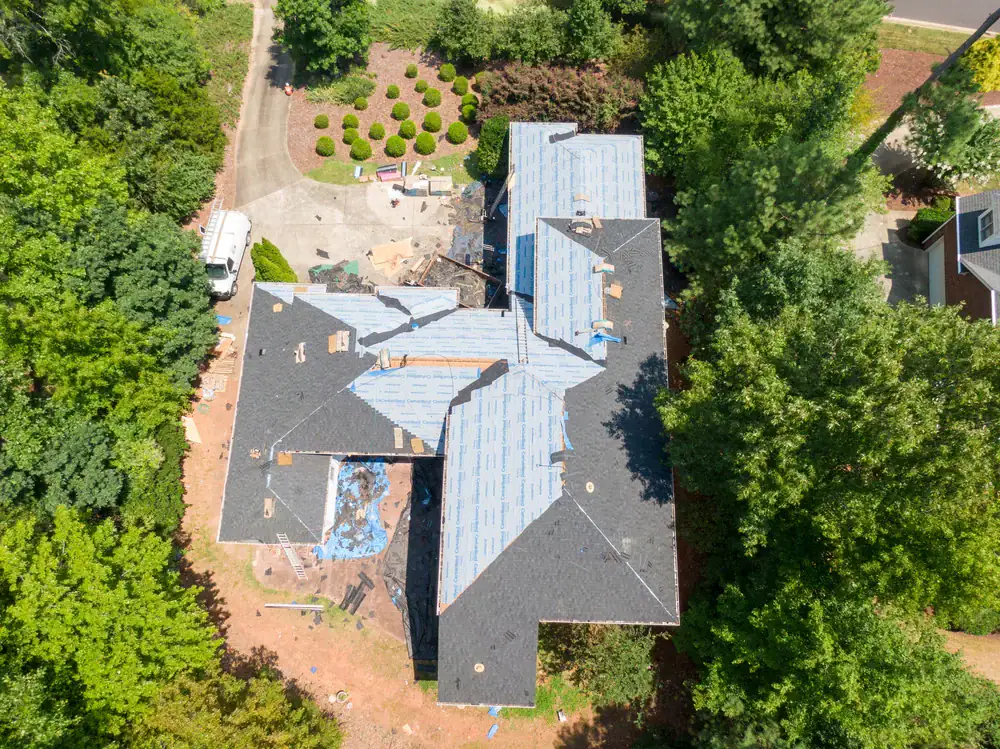
Aerial view of a residential roof undergoing commercial roofing repairs in Acton, California.
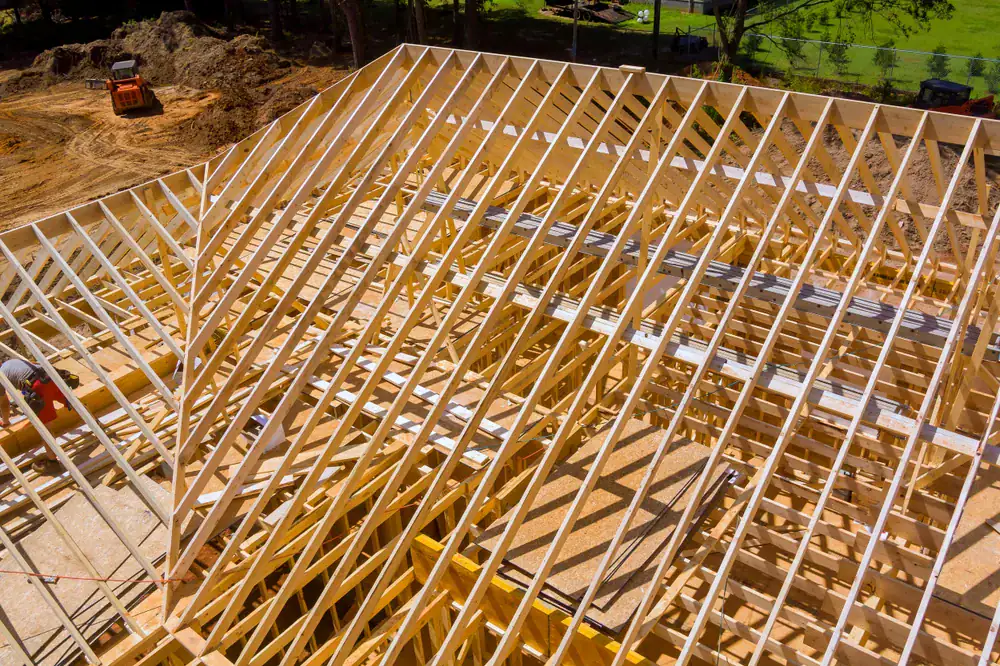
Roof framing under construction in Acton, CA for a commercial building.

Commercial Roof Systems Built for Westmont

What Happens When Your Roof Actually Works

Your maintenance budget becomes predictable instead of reactive. No more scrambling when tenants report water stains or when summer heat sends your HVAC into overdrive. A properly installed and maintained commercial roof in Westmont means your building operates the way it should—quietly, efficiently, without surprises.

TPO and PVC roofing systems reflect up to 80% of solar radiation, which translates to 20-30% lower cooling costs in our climate. That’s real money back in your operating budget. Title 24 compliance isn’t just about passing inspection—it’s about designing roof assemblies that actually reduce your energy load while meeting California’s strict reflectance and fire safety standards.

The difference between a roof that lasts 13 years and one that lasts 21 years isn’t luck. It’s proactive maintenance, proper installation, and working with a contractor who knows what Westmont’s Mediterranean climate does to commercial roofing materials over time.

Westmont Commercial Roofing Since 1982

Four Decades Solving the Same Problems You're Facing

We’ve been handling commercial roofing projects across Los Angeles County since 1982. We hold a California C-39 specialty license (#432352), carry $2 million in liability coverage, and maintain factory certifications with major manufacturers. That’s not marketing language—it’s what keeps your project compliant and your liability minimal.

Westmont sits in a unique position where summer temperatures regularly stress roofing materials and winter rains test every seam and flashing detail. We’ve seen what fails here and what holds up. Most of our work comes from referrals—86% to be exact—because property managers and business owners remember who showed up during an emergency and who delivered what they promised.

You’re not looking for the cheapest bid. You’re looking for someone who won’t create bigger problems while trying to solve the first one.

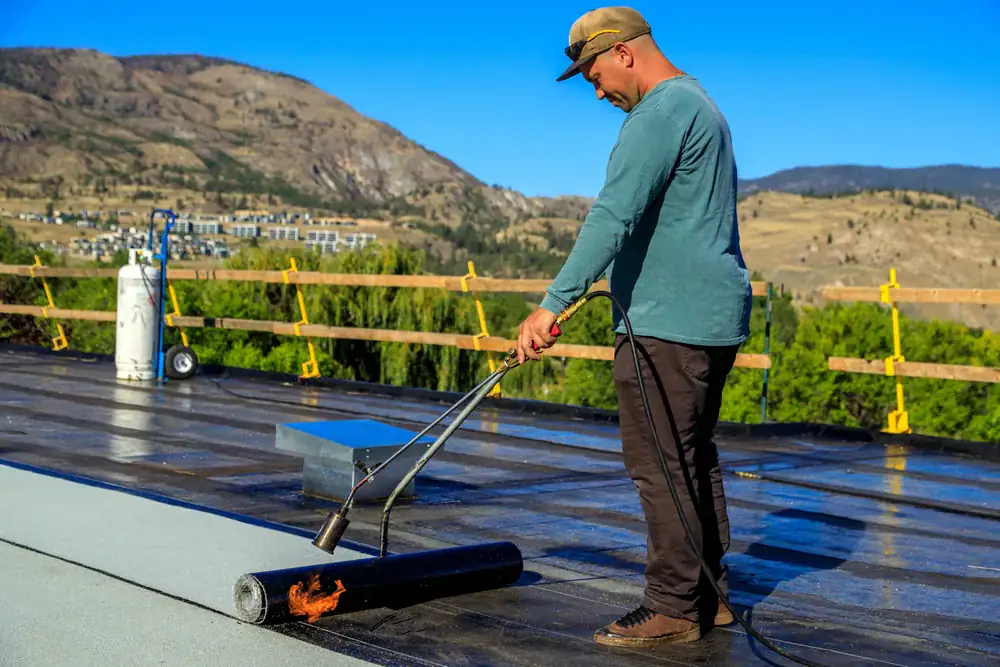
Professional roofing contractor applying roofing membrane on commercial roof in Acton, CA.

Our Commercial Roofing Process in Westmont

How We Handle Your Project From Start to Finish

Every commercial roof project starts with a thorough assessment. We use thermal imaging and moisture detection to find problems you can’t see from the ground—trapped water, heat loss, failing insulation. You get a detailed report with photos, not a vague estimate that leaves room for “unforeseen conditions” later.

If you’re dealing with an active leak, we respond within 24 hours. Emergency repairs get you dry and operational while we develop a long-term solution. For planned replacements or restorations, we walk you through material options—flat roof systems, TPO, PVC, cool roof coatings—and explain what each one actually does for your building and your budget.

Installation follows manufacturer specs and Title 24 requirements. Our crews have been with us for years, not weeks. They know how to handle flashing details, penetrations, and edge conditions that cause most premature failures. We document everything with photos because insurance claims and future buyers want proof the work was done right.

After installation, we offer maintenance programs that catch small issues before they become capital expenses. Regular inspections, minor repairs, and cleaning extend roof life significantly—the data shows maintained roofs last about 60% longer than ones that only get attention when they leak.

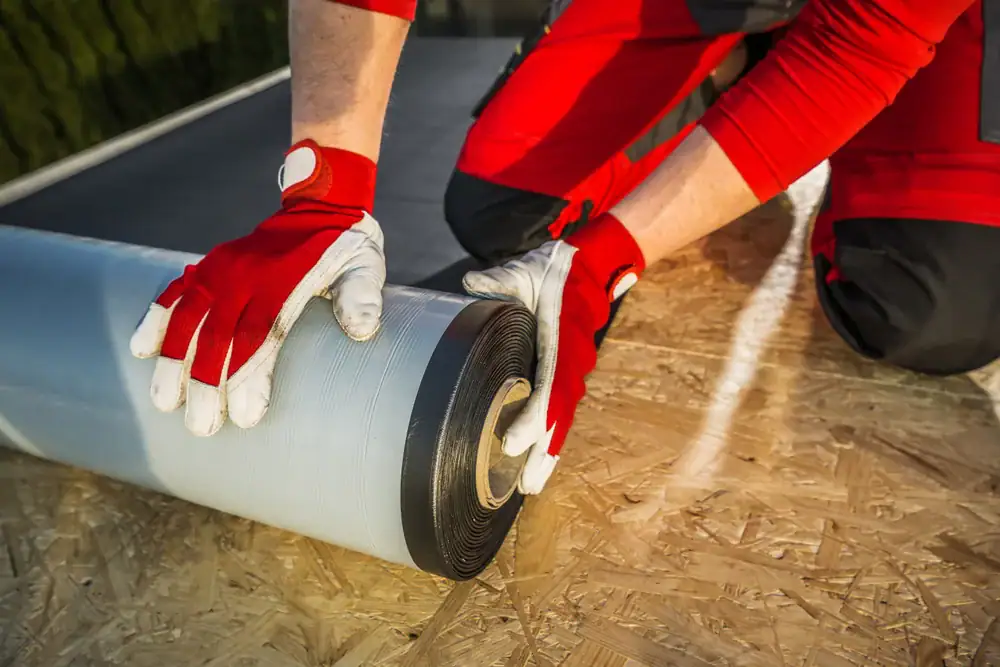
Roofing membrane installation for commercial building in Acton, CA.

Explore More Services

About Royal Roofing Company

Commercial Roofing Solutions for Westmont Properties

What You Actually Get When You Work With Us

Our commercial roofing services in Westmont cover everything from emergency leak repair to complete roof replacement and ongoing maintenance. Flat roof systems, TPO and PVC membrane installation, Title 24 cool roof restoration, EPDM repairs, metal roofing, and industrial coating systems designed for chemical exposure or high-heat environments.

Westmont’s location in LA County means your project needs to meet strict energy codes. Cool roof assemblies that comply with Title 24 aren’t optional—they’re required for most commercial reroofs. We design systems with documented reflectance values, proper fire ratings, and wind uplift performance that passes inspection the first time.

If you’re filing an insurance claim for storm or hail damage, we handle the documentation. Detailed photo records, material certifications, and compliance paperwork that adjusters actually need. We’ve worked with enough property managers to know that half the battle is just getting the claim processed correctly.

Energy efficiency matters in Westmont. Summer temperatures push HVAC systems hard, and a roof that absorbs heat instead of reflecting it costs you money every month. The right membrane or coating system drops your cooling load measurably—15-30% reductions are common with properly installed cool roof systems.

New commercial roofing installation on modern buildings in Acton, CA.

How long does a commercial roof replacement take in Westmont?

Most commercial roof replacements in Westmont take one to three weeks depending on building size, roof complexity, and weather. A straightforward 10,000 square foot flat roof with minimal penetrations might be done in five to seven days. Larger buildings, multiple roof levels, or extensive HVAC equipment require more time.

Weather delays happen. We don’t install TPO or PVC membranes in rain, and adhesives need specific temperature ranges to cure properly. Westmont’s Mediterranean climate gives us a longer working season than many areas, but winter storms can still push schedules back a few days.

The permit and inspection process through LA County adds time on the front end. Plan for two to three weeks between signing a contract and starting work. We handle the permit applications, but the county controls the timeline. Most inspections happen within a few days of completion if everything’s done to code.

PVC roofing typically costs 15-25% more than TPO for materials and installation. On a 10,000 square foot roof, that might mean $8,000 to $12,000 additional upfront. The question is whether that premium makes sense for your building.

PVC handles chemical exposure better than TPO. If your building has restaurant exhaust, industrial ventilation, or any process that puts oils or solvents on the roof, PVC’s chemical resistance pays off. It also tends to hold up better in high-heat areas around HVAC units.

TPO works well for most commercial applications in Westmont. It meets Title 24 cool roof requirements, offers solid puncture resistance, and costs less. Both materials typically last 15-20 years with proper maintenance. The decision usually comes down to what’s happening on your roof—equipment type, exhaust locations, foot traffic patterns—not just the price per square foot.

Proactively maintained commercial roofs last an average of 21 years compared to 13 years for roofs that only get attention when they leak. That’s not a small difference—it’s the gap between replacing your roof twice in 25 years versus once.

Maintenance catches problems while they’re cheap to fix. A small seam separation costs a few hundred dollars to repair during a scheduled inspection. That same seam, left alone for two years, lets water into the insulation and decking. Now you’re looking at thousands in structural repairs plus business interruption.

Most maintenance programs include two to four inspections per year, minor repairs, drain cleaning, and documentation. In Westmont, fall inspections before winter rains and spring checks after storm season make the most sense. You get a report after each visit showing what was found and what was fixed. It’s the difference between managing an asset and waiting for an emergency.

Title 24 is California’s energy code, and it sets specific requirements for commercial roof reflectance, insulation values, and thermal performance. Most commercial reroofs in Westmont need to meet cool roof standards—minimum solar reflectance of 0.63 and thermal emittance of 0.75 for low-slope roofs.

Compliance isn’t just about passing inspection. It’s about designing a roof assembly that actually reduces your building’s cooling load. Cool roofs reflect sunlight instead of absorbing it, which keeps interior temperatures lower and reduces HVAC runtime. The energy savings are measurable—typically 7-15% on cooling costs, sometimes higher with metal roof systems.

We provide documentation showing that specified materials meet Title 24 requirements before installation starts. After completion, the inspector verifies that what’s on your roof matches what’s in the permit documents. We handle all of that—material certifications, compliance calculations, and inspection coordination—so you’re not stuck figuring out technical requirements that change every few years.

Age and condition determine whether repair makes sense or if you’re just delaying the inevitable. If your roof is less than halfway through its expected lifespan and damage is localized—storm damage to one section, a few failing seams, isolated ponding areas—repair usually makes financial sense.

Once a roof passes 15 years old and you’re seeing multiple problem areas, the math shifts. Repeated repairs add up quickly, and you’re still left with an aging system that will need replacement soon anyway. If more than 25-30% of the roof surface needs work, replacement typically offers better long-term value.

Thermal imaging shows what you can’t see from the ground. Trapped moisture in insulation, hidden leaks, and failing adhesive bonds appear clearly in infrared scans. We use this technology during assessments because it removes the guesswork. You get a clear picture of what’s failing, how extensive the damage is, and whether repair or replacement makes sense for your situation and budget.

Active projects get covered every night and any time weather threatens. We don’t leave your building exposed. Tarping, temporary membranes, and weather protection are part of the process—not something we scramble to do when rain shows up in the forecast.

If a leak does occur during construction, we handle it immediately. Our crews carry emergency repair materials on every job site. Water gets stopped, affected areas get dried out, and any damaged interior materials get documented for your insurance if needed.

Most weather-related delays in Westmont happen during winter months when storm systems move through. We monitor forecasts closely and adjust schedules to avoid leaving vulnerable areas exposed. The goal is to reach dry-in status—where the new roof system is weathertight—as quickly as possible. Once we hit that milestone, weather becomes much less of a concern for the remaining detail work.

Other Services we provide in Westmont