Appointments Available
Phone Support 24/7
Bell Gardens, CA 90201
*Serving most of Southern California*
Appointments Available
Phone Support 24/7
Bell Gardens, CA 90201
You’re managing a commercial property, which means every leak is a crisis. Tenant complaints. Water damage. Business interruption. Insurance headaches. The cost of reactive roofing adds up fast—not just in dollars, but in time and stress you can’t afford.
A properly maintained commercial roof doesn’t surprise you. It performs quietly in the background while you handle everything else on your plate. That means scheduled inspections that catch problems early, repairs done right the first time, and documentation that satisfies your insurance company without back-and-forth.
Whether you’re dealing with an aging flat roof system that needs attention or you’re planning ahead to avoid emergency calls, the difference is having a commercial roofing contractor who understands what property managers and business owners actually need. Not the cheapest bid. Not the fastest turnaround. Real solutions that extend your roof’s life and protect your investment without the drama.
Royal Roofing Company is a family-run operation serving Los Angeles County for decades. We hold a California C-39 specialty roofing license, factory certifications from major manufacturers, and an A+ BBB rating—not because we’re trying to impress you, but because commercial roofing requires real expertise and accountability.
Williams Canyon properties face specific challenges. The climate demands Title 24 cool roof compliance. Insurance companies require detailed documentation. Property managers need contractors who show up when they say they will. We’ve built our reputation handling these exact situations for HOAs, commercial property managers, and business owners who can’t afford to gamble on their roof.
Our crews have been with us for years, which matters more than you’d think. Consistent teams mean consistent quality. No surprises. No shortcuts. Just commercial roofing done by people who know what they’re doing.
First, we inspect your roof. Not a quick glance from the ground—a real assessment that identifies current issues, potential problems, and gives you a clear picture of what you’re working with. We document everything with photos, which becomes critical if you’re filing an insurance claim or need records for your property files.
Next, we walk you through your options. If you’re dealing with a flat roof system that’s failing, we’ll explain whether TPO, PVC, or another solution makes sense for your building and budget. If Title 24 cool roof restoration is required, we handle the compliance side so you’re not guessing. We’re not here to upsell you—we’re here to give you the information you need to make a smart decision.
Once you approve the scope, we schedule the work around your business operations. Minimal disruption matters when you have tenants or customers coming through. Our crews complete the installation or repair, document every phase with photos, and make sure you have everything you need for warranties and insurance purposes. Then we follow up with maintenance programs that keep your roof performing long-term, because the real value isn’t just in the installation—it’s in the years of protection afterward.
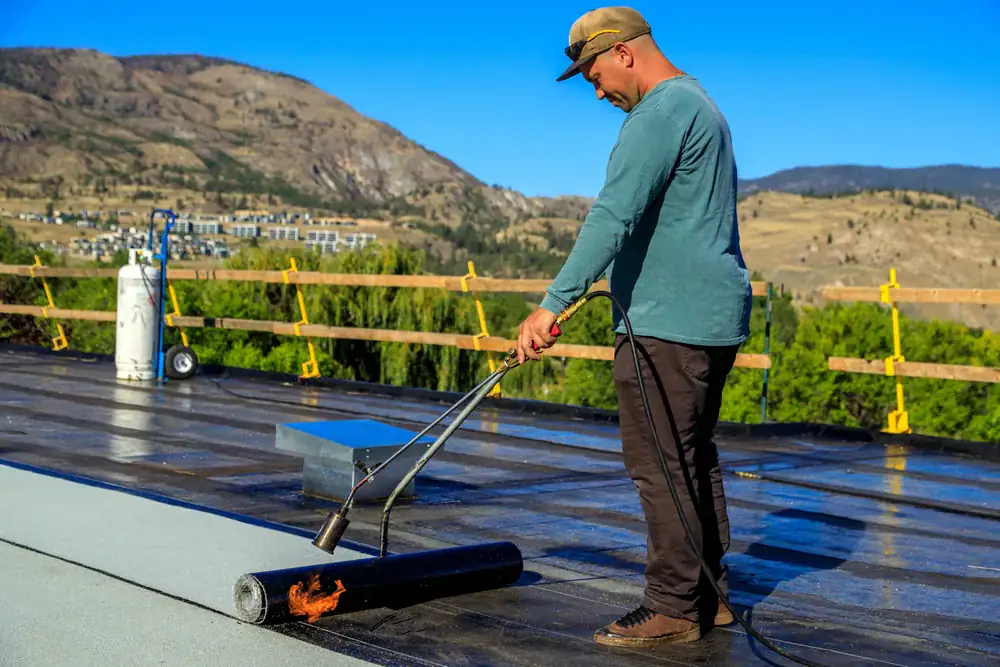
Commercial roofing in Williams Canyon isn’t one-size-fits-all. Your warehouse has different needs than a retail center. Your office building faces different code requirements than a manufacturing facility. We handle TPO and PVC roofing systems, hot mop applications, industrial roofing solutions, and Title 24 cool roof restoration—whatever your property requires.
You also get factory-certified installation, which protects your warranty. Many property managers don’t realize that manufacturer warranties are void if the installation isn’t done by a certified contractor. We maintain those certifications specifically so your investment is protected from day one.
The other piece that separates us is insurance claim expertise. We photo-document every stage of the work, provide detailed reports, and know exactly what insurance companies require for claims approval. If you’ve ever had a claim rejected because of missing documentation or non-compliant repairs, you know how valuable this is. We handle commercial roof maintenance programs too—scheduled inspections that catch small issues before they become expensive emergencies. Williams Canyon’s climate is tough on flat roof systems, and proactive maintenance is the difference between a 15-year roof and a 25-year roof.
Start with an honest assessment of the roof’s age and condition. Most commercial flat roof systems last 15-25 years depending on the material and maintenance history. If your roof is approaching that range and you’re seeing multiple leaks, ponding water, or visible membrane damage, replacement is usually the smarter move than patching.
Here’s the reality: repairs make sense when the damage is localized and the rest of the roof is in decent shape. But if you’re constantly chasing leaks or the substrate is compromised, you’re throwing money at a losing battle. A qualified commercial roofing contractor should be able to show you the difference during an inspection—not just tell you what they want to sell.
We document everything with photos so you can see exactly what we’re looking at. Ponding water that sits for more than 48 hours after rain, cracks in the membrane, blistering, or exposed insulation are all signs that repairs won’t cut it. If the roof is structurally sound but the surface is worn, Title 24 cool roof restoration might be an option that extends life without full replacement. The key is getting an evaluation from someone who’s not just trying to land the biggest job.
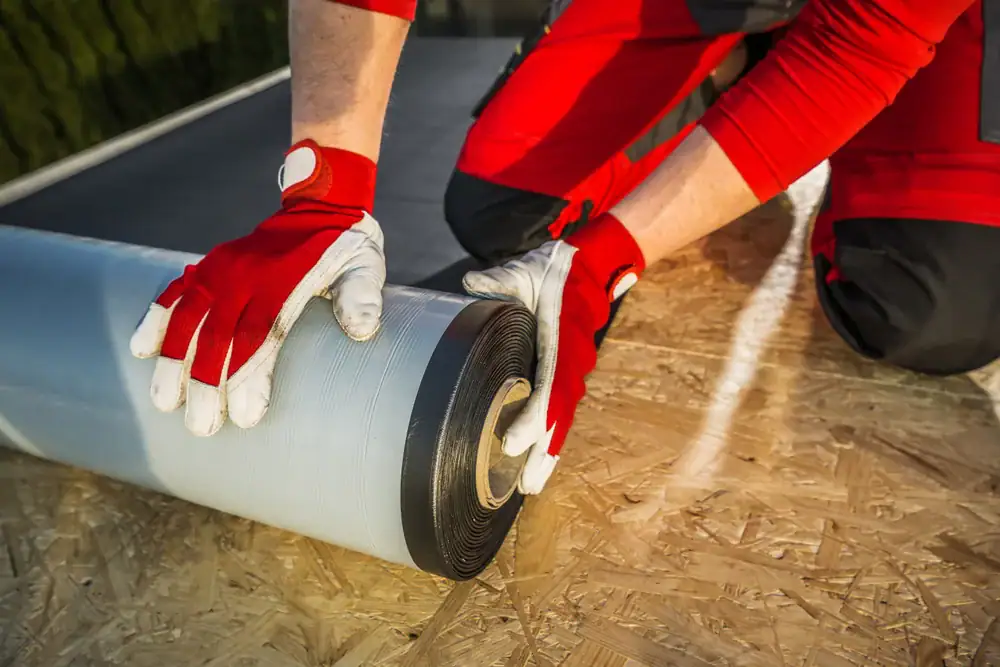
Both TPO and PVC are single-ply membrane systems designed for flat or low-slope commercial roofs, but they’re not interchangeable. PVC has been around longer and handles chemical exposure better, which matters if your building has restaurant exhaust, manufacturing processes, or anything that puts oils or grease on the roof. It’s also more flexible in cold weather and has a longer track record.
TPO costs less upfront and has become popular over the last 20 years. It performs well in most commercial applications and meets Title 24 cool roof requirements just like PVC. The seams are heat-welded on both systems, which creates a watertight bond stronger than the membrane itself. Where TPO sometimes falls short is in longevity—some formulations haven’t held up as well as manufacturers promised, though the technology has improved.
For Williams Canyon properties, either system works if it’s installed correctly by a factory-certified contractor. That certification matters because improper installation voids your warranty, and most problems with TPO or PVC roofs come down to installation errors, not material failure. We walk property managers through the pros and cons based on their specific building, budget, and long-term plans. If you’re planning to hold the property for 20+ years, PVC might be worth the extra cost. If you’re looking at a 10-15 year window, TPO often makes more sense.
Yes, if you’re doing any work that requires a permit in California. Title 24 is the state’s energy code, and it mandates cool roof standards for most commercial buildings. Cool roofs reflect more sunlight and absorb less heat, which reduces your cooling costs and helps meet California’s energy efficiency goals. If you’re replacing or recovering more than 50% of your roof, you’re required to meet these standards.
The good news is that most modern TPO and PVC roofing systems already meet Title 24 requirements. The challenge is making sure your contractor knows how to document compliance and pull the right permits. We’ve seen property managers get stuck with non-compliant roofs because their contractor cut corners or didn’t understand the code. That becomes your problem when you try to sell the building or refinance.
Title 24 cool roof restoration is another option if your existing roof is structurally sound but doesn’t meet current standards. We can apply reflective coatings that bring older roofs into compliance without full replacement. It’s not always the right move, but it’s worth evaluating if you’re trying to extend the life of a roof that’s not quite ready for replacement. Bottom line: don’t skip Title 24 compliance. The fines aren’t worth it, and the energy savings actually add up over time.
It depends on the size of your roof, the scope of work, and weather conditions. A typical commercial roof replacement on a 10,000-15,000 square foot building takes one to two weeks from tear-off to completion. Smaller repairs or coating applications can be done in a few days. Larger industrial roofing projects or complex buildings with multiple levels and penetrations take longer.
Disruption is a real concern, especially if you have tenants or customers on-site. We schedule work to minimize impact—starting early to avoid peak business hours, coordinating with property managers on timing, and keeping noise and debris contained. For occupied buildings, we can often phase the work so only one section is under construction at a time. You won’t have people walking through a construction zone to get to their office.
Weather is the wildcard. We don’t install roofing in the rain, and some materials require specific temperature ranges for proper installation. Williams Canyon’s climate is generally cooperative, but we build buffer time into schedules so a surprise storm doesn’t derail your project. The contractors who promise the fastest timeline are often the ones who cut corners or leave you exposed if weather doesn’t cooperate. We give you realistic timelines and keep you updated throughout the process so you’re never guessing what’s happening on your roof.
Start with licensing and insurance. In California, commercial roofing requires a C-39 specialty contractor license, not just a general contractor license. That specialization matters because commercial roofing is fundamentally different from residential work. Ask to see their license number and verify it with the state. Also confirm they carry general liability and workers’ compensation insurance—if someone gets hurt on your property and the contractor isn’t properly insured, you’re liable.
Factory certifications are the next piece. Major roofing manufacturers like GAF, Firestone, or Carlisle only certify contractors who meet their training and quality standards. If your contractor isn’t factory-certified, your warranty might not be worth the paper it’s printed on. We maintain multiple certifications specifically so property managers and business owners have full warranty protection.
References and track record matter more than slick marketing. Ask for recent commercial projects similar to yours and actually call those references. Find out if the contractor showed up on time, stayed on budget, and handled problems professionally. Check their BBB rating and online reviews, but remember that every contractor gets a few complaints—what matters is how they respond. Finally, look for contractors who educate rather than just sell. If someone’s pressuring you into a decision or won’t explain your options clearly, that’s a red flag. Commercial roofing is a major investment, and you deserve a contractor who treats it that way.
Insurance companies require proof. They need to see the damage, understand what caused it, and verify that repairs were done correctly. Without detailed photo documentation, your claim can get delayed, reduced, or denied entirely. We’ve seen property managers lose thousands of dollars because their contractor didn’t document the work properly.
Here’s how we handle it: Before we touch anything, we photograph the existing damage from multiple angles. We document the extent of the problem, any secondary damage like water intrusion or insulation failure, and the overall condition of the roof. During repairs, we photograph each phase—tear-off, substrate condition, new material installation, and final completion. This creates a complete record that shows exactly what was done and why.
That documentation goes directly to you and your insurance adjuster. It answers their questions before they ask them and speeds up the claims process significantly. For Williams Canyon property managers dealing with storm damage or unexpected leaks, this can be the difference between a smooth claim and a months-long fight with your insurance company. We also provide written reports that explain the work in terms adjusters understand. Commercial roof maintenance programs include regular photo documentation too, which establishes a baseline for your roof’s condition. If damage occurs later, you have proof of proper maintenance, which strengthens your claim. It’s not glamorous, but it’s one of the most valuable services we provide.
Other Services we provide in Williams Canyon