
Summary:
You’re looking at roofing options and copper keeps coming up. Maybe you’ve seen those stunning green patina roofs on historic buildings, or heard copper lasts longer than practically anything else. But you’re also seeing price tags that make you pause.
Here’s what matters: in Los Angeles County, where the sun beats down relentlessly and wildfire risk is real, your roof isn’t just overhead protection—it’s a critical investment in your home’s value, safety, and long-term costs. Copper metal roofing offers benefits that go far beyond aesthetics, but it’s not right for everyone.
Let’s break down what copper actually delivers, how it compares to other residential metal roofing options, and whether that upfront investment makes sense for your specific situation.
Copper Metal Roof Benefits and Applications
Copper has been protecting buildings for centuries, and there’s a reason it’s still specified for premium residential projects across Los Angeles County. When properly installed, a copper metal roof can last 100 years or more—potentially longer than you’ll own the home.
That longevity comes from copper’s natural properties. Unlike steel or aluminum, copper doesn’t rust or corrode. Instead, it develops a protective patina layer—that distinctive blue-green finish you see on older copper roofs. This isn’t deterioration; it’s actually a shield that makes the material stronger over time.
For Los Angeles homeowners, copper delivers practical advantages beyond durability. The material reflects solar heat rather than absorbing it, which translates to real cooling cost savings during those brutal summer months. Copper also earns a Class A fire rating, critical in Southern California’s wildfire-prone areas. And because it’s lightweight compared to tile, it puts less structural stress on your home while delivering superior weather protection.
Why Copper Outperforms Other Residential Metal Roofing Materials
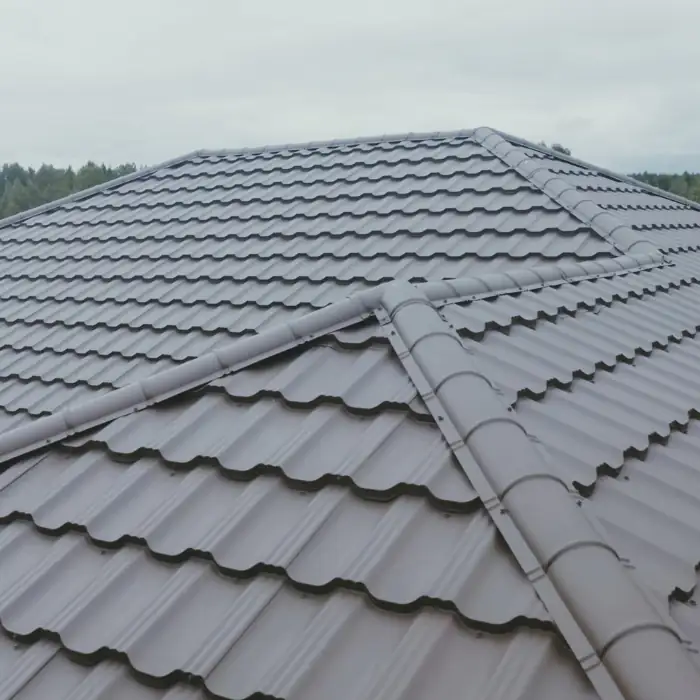
When you’re comparing residential metal roofing options, copper sits at the top tier—but understanding why helps you decide if the investment makes sense for your situation.
Steel roofing is the most common metal choice. It’s strong, affordable, and when coated with quality paint systems, it performs well in most climates. But steel requires that protective coating to prevent rust. Over time, especially in coastal areas of Los Angeles County, that coating can fail, leading to corrosion issues. Steel also expands and contracts more dramatically with temperature changes, which can stress fasteners and seams.
Aluminum offers better corrosion resistance than steel and weighs even less. It’s the go-to choice for homes near the ocean where salt air accelerates rust. But aluminum is softer than both steel and copper, making it more prone to denting from hail or falling branches. It also lacks copper’s natural patina protection.
Copper combines the best characteristics: corrosion resistance without protective coatings, natural strengthening through patina development, and architectural beauty that actually improves with age. The tradeoff is cost—copper typically runs two to three times more than steel or aluminum. But you’re paying for a material that requires virtually no maintenance and will likely outlast your ownership of the home.
In Los Angeles’ climate, copper’s reflective properties become particularly valuable. The material naturally deflects sunlight, keeping attic temperatures lower and reducing the load on your air conditioning system. Homeowners report energy savings of up to 40% compared to traditional asphalt roofing, which absorbs and radiates heat into your living space.
The maintenance difference is equally significant. Steel and aluminum roofs need periodic inspections of fasteners, paint touch-ups, and potential coating reapplication. Copper requires essentially nothing beyond occasional debris removal. No rust treatment, no repainting, no sealant applications. For busy homeowners or those planning to age in place, that maintenance-free reality has real value.
Tin Roofing vs Copper Roofing for Los Angeles Homes
When people mention “tin roofing,” they’re usually not talking about actual tin. Modern “tin roofs” are typically galvanized steel or aluminum panels coated with a thin layer of zinc or tin to prevent corrosion. The term stuck from historical usage, but the materials have evolved significantly.
True tin roofing was popular in the 18th and 19th centuries but has largely been replaced by more durable and cost-effective options. What homeowners today call tin roofing usually refers to corrugated or standing seam steel panels with galvanized or Galvalume coatings. These offer good performance at a fraction of copper’s cost—typically $5 to $15 per square foot installed compared to copper’s $15 to $40 range.
The performance difference is substantial. Galvanized steel roofing typically lasts 40 to 60 years with proper maintenance. That’s impressive compared to asphalt shingles, but it’s still half of copper’s potential lifespan. Steel also requires that protective coating to prevent rust, and in Los Angeles County’s intense UV exposure, those coatings gradually degrade. You’ll eventually need recoating or replacement.
Copper’s advantage is its self-protecting nature. The patina that forms isn’t a coating that can fail—it’s a chemical transformation of the copper surface itself that actually makes the material more resistant to environmental damage. This is why you see copper roofs on centuries-old European buildings still performing flawlessly.
For Los Angeles homeowners, the decision often comes down to budget and timeline. If you’re planning to stay in your home long-term and can afford the upfront investment, copper delivers better value over its lifetime. You’re essentially paying once for a roof that will likely never need replacement. If you’re working within a tighter budget or expect to move within 10 to 15 years, quality galvanized steel or aluminum provides excellent performance at a lower entry cost.
One middle-ground option gaining popularity is using copper strategically rather than covering the entire roof. Many homeowners install copper on highly visible sections—dormers, porches, or architectural features—while using more affordable metal on the main roof structure. This delivers copper’s distinctive appearance and curb appeal impact without the full premium cost.
Residential Metal Roofing Options Comparison
Choosing the right residential metal roofing starts with understanding your options and how they perform in Los Angeles County’s specific climate conditions. Beyond copper, homeowners typically consider standing seam steel, corrugated metal panels, and aluminum systems.
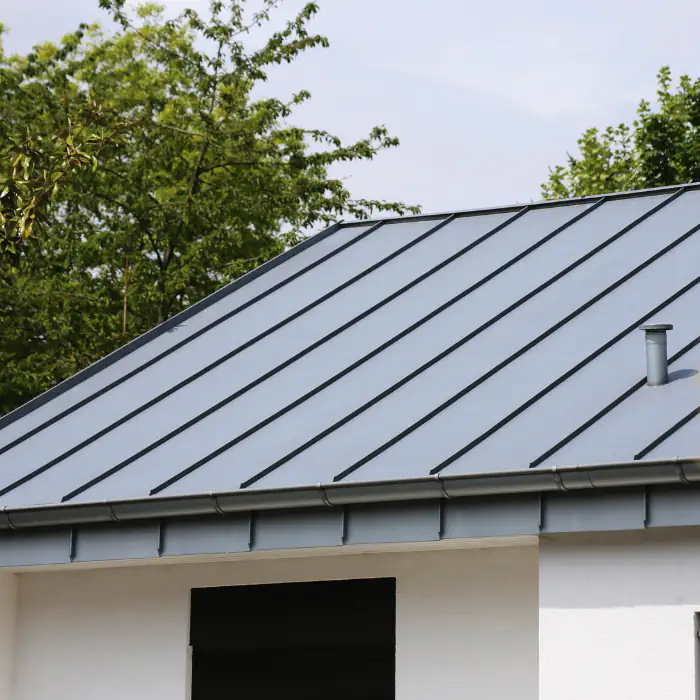
Standing seam metal roofing has become increasingly popular in modern Los Angeles architecture. These panels feature raised vertical seams that interlock, creating clean lines and superior water-shedding. The concealed fastener design eliminates the maintenance issues associated with exposed screws, and the system allows for thermal expansion without stressing the roof structure. Standing seam typically costs $10 to $18 per square foot installed—more than corrugated options but less than copper.
Corrugated metal panels represent the most budget-friendly metal roofing choice. Their wavy profile adds structural strength to thinner gauge metal, making them suitable for both residential and commercial applications. While corrugated roofing has an industrial aesthetic some homeowners love, others find it less refined than standing seam or copper options.
Corrugated Steel Roofing for Residential Properties
Corrugated steel roofing has experienced a resurgence in Los Angeles residential projects, particularly in modern farmhouse and industrial-chic designs. The distinctive wavy pattern that once marked barns and warehouses now appears on upscale homes throughout the county.
The corrugation process—forming steel sheets into alternating ridges and valleys—dramatically increases the material’s strength-to-weight ratio. This means relatively thin gauge steel can support substantial loads and resist wind uplift without requiring heavy structural support. For Los Angeles homeowners, this translates to easier installation and lower structural reinforcement costs compared to heavy materials like concrete tile.
Modern corrugated steel roofing comes with advanced protective coatings that previous generations lacked. Galvalume substrates (55% aluminum, 45% zinc) provide superior corrosion resistance compared to traditional galvanized coatings. Top-quality paint systems using PVDF (Kynar 500) technology resist fading from UV exposure and come with warranties ranging from 20 to 40 years.
The cost advantage is significant. Corrugated steel typically runs $4 to $9 per square foot installed, making it one of the most affordable metal roofing options. For a standard 2,000 square foot home, you’re looking at $8,000 to $18,000 total—roughly one-third the cost of a copper roof.
But there are tradeoffs to consider. Corrugated panels use exposed fasteners that penetrate the roofing surface. These fasteners require periodic inspection and potential replacement as rubber washers deteriorate over time. In Los Angeles’ intense sun, those washers can dry out and crack, creating potential leak points. This maintenance requirement is minimal compared to asphalt shingles, but it’s more than copper’s essentially maintenance-free performance.
The aesthetic is also polarizing. Some homeowners love corrugated metal’s industrial character and rustic appeal. Others find the exposed fasteners and wavy profile less refined than standing seam or copper options. In neighborhoods with strict HOA guidelines or historic preservation requirements, corrugated steel may not meet architectural standards.
For Los Angeles County homeowners, corrugated steel makes particular sense in several scenarios. If you’re on a budget but want metal roofing’s fire protection and durability, it delivers excellent value. If your home’s architectural style embraces modern, industrial, or farmhouse aesthetics, the corrugated profile can enhance rather than detract from curb appeal. And if you’re roofing an accessory dwelling unit, garage, or covered patio, corrugated steel provides cost-effective protection without requiring the premium investment of copper.
Understanding Copper Roof Installation and Maintenance Requirements
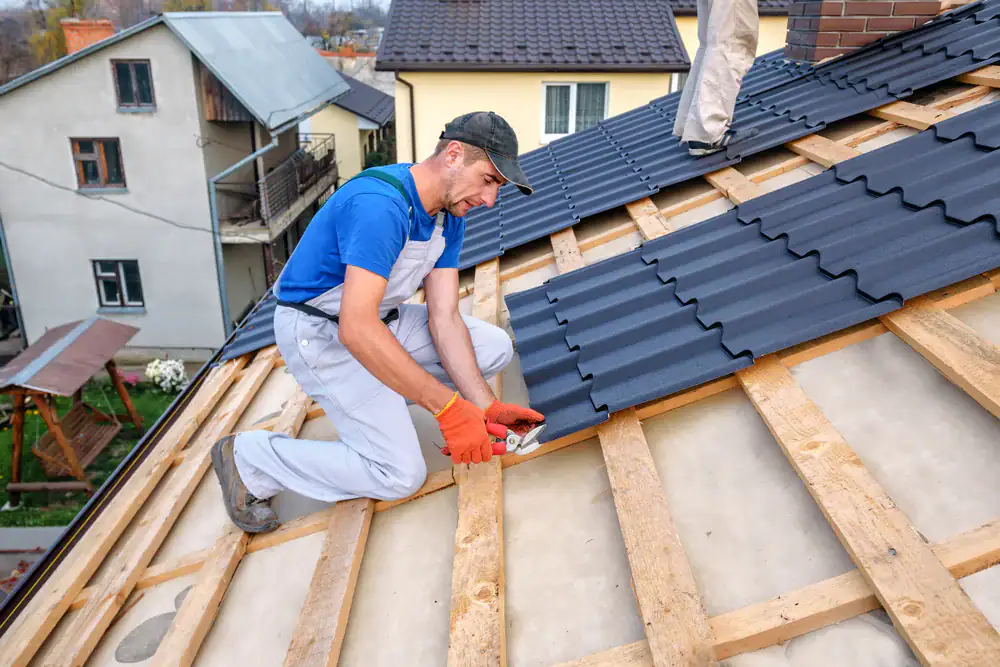
Installing a copper metal roof requires specialized expertise that not every roofing contractor possesses. This is one reason copper roofing remains less common than steel or aluminum—finding qualified installers in Los Angeles County can be challenging, and labor costs reflect that specialized skill requirement.
Copper’s malleability, while beneficial for creating custom shapes and architectural details, also demands careful handling during installation. The material can dent or scratch if not properly protected during the installation process. Experienced copper roofers understand how to work with the material’s unique properties, including its thermal expansion characteristics and the need for specific fastening techniques.
One critical installation requirement is using copper fasteners throughout the system. When dissimilar metals contact each other in the presence of moisture, galvanic corrosion can occur. Using steel or aluminum fasteners with copper roofing creates this problematic metal interaction, potentially leading to premature fastener failure and leaks. Quality copper installations use copper nails, screws, and clips exclusively, adding to material costs but ensuring long-term system integrity.
Standing seam copper roofing represents the premium installation method. Panels are soldered or mechanically seamed together, creating watertight connections that allow for thermal movement without stressing the roof structure. This method is particularly well-suited to Los Angeles’ temperature extremes, where metal roofing can experience significant expansion and contraction cycles. The concealed fastener design eliminates the most common failure point in metal roofing systems—exposed screws that can work loose or develop leaks over time.
Copper shingles offer an alternative installation approach that can reduce costs while maintaining copper’s aesthetic appeal. Individual shingles are applied similar to traditional roofing materials, though still requiring copper fasteners and careful attention to prevent damage to the soft metal surface. This method typically costs 20% to 30% less than standing seam copper while delivering similar longevity and performance.
Maintenance requirements for copper roofing are remarkably minimal, especially compared to other roofing materials. Copper doesn’t require painting, sealing, or protective treatments. The patina that develops naturally actually protects the underlying metal from further oxidation. Homeowners who prefer the bright penny appearance of new copper can apply specialized treatments to slow patina development, but this isn’t necessary for the roof’s performance.
The primary maintenance task is simply keeping the roof clear of debris. Accumulated leaves, branches, or other organic material can trap moisture and potentially stain the copper surface or create localized corrosion conditions. A couple of annual inspections to clear gutters and remove debris is typically sufficient. This minimal maintenance requirement becomes increasingly valuable as you age, eliminating the need to hire contractors for regular roof treatments or repairs.
For Los Angeles County homeowners, working with a contractor experienced in premium metal roofing systems is essential. Our 40+ years of experience and factory-certified installers provide the specialized expertise copper roofing demands. Our photo-documented installation process ensures proper techniques are followed, protecting your investment and ensuring warranty compliance.
Is a Copper Metal Roof Right for Your Los Angeles County Home
Copper metal roofing represents a premium investment that delivers exceptional performance, but it’s not the right choice for every homeowner or every situation. The decision comes down to your specific priorities, budget, and timeline.
If you’re planning to stay in your home long-term, value minimal maintenance, and can afford the upfront investment, copper offers compelling lifetime value. You’re essentially paying once for a roof that will likely outlast your ownership, require virtually no upkeep, and significantly enhance your property’s value and curb appeal. For Los Angeles County homes in wildfire-prone areas, copper’s fire resistance provides critical protection and potential insurance benefits.
For homeowners working within tighter budgets or planning shorter ownership timelines, quality steel or aluminum roofing delivers excellent performance at a fraction of copper’s cost. These materials still provide metal roofing’s key advantages—durability, energy efficiency, and fire resistance—while requiring only modest maintenance over their 40 to 60 year lifespans.
We bring four decades of experience helping Los Angeles County homeowners navigate these decisions. Our hands-on educational approach ensures you understand not just the products, but how they perform in Southern California’s unique climate. With factory-certified installers, comprehensive insurance coverage, and photo-documented workmanship, we deliver the specialized expertise premium metal roofing requires. Whether you choose copper, steel, aluminum, or strategic combinations, our team ensures proper installation that protects your investment for decades to come.