

Summary:
If you’re researching metal roofs for houses in Los Angeles County, you’re probably weighing a few big questions. Will it actually save you money? Can you find something that doesn’t look industrial? What about fire codes and HOA rules?
Metal roofing isn’t one-size-fits-all. The material you choose affects everything from your cooling bills to your home’s resale value. Some options blend seamlessly into traditional neighborhoods. Others make a bold architectural statement. And in a region where wildfire risk and summer heat are real concerns, the right metal roof does more than cover your home—it protects it.
Here’s what you need to know about the most common residential metal roofing systems, how they compare, and what works best in Los Angeles County.
Metal Roofs for Houses: Complete Residential Installation Guide
Metal roofing has moved well beyond barns and commercial buildings. Today’s residential metal roofs come in dozens of styles, finishes, and profiles that work on everything from Spanish-style homes to modern builds.
The main reason homeowners choose metal is longevity. A properly installed metal roof can last 50 years or more with minimal upkeep. Compare that to asphalt shingles, which typically need replacement every 20 to 30 years, and the math starts to make sense even with a higher upfront cost.
But durability isn’t the only draw. In Los Angeles County, where summer temperatures regularly push past 90 degrees and wildfire risk is a constant concern, metal roofs offer two critical advantages: energy efficiency and fire resistance. Reflective metal surfaces can reduce cooling costs by 10% to 25% during peak summer months. And because metal roofing qualifies as Class A fire-rated material, it meets the strict fire safety requirements in Very High Fire Hazard Severity Zones.
What Makes Metal Roofing Different from Asphalt Shingles
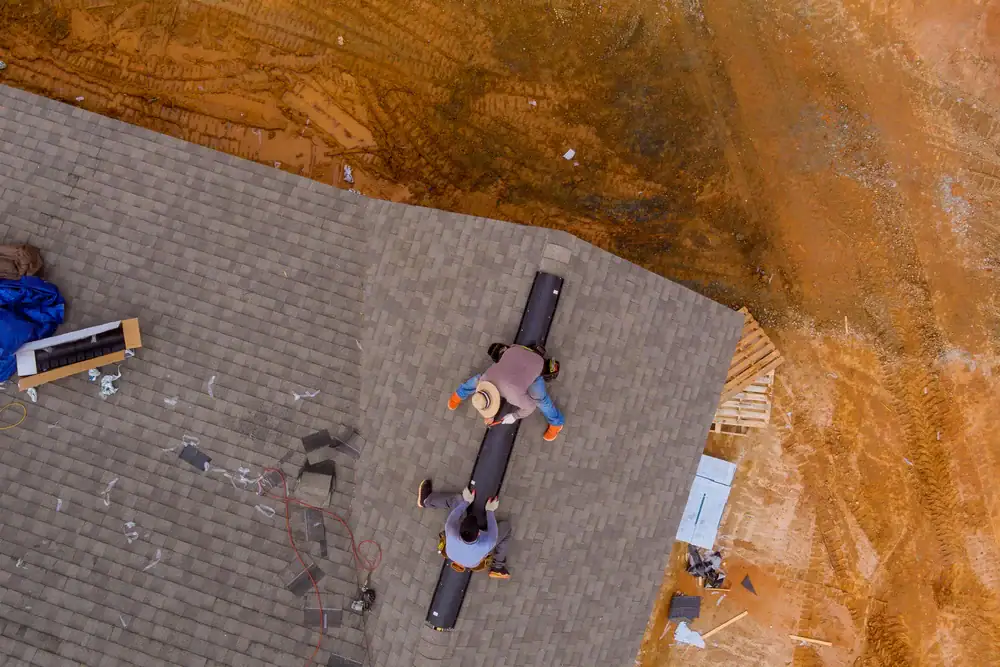
The difference between metal and asphalt goes deeper than appearance. Asphalt shingles absorb heat. On a hot summer day, a dark asphalt roof can reach surface temperatures of 150 to 170 degrees, turning your attic into an oven and forcing your HVAC system to work overtime.
Metal roofs reflect solar radiation instead of absorbing it. That means less heat transfer into your home, lower indoor temperatures, and reduced demand on your air conditioning. Over time, that translates to real savings on your energy bills—especially in Los Angeles County, where cooling costs can run $300 to $500 per month during summer.
Fire resistance is another major difference. Asphalt shingles vary in their fire ratings, and some don’t meet the Class A standard required in high-risk zones. Metal roofing, on the other hand, is inherently noncombustible. It won’t ignite from embers or direct flame contact, which is why it’s often the preferred choice in areas with wildfire exposure.
Then there’s maintenance. Asphalt shingles crack, curl, and lose granules over time. They’re vulnerable to wind damage, and in areas with intense UV exposure like Southern California, they degrade faster than they would in cooler climates. Metal roofs don’t have those issues. They don’t rot, warp, or attract mold. A quick rinse every now and then is usually all it takes to keep them looking good.
Weight is worth mentioning too. Metal roofing is significantly lighter than tile or slate, which puts less stress on your home’s structure. That’s especially important if you’re replacing a heavy roof or if your home wasn’t originally designed to support a lot of weight.
The downside? Cost. Metal roofs typically run $7 to $30 per square foot installed, compared to $3 to $10 for asphalt shingles. But when you factor in the longer lifespan, lower maintenance, energy savings, and potential insurance discounts, the total cost of ownership often favors metal.
Los Angeles County Fire Code and Title 24 Requirements
If you’re replacing more than 50% of your roof in a Very High Fire Hazard Severity Zone, Los Angeles County requires the entire roof to be upgraded to a Class A fire-rated assembly. That’s not a suggestion—it’s code.
Class A is the highest fire rating a roof can achieve. It means the assembly has been tested to withstand severe flame exposure, intense heat, and flying embers. Common Class A materials include metal roofing, asphalt fiberglass composition shingles, concrete tiles, and standing seam metal panels.
Wood shake and wood shingle roofs are banned citywide in Los Angeles. Even if they’re treated with fire retardant, they don’t meet the safety standards the city requires. If you currently have a wood roof, any replacement project will need to use a Class A material.
California’s Title 24 energy code adds another layer of requirements. Title 24 sets minimum performance standards for roofing materials based on solar reflectance and thermal emittance. The goal is to reduce statewide energy consumption by requiring “cool roofs” that reflect more sunlight and release absorbed heat more efficiently.
For most residential reroofing projects in Los Angeles County, your roof needs to meet specific Solar Reflectance Index (SRI) values. Metal roofing with factory-applied reflective coatings easily exceeds these minimums, often achieving solar reflectance values above 0.60. That’s far higher than what’s required, which means you’re not just meeting code—you’re exceeding it.
Permitting is straightforward but necessary. Any project that involves replacing more than 100 square feet of roofing or more than 50% of the total roof area requires a building permit from the Los Angeles Department of Building and Safety. Your contractor should handle the application, but it’s worth understanding what’s involved. The permit process includes plan review, material specifications, and inspections to verify that the work complies with both fire safety and energy efficiency standards.
Working with a licensed contractor who understands Los Angeles County’s building codes makes a difference. We know which materials are pre-approved, how to document compliance, and what the inspectors will be looking for. That keeps your project on track and ensures your roof meets all local requirements.
Residential Metal Roofing: Standing Seam vs Metal Shingle Options
Once you’ve decided on metal, the next choice is which type. The two most common residential options are standing seam metal roofing and metal shingles. They’re both metal. They’re both durable. But they look completely different and serve different purposes.
Standing seam roofs feature vertical panels with raised seams that interlock. The seams are raised and “standing,” which is where the name comes from. Fasteners are concealed beneath the panels, so you don’t see any exposed screws. The result is a sleek, modern look with clean lines and a smooth surface.
Metal shingles, on the other hand, are designed to mimic traditional roofing materials. They’re stamped or pressed into shapes that resemble asphalt shingles, wood shakes, slate tiles, or even clay tiles. They’re installed in staggered courses, just like traditional shingles, and they interlock on all four sides. The appearance is traditional. The performance is metal.
Standing Seam Metal Roofing: Performance and Aesthetics
Standing seam is the premium choice for homeowners who want maximum performance and a contemporary look. The raised seams create a distinctive vertical pattern that works beautifully on modern homes, coastal properties, and architectural designs where clean lines are part of the aesthetic.
One of the biggest advantages of standing seam is the concealed fastener system. Because the fasteners are hidden beneath the panels, there are no exposed screws to leak, corrode, or loosen over time. That reduces the risk of moisture intrusion and makes standing seam one of the most watertight roofing systems available.
Standing seam panels also accommodate thermal expansion and contraction. Metal expands when it heats up and contracts when it cools down. In Los Angeles County, where daytime temperatures can swing 30 or 40 degrees from morning to afternoon, that movement is significant. Standing seam systems use concealed clips that allow the panels to move freely without stressing the fasteners or buckling the metal.
If you’re planning to add solar panels, standing seam is the best option. Solar mounting clamps can attach directly to the raised seams without drilling any holes in the roof. That preserves the integrity of the waterproof barrier and makes installation faster and cleaner.
Cost is the main drawback. Standing seam typically runs $10 to $16 per square foot installed, which is on the higher end of the metal roofing spectrum. Installation also requires specialized skills and equipment. Not every roofing contractor has experience with standing seam, so you’ll want to work with someone who’s done it before.
Aesthetics can be a factor too. Standing seam has a modern, industrial look that not everyone loves. In neighborhoods with strict HOA guidelines or traditional architectural styles, standing seam might not be approved. Some homeowners associations specifically prohibit vertical seam panels because they don’t match the character of the surrounding homes.
But if your home’s design supports it and your HOA allows it, standing seam offers unmatched durability, low maintenance, and a clean, sophisticated appearance that holds up for decades.

Metal Shingles: Traditional Look with Metal Durability
Metal shingles solve a common problem: you want the benefits of metal roofing, but you don’t want your home to look like a commercial building. Metal shingles give you both.
These are stamped metal panels designed to replicate the texture, shape, and appearance of traditional roofing materials. Depending on the style you choose, they can look like asphalt shingles, cedar shakes, slate tiles, or clay tiles. The finish options are extensive, with colors and textures that mimic natural materials so convincingly that most people can’t tell it’s metal from the ground.
For HOA-restricted neighborhoods, metal shingles are often the only way to get a metal roof approved. Because they look like traditional shingles, they blend in with the surrounding homes and don’t draw objections from architectural review boards. That makes them a practical choice in areas where standing seam wouldn’t be allowed.
Metal shingles also offer excellent wind resistance. They interlock on all four sides, creating a secure, interlocking system that holds up well in high winds. In coastal areas or regions prone to Santa Ana winds, that extra security matters.
Installation is more straightforward than standing seam. Metal shingles are smaller and easier to handle, and most roofing contractors are familiar with the process. That can translate to lower labor costs and shorter installation times.
The tradeoff is that metal shingles have more seams than standing seam panels. More seams mean more potential points for leaks, though modern interlocking systems have largely addressed that concern. Metal shingles also use exposed fasteners in some cases, which means those fasteners are exposed to the elements and may need periodic inspection or replacement.
Cost is generally lower than standing seam, with metal shingles running $6 to $22 per square foot installed. That makes them a more budget-friendly option while still delivering the durability, fire resistance, and energy efficiency that metal roofing is known for.
If you’re looking for a roof that performs like metal but looks like shingles, metal shingles are worth serious consideration. They give you the best of both worlds: the longevity and low maintenance of metal with the traditional appearance that fits into established neighborhoods.
Metal Roofs That Look Like Shingles: Aesthetics with Performance
One of the most common objections to metal roofing is the look. Homeowners worry it’ll look too industrial, too modern, or too different from the rest of the neighborhood. That’s where metal roofs that look like shingles come in.
These products are engineered to give you the visual appeal of traditional roofing materials with the superior performance of metal. They’re available in profiles that mimic asphalt shingles, wood shakes, slate tiles, and clay tiles. The textures, colors, and finishes are designed to replicate the natural look of these materials, but without the drawbacks.
Wood shake, for example, is a popular aesthetic in California. But real wood shakes are banned in many parts of Los Angeles County due to fire risk. They also rot, crack, and require constant maintenance. Metal shakes give you the rustic, textured look of cedar without the fire hazard or upkeep.