

Summary:
Your roof absorbs heat all day. In Los Angeles County, that means your attic can hit 150 degrees while your air conditioner runs nonstop trying to keep up. Traditional roofing materials trap that heat and transfer it straight into your living space, forcing your HVAC system to work harder and driving your energy bills higher every month.
Energy efficient roofing flips that equation. Reflective surfaces bounce solar radiation back into the atmosphere instead of absorbing it. Better thermal emittance means the heat your roof does absorb gets released faster. The result is a cooler home, lower utility bills, and less wear on your cooling system. For LA homeowners dealing with rising energy costs and 100-degree summers, that difference adds up fast.
Energy Efficient Roofing Systems and Benefits
Energy efficient roofing isn’t just a marketing term. It’s a measurable performance standard based on how well your roof reflects sunlight and releases absorbed heat. The two key metrics are solar reflectance and thermal emittance, and both directly impact how much energy you use to cool your home.
In Los Angeles, where UV exposure is relentless and summer temperatures regularly push past 95 degrees, a standard dark asphalt roof can reach surface temperatures above 150°F. That heat doesn’t stay on the surface. It conducts through your roof deck, radiates into your attic, and eventually makes its way into your home. Your air conditioner compensates by running longer cycles, consuming more electricity, and wearing out faster.
Energy efficient roofing materials are engineered to perform differently. Reflective coatings, light-colored surfaces, and certain metal finishes can keep roof temperatures 50 degrees cooler than traditional materials. That translates to less heat transfer, lower indoor temperatures, and measurably reduced cooling costs. Homeowners in Southern California report energy savings between 10% and 40%, depending on roof type, insulation quality, and HVAC efficiency.
How Cool Roof Technology Works in Los Angeles Climate
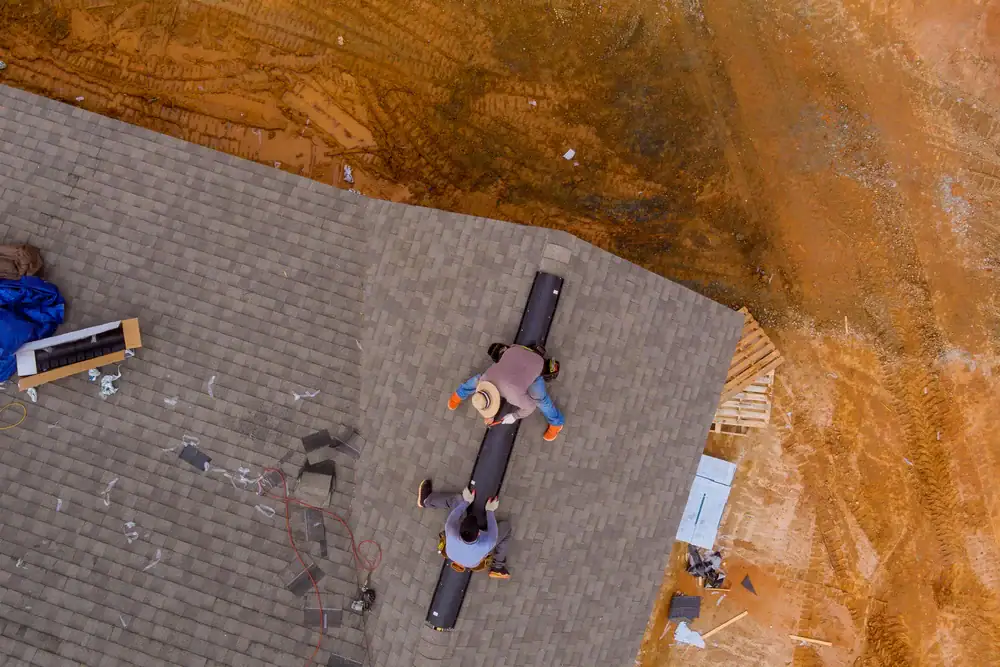
Cool roof technology sounds simple, but the science behind it matters when you’re making a long-term investment. Solar reflectance measures how much sunlight bounces off your roof instead of being absorbed. Thermal emittance measures how efficiently your roof releases the heat it does absorb. Together, these properties determine your roof’s Solar Reflectance Index, or SRI, which is the standard California uses for Title 24 compliance.
Los Angeles County adopted Title 31 Green Building Standards, which mandate cool roofs for new construction and many re-roofing projects. The goal is energy efficiency and reduced urban heat island effect. For homeowners, that means your roof needs to meet minimum reflectance and emittance values, or you won’t pass inspection. But meeting code is just the baseline. The real benefit comes from choosing materials that exceed those minimums.
Metal roofing with factory-applied reflective coatings can achieve SRI values well above code requirements. Cool roof coatings applied to existing surfaces can convert a heat-absorbing roof into a reflective one without full replacement. Even certain Energy Star-rated asphalt shingles now use reflective granules to improve performance. The key is understanding which solution fits your home’s architecture, your budget, and LA’s specific climate challenges.
Los Angeles doesn’t just get hot. It gets consistently hot for months at a time. Your roof is exposed to intense UV radiation nearly year-round, with minimal cloud cover to provide relief. That’s why reflectivity and emittance aren’t just nice features—they’re essential for controlling cooling costs and extending your roof’s lifespan. Cool roof installation in Los Angeles requires materials that can handle prolonged sun exposure without degrading, losing protective granules, or requiring premature replacement. Energy efficient roofing materials are built to withstand that exposure while maintaining performance over decades.
LADWP Cool Roof Rebates and Title 24 Compliance
If you’re planning a roof replacement or installation in Los Angeles County, you need to know about two things: LADWP rebates and Title 24 requirements. Both directly affect your project cost and material choices, and both are designed to encourage energy efficient roofing.
The Los Angeles Department of Water and Power offers cool roof rebates for qualifying residential installations. The base rebate is $0.20 per square foot, with enhanced rebates up to $0.30 per square foot for materials that exceed minimum performance standards. That might not sound like much, but on a 2,000-square-foot roof, you’re looking at $400 to $600 back just for choosing materials that save you money anyway. Rebates apply to conditioned space only, so patios and carports don’t count, but your main living areas do.
To qualify, your roofing materials need to be rated by the Cool Roof Rating Council and meet specific reflectance and emittance values. Your contractor should be familiar with these requirements and able to provide documentation proving compliance. Not every roofer in LA understands the rebate process or knows which products qualify, so asking upfront can save you time and frustration later.
Title 24, California’s Building Energy Efficiency Standards, sets mandatory cool roof requirements for most new construction and re-roofing projects. For steep-slope residential roofs (the most common type in LA), minimum aged solar reflectance is 0.20 and minimum thermal emittance is 0.75. Low-slope roofs have higher requirements. These aren’t suggestions. They’re code, and your project won’t pass inspection without meeting them.
Here’s what matters for homeowners: Title 24 compliance isn’t just about avoiding fines. It’s about ensuring your roof actually performs in LA’s climate. The standards exist because reflective roofing measurably reduces energy consumption, lowers peak electricity demand, and helps manage the urban heat island effect that makes cities hotter than surrounding areas. When you install a Title 24-compliant roof, you’re not just checking a box. You’re investing in a system that keeps your home cooler and your energy bills lower for the next 20 to 50 years.
Navigating permits, rebates, and compliance requirements can feel overwhelming, especially if you’re working with a contractor who isn’t local or doesn’t specialize in energy efficient systems. That’s where experience matters. Contractors who’ve been installing cool roofs in Los Angeles County for decades know exactly which materials qualify, how to document installations for rebate approval, and how to ensure your project meets all code requirements without delays or complications.
Metal Roofing Companies: Energy Efficiency Expertise
Metal roofing has become one of the fastest-growing segments in residential roofing, and for good reason. It’s the second most popular roofing material in the U.S., with market share increasing year over year. Homeowners choose metal for durability, longevity, and energy efficiency. In Los Angeles, where roofs endure intense sun exposure and occasional high winds, metal roofing delivers performance that traditional materials can’t match.
But not all metal roofing companies understand energy efficiency. Some install metal roofs the same way they’d install shingles, without considering reflectivity, ventilation, or thermal performance. Others focus on commercial applications and don’t have residential expertise. When you’re evaluating metal roofing companies in Los Angeles County, you need to ask specific questions about their energy efficiency knowledge and installation methods.
What Separates Energy Efficient Metal Roofing Contractors
Metal roofing can reflect up to 70% of solar energy, but only if it’s installed correctly and finished with the right coatings. Unpainted metal might be reflective, but it’s a poor thermal emitter, meaning it gets hot to the touch and doesn’t release heat efficiently. Factory-applied cool-colored coatings solve that problem by combining high reflectance with high emittance, keeping surface temperatures dramatically lower than bare metal or dark-colored finishes.
Ventilation is another factor that separates knowledgeable metal roofing contractors from general roofers. Metal roofs installed on battens create an air gap between the panels and the roof deck, allowing hot air to escape and cool air to circulate. This above-sheathing ventilation prevents heat buildup in your attic and further reduces cooling costs. Some metal roofing products are engineered with built-in airspace for direct-to-deck installation, providing similar benefits without the raised batten system.
Factory certifications matter when you’re choosing a metal roofing contractor. Manufacturers like GAF, CertainTeed, and Owens Corning certify contractors who meet specific training and installation standards. Those certifications aren’t just credentials—they’re proof that the contractor understands the product, follows best practices, and can offer manufacturer-backed warranties. In Los Angeles, where your roof is a major investment and long-term performance is critical, working with factory-certified installers protects both your money and your home.
Energy efficient metal roofing contractors also understand local building codes, Title 24 requirements, and rebate programs. They can explain why certain finishes qualify for LADWP rebates while others don’t. They know which metal roofing systems meet Title 31 cool roof standards and which products perform best in LA’s climate. That expertise translates to fewer headaches during permitting, faster project completion, and roofs that actually deliver the energy savings you’re paying for.
One more thing to consider: crew experience and consistency. Some roofing companies rotate crews constantly or subcontract installations to whoever’s available. That inconsistency shows up in workmanship quality and installation errors. Companies with decades-long crew loyalty and in-house teams deliver more reliable results because the same experienced professionals handle your project from start to finish. When you’re investing in a roof that’s supposed to last 40 to 70 years, that consistency matters.

Metal Roof Energy Savings and Long-Term ROI in Los Angeles
Metal roofing costs more upfront than asphalt shingles. In Los Angeles, reflective metal roofing typically runs between $12,000 and $28,000 installed, depending on roof size, complexity, and material choice. Asphalt shingles might cost half that. But comparing initial costs without considering lifespan and energy savings misses the point entirely.
Asphalt shingle roofs in California’s climate last about 20 to 30 years before needing replacement. Metal roofs last 40 to 70 years, and they’re recyclable at end of life. That means you’ll replace an asphalt roof two or three times in the lifespan of one metal roof. Factor in disposal costs, labor, and material price increases over time, and the total cost of ownership shifts dramatically in metal’s favor.
Energy savings add another layer to the ROI calculation. Metal roofing can reduce cooling energy consumption by 10% to 40%, depending on coating type, ventilation, and insulation quality. For a Los Angeles homeowner spending $200 to $400 per month on summer electricity, that’s $20 to $160 in monthly savings during peak season. Over a year, savings range from $200 to $700 or more. Over the 40-year lifespan of a metal roof, that’s $8,000 to $28,000 in avoided energy costs—enough to offset the entire initial investment.
LADWP rebates reduce upfront costs further. Cool roof coatings, which can be applied to existing roofs or new installations, cost $1.50 to $4.00 per square foot and qualify for rebates. For homeowners who aren’t ready for full replacement, coatings offer a cost-effective way to improve energy efficiency and extend roof life while still capturing rebate dollars.
The ROI timeline varies based on your specific situation. Homes with poor insulation, older HVAC systems, or south-facing roof slopes see faster payback. Properties in inland LA County areas with higher summer temperatures benefit more than coastal homes with natural cooling. But across the board, energy efficient metal roofing pays for itself within 3 to 7 years through energy savings alone, and then continues delivering value for decades.
Metal roofing also increases property resale value. Today’s buyers actively look for sustainable, energy-saving features, and an energy efficient metal roof checks both boxes. It signals lower operating costs, reduced maintenance, and modern performance—all selling points in LA’s competitive real estate market. You might not recoup 100% of your installation cost at resale, but you’ll recover a significant portion while enjoying lower energy bills the entire time you own the home.
Choosing Residential Roofing Companies for Energy Efficient Projects
Finding the right residential roofing company in Los Angeles County requires more than reading online reviews or comparing quotes. Energy efficient roofing projects involve building code compliance, rebate documentation, material certifications, and installation techniques that not every contractor understands. You need a company with specific expertise in cool roof systems, metal roofing, and California’s regulatory environment.
Start by verifying licensing and insurance. In California, roofing contractors must hold a C-39 license issued by the Contractors State License Board. That license confirms they’ve met experience requirements, passed exams, and carry required insurance. Ask for proof of $2 million liability coverage and full workers compensation insurance. If a contractor can’t provide current documentation, move on.
Factory certifications indicate specialized training and manufacturer relationships. Contractors certified by GAF, Owens Corning, CertainTeed, or other major manufacturers can offer extended warranties and have demonstrated proficiency with specific products. In Los Angeles, where your roof faces extreme UV exposure and needs to perform for decades, those warranties provide valuable protection.
Ask about crew consistency and employment practices. Companies with decades-long crew loyalty and in-house employees deliver more reliable workmanship than operations that rotate subcontractors constantly. You want the same experienced team handling your project from tear-off to final inspection, not a different crew every day.
Experience with Title 24 compliance and LADWP rebates separates local specialists from general contractors. Ask how many cool roof projects they’ve completed in LA County, whether they handle permit applications in-house, and if they assist with rebate paperwork. Contractors who’ve navigated these processes hundreds of times can prevent delays and ensure you capture all available incentives.
Photo documentation and educational approach matter more than you might think. Roofing happens above your head, and most homeowners never see the work in progress. Contractors who photograph every stage of installation, explain what they’re doing, and show you potential issues before they become problems build trust and deliver transparency. That hands-on educational approach helps you understand your investment and make informed decisions.
Finally, consider longevity and reputation. A roofing company that’s been operating in Los Angeles County for 40+ years has survived multiple economic cycles, building code changes, and industry shifts. That staying power indicates quality work, satisfied customers, and business practices that support long-term relationships. When you’re making a major investment in your home, working with established local contractors reduces risk and increases the likelihood of a successful project.
At Royal Roofing Company, we bring all these elements together. State licensed since 1982, factory certified, fully insured, and backed by decades of local experience, we specialize in energy efficient roofing systems and complex installations throughout Southern California. Our hands-on approach, photo-documented workmanship, and deep expertise in hot mop systems and insurance-compliant projects set us apart in a crowded market. If you’re ready to reduce your energy costs and invest in a roof that performs for decades, starting a conversation with a contractor who actually understands Los Angeles roofing makes all the difference.