

Summary:
Your roof absorbs more heat than any other surface on your property. In Los Angeles County, where summer temperatures routinely hit triple digits and cooling bills can exceed $500 monthly, that matters more than you might think. The difference between a standard roof and an efficient one isn’t cosmetic—it’s measurable in both comfort and cost. You’re looking at 10% to 30% reductions in cooling expenses, extended HVAC lifespan, and compliance with local building codes that aren’t optional. If you’re researching roofing options, you’re probably trying to figure out what “efficient” actually means beyond marketing claims. Let’s start with the fundamentals.
Efficient Roofing Materials: Complete Performance Guide
Efficient roofing comes down to two measurable properties: how much sunlight your roof reflects and how quickly it releases absorbed heat. These aren’t subjective qualities—they’re tested and rated by the Cool Roof Rating Council using standardized methods.
Solar reflectance measures the percentage of sunlight bounced back rather than absorbed. A roof with 0.65 solar reflectance rejects 65% of the sun’s energy. Thermal emittance measures how efficiently your roof releases heat it does absorb. Both are rated from 0 to 1, with higher numbers indicating better performance.
The Solar Reflectance Index combines these two factors into a single score. Los Angeles County requires a minimum SRI of 20 for new construction and qualifying re-roofing projects—that’s not a suggestion, it’s mandatory under the Cool Roof Ordinance adopted in 2019. But meeting the minimum and optimizing performance are different goals.
Metal Roofing Energy Efficiency and Longevity
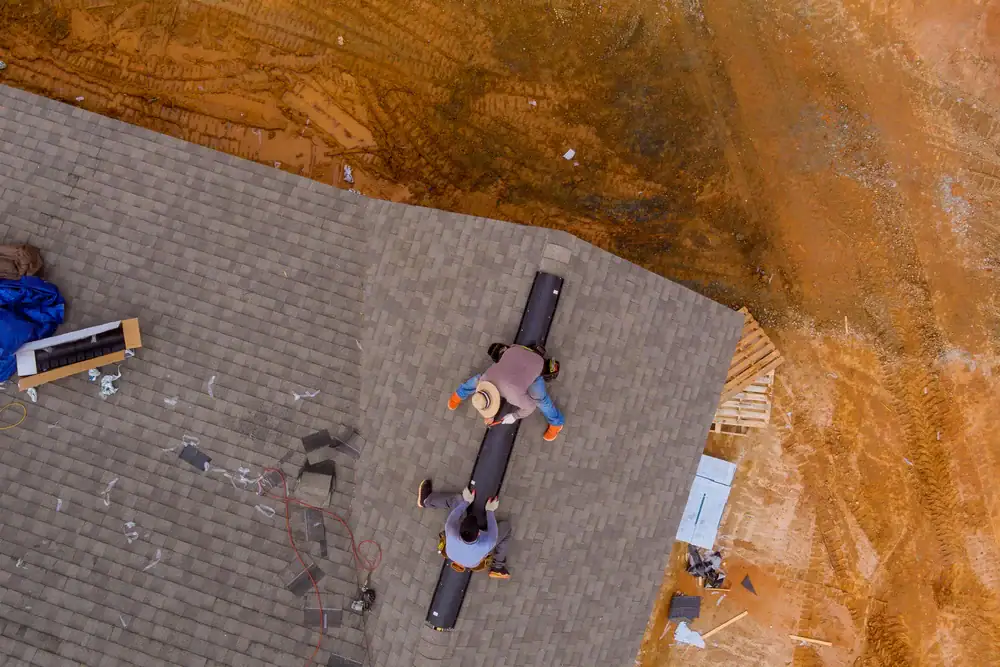
Metal roofing consistently outperforms other materials in energy efficiency testing. A light-colored metal roof with factory-applied reflective coating can achieve solar reflectance values above 0.60, substantially exceeding Title 24 minimums. What makes metal particularly effective is its combination of high reflectance and high thermal emittance—it doesn’t just reject heat, it releases absorbed heat quickly rather than radiating it into your attic space.
Homeowners switching from dark asphalt shingles to reflective metal roofing in Southern California typically see cooling cost reductions between 20% and 25%. For a home spending $400 monthly on summer electricity, that’s $80 to $100 in savings every month during peak season. Over a year, you’re looking at $500 to $800 back in your pocket.
Metal’s low thermal mass means it doesn’t store heat the way other materials do. The air space between your roof deck and the metal panels blocks conduction, preventing heat transfer to your attic. This matters significantly in Los Angeles County’s Climate Zone 3B, where summer temperatures peak at 102°F and roofs can reach 150°F or higher on dark materials.
Beyond energy performance, metal roofing lasts 40 to 70 years with proper installation—roughly double the lifespan of asphalt. You’re looking at fewer replacements over your home’s lifetime, less material in landfills, and better long-term return on investment. Metal is also fire-resistant with Class A ratings, which matters in wildfire-prone areas throughout Los Angeles County.
The upfront cost runs higher than asphalt, but when you factor in longevity, energy savings, and reduced maintenance, the total cost of ownership often works in metal’s favor. It’s not the right choice for every budget or aesthetic preference, but the performance data is clear.
Tile Roofing Performance in Hot Climates
Clay and concrete tile roofing has been used in Southern California for over a century because it performs well in hot, dry climates. Tile roofs are naturally energy-efficient due to their thermal mass and the air circulation space beneath the tiles. That airflow helps release absorbed heat rather than trapping it against your roof deck.
Tile roofing can be pre-treated to maximize heat reflectivity, and reflective coatings can be applied even after installation. Terra cotta clay tiles typically have natural cool-color properties, while glazed tiles offer color options with factory-fired reflective finishes. Concrete tiles are available in lighter, more reflective colors that enhance energy efficiency by minimizing heat absorption.
In Los Angeles County, tile roofs commonly last 50 years or more when properly maintained. They resist UV degradation better than organic materials, handle temperature fluctuations without cracking, and provide excellent fire resistance—another critical factor in LA’s fire-prone zones.
The weight of tile requires proper structural support, and installation costs run higher than asphalt shingles. But for upscale homes and properties where longevity matters, tile delivers both performance and aesthetic appeal. The overlapping structure allows air to circulate easily, which contributes significantly to thermal performance even on the hottest days.
One consideration with tile is thermal mass—it can absorb and hold heat longer than metal. However, the air circulation beneath the tiles and the availability of reflective treatments mitigate this concern. When you’re comparing materials, tile offers a balance of proven longevity, fire resistance, and energy performance that works particularly well in Los Angeles County’s Mediterranean-influenced climate.
Maintenance is straightforward but necessary. Broken or cracked tiles should be replaced promptly to prevent water intrusion. Periodic inspections catch small issues before they become structural problems. When installed correctly by experienced roofers who understand proper underlayment and flashing details, tile roofing provides decades of reliable protection with minimal intervention.
Roofing Material Comparison: Energy and Cost Analysis
Comparing roofing materials requires looking beyond initial installation costs to total lifecycle value. Energy savings, maintenance requirements, replacement frequency, and insurance considerations all factor into the real cost of your roof over 20, 30, or 50 years.
Asphalt shingles remain the most common residential roofing material due to affordability and availability. Standard asphalt typically lasts 20 to 30 years in California’s intense sun. However, not all asphalt shingles perform equally—energy-efficient varieties with solar-reflecting granules can significantly improve performance while maintaining the lower price point.
Modern cool-rated asphalt shingles use specially designed granules that reflect near-infrared radiation, keeping surface temperatures lower even in darker colors. This technology allows you to choose colors you prefer without sacrificing all energy efficiency. These upgraded shingles meet Title 24 requirements and can reduce cooling costs by 10% to 15% compared to standard asphalt.
Cool Roof Coatings and Reflective Systems
If your current roof is structurally sound but you want improved energy performance, reflective roof coatings offer a cost-effective solution without full replacement. These coatings can be applied to most existing roof types including asphalt shingles, metal, tile, and flat roofing membranes.
Reflective coatings work by creating a highly reflective surface that bounces sunlight away from your roof. Quality coatings can achieve solar reflectance values of 0.80 or higher—better than many new roofing materials. They also seal minor cracks and extend the life of your existing roof by reducing thermal cycling and UV exposure.
The application process matters. Your roof needs to be clean, dry, and in good condition for coatings to adhere properly and perform as designed. Professional application ensures proper coverage and thickness for maximum reflectivity and durability. Coatings typically need reapplication every 10 to 15 years depending on product quality and exposure conditions.
For flat or low-slope roofs common on commercial buildings and some residential properties, single-ply membranes like TPO and PVC provide excellent energy efficiency. These materials are lightweight, highly reflective, and UV-resistant. Their flexibility makes installation straightforward, though initial costs run higher than asphalt. The reflective and UV-resistant properties bring significant energy efficiency, reducing cooling costs in LA’s sunny climate while lasting 20 years or more.
One advantage of membrane systems is their proven performance in commercial applications where energy costs are carefully tracked. The same technology that keeps large commercial buildings cooler works equally well on residential flat roofs, garage roofs, and patio covers.
When evaluating coating or membrane options, verify that products are CRRC-rated and meet Los Angeles County’s Cool Roof Ordinance requirements. Not all reflective products are created equal, and you want documented performance data rather than marketing claims. We can provide CRRC ratings and explain how the product meets local code requirements.

Energy Savings Calculations and ROI for LA County Homes
Understanding your potential return on investment requires looking at actual data rather than best-case scenarios. In Los Angeles County’s Climate Zone 3B, where summer temperatures regularly exceed 100°F and homes can spend $300 to $500 monthly on cooling, the numbers add up quickly.
Studies conducted in Southern California show that cool roofs can reduce air conditioning energy use by 10% to 30% during peak cooling months. For a typical home spending $400 monthly on summer electricity, a 20% reduction means $80 saved every month during the four-month peak season—$320 annually. Over a 30-year roof lifespan, that’s $9,600 in savings, not accounting for electricity rate increases.
Metal roofing with reflective coatings delivers the highest savings, typically 20% to 25% reductions in cooling costs. Cool-rated asphalt shingles provide 10% to 15% savings. Tile roofing with reflective treatments falls in the middle, around 15% to 20% depending on color and coating.
But energy savings represent only part of the ROI equation. Cool roofs reduce HVAC system strain, potentially extending the life of your air conditioning equipment by years. They also reduce peak-hour electricity demand, which matters if you’re on time-of-use rate plans where electricity costs more during afternoon and evening hours when demand is highest.
Roof replacement typically recoups 60% to 70% of cost at resale according to national data. Premium materials in upscale Los Angeles County markets can achieve 80% to 85% cost recovery. More importantly, homes with new roofs sell faster because buyers are reluctant to take on properties needing immediate roof replacement, even at reduced prices.
Los Angeles County’s Cool Roof Ordinance means you don’t have the option to install non-compliant materials anyway—every new roof or qualifying replacement must meet minimum SRI requirements. Since you’re required to meet the standard, choosing materials that exceed minimums costs little more while delivering measurable performance improvements.
California offers rebate programs and PACE financing for cool roof installations. These incentives reduce upfront costs and improve ROI further. We’re familiar with available programs and can help you navigate applications. Don’t leave money on the table because you weren’t aware of rebates or financing options that make energy-efficient choices more affordable.
Making the Right Roofing Choice for Your LA County Home
Efficient roofing isn’t about following trends—it’s about choosing materials that perform in your specific climate and meet your long-term needs. In Los Angeles County, that means understanding solar reflectance, thermal emittance, and SRI ratings. It means knowing what the Cool Roof Ordinance requires and how different materials stack up in real-world testing.
Metal roofing delivers maximum energy efficiency and longevity. Tile offers proven durability with natural cooling properties. Cool-rated asphalt shingles provide budget-friendly performance. Reflective coatings extend the life of existing roofs while improving efficiency. Each option has trade-offs in cost, aesthetics, and performance that depend on your priorities.
What matters most is working with a contractor who explains these differences honestly rather than pushing whatever they happen to install. We’ve been helping Los Angeles County property owners make informed roofing decisions since 1982, with factory certifications, proper licensing, and a hands-on educational approach that puts your needs first. When you’re ready to discuss your specific situation and get clear answers about what makes sense for your property, reach out to us at Royal Roofing Company.