

Summary:
You’re staring at a water stain on your ceiling. Or maybe you’ve just noticed a few cracked tiles after the Santa Anas blew through. The question hits fast: do you call someone now, or can it wait?
In Los Angeles County, that decision matters more than you might think. The difference between scheduled roof maintenance and emergency repairs isn’t just about convenience—it’s about protecting your wallet, your warranty, and your home’s value. This breakdown shows you exactly what each approach costs, what you’re really paying for, and how to make the call that saves you money long-term.
Roof Maintenance Cost vs Emergency Repair Expenses
The numbers tell a clear story. Scheduled roof maintenance in Los Angeles County typically runs $150-$400 for a standard residential inspection, with minor preventive repairs adding another $200-$800 depending on what’s needed. Spread that across a year or two, and you’re looking at manageable, predictable costs.
Emergency repairs flip that equation. When you’re calling at 2 AM because water’s dripping through your kitchen ceiling, you’re paying $200-$500 just for the call-out fee. Add time-and-a-half labor rates for after-hours work, and suddenly that leak repair jumps from $800 to $2,000 or more. Industry data shows emergency work costs 40-60% more than the same repair scheduled during normal hours.
But the real cost difference shows up over time. A 15-year study by Firestone and Prologis found that proactive maintenance averages 14 cents per square foot annually, while reactive repairs cost upwards of 25 cents per square foot—nearly double. For a typical 2,000-square-foot LA home, that’s the difference between $280 and $500 per year, compounding over the life of your roof.
What Maintenance Actually Prevents
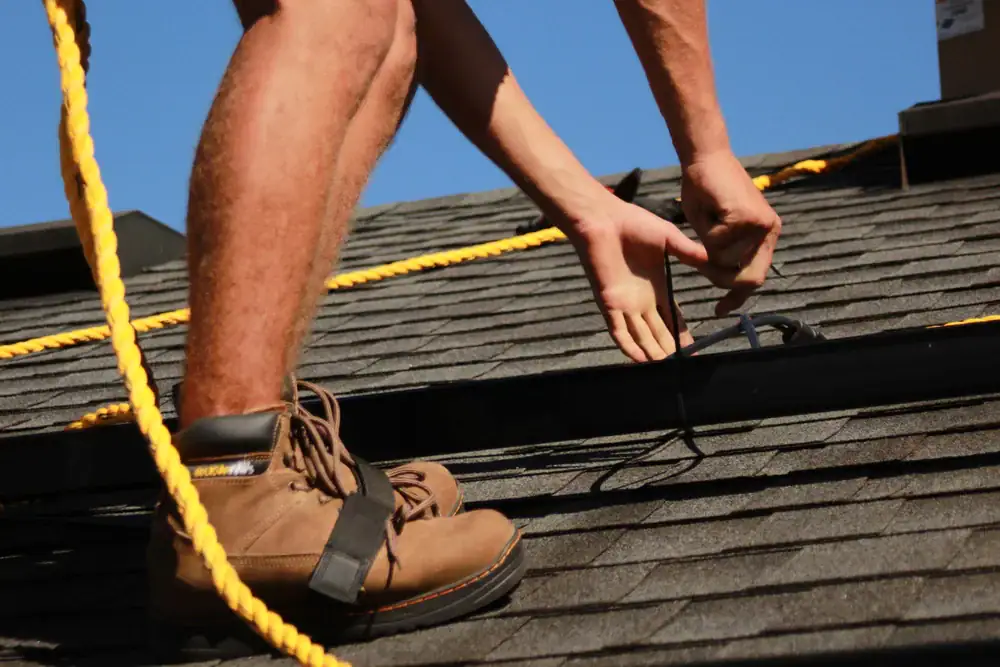
Routine maintenance isn’t just about finding problems—it’s about stopping them before they start. During a typical inspection in Los Angeles, we check for UV damage to shingles (those 284 sunny days take a toll), examine flashing around chimneys and vents, clear debris from valleys and gutters, and identify early signs of wear.
Catching a small crack in flashing costs maybe $150 to seal. Ignoring it until water penetrates the underlayment? You’re looking at $1,500-$3,000 to replace damaged decking, repair interior water damage, and address the original flashing issue. The maintenance visit pays for itself the first time it catches something minor.
Los Angeles-specific factors make this even more critical. Santa Ana winds lift shingles that seem fine from the ground. Thermal cycling—those 40-degree temperature swings between overnight lows and afternoon highs—loosens fasteners and causes micro-cracking. A maintenance program spots these issues during their early stages, when repairs are simple and cheap.
The photo documentation that comes with professional maintenance also protects your warranty. Most manufacturer warranties require proof of regular maintenance. Without it, they can deny your claim even if the product failed. That $300 inspection suddenly looks like cheap insurance when a warranty claim could save you $15,000 on a premature replacement.
When Emergency Repairs Make Sense
Not every situation allows for scheduled maintenance. Sometimes the roof decides the timeline for you.
Active leaks during a rainstorm, visible sagging that suggests structural compromise, or major storm damage all qualify as genuine emergencies. In these cases, the premium you pay for immediate response prevents secondary damage that could dwarf the repair cost. Water sitting in insulation, drywall, and framing for even 24-48 hours can trigger mold growth and rot that costs $3,000-$6,000 to remediate.
The key is understanding what constitutes a true emergency versus what can wait for normal business hours. A stain that’s been there for months isn’t an emergency—it’s deferred maintenance catching up to you. Missing shingles after high winds need attention soon, but they can usually wait until morning unless rain is forecast. A ceiling that’s actively dripping or bulging? That’s a real emergency.
Even in emergency situations, you’re often better off with a temporary fix—professional tarping runs $200-$1,500—followed by a proper repair scheduled during daylight hours. This approach gives you immediate protection without the premium labor rates, and it allows for a thorough assessment rather than a rushed patch job.
The pattern that emerges is clear: homeowners who invest in regular maintenance rarely face true emergencies. The ones calling at midnight are almost always the ones who’ve been putting off inspections and minor repairs. By the time they notice the problem, it’s already escalated beyond the simple fix stage.
Roof Repair Cost Factors in Los Angeles County
Understanding what drives repair costs in LA helps you budget accurately and spot inflated quotes. Several factors specific to Los Angeles County push prices higher than national averages.
Labor rates in LA run $60-$125 per hour depending on the contractor’s experience and the complexity of work. That’s 15-25% higher than inland California areas, driven by cost of living and high demand. Most roof repairs take 2-5 days for a full crew, so labor quickly becomes the largest line item on your estimate.
Permit requirements add both cost and time. Los Angeles County requires permits for most roof work beyond minor repairs, with fees ranging $200-$800. Your contractor typically handles this, but it’s built into the quote. Inspections mandated by the Los Angeles Department of Building and Safety ensure code compliance but add administrative overhead.
Material and Access Challenges
The type of roofing material on your home dramatically affects repair costs. Asphalt shingles are the most affordable to fix—replacing a section might cost $300-$800 including labor. Clay or concrete tiles common in LA’s Spanish Colonial homes? You’re looking at $800-$1,800 for comparable work because tiles are fragile, require specialized handling, and matching older tiles can be difficult.
Flat roofs using TPO, modified bitumen, or hot mop systems present their own challenges. These require different expertise and materials, with repairs typically running $500-$2,000 depending on the damaged area. Hot mop systems, in particular, demand specialized contractors with the right equipment and certifications—our specialty in this area addresses a real need in LA’s commercial and multi-family market.
Access issues drive costs up in LA’s hillside communities. Properties in areas like the Hollywood Hills, Laurel Canyon, or Palos Verdes often require additional safety equipment, longer setup times, and sometimes even crane access for materials. These logistical challenges can add 15-30% to repair costs compared to easily accessible properties on flat lots.
Roof pitch matters too. Steep slopes require more safety measures and slow down work. A repair on a low-slope roof might take half the time of the same fix on a 10:12 pitch, directly affecting your labor costs. Complex roof designs with multiple valleys, dormers, and skylights similarly increase both material waste and installation time.

Hidden Costs That Surprise Homeowners
The estimate you receive rarely tells the whole story. Several hidden costs catch LA homeowners off guard.
Underlying damage often reveals itself only after work begins. That leak you called about might have rotted the decking underneath, adding $1,000-$3,000 to replace damaged wood. Inadequate ventilation discovered during repairs could require additional work to meet current code, tacking on another $500-$1,500. Responsible contractors disclose these possibilities upfront, but some don’t—leaving you with surprise bills mid-project.
Code upgrades complicate matters. If your roof was installed before current LA County requirements, any significant repair might trigger mandatory upgrades. Title 24 energy code now requires cool roof materials for most residential replacements. Homes in wildfire hazard zones must use Class A fire-rated materials. These aren’t optional, and they can increase material costs by 20-40% compared to standard products.
Disposal fees add up, especially for tile roofs. Removing and disposing of old roofing materials costs $1,000-$3,000 depending on volume and local dump fees. Some contractors include this in their quote, others add it as a line item, and a few conveniently forget to mention it until the end.
Insurance claim complications create their own headaches. If you’re filing a claim, your insurer might require specific documentation, multiple estimates, or proof that damage resulted from a covered peril rather than deferred maintenance. Without proper documentation—this is where photo records from regular maintenance become invaluable—claims get denied. You’re then stuck with the full repair cost out of pocket.
The contractors who provide detailed, itemized estimates with clear assumptions about potential issues are the ones worth hiring. Vague quotes with round numbers and phrases like “approximately” or “estimated” are red flags. You want specifics: square footage, material brands and grades, labor breakdown, permit costs, and contingency allowances for discovered damage.
Making the Smart Choice for Your Los Angeles Roof
The math consistently favors prevention. Scheduled maintenance costs less, catches problems early, protects your warranty, and gives you control over timing and budget. Emergency repairs cost more, often address problems that could have been prevented, and force decisions under pressure when you have the least leverage.
For Los Angeles County homeowners, the unique climate factors—intense UV exposure, thermal cycling, Santa Ana winds, and occasional heavy rains—make regular inspections even more valuable. Your roof faces conditions that accelerate wear in ways that aren’t obvious from the ground. A professional eye twice a year spots the early warning signs.
The choice isn’t really between maintenance and repairs. It’s between paying a little now or a lot later. Our 40+ years serving Southern California, specialty in complex systems like hot mop applications, and commitment to photo-documented workmanship represent the kind of partnership that turns roof care from a crisis into a manageable part of homeownership. When you’re ready to shift from reactive to proactive, that’s the conversation worth having.