
Summary:
You noticed water stains spreading across your ceiling after last week’s storm. Or maybe a few tiles blew off during those Santa Ana winds. Now you’re trying to figure out what this is actually going to cost—and whether the estimates you’re getting are fair or inflated.
Roof repair costs in Los Angeles County aren’t simple. They’re shaped by strict permit requirements, specialized labor rates, and building codes that don’t exist in most other cities. Minor leak repairs might run $200-$500, while storm damage can push $2,000-$8,000. But the real cost isn’t just the repair itself—it’s what happens when contractors skip permits, use substandard materials, or leave you with work that voids your warranty.
This breakdown walks you through real 2026 pricing, LA County factors that affect your total, and how to spot the difference between transparent contractors and those who surprise you with hidden fees halfway through the job.
What Affects Roof Repair Cost in Los Angeles County
Roof repair pricing in LA County isn’t pulled from thin air. Several factors determine whether you’re looking at a $400 patch or a $4,000 project, and understanding them helps you evaluate estimates accurately.
Damage type and scope matter most. A small leak around a vent pipe requires different materials and labor than repairing an entire valley damaged by debris impact. The size of the affected area, accessibility of your roof, and whether structural components underneath are compromised all shift the price point.
Material costs in Southern California run higher than national averages due to transportation, local supply chains, and the specific products required to meet LA’s fire resistance and reflectivity ratings. Tile roofs cost more to repair than asphalt shingle systems, and specialty materials like hot mop applications require trained crews that command premium rates. Labor in Los Angeles County also sits 15-25% above surrounding regions because of demand, licensing requirements, and the expertise needed to navigate strict building codes.
Roof Repair Cost by Damage Type
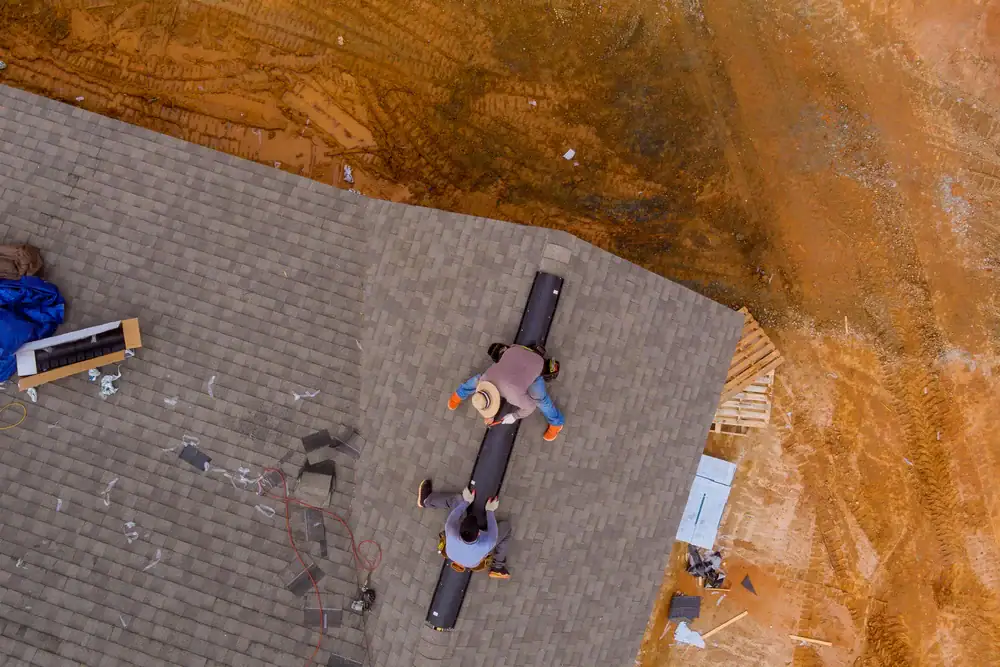
Minor leak repairs typically fall in the $200-$500 range when caught early. This covers small areas around vents, chimneys, or skylights where flashing has failed or sealant has deteriorated. The repair involves removing the damaged section, replacing underlayment if needed, installing new flashing, and sealing properly. If you’re dealing with a few missing or cracked shingles on an asphalt roof, expect costs on the lower end of this range.
Moderate repairs—addressing larger leak sources, replacing sections of damaged tile, or fixing valley issues—generally run $800-$2,500 in Los Angeles County. These projects require more materials, longer labor hours, and often involve multiple roof penetrations or slopes. If water has been seeping long enough to damage underlayment or decking beneath the surface, costs increase because the scope expands beyond just the visible exterior layer.
Major storm damage repairs can reach $2,000-$8,000 depending on severity. When Santa Ana winds rip off multiple sections of roofing, or debris punctures your roof during a storm, you’re often looking at structural assessment, sheathing replacement, full underlayment installation across large areas, and extensive material replacement. These repairs may also trigger permit requirements, add inspection fees, and require documentation for insurance claims—all of which affect your final investment.
Emergency repairs carry premium pricing. When you call for 24-hour emergency roof repair because water is actively entering your home, expect to pay an additional $200-$500 for after-hours service, rapid response, and temporary measures like tarping. That premium covers immediate crew dispatch, often in hazardous weather conditions, and the ability to stop further damage before permanent repairs can be scheduled. Some contractors tarp for free if you hire them for the permanent work, but clarify this upfront.
Hidden Costs Unlicensed Contractors Don't Mention
Permit fees are real costs that licensed contractors include in estimates but unlicensed workers skip entirely. In Los Angeles County, roof repairs exceeding 100 square feet within a 12-month period require building permits. Permit costs typically range from $200-$800 depending on project scope and valuation. When contractors suggest skipping permits to “save money,” they’re creating liability that surfaces during home sales, insurance claims, or when the city issues stop-work orders and fines that can reach thousands.
Proper underlayment and code-compliant materials cost more than shortcuts. LA County has strict fire resistance ratings, wind resistance requirements, and reflectivity standards that affect which products can legally be installed. Contractors who quote unusually low prices often use materials that don’t meet these standards, which means your repair might not pass inspection—or worse, could void manufacturer warranties that protect your investment long-term.
Warranty compliance matters when you’re repairing a roof that’s still under coverage. If your existing roof has a manufacturer warranty, repairs must be performed by certified installers using approved methods and materials. Unlicensed contractors or those who aren’t factory-certified can inadvertently void that warranty, leaving you unprotected if future issues arise. Our factory-certified employee roofers ensure repairs maintain your existing coverage while meeting all local code requirements.
Insurance documentation requirements add value you might not see in the estimate. When storm damage is involved, proper documentation—photos at every stage, detailed damage reports, material specifications, and licensed contractor verification—determines whether your claim gets approved or denied. We build this documentation into our process with our photo-documented workmanship approach. It’s not a line item you see, but it’s the difference between a $6,000 out-of-pocket expense and a claim your insurer actually pays.
Storm Damage Contractors: When to Call and What to Expect
Storm damage creates unique repair scenarios that differ from standard maintenance work. Los Angeles doesn’t see the hail and tornadoes common in other regions, but Santa Ana winds, atmospheric river storms, and debris from mature tree canopies cause serious roof damage that requires immediate professional assessment.
Wind damage from Santa Ana events often lifts shingles, displaces tiles, and compromises flashing around roof edges and corners where uplift forces concentrate. Even if the damage looks minor from the ground, wind can create openings that allow water intrusion during the next rain. Storm damage contractors understand how to assess these vulnerable areas, document the full extent of damage for insurance purposes, and prioritize repairs that prevent secondary issues.
Debris impact from falling branches, eucalyptus limbs, or palm fronds can puncture membranes, crack tiles, and damage underlying sheathing. These repairs often require structural assessment to determine if roof decking has been compromised. Contractors experienced in storm damage know when to call for engineering inspections and how to navigate the permitting process for repairs that involve structural components.
24 Hour Emergency Roof Repair: Cost vs. Waiting
Emergency roof repair pricing includes premiums for immediate response, but delaying can cost more in the long run. When water is actively entering your home during a storm, every hour increases the risk of interior damage to drywall, insulation, flooring, and belongings. Mold can begin growing within 24-48 hours of water exposure, turning a roof repair into a remediation project that costs thousands more.
The emergency premium—typically $200-$500 added to standard repair costs—covers crew dispatch outside normal hours, often in dangerous weather conditions. It includes temporary protection measures like industrial-grade tarping secured properly to prevent wind uplift and water infiltration until permanent repairs can be completed. Our 24/7 availability means you can reach us immediately when disaster strikes, not wait until Monday morning while water damages your home.
Temporary vs. permanent repair costs should be understood upfront. Emergency tarping might cost $300-$1,000 depending on roof accessibility and damage extent, but it’s a stopgap measure. Permanent repairs are scheduled once weather permits and materials are sourced. Some contractors credit the emergency service fee toward permanent work; others charge separately. Clarify this when you call, and get written confirmation of what’s included.
Insurance companies expect prompt mitigation efforts. Most California homeowner policies require you to take reasonable steps to prevent further damage after a covered event. Emergency tarping and temporary repairs are typically reimbursable expenses when you file a claim, as long as you save receipts and document everything. With our decades of experience, we know exactly what documentation adjusters need and build it into our emergency response process.

Finding Local Roof Repair Contractors You Can Trust
Local roof repair contractors who are properly licensed, insured, and established in Los Angeles County offer advantages that fly-by-night operations can’t match. Start by verifying the contractor holds a valid C-39 Roofing Contractor license through the California Contractors State License Board at cslb.ca.gov. Our CSLB C-39 License #432352, held since 1982, represents 40+ years of verified, compliant operation—not a license obtained last month to bid on storm damage work.
Insurance coverage protects you from liability that many homeowners don’t realize they’re assuming. When contractors work on your property, you need verification of both general liability insurance (we carry $2M) and workers compensation coverage. If an unlicensed worker falls from your roof, you could be held liable for medical costs and lost wages. Licensed contractors with proper insurance transfer that risk away from you.
Crew consistency affects quality and pricing predictability. We maintain decades-long crew loyalty, which means we deliver consistent workmanship because the same trained employees handle your project—not subcontractors hired for a single job. This stability means fewer surprises, better communication, and repairs that match the quality promised in the estimate.
Local reputation and community roots create accountability that matters when problems arise. We’ve been serving Los Angeles County for 40+ years and have a reputation to protect. We can’t disappear after the check clears or ignore warranty callbacks. Our deep family roots and hands-on educational approach reflect a business model built on long-term relationships, not one-time transactions. When you’re investing thousands in roof repairs, choosing contractors with verifiable local history gives you recourse if anything goes wrong.
Making Smart Decisions About Roof Repair Costs
Roof repair costs in Los Angeles County reflect real factors—strict building codes, specialized labor, quality materials, and proper permitting—that protect your home and your investment. Understanding the difference between fair pricing and corner-cutting helps you evaluate estimates accurately and avoid contractors who surprise you with hidden costs or leave you with work that fails inspection.
The cheapest estimate isn’t always the smartest choice. When contractors quote significantly below market rates, they’re often skipping permits, using substandard materials, or employing unlicensed workers—all of which create liability that surfaces during insurance claims, home sales, or when repairs fail prematurely. Our transparent pricing approach means you know exactly what you’re paying for, why it costs what it does, and how our decades-long crew loyalty and factory certifications protect your warranty coverage.
If you’re dealing with roof damage in Los Angeles County and need a clear assessment of what repairs will actually cost, we bring 40+ years of licensed expertise, photo-documented workmanship, and an educational approach that helps you make informed decisions. Our team understands LA County’s unique requirements and delivers quality that lasts—not shortcuts that void warranties.