
Summary:
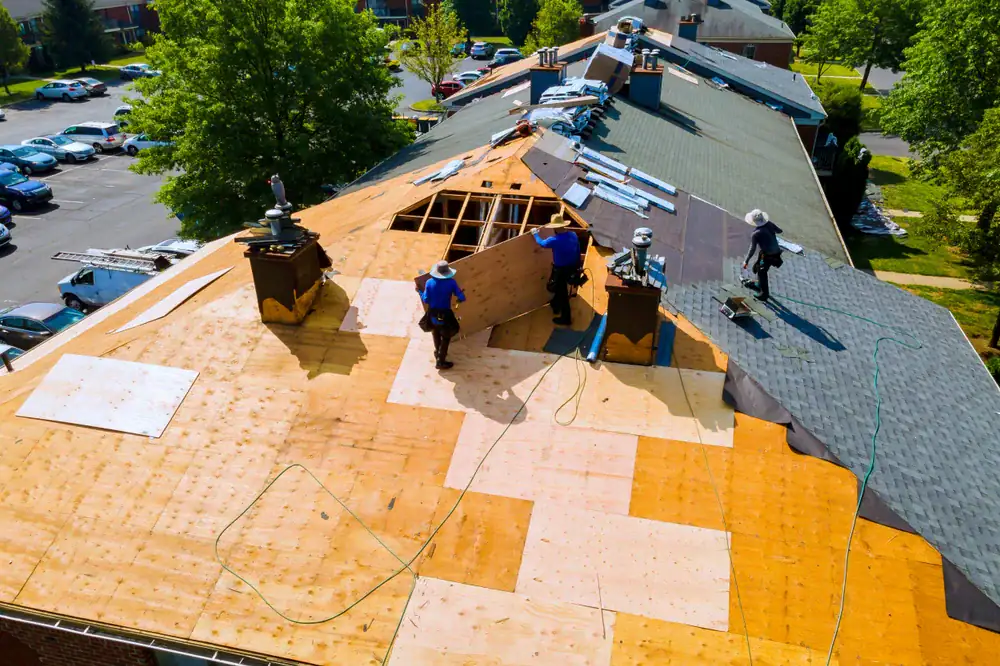
Water dripping through your ceiling at 2 AM. Shingles scattered across your yard after high winds. A section of your roof sagging after heavy rain. These aren’t problems you can ignore until Monday morning. Emergency roof situations demand immediate attention because every hour you wait, the damage spreads. The good news? Knowing what to do in those first critical moments can save you thousands of dollars and prevent a manageable repair from turning into a full replacement. This guide covers the immediate steps you need to take, the types of emergency repairs available, and how to protect your home and your insurance claim when disaster strikes your roof.
Emergency Roof Repair: Immediate Steps for Homeowners
The moment you discover roof damage, your priority shifts to containment and safety. If water is actively entering your home, grab buckets and towels to control where that water goes. Water pooling on drywall turns a small leak into a ceiling collapse, so catching drips protects your floors, furniture, and the structure itself.
Check for electrical hazards near any wet areas and turn off power to those rooms if needed. If you see a bulge forming in your ceiling paint, it’s counterintuitive but you may need to puncture it in a controlled way to relieve pressure and prevent a larger collapse. Move valuables and electronics away from the affected area.
Document everything with photos and videos before you do anything else. Take wide shots showing the whole room and close-ups of the damage. This creates a timeline that insurance companies need to see. Then call a licensed roofing contractor immediately. Many of us offer 24/7 emergency response, and getting a professional assessment protects both your home and your claim.
Emergency Flat Roof Repair
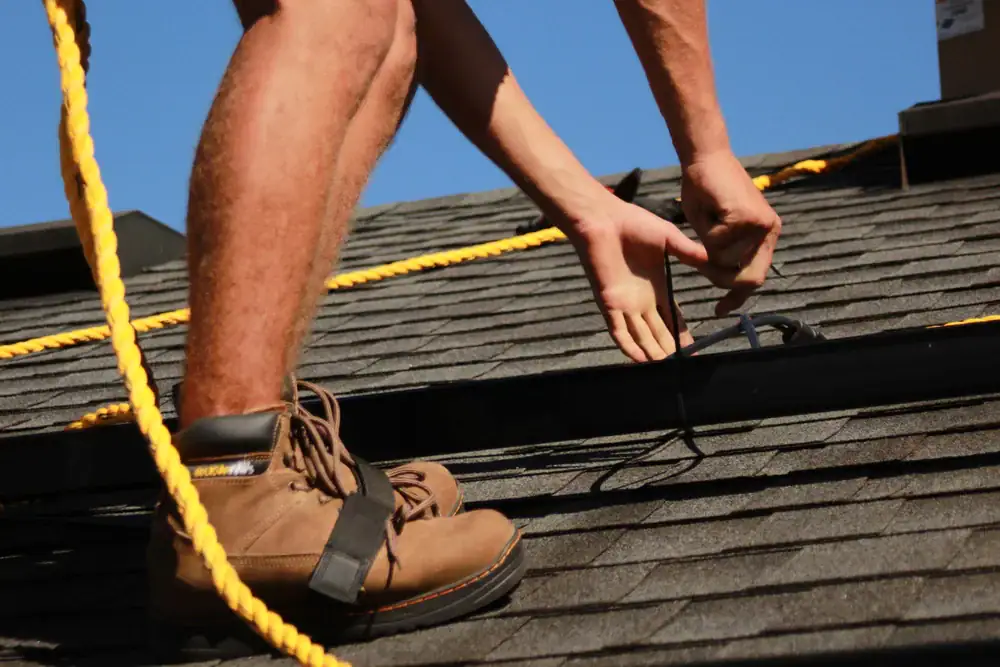
Flat roofs face unique emergency challenges in Los Angeles County. Without the natural drainage of sloped systems, even small breaches can create ponding water that accelerates damage. Commercial properties with flat roofs often see business disruptions from leaks, making response time critical.
Emergency flat roof repair typically starts with locating the exact source of failure. Flat roof leaks don’t always appear directly below the breach point. Water can travel along the roof deck before dripping through, so professional inspection is essential. Common flat roof emergencies include membrane punctures from debris, seam failures from thermal expansion, and flashing separation around roof penetrations.
Temporary solutions for flat roof emergency repair often involve heavy-duty tarping secured with proper fasteners and battens. For commercial properties, we may apply emergency sealant or install temporary waterproof membranes to stop active infiltration while permanent repairs are scheduled. The goal is stabilization without compromising the eventual permanent fix.
Hot mop systems, common on many Los Angeles County flat roofs, require specialized emergency repair techniques. These built-up roofing systems use multiple layers of asphalt and felt, and emergency patches must integrate properly with existing layers to maintain the waterproof seal. We understand how to execute emergency repairs that won’t create future problems or void existing warranties.
For commercial buildings, emergency flat roof repairs need to minimize business disruption. We can often perform temporary stabilization quickly, then return during off-hours for permanent repairs. This approach keeps operations running while protecting the building from further water damage.
Emergency Commercial Roof Repair
Commercial roof emergencies carry additional stakes beyond residential situations. A leaking roof can halt business operations, damage inventory, create safety hazards for employees and customers, and trigger liability concerns. Property managers and business owners need contractors who understand that every hour of downtime has a dollar cost.
Emergency commercial roof repair requires rapid mobilization and often involves larger-scale damage than residential emergencies. Commercial roofs in Los Angeles County face exposure to intense UV radiation, thermal cycling, and the stress of rooftop equipment like HVAC units. When failure occurs, it’s often across larger surface areas.
Our response protocols for commercial emergencies typically include immediate damage assessment, temporary protective measures to allow business continuity, and detailed documentation for insurance and property management records. We arrive with crews equipped to handle large-area tarping, emergency membrane installation, and structural stabilization if needed.
Commercial properties often have specific insurance requirements and building code considerations that don’t apply to residential work. Emergency repairs must be executed in ways that don’t compromise eventual permanent solutions or create permit issues down the line. We know how to navigate Los Angeles Department of Building and Safety requirements, even during emergency situations.
The types of commercial roof systems common in LA County—TPO, EPDM, modified bitumen, and built-up roofs—each have different emergency repair approaches. With factory certifications across multiple systems, we can assess which temporary solutions will work for your specific roof type without creating compatibility issues or voiding manufacturer warranties.
Documentation becomes even more critical in commercial settings. Property managers need detailed photo records, written damage assessments, and clear estimates for both emergency stabilization and permanent repairs. This documentation supports insurance claims, helps with budgeting decisions, and provides the paper trail that corporate property management often requires.
Emergency Leaking Roof Repair and Response Times
An emergency leaking roof demands speed, but it also demands the right kind of response. Calling the first number you find online at 2 AM might connect you with a storm chaser who’ll charge triple rates for substandard work. Understanding what constitutes reasonable emergency response helps you make better decisions under pressure.
In Los Angeles County, established roofing contractors typically respond to emergency calls within 24 hours, with many offering same-day service during business hours. True emergencies—active leaks during storms, structural damage, or situations threatening safety—often get prioritized for immediate dispatch. Response times depend on weather conditions, your location within the county, and the contractor’s current emergency call volume.
Emergency response isn’t just about speed. It’s about showing up with the right equipment, proper safety gear, and the expertise to assess what’s actually happening with your roof. A professional emergency response includes thorough damage assessment, temporary stabilization to stop active water intrusion, photo documentation for insurance purposes, and a clear explanation of next steps.
What Happens During an Emergency Roof Repair Call
When you call for emergency roof repair, here’s what you should expect from a professional contractor. The phone gets answered by an actual person who asks specific questions about your situation: Is water actively entering? Is anyone in danger? What type of roof do you have? This information helps us prioritize response and bring the right equipment.
Upon arrival, we perform a safety assessment first. We check for structural concerns, electrical hazards, and whether it’s safe to access the roof given current weather conditions. In Los Angeles, this includes evaluating seismic-related structural shifts, roof pitch, and wind conditions before committing to elevated work.
The inspection phase involves locating the source of the problem. For leaks, this often means accessing the attic or crawlspace to trace water back to its entry point. We photograph all damage thoroughly, creating documentation that follows insurance adjuster standards. This step is essential for homeowners filing claims with carriers like State Farm, Farmers, or USAA.
Next comes temporary stabilization. Depending on the situation, this might involve emergency tarping with heavy-duty polyethylene (minimum 6-mil thickness) anchored with lumber and fasteners, applying emergency flashing tape and sealant over open seams and punctures, or installing temporary waterproof barriers. The goal is stopping further damage while preserving the ability to complete permanent repairs properly.
We then provide a detailed assessment: what caused the failure, what temporary measures we’ve implemented, what permanent repairs will be needed, and timeline expectations. We explain whether this is a repair situation or if damage is extensive enough to warrant replacement. This educational component helps you make informed decisions rather than reactive ones.
For insurance claims, we provide written documentation including detailed photos, damage descriptions, and repair estimates. With our experience, we can often tell you immediately whether your situation likely qualifies for insurance coverage based on the type of damage and your policy’s typical covered perils.

Emergency Roof Repair Costs and Insurance Coverage
Emergency roof repair costs in 2026 typically range from $250 to $3,200 for common emergencies, with professional tarping running $200 to $1,500. Major storm damage or structural issues can climb to $5,000 to $15,000 or more. Understanding these numbers helps you evaluate whether quotes you receive fall within reasonable ranges or signal potential price gouging.
Emergency premiums are standard industry practice. Contractors charge $100 to $300 same-day surcharges or $200 to $500 call-out fees for emergency response. After-hours labor often carries 50% to 100% premiums. These charges cover the cost of maintaining 24/7 availability, immediate crew mobilization, and the operational expenses of emergency response. A contractor charging 200-300% premiums or quoting $5,000+ for basic emergency tarping is likely exploiting your crisis.
The investment in emergency repairs pays for itself by preventing escalating damage. A $500 emergency tarp today can prevent $3,000 to $6,000 in water damage restoration tomorrow. Mold can start growing within 24 hours of water intrusion, and structural wood deteriorates quickly once saturated. Small leaks ignored for even a few days can turn $500 problems into $50,000 disasters.
Most homeowners’ insurance policies cover sudden and accidental roof damage caused by named perils including windstorm, falling objects, and fire. Storm damage and wind events are the most common covered reasons for roof damage insurance claims in Los Angeles County. Damage from neglect or gradual deterioration typically isn’t covered, which is why documentation of the sudden event matters.
Insurance companies require notification within 24 to 48 hours in most policies. Failure to notify promptly can result in claim denial. They also expect you to take reasonable steps to prevent further damage, which is why emergency tarping and temporary repairs are not only covered but often required. Keep all receipts and documentation of emergency mitigation expenses.
Proper documentation protects your claim. Take photos before any repairs, document the timeline of the damage, save all invoices from emergency services, and get written damage assessments from your roofing contractor. We know exactly what documentation carriers require and can often participate in adjuster meetings to ensure nothing gets overlooked.
About 90% of homeowner insurance claims are settled to repair or replace damaged roofs, but disputes often arise around depreciation and actual cash value versus replacement cost. Having a contractor who can explain why repairs cost what they do helps you push back against underpaid claims and secure fair coverage.
Getting Professional Emergency Roof Repair in Los Angeles County, CA
Roof emergencies test your ability to make good decisions under pressure. The key is knowing that immediate action prevents escalating damage, proper documentation protects your insurance claim, and working with licensed professionals ensures both safety and quality outcomes.
When disaster strikes your roof, remember that the first hour matters most. Contain water damage, document everything with photos, and call a licensed contractor with verified credentials and insurance coverage. Avoid storm chasers who appear door-to-door after weather events, and be wary of prices that seem either impossibly low or exploitatively high.
The right emergency roof repair partner brings more than just technical skills. We bring calm, clear communication during chaotic moments. We explain what’s happening, what needs to happen next, and what your options are. We document everything properly so your insurance claim has the best chance of approval. And we execute repairs that actually solve the problem rather than creating new ones.
Royal Roofing Company has been responding to roofing emergencies across Los Angeles County since 1982, bringing 40+ years of experience, factory-certified crews, and a hands-on educational approach to every emergency call. When your roof fails and you need help now, that kind of proven expertise makes all the difference.