

Summary:
Your roof just took a hit from a storm. Shingles are missing, water’s getting in, and you need your insurance to cover the damage. Here’s the problem: most claims get denied or underpaid because homeowners don’t document the damage correctly. Insurance companies require specific evidence, taken at specific times, in specific ways. Miss any of those requirements and you’re looking at thousands of dollars out of pocket. The good news? You can protect your claim if you know what adjusters actually need to see. Let’s walk through the documentation process that gets claims approved in Los Angeles County.
Storm Damage Roof Assessment and Documentation Guide
The moment you suspect storm damage, your documentation clock starts ticking. California policies typically give you one year to file, but waiting even a few weeks makes it harder to prove the damage was storm-related and not just normal wear. Insurance companies will look for any reason to attribute damage to deferred maintenance instead of a covered event.
Start from the ground. Walk your property’s perimeter and photograph every angle of your roof. You’re looking for missing shingles, lifted edges, granule loss in gutters, dents on flashing, and any debris impacts. Take wide shots that show the overall roof condition, then close-ups of specific damage. Date-stamp everything if your camera allows it.
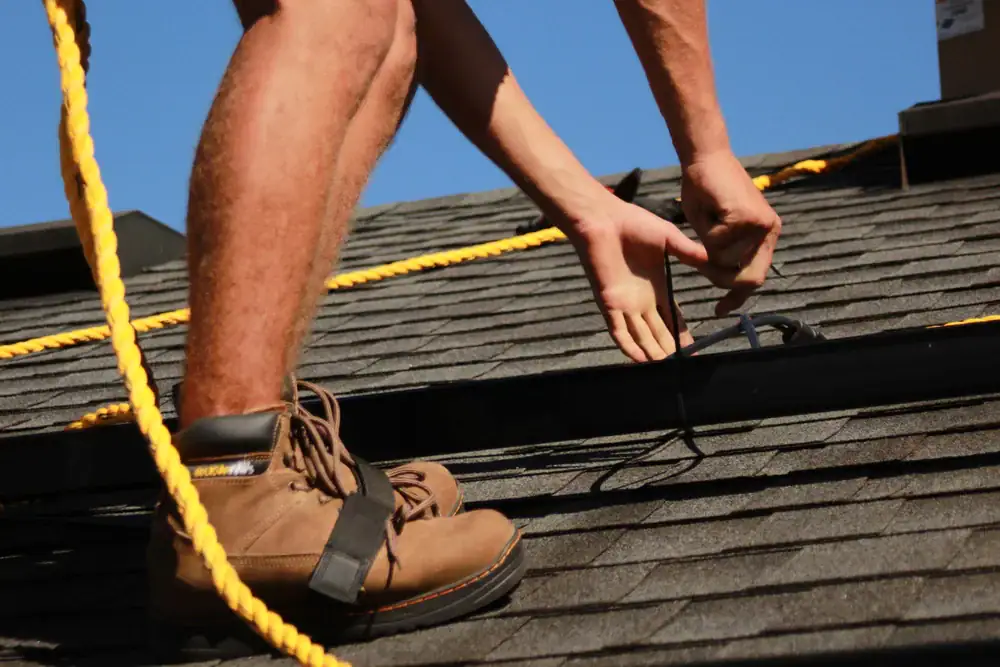
Don’t climb on your roof yourself. It’s dangerous, and insurance adjusters know homeowners can cause additional damage during amateur inspections. Instead, call a licensed roofing contractor who understands what insurance companies need documented. We’ll spot hidden damage you’d miss and create the professional inspection report that gives your claim credibility.
Wind Damage to Roof Insurance Coverage Requirements
Wind damage shows up differently than you might expect. You’re not always looking for dramatic destruction. Sometimes it’s subtle—a few lifted shingles here, some exposed underlayment there. But insurance companies in Los Angeles County scrutinize wind claims carefully because they’re so common.
Your documentation needs to prove the wind event happened and caused specific damage. Pull weather reports from the National Weather Service for the date in question. Screenshot wind speeds, storm warnings, anything that establishes a covered event occurred. Insurance adjusters will verify this data, so make sure your timeline matches.
Photograph the damage pattern. Wind typically hits roof edges and ridges first, creating a recognizable pattern of damage. If shingles are missing randomly across the entire roof, adjusters might question whether it’s really storm damage or just an old roof failing. Your contractor’s inspection report should note wind-specific indicators—directional damage, uplift patterns, fastener failure—that prove storm causation.
Interior damage matters too. Check your attic for water stains, wet insulation, or daylight showing through the roof deck. Photograph ceiling stains inside your home. This evidence shows the damage penetrated your roof’s protective layers, which strengthens your claim for more extensive repairs.
Los Angeles County building codes require permits for most roof repairs, and insurance companies expect compliance. If your contractor pulls permits, save that documentation. It proves the work was done to code, which protects you if future claims arise. Unpermitted work can actually void insurance coverage, so don’t let anyone talk you into skipping this step to save money.
The timing of your documentation matters legally. California Insurance Code requires “prompt” reporting, and most policies specify timeframes. Document everything within 24-48 hours of discovering damage. The fresher your evidence, the harder it is for insurers to claim the damage existed before the storm or resulted from something else entirely.
Roof Insurance Claim Denied: Common Documentation Failures
Insurance companies deny roof claims for predictable reasons, and most trace back to documentation failures. Understanding what triggers denials helps you avoid them from the start.
Insufficient photo evidence tops the list. Homeowners take a few quick phone pics and assume that’s enough. It’s not. Adjusters need comprehensive visual documentation—exterior damage from multiple angles, close-ups showing specific defects, interior water damage, attic inspection photos, and images of debris or storm-related impacts. A handful of blurry photos won’t cut it when you’re claiming thousands in damages.
Missing contractor inspection reports create another common failure point. Some homeowners file claims based solely on their own assessment, then wonder why insurers deny them. You’re not a roofing expert, and adjusters know it. A professional inspection report from a licensed California contractor (with a C-39 license, specifically) carries weight. It should detail damage type, extent, cause, and estimated repair costs. Without this professional backing, your claim looks like guesswork.
Late filing kills claims that would otherwise be approved. California policies typically allow one year from the date of loss, but some require reporting within 30-60 days. Check your specific policy language. If you wait six months to file, insurers will argue the damage could have happened anytime, making it impossible to prove storm causation. Even if you’re within the legal deadline, delayed reporting weakens your position.
Working with unlicensed contractors before filing your claim creates serious problems. California law prohibits unlicensed roofing work, and insurance companies can deny claims if they discover you hired someone without proper credentials. Worse, if that unlicensed work was done improperly, future damage might be attributed to poor workmanship rather than covered events. Always verify your contractor holds an active CSLB license before they touch your roof.
Inadequate damage mitigation documentation causes issues too. After a storm, you’re required to prevent further damage—tarping holes, for example. But if you don’t photograph the damage before tarping, or save receipts for emergency repairs, insurers might not reimburse those costs. Document the damage, document your mitigation efforts, save every receipt. It all matters.
Pre-existing damage arguments sink many claims. If your roof was already in poor condition—worn shingles, deferred maintenance, previous leaks—adjusters will claim the storm just accelerated inevitable failure. This is why pre-storm roof maintenance records help. If you can show your roof was in good condition before the storm (previous inspection reports, maintenance receipts), you counter the pre-existing damage argument.
The wear and tear exclusion trips up homeowners constantly. Insurance covers sudden, accidental damage from storms. It doesn’t cover gradual deterioration. If your documentation shows an old roof with normal aging, even if a storm did cause some damage, insurers might deny the entire claim. Your contractor’s report needs to clearly distinguish storm damage from age-related wear.
Roof Repair Insurance Claim Process in Los Angeles County
Filing a roof repair insurance claim follows a specific sequence in Los Angeles County, and getting the order wrong costs homeowners money. Here’s the process that actually works.
First, document the damage before you call anyone. Photos, videos, notes about when the storm occurred and what you observed. This creates your baseline evidence before contractors or adjusters get involved. Once you have initial documentation, call a licensed roofing contractor for a professional inspection. Not your insurance company yet—your contractor.
Why contractor first? Because you need an independent damage assessment before the insurance adjuster arrives. Your contractor works for you. The adjuster works for the insurance company. Having your own professional report in hand when you file the claim gives you negotiating power and ensures nothing gets missed.
After your contractor inspects and provides a written report, then you contact your insurance company. Report the claim, provide your policy number, describe the damage and storm event, and let them know you have a contractor’s assessment ready. They’ll assign a claim number and schedule an adjuster visit. Write down everything—claim number, adjuster name, scheduled inspection date.
Claiming Roof Repairs on Insurance: Working with Adjusters
The adjuster inspection determines your claim’s outcome, so preparation matters. Have your contractor present during this visit. It’s not required, but it’s smart. Adjusters aren’t roofing experts—they’re insurance employees trained to assess damage, but they miss things. Your contractor can point out damage the adjuster might overlook and explain technical details that support your claim.
Before the adjuster arrives, organize your documentation. Your contractor’s inspection report, all photos and videos, receipts for any emergency repairs, weather reports proving the storm event, and any previous roof maintenance records showing your roof was in good condition. Hand the adjuster a complete package. It shows you’re serious and makes their job easier, which works in your favor.
During the inspection, walk the property with both the adjuster and your contractor. Point out specific damage areas. Ask questions about what the adjuster is documenting and what they’re not. If they say something won’t be covered, ask why and get the explanation in writing. Don’t argue—just gather information. You can dispute findings later through the appeals process if needed.
After the inspection, the insurance company will send a settlement offer. This is where many homeowners make mistakes. They assume the first offer is final and either accept it or give up if it’s too low. Neither is the right move. Compare the insurance estimate to your contractor’s estimate line by line. Look for missing items—underlayment replacement, flashing repairs, permit fees, disposal costs. Insurance estimates often lowball labor rates or miss entire categories of necessary work.
If the settlement doesn’t cover actual repair costs, file a supplement request. This is a formal request for additional funds based on damage or costs the adjuster missed. Your contractor can help prepare this—it’s common in the industry. Adjusters sometimes miss things on initial inspections, especially hidden damage that only becomes visible during tear-off. Supplement requests aren’t appeals or disputes; they’re standard procedure for legitimate additional damage.
Los Angeles County permit requirements add a layer most homeowners forget. Roof repairs exceeding 100 square feet require building permits from the Los Angeles Department of Building and Safety. Your contractor should handle this, but the permit fees (typically $200-$600) should be included in your insurance claim. If the adjuster’s estimate doesn’t include permit costs, that’s a line item for your supplement request.
Understanding Actual Cash Value versus Replacement Cost Value matters here. ACV policies pay the depreciated value of your roof—what it was worth at the time of damage, accounting for age and wear. RCV policies pay the full cost to replace it with new materials. Most RCV policies pay in two stages: ACV amount first (minus your deductible), then the recoverable depreciation after repairs are complete and verified. Make sure you know which coverage type you have, because it dramatically affects your payout.

Claiming Roof Repairs on Insurance: Documentation for Completed Work
Your documentation responsibilities don’t end when repairs start. In fact, the final phase of documentation determines whether you receive full payment under RCV policies.
As work progresses, your contractor should photograph each phase. Tear-off showing the extent of damage, deck repairs if needed, underlayment installation, new roofing material application, flashing details, final cleanup. This photo record serves multiple purposes. It proves the work was actually done (insurers sometimes audit this). It shows the scope matched what was approved. And it provides evidence if any issues arise later.
Keep every receipt and invoice. Materials, labor, permit fees, disposal costs, everything. Insurance companies require itemized documentation before releasing final payments. If you can’t prove what you spent, you won’t get reimbursed for it. Organize these documents in a dedicated file—digital and physical copies.
The final inspection matters for two reasons. First, Los Angeles County requires building inspections for permitted work. Your contractor schedules this, and the city inspector verifies everything meets code. You need the signed-off permit as proof of compliant work. Second, your insurance company may require their own final inspection before releasing recoverable depreciation. Don’t be surprised if they send someone to verify work completion.
Once repairs are complete and inspected, submit your final claim package to the insurance company. This includes your contractor’s final invoice, all receipts, before-and-after photos, the signed-off building permit, and any other documentation they requested. Most RCV policies release the recoverable depreciation (the difference between ACV and full replacement cost) within 30-60 days after receiving this final package.
Save everything permanently. Your insurance claim file, contractor agreements, permits, inspection reports, photos, receipts—all of it. This documentation protects you if future issues arise. It proves the work was done correctly and to code. It establishes your roof’s condition for future insurance purposes. And it adds value if you sell your home, showing buyers the roof was professionally replaced and properly permitted.
If your claim gets denied despite proper documentation, you have options. Request a written explanation of the denial. Review your policy to confirm the denial reason is actually valid. Get a second opinion from another licensed contractor. File a formal appeal with your insurance company—most have internal appeals processes. If the denial seems improper, consider hiring a public adjuster or attorney who specializes in insurance claims. California has strong consumer protection laws, and insurers sometimes reverse denials when challenged properly.
The key throughout this entire process is documentation. Insurance claims live and die on evidence. The homeowners who get full, fair settlements are the ones who document everything, work with licensed professionals, follow proper procedures, and keep meticulous records. It’s tedious, but it’s the difference between getting your roof fixed on the insurance company’s dime versus paying out of pocket.
Getting Your Storm Damage Roof Claim Approved
Storm damage documentation isn’t complicated, but it is specific. Take comprehensive photos immediately. Get a professional inspection before filing. Have your contractor present during adjuster visits. Keep every receipt. File promptly. Follow Los Angeles County permit requirements. These steps protect your claim and maximize your settlement.
The stakes are real. With roof repairs averaging thousands of dollars in Los Angeles County, proper documentation can save you significant out-of-pocket costs. More importantly, it ensures your home gets the protection it needs without financial stress.
If storm damage has hit your roof, working with a contractor who understands insurance claim compliance makes all the difference. We’ve spent over 40 years helping Los Angeles County homeowners navigate successful insurance claims through systematic photo documentation and expert guidance. When your claim matters, experience matters too.