

Summary:
You’ve got a project in mind. Maybe it’s the kitchen that hasn’t been updated since the ’90s, or a bathroom that needs more than just new tile. You need someone who can actually do the work—licensed, insured, and reliable enough to show up when they say they will. The problem? Bell Gardens has no shortage of people calling themselves contractors, but not all of them should be trusted with your home or your money. This guide helps you separate the professionals from the pretenders, with a straightforward look at how to verify credentials, what insurance really means for you, and the warning signs that should send you looking elsewhere.
How to Find Vetted General Contractors in Bell Gardens
Start with the basics: licensing. In California, anyone working on a project over $1,000 needs a valid contractor’s license from the Contractors State License Board. That’s not a suggestion—it’s the law. You can verify any contractor’s license online at cslb.ca.gov. The lookup tool shows you whether their license is active, what classification they hold, and whether there are complaints on file.
Don’t skip this step. Unlicensed contractors are a real problem in Los Angeles County, and they’re not just breaking the law—they’re putting you at risk. If something goes wrong on the job, if someone gets hurt, or if the work doesn’t meet code, you’re the one left holding the bag. Licensed contractors carry a bond that protects you if they abandon the job or fail to meet their obligations. Unlicensed ones don’t.
What Licensed Contractors Actually Bring to Your Project
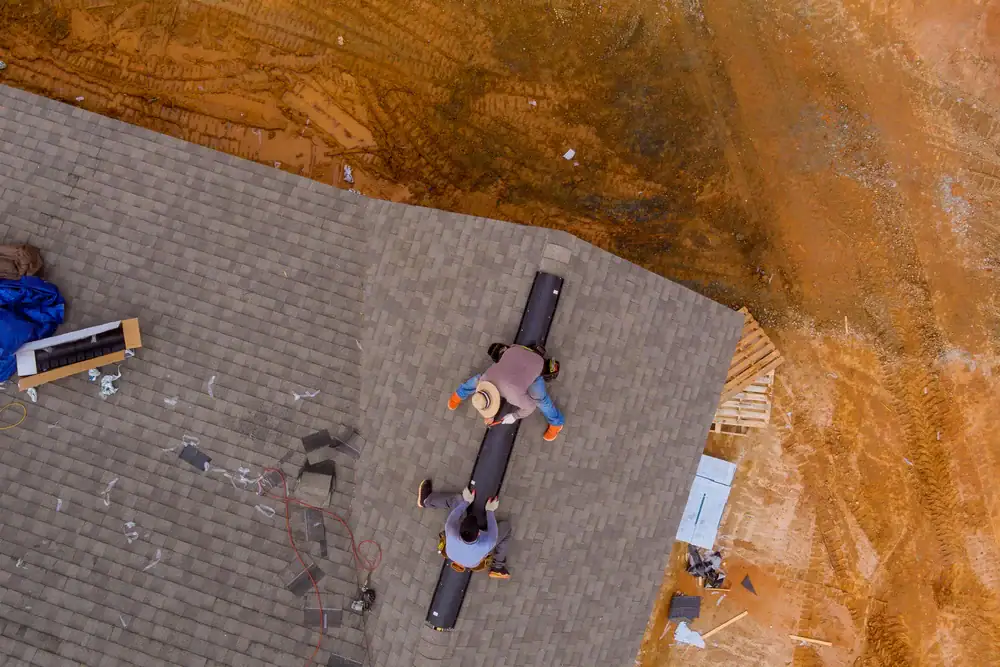
A licensed general contractor does more than swing a hammer. They manage the entire process—estimating costs, pulling permits, hiring specialized subcontractors, and making sure everything meets local building codes. That last part matters more than most people realize. If work isn’t up to code, you could be forced to tear it out and start over, on your dime.
Licensed contractors in California fall into different classifications. Class B contractors handle general building projects that involve two or more unrelated trades—think kitchen remodels where you need plumbing, electrical, and carpentry work. Class C contractors specialize in specific trades like roofing, electrical, or HVAC. Make sure the contractor you’re considering holds the right classification for your project. A roofer’s license doesn’t qualify someone to remodel your bathroom.
Insurance is the other half of the equation. General liability insurance protects you if the contractor damages your property or if someone gets injured on the job. Workers’ compensation covers the contractor’s employees. Both are required, and both should be current. Ask for proof—a certificate of insurance—and don’t just take their word for it. Call the insurance company listed on the certificate to verify coverage is active.
Here’s what happens when you skip this step: if an uninsured worker gets hurt on your property, you could be liable for medical bills and lost wages. If the contractor damages your home and doesn’t have liability coverage, you’re paying to fix it yourself. It’s not worth the risk, no matter how good the price sounds.
The verification process takes maybe ten minutes. You check the license, confirm the insurance, and move on. If a contractor can’t provide this information—or gets defensive when you ask—that tells you everything you need to know. Walk away.
Questions to Ask Before You Hire Anyone
Once you’ve confirmed the basics, dig a little deeper. Ask how long they’ve been in business under their current company name. Some contractors with bad reputations change their business name to cover their tracks. If the numbers don’t match up—say, they’ve been “in business” for fifteen years but their company’s only been registered for two—ask why.
Get references, and actually call them. Don’t just ask if the contractor did a good job. Ask if they showed up on time, stayed on schedule, communicated clearly, and cleaned up after themselves. Ask if there were surprise costs or change orders that weren’t discussed upfront. Ask if they’d hire them again. Those answers tell you what working with this contractor will actually be like.
Find out who’s doing the work. Some contractors subcontract everything out, which isn’t necessarily a problem—but you should know who’s going to be in your house and whether those subs are also licensed and insured. If the contractor can’t give you a straight answer, that’s a red flag.
Talk about the timeline. Be realistic here—most contractors are booked out a few weeks, sometimes longer. If someone can start tomorrow, ask yourself why they’re not busy. It might be fine, or it might mean they’re not in demand for a reason. On the flip side, if they promise an impossibly short timeline compared to other bids, they’re either cutting corners or setting you up for disappointment.
Ask about permits. For most home improvement projects, you’ll need them. The contractor should handle pulling permits—that’s part of what you’re paying for. If they tell you permits are unnecessary or a waste of money, find someone else. Unpermitted work can come back to haunt you when you try to sell your home, and it puts you at risk if the city finds out.
Finally, ask how they handle problems. Things go wrong on every job. What matters is how the contractor responds. Do they have a process for addressing issues? Do they communicate proactively, or do you have to chase them down? Their answer—and how they deliver it—will tell you a lot.
Red Flags When Hiring Home Improvement Contractors
Some warning signs are obvious. Others are subtle enough that you might miss them if you’re not paying attention. Either way, they’re worth knowing before you sign anything or hand over money.
The biggest one: requests for large upfront payments. California law is clear—contractors can’t ask for more than $1,000 or 10% of the total project cost, whichever is less, as a down payment. If someone’s asking for half the money before they’ve done any work, that’s not just a red flag—it’s illegal. After the down payment, they can only bill you for work that’s actually been completed or materials that have been delivered. If they’re asking for more than that, walk away.
Common Contractor Scams in Los Angeles County
Scams happen more often than most people realize, especially after storms or other events that create sudden demand for repairs. Here’s what to watch for.
The door-knocker: Someone shows up unannounced, says they just finished a job down the street, and noticed your roof needs work. They’ve got leftover materials and can give you a great deal if you decide right now. This is almost always a scam. Legitimate contractors don’t need to drum up business by going door to door, and high-pressure tactics are a massive red flag. If you didn’t seek them out, don’t let them in.
The lowball bid: If one contractor’s estimate is drastically lower than everyone else’s, there’s a reason. They might be planning to cut corners, use substandard materials, or hit you with surprise costs once the job’s underway. Sometimes they take your deposit and disappear. Get at least three estimates, and if one seems too good to be true, it probably is.
The cash-only contractor: Anyone who insists on cash payments or offers you a discount for paying in cash is trying to avoid leaving a paper trail. That protects them, not you. If something goes wrong, you’ll have no proof of payment and no recourse. Always pay by check or credit card, and keep copies of everything.
The “permits are a waste of money” contractor: Permits exist for a reason—they ensure work meets safety and building codes. Contractors who try to talk you out of permits are either trying to save themselves time and money, or they’re not qualified to do the work properly. Either way, you’re the one who’ll pay the price if the city finds out or if something goes wrong.
The disappearing act: Some contractors take your money, start the job, and then vanish. Maybe they show up sporadically, maybe they stop returning calls. This often happens when they’ve taken on too many jobs at once or when they’re using your deposit to fund someone else’s project. It’s why the down payment limit exists—and why you should never pay more than what’s legally allowed upfront.

How to Protect Yourself Throughout the Project
Get everything in writing. The contract should include a detailed scope of work, the materials being used, the project timeline, the payment schedule, and the total cost. If it’s not in the contract, it doesn’t exist. Verbal agreements mean nothing if there’s a dispute later.
The payment schedule should be tied to milestones—framing complete, drywall installed, final walkthrough done. You should never be paying ahead of the work. If the contractor asks for the next payment before they’ve finished the previous phase, that’s a problem.
Stay involved. You don’t need to hover, but check in regularly. Ask questions. Take photos. If something doesn’t look right, say so. Good contractors appreciate clients who are engaged without being overbearing. Bad contractors hate accountability.
Don’t make the final payment until the job is completely done and you’ve had a chance to inspect everything. Walk through with the contractor, make a punch list of anything that needs to be fixed, and don’t sign off until it’s all handled. Once you’ve paid in full, your leverage is gone.
If something goes wrong—if the contractor isn’t holding up their end of the deal—document everything. Save emails, texts, photos, invoices. If you need to file a complaint with the CSLB or take legal action, that paper trail will be critical.
Keep an eye on the job site. A messy, disorganized site often signals a messy, disorganized contractor. Materials should be stored properly, walkways should be clear, and debris should be cleaned up regularly. If the site looks like a disaster, the finished product probably will too.
Trust your gut. If something feels off—if the contractor is evasive, if they’re not communicating clearly, if they’re pressuring you to make decisions before you’re ready—listen to that instinct. There are plenty of good contractors out there. You don’t need to settle for one that makes you uncomfortable.
Choosing the Right Contractor for Your Bell Gardens Project
Finding a reliable contractor doesn’t have to be complicated, but it does require some homework. Verify the license, confirm insurance, get everything in writing, and don’t ignore red flags just because you want the project done. The contractors who are worth hiring won’t rush you, won’t ask for illegal down payments, and won’t make you feel like you’re taking a risk.
Bell Gardens has skilled, licensed professionals who’ve been doing this work for decades—people who show up, do what they promise, and stand behind their work. That’s what you’re looking for. Not the cheapest bid, not the fastest start date, but someone who treats your home and your investment with the respect they deserve.
If you’re working on a project that involves roofing or need a contractor who understands how different trades come together, we’ve been serving Los Angeles County since 1982 with the licensing, insurance, and experience that actually matter. Sometimes the best place to start is with someone who’s been doing it right for forty years.