

Summary:
If you manage commercial property in Los Angeles County, you already know your roof takes a beating. Intense summer heat, UV radiation that never quits, and the occasional El Niño downpour all test your roofing system in ways that matter. The question isn’t whether you need a quality roof—it’s which system actually delivers for your building, your budget, and your long-term plans. TPO, EPDM, modified bitumen, and built-up roofing all have their place, but they’re not interchangeable. Understanding what separates them helps you avoid costly mistakes and get a system that performs for decades, not just years. Let’s break down what each system brings to the table.
Understanding Commercial Roofing System Options
Commercial roofing isn’t one-size-fits-all. Your building’s structure, the local climate, your maintenance capacity, and your budget all influence which system makes sense. In Los Angeles County specifically, you’re dealing with conditions that demand more from your roof than property managers in other regions face.
The four main commercial roofing systems you’ll encounter are TPO, EPDM, modified bitumen, and built-up roofing. Each uses different materials, installation methods, and performance characteristics. Some excel in energy efficiency. Others prioritize durability or ease of repair. The key is matching the system to your building’s actual needs, not just going with whatever the lowest bidder recommends.
Before you can make that decision, you need to understand what each system actually is and how it performs in real-world conditions. That starts with knowing how these systems are built and what makes them different from each other.
What Makes Flat Roof Systems Different
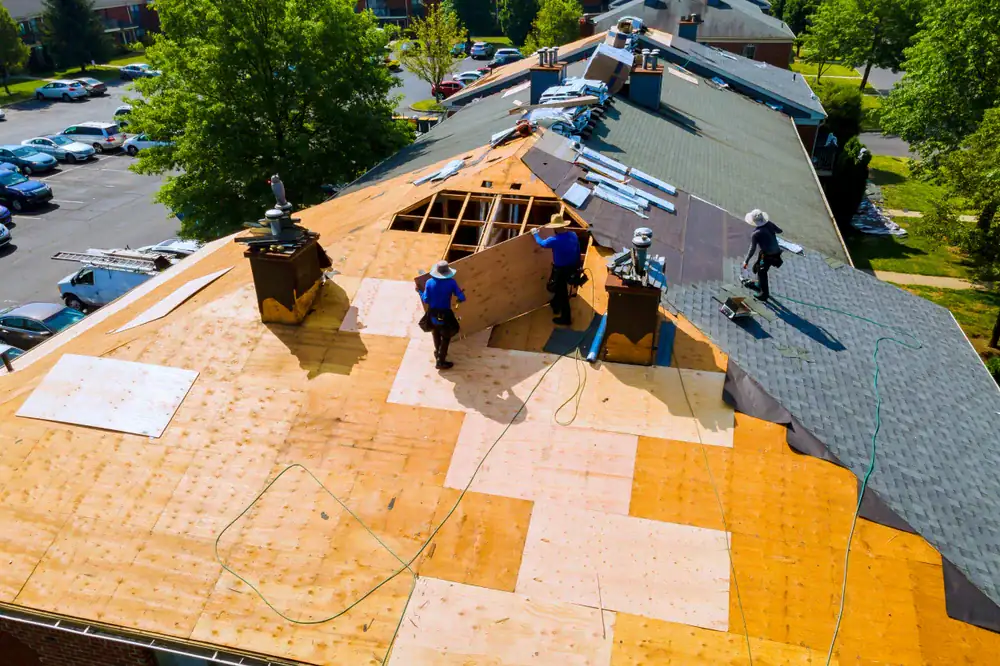
Flat roofs and low-slope roofs require fundamentally different approaches than steep-slope residential roofing. Water doesn’t shed as quickly. Ponding can occur. UV exposure hits the membrane directly for hours every day. That’s why commercial roofing systems use continuous membrane materials rather than overlapping shingles.
These membranes create a seamless barrier across your entire roof surface. Some are single-ply systems installed in large sheets. Others are multi-layer systems built up on site. The installation method, material composition, and seam treatment all affect how well the system holds up over time.
In Southern California, flat roof systems face additional challenges. Summer temperatures on a roof surface can exceed 150 degrees. That kind of heat tests membrane flexibility and adhesive bonds. California’s Title 24 energy code also requires cool roof surfaces on most commercial buildings, which means your membrane needs to meet specific reflectance standards.
The climate here also brings seismic activity. Your roof needs to flex with building movement without tearing or separating at seams. That’s not a concern everywhere, but it matters in Los Angeles County. A roofing system that works well in other regions might not hold up to the specific stresses your building faces.
Understanding these regional factors helps explain why certain systems perform better than others in this market. It’s not about picking the “best” system in general. It’s about picking the right system for your building in this location. That requires knowing what each option actually offers and where it excels or falls short.
How Climate Affects Commercial Roofing Performance
Los Angeles County’s climate puts unique demands on commercial roofing systems that property managers in other regions don’t deal with. The combination of intense UV radiation, high temperatures, minimal rainfall most of the year, and then occasional heavy storms during El Niño years creates a testing environment for any membrane.
UV exposure is the silent killer of roofing systems. Day after day of direct sunlight breaks down materials at the molecular level. Membranes that aren’t UV-stable will become brittle, crack, and fail prematurely. That’s why reflective cool roof systems have become standard in Southern California—they’re not just about energy savings, they’re about extending roof life by reducing heat absorption.
Thermal cycling also matters more than most people realize. When your roof surface heats up to 150 degrees during the day and cools to 60 degrees at night, materials expand and contract. Seams get stressed. Fasteners work loose. Adhesives can fail. Systems that maintain flexibility across that temperature range perform better long-term.
Then there’s the seismic factor. Los Angeles sits along the San Andreas Fault. Ground movement translates into building movement, which puts stress on your roof membrane and flashing details. Rigid systems can crack. Poorly fastened systems can separate. The membrane needs enough flexibility to accommodate that movement without failing.
When El Niño years bring heavy rainfall, your drainage system gets tested. Flat roofs that don’t drain properly develop ponding water. Standing water accelerates membrane deterioration and adds structural load. In a region where rain is infrequent, drainage often gets overlooked until it becomes a problem.
All of this means that choosing a commercial roofing system for Los Angeles County isn’t just about picking a material. It’s about selecting a system engineered to handle this specific combination of climate challenges. Some systems are better suited to these conditions than others, which is why understanding each option matters before you make a decision.
TPO Roofing: Benefits and Installation for Commercial Properties
TPO roofing has become the most widely installed single-ply membrane in commercial roofing. The white reflective surface, heat-welded seams, and reasonable cost make it attractive for property managers looking for energy efficiency without breaking the budget. But TPO isn’t right for every building, and understanding its strengths and limitations helps you decide if it fits your situation.
TPO stands for thermoplastic polyolefin. The material can be heated and welded, which creates seams that are significantly stronger than adhesive-based seams. That matters for wind uplift resistance and long-term waterproofing. The white surface reflects UV radiation and solar heat, which is why TPO meets ENERGY STAR cool roof requirements and California Title 24 standards.
Installation typically involves mechanically fastening or fully adhering the membrane to the roof deck, then heat-welding the seams. Proper welding is critical—poorly welded seams are the first thing to fail. That’s where contractor experience matters. A TPO roof is only as good as the crew that installs it.
TPO Performance in Los Angeles County Conditions
For Los Angeles County commercial properties, TPO offers specific advantages that align well with the local climate. The reflective white surface reduces cooling costs by keeping the roof surface cooler. In a region where air conditioning can account for a significant portion of operating expenses, that energy savings adds up over the roof’s lifespan.
TPO’s UV resistance holds up well under intense Southern California sun. The material is formulated to resist degradation from constant UV exposure, which is essential when your roof gets hammered with sunlight 300 days a year. Properly installed TPO systems regularly last 20 to 25 years in this climate with appropriate maintenance.
The heat-welded seams also provide an advantage in a seismic zone. Welded seams have more flexibility and strength than adhesive seams, which means they’re better equipped to handle building movement without separating. That’s important when you’re dealing with potential earthquake activity.
TPO installation is relatively quick compared to multi-layer systems. For property managers who need to minimize disruption to tenants or business operations, that faster installation timeline can be valuable. A typical commercial roof can often be completed in days rather than weeks, depending on size and complexity.
However, TPO does have considerations. The material is thinner than some alternatives, typically ranging from 45 to 80 mils. That makes it more susceptible to puncture damage from foot traffic or falling debris. If your roof sees regular maintenance activity or has equipment that requires frequent service, you’ll want to consider walkway pads or a thicker membrane.
The other factor is that TPO formulations have evolved over the years. Early TPO systems had performance issues, and while modern formulations are significantly better, that history makes some property managers cautious. Working with a contractor who uses quality manufacturers and has a proven track record with TPO installations matters more with this system than with older, more established technologies.
TPO Installation Methods and Costs
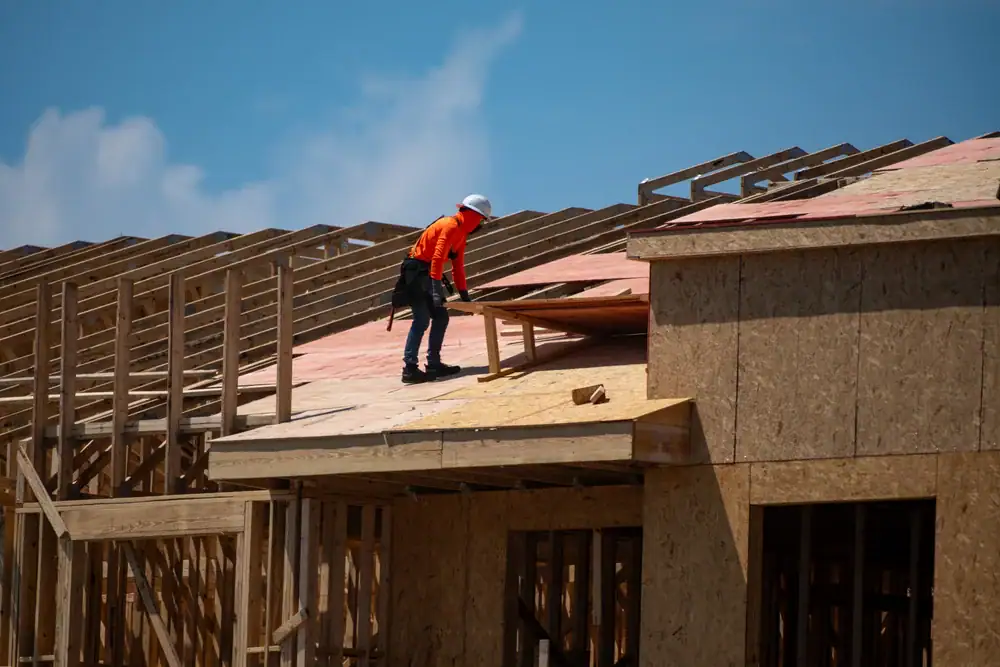
TPO can be installed using several methods, and the choice affects both performance and cost. Mechanically fastened systems use plates and fasteners to secure the membrane to the deck, with seams heat-welded over the fastening points. This method works well for most applications and provides good wind uplift resistance when properly designed.
Fully adhered TPO systems use adhesive to bond the entire membrane to the substrate. This creates a cleaner appearance and can provide better wind uplift performance, but it’s more expensive and temperature-sensitive during installation. The adhesive won’t bond properly in very hot or cold conditions, which can limit installation windows.
Induction-welded systems use specially coated fastening plates and an induction tool to secure the membrane. This method is efficient for large-scale projects and provides excellent wind uplift ratings. It’s becoming more popular for commercial applications where performance and speed both matter.
Cost for TPO roofing typically ranges from $4 to $8 per square foot installed, depending on membrane thickness, installation method, insulation requirements, and project complexity. That makes it one of the more affordable commercial roofing options while still delivering solid performance and energy efficiency.
For Los Angeles County property managers, TPO makes the most sense when energy efficiency is a priority, the building has a relatively simple roof design without excessive penetrations, and budget is a consideration. It’s a proven system that performs well in this climate when installed by experienced contractors who understand proper welding techniques and detail work.
The key is making sure your contractor is factory-certified in TPO installation and has a track record of successful projects in Southern California. TPO’s performance depends heavily on installation quality, so cutting corners on contractor selection to save money upfront usually costs more in the long run through premature failures and warranty issues.
EPDM Roofing: Durability and Cost-Effectiveness for Flat Roofs
EPDM roofing has been protecting commercial flat roofs for over 50 years. It’s the longest-proven single-ply membrane in the industry, and that track record matters when you’re making a long-term investment. EPDM stands for ethylene propylene diene monomer—a synthetic rubber membrane known for durability, flexibility, and straightforward installation. The black membrane is the most common, though white EPDM is available for better reflectivity.
What makes EPDM different from TPO is the material itself. EPDM is a thermoset rubber, which means once it’s manufactured, it won’t soften when heated. That’s the opposite of thermoplastic materials like TPO. Because EPDM doesn’t heat-weld, seams are joined using tape or liquid adhesives. That’s both an advantage and a consideration, depending on your perspective.
EPDM’s flexibility across extreme temperature ranges is exceptional. The material remains pliable from -40°F to over 300°F, which means it handles thermal cycling without becoming brittle or cracking. For Los Angeles County, where temperature swings between day and night can be significant, that flexibility helps the system last.