
Summary:
If you live in Los Angeles or Orange County, you already know the weather here doesn’t follow a simple script. Summers are brutal — roasting hot, relentlessly sunny, and dry for months on end. Then El Niño shows up and everything changes overnight.
What most homeowners don’t realize is that those two seasons aren’t separate problems. They’re connected. The heat sets the trap, and the rain springs it. If you’ve ever had a roof leak appear during the first big storm of the season and wondered where it came from, this is probably the explanation — and it’s worth understanding before it happens again.
What Summer Heat Actually Does to Your Roof in Southern California
Southern California summers are hard on roofing materials in ways that aren’t always visible from the ground. UV index levels in the LA Basin regularly hit 8 to 11 on clear days — among the highest in the continental U.S. — and roof surface temperatures on darker materials can reach 150 to 185°F during peak afternoon heat. That’s not just warm. That’s the kind of sustained heat that breaks things down at a molecular level over time.
Then there’s the daily temperature swing. Nights in the LA Basin cool off significantly, sometimes 30 to 40 degrees below the daytime high. That cycle of expansion and contraction — heating up, cooling down, heating up again — is called thermal cycling, and it’s one of the leading causes of premature roof failure in this region.
Seams fatigue. Flashings loosen. Sealants crack. And none of it announces itself with a visible leak — at least not yet.
How UV Exposure and Thermal Cycling Create Hidden Roof Damage
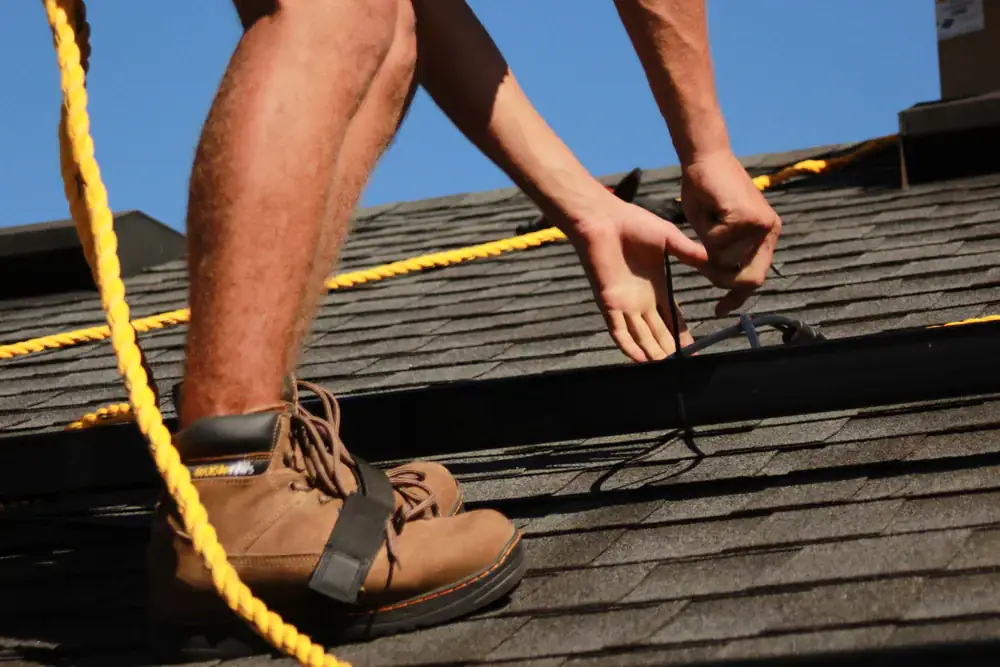
Here’s what makes this frustrating: the damage from a Southern California summer often isn’t obvious until water is involved. UV radiation gradually breaks down the oils and binders in asphalt shingles, making them brittle and prone to cracking.
On flat roofs — common in the older commercial and multi-family buildings throughout Southeast LA County, from Bell Gardens to Compton to Long Beach — the membrane surface degrades similarly, developing micro-cracks and soft spots that won’t show up during a casual visual inspection.
Flashings are particularly vulnerable. These are the metal strips and sealant joints around chimneys, vents, skylights, and roof edges — the transition points where water is most likely to find a way in. Thermal cycling works on these joints constantly, pulling them slightly apart and pushing them back together, week after week, all summer long. By September, a flashing that looked fine in May may have developed a gap you’d need to be on the roof to see.
The same applies to tile roofs, which are extremely common in the higher-end residential communities across Orange County and the coastal areas of LA County. Tile itself is durable, but the underlayment beneath it — the waterproofing layer that does the real work — takes the full force of summer heat. When that underlayment degrades, the tile above it looks perfectly intact while water moves freely underneath during a rainstorm.
This is why we tell homeowners: your roof didn’t fail in January. It failed in August. The rain just revealed it. By the time you see a water stain on your ceiling, the damage has usually been building for months.
A pre-rain-season inspection — ideally in late summer or early fall — is the window where that damage can be caught and addressed before it becomes an emergency.
Why Summer Is the Best Time to Replace a Roof in Orange County and LA
There’s a common misconception that roofing is a fall or spring project. The logic seems reasonable — you don’t want workers on your roof in the middle of a heat wave. But from a practical standpoint, summer is actually the optimal window for re-roofing in Southern California.
Dry, stable weather is the single biggest factor in a quality roofing installation. Moisture during installation — whether from rain, morning dew, or marine layer — can compromise adhesion, trap humidity under materials, and create the conditions for premature failure. Southern California’s dry season gives us a reliable installation window that most of the country doesn’t have.
The other factor is scheduling. Every homeowner who waits until October to call a roofer is competing with every other homeowner who had the same instinct. By the time the first El Niño forecast drops and people start paying attention, quality contractors are often booked four to eight weeks out. If your roof has a known issue going into that backlog, you’re gambling with your property.
For HOA boards and commercial property managers across Orange County and LA County, this timing issue is even more significant. A 20,000-square-foot commercial roof doesn’t get replaced in a day, and coordinating around tenant schedules, business operations, and permit timelines requires lead time. Starting that conversation in summer — not after the first leak report — is the difference between a managed project and a crisis response.
How El Niño Specifically Affects Roofs in Los Angeles and Orange County
El Niño is a climate pattern that periodically pushes warmer-than-average ocean temperatures into the central and eastern Pacific, which shifts storm tracks directly toward Southern California. In a strong El Niño year, the region can receive 20 to 40 percent above its normal annual rainfall — and that rainfall doesn’t arrive gently.
It tends to come in concentrated, high-intensity events that overwhelm drainage systems, saturate hillsides, and expose every vulnerability a roof has accumulated over the previous months. The 2023–2024 El Niño was classified as a strong event. Parts of LA and Orange County received more than double their annual average rainfall in a single season.
For roofs that had gone through another summer of UV exposure and thermal cycling without an inspection, that was a very expensive winter.
Does Homeowners Insurance Cover El Niño Roof Damage in California?
This is one of the most common questions we get after a major rain event, and the honest answer is: it depends — and the details matter more than most people realize.
California homeowners insurance policies generally cover sudden storm damage. If an El Niño rain event drives water through a roof that was in reasonable condition, that’s typically a covered loss. What isn’t covered is damage that resulted from deferred maintenance or gradual deterioration — the kind of slow degradation that summer heat and thermal cycling cause over time.
Insurance companies draw a clear line between storm damage and wear-and-tear, and their adjusters are trained to identify it. This is where documentation becomes critical. When we respond to storm damage calls across LA and Orange County, we don’t just patch the visible problem. We photograph everything — the damage, the surrounding materials, the drainage points, the flashings — and we provide written assessments that give insurance adjusters the specific information they need to process a legitimate claim accurately.
We’ve been doing this long enough to know what adjusters look for, and we can meet with them on-site to walk through the scope of damage directly. That service costs you nothing extra; it’s just part of how we work.
If your roof was damaged during the past rainy season and you’re not sure whether your claim was handled fairly, it’s worth having an experienced eye look at it. Underpaid or denied claims on legitimate storm damage are more common than they should be, and the window to address them isn’t always as long as homeowners assume.

How to Know If Your Roof Is Ready for the Next El Niño Season
NOAA publishes El Niño and La Niña outlooks months in advance — often six months or more before a season begins. Most Southern California homeowners don’t know this, and even fewer use it as a planning tool. But if you know a wet winter is likely, you have a meaningful window to act before contractor schedules fill up and emergency rates become the norm.
The signs that a roof needs attention before the rainy season aren’t always dramatic. Granule loss in your gutters after a dry summer is one of the clearest early indicators on an asphalt shingle roof — those granules protect the underlying material from UV damage, and once they’re gone, degradation accelerates quickly.
On a tile roof, the tile itself may look pristine while the underlayment beneath it has reached the end of its service life. On a flat or low-slope roof — the type common on commercial buildings, apartment complexes, and many mid-century homes throughout Southeast LA County — blistering, soft spots, or standing water after even a light rain are warning signs worth taking seriously.
Santa Ana winds add another layer of risk that’s easy to overlook. These hot, dry offshore winds — a fixture of Southern California falls — can exceed 60 to 80 mph in gusts, which is enough to lift loose shingles, separate flashing joints, and push debris into drainage systems. Santa Ana season and the start of El Niño rain season often overlap, which means a roof that takes wind damage in October may be facing heavy rain within weeks.
We’ve worked on roofs in Newport Beach, Anaheim, Rolling Hills, Rowland Heights, Long Beach, and throughout the commercial corridors of Southeast LA County. The roofs that hold up through a strong El Niño season are almost never the ones that got lucky — they’re the ones that got inspected and addressed before the season started. That’s not a complicated formula. It just requires not waiting until you see water inside.
Why Local Roofing Experience Matters in Orange County and LA County
Southern California’s climate is genuinely unique, and the roofing decisions that make sense here aren’t always the same ones that apply elsewhere. The combination of intense UV exposure, extreme surface heat, daily thermal cycling, Santa Ana winds, and periodic El Niño rain events creates a year-round stress cycle that most roofing materials — and most roofing companies — aren’t fully prepared for.
We’ve been working on roofs in Los Angeles and Orange County since 1980. That’s more than four decades of watching how this climate behaves, how different materials hold up across different neighborhoods, and what separates a roof that lasts from one that doesn’t.
Our C-39 specialty roofing license, factory certifications from GAF, Owens Corning, and CertainTeed, and our A+ BBB standing since 1986 aren’t credentials we mention to fill space — they’re the result of doing this work the right way for a very long time.
If you’re not sure where your roof stands heading into the next season, the best first step is a straightforward conversation. Royal Roofing Company offers honest assessments, written estimates, and the kind of direct answers that help you make a decision you’re confident in — not one you feel pressured into.