
Summary:
You’re researching metal roofers because you know your next roof needs to last longer than the last one. Maybe you’re tired of replacing asphalt shingles every 15 years. Maybe your energy bills spike every summer. Or maybe you just want a roof that can handle Los Angeles County, CA heat, wind, and fire risk without constant maintenance.
Metal roofing makes sense for those reasons. But here’s what most people don’t realize until it’s too late: the contractor you choose matters more than the material itself. Poor installation voids warranties, causes leaks, and turns a 50-year roof into a 10-year headache.
This guide explains the metal roofing systems available, how proper installation protects your investment, and what to look for when evaluating metal roofers in your area.
Standing Seam Roof: Why It's the Premium Choice
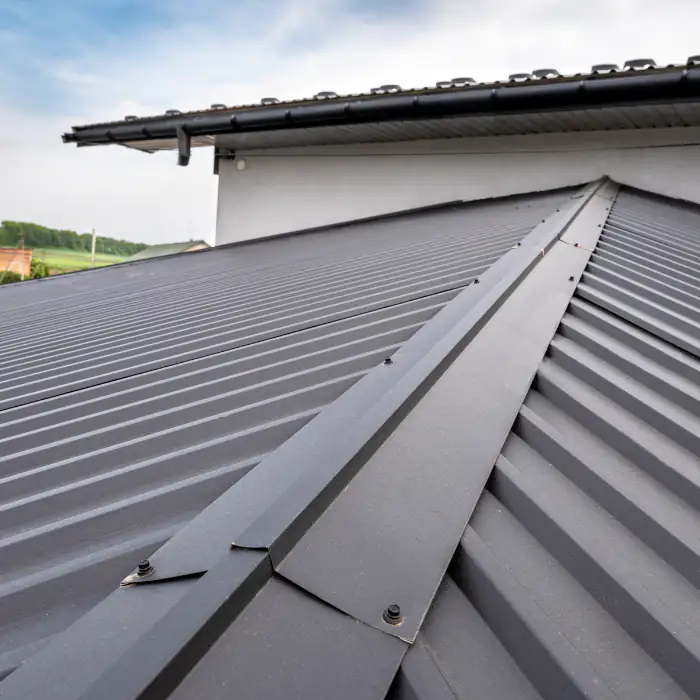
Standing seam roofs are the premium choice for residential metal roofing, and for good reason. The panels run vertically from your roof’s ridge to the eaves, locking together at raised seams that hide all fasteners from view. This isn’t just about aesthetics.
Hidden fasteners mean no exposed screws that loosen over time or create leak points. The panels attach to your roof deck using clips that allow the metal to expand and contract with temperature changes. In Los Angeles County, CA, where your roof can swing from 50 degrees at night to 120+ degrees in direct sun, that movement matters. Panels that can’t move will buckle, warp, or pull fasteners loose.
Standing seam systems also provide the cleanest lines and longest lifespan of any metal roofing option. When installed correctly by licensed metal roofing contractors, these systems routinely last 50-70 years with minimal maintenance.
Standing Seam Metal Roof Installation That Actually Lasts
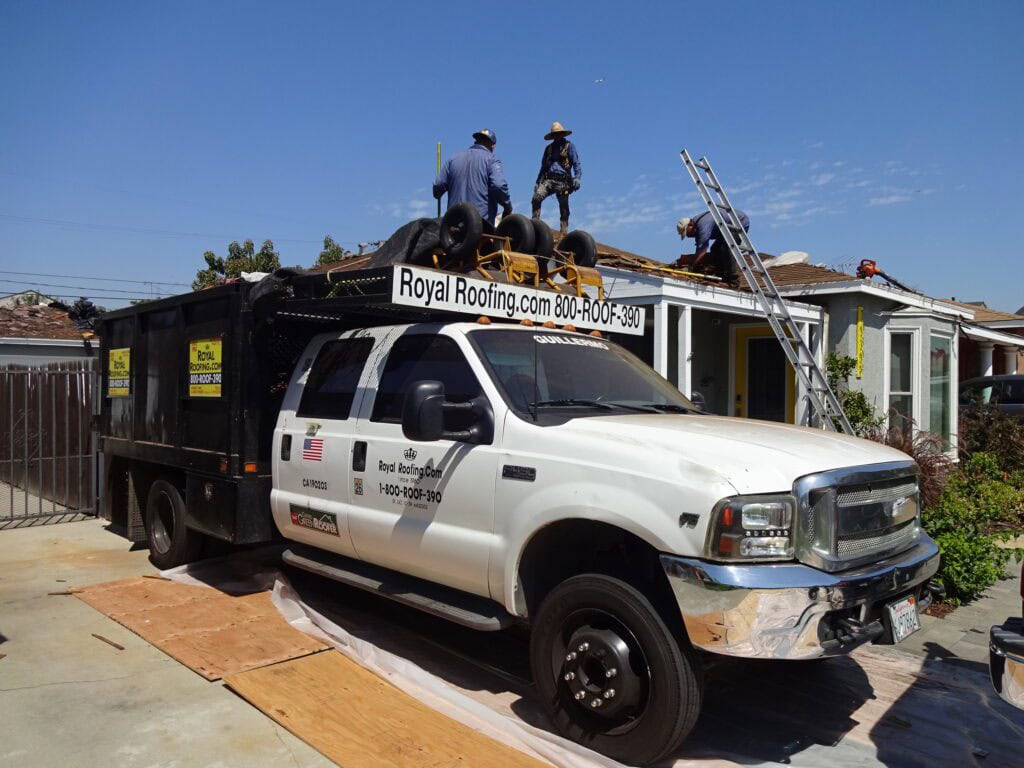
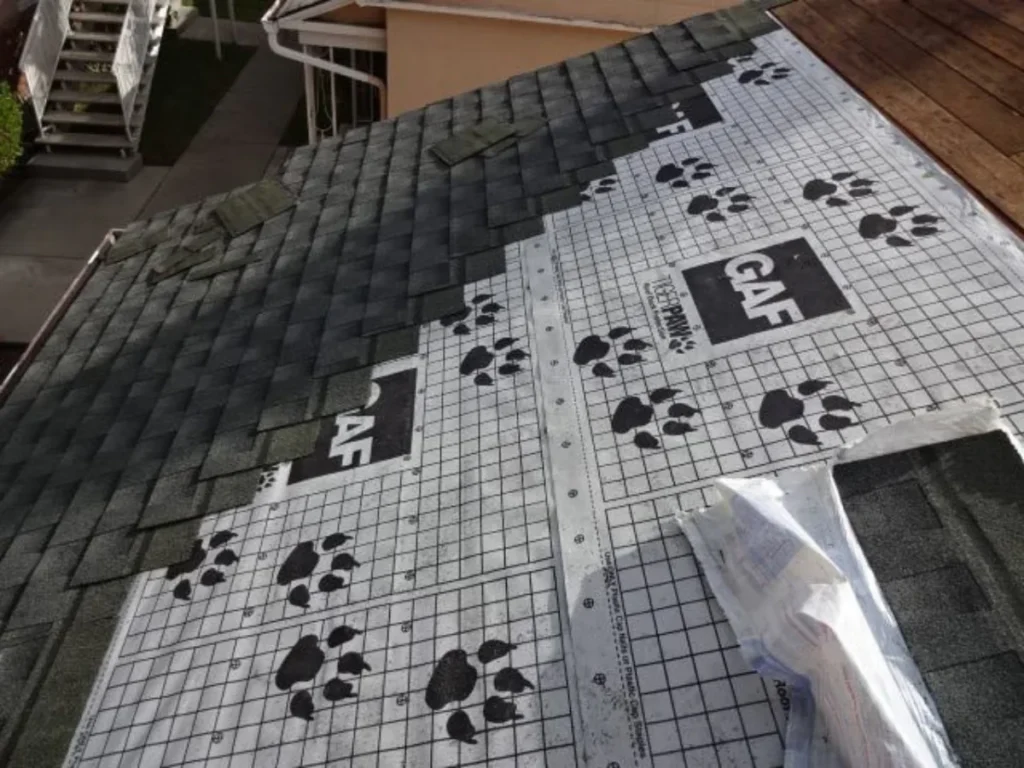
Proper standing seam metal roof installation starts well before the first panel goes up. Your roof deck needs inspection for any rot, sagging, or structural issues. Damaged decking gets replaced. Then comes high-quality underlayment, which acts as a secondary moisture barrier and allows the metal to move freely without binding.
The installation sequence matters. Panels must be squared to your roof line using precise measurements, not eyeballed. Even a quarter-inch drift at the start compounds across your entire roof, creating gaps and misalignment at seams. Lock strips secure panels at eaves and rakes to prevent wind uplift.
Each panel locks into the previous one, and those seams get crimped or folded closed using specialized tools. Too tight and the system can’t breathe. Too loose and water gets in. This is where experience separates professional metal roofers from contractors who dabble in metal as a side offering.
Flashing around chimneys, vents, and skylights requires custom fabrication and proper integration with your panel system. Valleys need careful attention. Ridge caps close everything at the peak. Every detail matters because one weak point compromises the entire system. Proper ventilation prevents moisture buildup and extends your roof’s life.
The best metal roofing contractors document every step with photos. This protects your warranty, provides proof of proper installation for insurance purposes, and gives you peace of mind that the work was done right.
Standing Seam Metal Roof Cost: The Real Numbers
Standing seam metal roof cost in Los Angeles County, CA typically runs $9 to $12 per square foot installed, though complex roofs with multiple valleys, dormers, or steep pitches can push higher. For a standard 2,000 square foot home, you’re looking at $18,000 to $24,000 for a complete installation.
That’s roughly double what asphalt shingles cost upfront. But here’s the math that matters: asphalt roofs last 15-20 years in Los Angeles’ intense UV exposure. You’ll replace that roof at least twice, maybe three times, over the next 50 years. Factor in inflation and you’re spending $25,000 to $35,000 on multiple asphalt replacements, plus the ongoing maintenance and repair costs.
A standing seam system installed once lasts 50-70 years with minimal maintenance. You’re done. No more roofing projects, no more disruption, no more climbing costs.
Energy savings add to the value. Metal roofing reflects solar heat instead of absorbing it like asphalt. In Los Angeles County, CA, that translates to 10-25% lower cooling costs during summer months. Over decades, those monthly savings compound into thousands of dollars back in your pocket.
The cost also varies based on metal type. Steel is the most common and cost-effective choice. Aluminum costs slightly more but resists corrosion in coastal areas. Copper and zinc sit at the premium end, offering unique aesthetics and 70+ year lifespans. Most residential metal roofing uses painted or coated steel, which provides the best balance of performance and price.
Permits, inspections, tear-off of your old roof, and disposal fees add to the total. Los Angeles County, CA requires permits for roof replacements, and those fees vary by project scope. Expect $200 to $500 for permitting. Reputable metal roofers handle all paperwork and scheduling as part of their service.
Metal Roof Shingles and Corrugated Metal Roofing
Not every metal roof uses standing seam panels. Metal roof shingles and corrugated metal roofing offer different aesthetics and price points, each with specific applications where they make sense.
Metal shingles mimic the look of traditional roofing materials like asphalt, slate, or wood shake, but with metal’s durability and longevity. They’re formed and stamped to create texture and dimension. Installation is more familiar to contractors used to working with traditional shingles, which can sometimes lower labor costs.
Corrugated metal roofing uses wavy, ribbed panels that create a distinctive industrial or agricultural look. These systems are popular for patio roof installation, outbuildings, and modern architectural designs that embrace the material’s utilitarian aesthetic.
Corrugated Steel Roofing: Lower Cost, More Maintenance
Corrugated steel roofing and sheet metal roofing systems typically use exposed fasteners, meaning screws penetrate through the panels to secure them to your roof deck. This makes installation faster and less expensive than standing seam systems, with costs ranging from $3 to $6 per square foot installed.
The tradeoff is maintenance. Those exposed fasteners are your roof’s weak points. Rubber washers compress over time. Screws loosen with thermal expansion and contraction. Every exposed fastener is a potential leak point that requires periodic inspection and replacement.
In Los Angeles County, CA climate, where UV exposure is intense and temperature swings are significant, exposed fastener systems need attention every 5-10 years to maintain performance. This doesn’t mean they’re bad systems. They’re cost-effective solutions for certain applications, especially when installed by experienced metal roofing contractors who use high-quality fasteners and proper techniques.
Sheet metal roofing panels come in various profiles beyond corrugated. R-panel and PBR panel are common styles with different rib heights and spacing. These systems work well for covered patios, carports, and accessory structures where the exposed fastener aesthetic fits the design.
For main residential roofing, most homeowners opt for standing seam to avoid the maintenance requirements of exposed fasteners. But for budget-conscious projects or specific architectural styles, corrugated steel roofing delivers solid performance at a lower entry cost.
The key is matching the system to your needs and working with metal roofers who understand the maintenance implications of each choice. Any contractor who tells you exposed fastener systems are “maintenance-free” is either uninformed or dishonest.
Tin Roofing and Custom Roofing: What You Need to Know
When people say “tin roofing,” they’re usually referring to any metal roof, not actual tin. True tin roofing is rare and expensive. Most residential metal roofing uses steel, aluminum, or zinc alloys that provide better performance and value.
The confusion comes from history. Older metal roofs were often made from tin-plated steel, and the name stuck even as materials evolved. Today’s metal roofing materials are far superior to historical tin roofs in every measurable way—strength, corrosion resistance, coating durability, and lifespan.
Custom roofing options in metal are extensive. Panels come in dozens of colors, from earth tones that blend with traditional neighborhoods to bold modern hues. Finishes range from matte to high-gloss. Textures can mimic other materials or embrace metal’s smooth, clean appearance.
For homes with unique architectural features, custom metal roofing allows fabrication of complex shapes, curves, and details that would be impossible with traditional materials. Skilled metal roofing companies can create standing seam systems that follow barrel vaults, integrate with solar panels, or match historic profiles for renovation projects.
We don’t push you toward one system. We assess your home’s architecture, your budget, your priorities for energy efficiency and maintenance, and your aesthetic preferences. Then we recommend the system that actually fits your situation, not the one that’s easiest to install or offers the highest margin.
Steel Roof Installation: Why Experience Matters More Than Price
Steel roof installation requires specialized knowledge that most general roofing contractors don’t have. The techniques, tools, and sequencing differ significantly from asphalt shingle installation. This is why choosing experienced metal roofing contractors matters more than finding the lowest bid.
Proper steel roof installation accounts for thermal movement, requires precise panel alignment, demands correct fastener placement and torque, integrates complex flashing details, and ensures adequate ventilation. Each of these factors affects your roof’s performance and longevity. Get one wrong and you’re dealing with leaks, panel failure, or voided warranties within years instead of decades of trouble-free performance.