

Summary:
You’re staring at a metal roofing estimate that’s double or triple what asphalt shingles would cost. The number feels steep. Most Los Angeles County property owners react the same way when they first see the difference.
Here’s what that estimate doesn’t show—how many times you’ll replace shingles over the next 40 years, what happens to your energy bills under LA’s relentless sun, or how your roof performs when wildfire season hits the hillsides. The real question isn’t what metal costs today. It’s what it costs over time, how it holds up in Southern California’s extreme UV exposure and fire zones, and whether the investment actually makes sense for your property. Let’s break down what drives a metal roofing estimate and how the numbers stack up when you look past the sticker price.
Metal Roofing Estimate: Cost Analysis vs Traditional Materials
A metal roofing estimate in Los Angeles County typically runs $12 to $20 per square foot installed. Standing seam systems with concealed fasteners cost $9 to $12 per square foot. Premium metals and complex roof designs push toward the higher end. Asphalt shingles cost $8.50 per square foot. Tile runs about $12 per square foot for concrete, $15 to $25 for full clay tile replacement.
Metal looks expensive at first glance. But asphalt roofs in LA’s climate last 20 to 30 years before UV damage and thermal cycling force replacement. Metal roofs last 40 to 70 years. Standing seam installations often exceed 70 years with basic maintenance. One metal roof replaces two or three asphalt roofs over the same timeline.
Factor in tearing off and replacing shingles twice, plus inflation on labor and materials 20 years from now. A $30,000 metal roof today competes with two asphalt replacements—$20,000 now and maybe $35,000 in 2046. The premium starts looking reasonable.
What Drives Your Metal Roofing Estimate in Los Angeles County
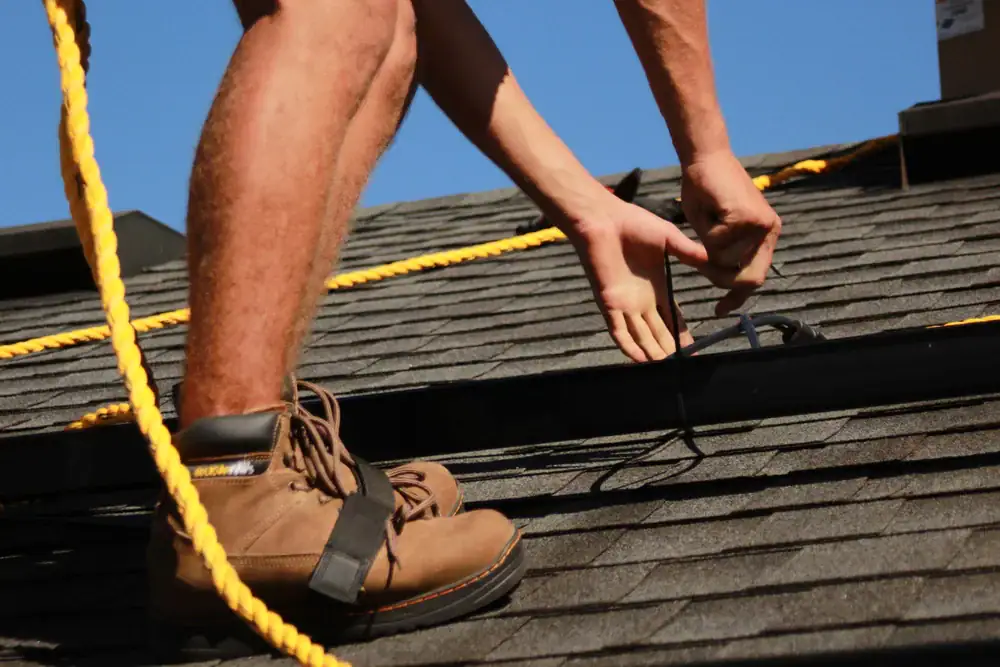
Roof size affects your estimate, but it’s not just your home’s square footage. A roof’s actual surface area exceeds the footprint because of pitch. Steeper slopes mean more material and more labor to install safely. Complexity matters more than most people realize. A simple gable roof costs less than a multi-level design with dormers, skylights, and valleys. Each transition requires precise flashing. Every penetration adds time and materials.
Material choice creates the widest price range. Galvalume steel with painted finish sits at the lower end. Aluminum costs more but resists coastal corrosion better. Copper and zinc are premium options lasting 100 years with price tags to match. Panel profile matters—standing seam systems cost more than exposed-fastener panels but last longer with less maintenance.
Labor in LA County runs $75 to $120 per hour, reflecting California’s licensing requirements and high cost of living. Add permits averaging $245 and Title 24 compliance for reflectivity standards. Then there’s what you don’t see until the old roof comes off—rotted decking, damaged underlayment, structural issues. Any contractor giving you a firm number without inspecting the deck is guessing or planning change orders later.
Installation quality doesn’t show on the estimate but affects long-term cost. Proper installation maintains manufacturer warranties, prevents leaks, and ensures the roof actually lasts those 40 to 70 years. Cut corners and you’ll pay in repairs, voided warranties, and premature replacement. Factory-certified crews cost slightly more upfront but save you significantly over time.
Tile Roof Replacement Cost vs Metal: The Long-Term Comparison
Tile roof replacement cost in Southern California runs $15 to $25 per square foot for a full replacement. Concrete tile costs around $12 per square foot. Clay tile pushes toward $25 or higher depending on style. At first glance, tile and metal seem comparable.
Lifespan comparison gets interesting. Concrete tile lasts 40 to 50 years. Clay tile can hit 50 to 100 years. Metal lands in that same 40 to 70 year range, with standing seam often exceeding it. Both materials offer serious longevity versus asphalt shingles.
The differences show up elsewhere. Tile is heavy. Switching from asphalt to tile might require structural reinforcement—$2,000 to $5,000 before you touch roofing material. Metal is lightweight. You can install it without the same structural concerns.
Maintenance tells another story. Tile cracks from foot traffic, falling branches, and thermal stress. Individual tiles break and need replacement. In LA’s climate, underlayment beneath tile often fails before the tiles do. That means a costly re-lay where you remove tiles, replace underlayment, and reinstall. Even if most tiles are reusable, you’ll lose 10 to 15 percent to breakage.
Metal requires minimal maintenance. Standing seam systems rarely leak. Exposed-fastener systems need periodic screw replacement as rubber washers degrade, but that’s straightforward. No cracked panels. No underlayment failures requiring full tear-off.
Energy efficiency differs too. Both can meet Title 24 cool roof requirements, but metal’s reflectivity gives it an edge. Metal roofs reduce cooling costs 10 to 25 percent, with some installations saving up to 40 percent on energy bills. Tile offers thermal mass benefits but doesn’t reflect heat like light-colored metal.
Fire resistance is comparable—both earn Class A ratings when installed correctly. Critical in LA County’s wildfire zones. But metal won’t crack from flying embers the way tile can. The deciding factor often comes down to aesthetics and property type. Tile fits Mediterranean architecture common in SoCal. Metal suits modern, contemporary, and industrial designs. Both deliver long-term value. The choice depends on your building’s style, budget for structural work, and maintenance tolerance.
New Metal Roof Installation: Benefits and Long-Term Value
A new metal roof delivers benefits extending well beyond keeping water out. Energy savings alone can offset significant cost over the roof’s lifespan. In LA County’s climate, where summer temperatures push roof surfaces to 150 to 170 degrees, reflective metal reduces heat transfer. Your HVAC works less. Energy bills drop. Indoor spaces stay comfortable during brutal August heat waves.
Fire resistance becomes critical in hillside zones near wildland-urban interface areas. Metal earns Class A fire rating—the highest level available. When wildfire embers land on your roof, metal won’t ignite. That’s not just code compliance. It’s protecting your property and family when fire season hits.
Durability in extreme weather is another major advantage. Metal roofs handle wind speeds up to 140 mph. Santa Ana winds that rip off shingles and displace tiles don’t faze properly installed metal. Hail that cracks tile and punctures shingles bounces off metal. Raised seams on standing seam systems channel water efficiently, even during LA’s rare but intense rain events.
Raised Seam Metal Roof: Why the Profile Matters
Standing seam metal roofing—also called raised seam—represents the premium end of metal systems. The profile design directly impacts performance and longevity. The defining feature is concealed fasteners. Instead of screws driven through the panel face where weather hits them, fasteners hide beneath raised seams that lock panels together.
Concealed fasteners eliminate the most common failure point. Exposed fasteners and rubber washers degrade from UV exposure, thermal cycling, and weather. Over 20 to 30 years, washers crack and screws work loose, creating leaks. You end up replacing fasteners every 10 to 15 years just to maintain weatherproofing. Standing seam doesn’t have that problem. Fasteners stay protected. Fewer leaks. Less maintenance over decades.
Raised seams handle thermal expansion better. Metal expands and contracts with temperature changes. On a hot LA summer day, your roof surface might hit 160 degrees. At night it cools to 70. That daily cycling causes movement. Standing seam systems use clips allowing panels to move without stressing fasteners or creating leaks. Exposed-fastener systems lock panels down tight, which can cause oil-canning—that wavy, rippled appearance when metal can’t move freely.
Water management improves with raised seams. Vertical legs channel water down the slope without pooling or penetrating. Even on low-slope applications, standing seam performs well because water can’t back up under seams like it might with overlapping shingles or exposed fasteners.
Installation requires more skill and specialized equipment. Panels need precise alignment. Seams must be properly crimped or snapped together. Standing seam costs more upfront—you’re paying for better materials and more technical installation. But that investment pays off in reduced maintenance, longer lifespan, and better performance over decades.
The aesthetic is clean and modern. Smooth panels with crisp vertical lines. No visible screws. That look works on contemporary architecture, commercial buildings, and even traditional homes where owners want a sleek update. From a warranty standpoint, standing seam systems typically come with longer coverage. Manufacturers know concealed fasteners reduce failure risk, so they back the product for 40 to 50 years or more. Some offer transferable warranties adding value when you sell.

Energy Efficiency and Cool Roof Compliance in Southern California
California’s Title 24 energy code isn’t optional—it’s required for new construction and roof replacements in most jurisdictions. The code mandates specific solar reflectance and thermal emittance standards to reduce energy consumption and combat urban heat island effects. Metal roofing naturally meets these requirements when you choose the right finish and color.
Cool roof coatings and light-colored finishes reflect solar radiation instead of absorbing it. A standard dark asphalt shingle absorbs 90 percent of the sun’s heat. A cool metal roof with high solar reflectance index reflects 60 to 80 percent back into the atmosphere. Result: cooler roof surface, less heat transfer, and lower cooling costs.
The U.S. Department of Energy reports cool roofs reduce energy use 10 to 15 percent in air-conditioned residential buildings. In Southern California’s climate, where AC runs for months, that’s real savings. Some metal roof installations save up to 40 percent on cooling costs, especially with proper insulation and ventilation.
Thermal emittance is the other half. It measures how efficiently material releases absorbed heat. Even if some heat gets absorbed during the day, high-emittance surfaces release it quickly once the sun sets. Metal roofs excel here, which is why they’re listed in the EPA’s Cool Roof guide.
For LA County property owners, cool roof compliance isn’t just about meeting code. It’s reducing operating costs over the building’s lifetime. Lower energy bills mean faster ROI on your roofing investment. Reduced HVAC strain means less frequent repairs and longer equipment life. In commercial properties, lower energy costs directly improve your bottom line.
Some jurisdictions offer rebates for cool roofs. Programs like LADWP’s Cool Roof Rebate provide financial incentives for reflective roofing in Los Angeles. PACE financing lets you finance energy-efficient upgrades through property taxes. These programs offset upfront cost, making metal roofing more accessible even on tight budgets.
Environmental impact matters. Reduced energy consumption means lower carbon emissions. Metal roofing’s 100 percent recyclability at end of life adds to sustainability. If you’re trying to reduce your property’s environmental footprint, a cool metal roof checks multiple boxes.
Making the Metal Roofing Investment Decision
A metal roofing estimate looks expensive until you run the numbers over 20, 30, or 40 years. Factor in replacement costs for shorter-lived materials, energy savings from reflective surfaces, reduced maintenance, and increased property value—the investment case becomes clearer. Metal isn’t the cheapest option upfront. It’s the option that costs less over time while delivering better performance in Los Angeles County’s demanding climate.
The key is working with contractors who understand proper installation, maintain factory certifications, and back their work with real warranties. We’ve been installing metal roofing systems in Southern California since 1982, with factory-certified crews and the experience to handle complex installations correctly the first time. If you’re evaluating a metal roofing estimate and want to understand what the numbers mean for your property, reach out to us for a transparent assessment.
If you would rather have it in writing, book a free estimate with a photo inspection.