

Summary:
You’ve probably heard metal roofs last longer. You might’ve also winced at the price tag. Those two facts sit in your head competing for attention while you’re trying to make a decision that’ll sit on top of your house for the next few decades. The thing is, comparing metal shingles to traditional asphalt isn’t just about what you pay this year—it’s about what you’ll pay over the life of your roof, especially in a climate that punishes cheap decisions. Los Angeles County homeowners face a unique set of conditions that make this choice more consequential than it would be almost anywhere else. Let’s walk through what actually matters.
Metal Roof Shingles vs Traditional Roofing Materials
The upfront cost difference is real. Metal roof shingles typically run between five and sixteen dollars per square foot installed, while traditional asphalt shingles land somewhere between three and five dollars per square foot. On a 2,000-square-foot roof, that’s the difference between $14,000 and $32,000 or more.
But here’s where it gets interesting. That asphalt roof you just paid for? In Los Angeles County, CA, it’s facing 150-degree surface temperatures, year-round UV bombardment, and Santa Ana winds that treat shingles like playing cards. Most asphalt roofs here last 20 to 25 years if they’re lucky. Metal roofing systems regularly hit 50 to 70 years with minimal intervention.
When you factor in the cost of tearing off and replacing that asphalt roof two or even three times over the same period, the numbers flip. Over a 45-year span, homeowners who go with traditional shingles can end up spending $57,000 when you account for inflation and multiple replacements. The metal roof? Around $23,000 total. That’s not a small gap—that’s a new car, a kitchen remodel, or a couple years of property taxes.
How Metal Shingles Perform in Los Angeles County's Climate
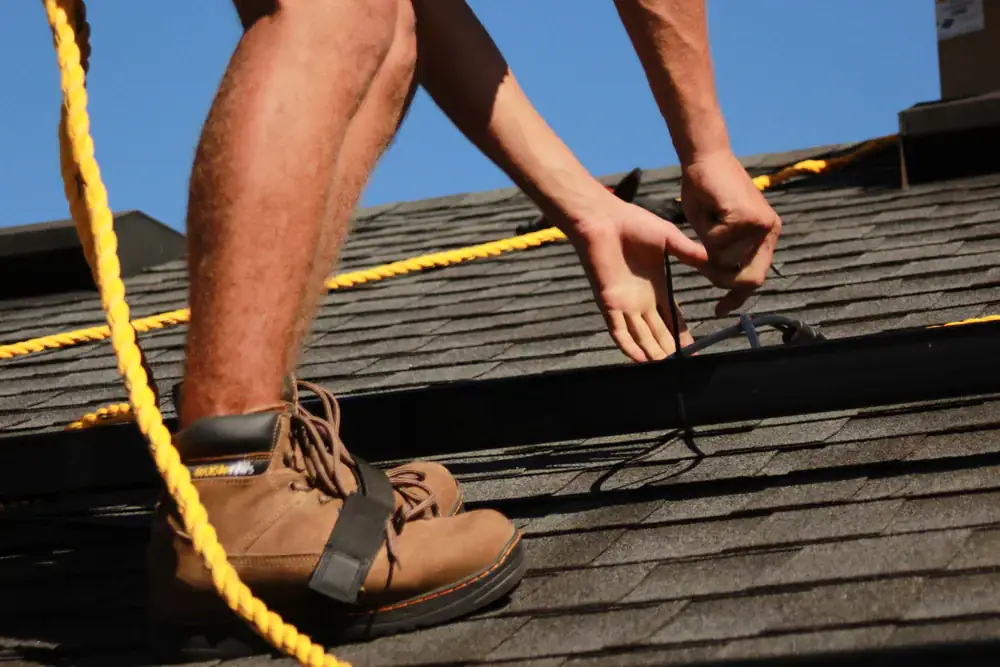
Los Angeles County’s climate doesn’t mess around. Daily roof surface temps regularly push past 150 degrees. UV exposure is constant. Heat causes materials to expand during the day and contract at night, and that cycle never stops. For asphalt shingles, this means the binders break down, granules fall off, and the material becomes brittle and prone to cracking.
Metal shingles handle this differently. They reflect a significant portion of solar radiation instead of absorbing it, which keeps your roof surface 50 to 60 degrees cooler than asphalt on the same summer day. That’s not just a comfort thing—it translates directly into lower cooling costs. Studies show metal roofing can cut your air conditioning expenses by 20 to 40 percent annually in climates like ours.
Then there’s wind. Santa Ana events generate uplift forces that peel back asphalt shingles or send tiles sliding. Metal roof shingles, especially those installed with proper fastening systems, are rated to withstand winds exceeding 120 miles per hour. The interlocking design and secure attachment mean they stay put when other materials don’t.
Fire resistance matters more every year in Southern California. Metal roofing carries a Class A fire rating—the highest available. If you’re in a hillside area or anywhere near a Wildland-Urban Interface zone, that rating isn’t just nice to have. It’s often required by code, and it can lower your insurance premiums. Asphalt shingles can meet Class A standards too, but they don’t offer the same level of protection against wind-driven embers that can land on your roof during a fire event.
And let’s talk about California’s Title 24 requirements. Los Angeles County has strict cool roof standards. In the City of Los Angeles, asphalt shingles need to meet or exceed an SRI value of 20. Unincorporated LA County has different thresholds. Metal roofing with reflective coatings easily clears these benchmarks, and in many cases, qualifies you for rebates from LADWP or Southern California Edison. That’s money back in your pocket just for choosing a material that performs better.
What Metal Shingles Actually Cost vs Asphalt in 2026
Let’s get specific. For a typical 2,000-square-foot home in Los Angeles County, CA, you’re looking at $10,000 to $16,000 for an asphalt shingle roof replacement using architectural-grade shingles. If you go with basic three-tab shingles, you might shave a bit off that number, but you’re also shortening the lifespan even further.
Metal roof shingles for that same home will run $20,000 to $36,000 installed, depending on the material and complexity of your roof. Steel is the most common and cost-effective option. Aluminum costs more but resists corrosion better, which matters if you’re near the coast. Copper and zinc are premium choices that can push costs significantly higher, but they also deliver aesthetics and longevity that few other materials match.
Here’s the part most quotes don’t spell out: material cost is only one piece. Labor for metal roofing installation runs higher because it requires specialized skills and takes longer. Metal panels need precise cutting, proper fastening, and careful flashing around penetrations. A crew that knows what they’re doing—factory-certified installers, for example—will charge more, but they’ll also deliver a roof that performs as designed and doesn’t develop leaks two years in.
Tear-off and disposal add another $1,000 to $5,000 depending on how many layers of old roofing need to come off and how accessible your roof is. If your decking has rot or water damage—common in older LA homes—you’ll pay $2 to $5 per square foot to replace those sections before the new roof goes on. This applies whether you’re installing metal or asphalt, but it’s worth factoring in.
Permits are non-negotiable in Los Angeles. Any roof replacement requires a permit from the LA Department of Building and Safety. Your contractor should handle this, but it’s part of the cost. If they’re not mentioning permits, that’s a red flag.
The return on investment is where metal shingles start to make financial sense beyond just longevity. A metal roof can increase your home’s resale value by up to six percent, and homeowners typically recoup about 86 percent of the installation cost when they sell. Asphalt doesn’t move the needle the same way. Buyers see metal and think “one less thing to worry about.” They see aging asphalt and start budgeting for replacement.
Corrugated Metal Roofing Advantages and Applications
Corrugated metal roofing has a different look and a different use case than metal shingles. You’ve seen it—those wavy panels with the repeating ridges. Originally used on barns and agricultural buildings, corrugated metal has found its way onto residential homes, especially in modern or industrial-style architecture.
The appeal is partly aesthetic, partly practical. Corrugated panels are lightweight, durable, and relatively easy to install compared to other metal roofing systems. They’re also more affordable than standing seam or metal shingles. Depending on the gauge and finish, corrugated metal roofing costs between $4.50 and $6.50 per square foot installed for basic exposed-fastener systems.
That exposed-fastener design is both a pro and a con. It’s simpler and cheaper to install, which keeps labor costs down. But every fastener is a potential point of failure. Over time, screws can loosen due to thermal expansion and contraction, and washers can degrade under UV exposure. That means you’ll need periodic inspections and occasional fastener replacement to keep the roof watertight. It’s not a dealbreaker, but it’s something to plan for.
When Corrugated Metal Makes Sense for Your Property
Corrugated metal roofing works well for certain applications. If you have a carport, garage, shed, or detached structure, it’s a cost-effective, long-lasting option that doesn’t require the same level of finish as your main house. It also fits well with mid-century modern, industrial, or minimalist architectural styles where the utilitarian look is part of the design intent.
In residential applications, corrugated metal is most commonly used on low-slope roofs, covered patios, or accent sections rather than the entire primary roof. That said, some homeowners embrace the aesthetic fully and use it across the whole structure. If that’s your direction, make sure you’re working with a contractor who understands proper installation for residential use—things like underlayment, flashing details, and fastener spacing matter more than they do on a barn.
One thing to watch: corrugated metal roofing shouldn’t be used on roofs with a pitch less than 3:12 due to water pooling risks. Los Angeles doesn’t get a ton of rain, but when it does come, it often comes hard. Poor drainage on a low-slope corrugated roof can lead to standing water, which accelerates corrosion even on coated steel.
Material choice makes a difference. Galvanized steel is the most affordable and widely available, but it’s prone to rust over time, especially if the coating gets scratched during installation. Galvalume—a zinc-aluminum alloy coating—offers better corrosion resistance and is the smarter choice for residential roofs in coastal or high-humidity areas. Aluminum corrugated panels cost more but won’t rust, period. If you’re within a few miles of the ocean, that extra cost pays off.
Corrugated metal roofing also shares many of the same performance benefits as metal shingles: excellent heat reflection, fire resistance, and wind resistance. It’s fully recyclable at the end of its life, which matters if sustainability is part of your decision-making process. And like other metal systems, it qualifies for California’s cool roof standards and potential utility rebates.
The lifespan of corrugated metal roofing is comparable to other metal systems—40-plus years with proper installation and maintenance. That’s still double or triple what you’ll get from asphalt shingles in this climate. Just factor in the fastener maintenance and the reality that exposed-fastener systems require a bit more attention than concealed-fastener designs.

Corrugated Metal vs Standing Seam: What's the Difference
People often lump all metal roofing together, but corrugated metal and standing seam are fundamentally different systems. Corrugated panels have that wavy profile and use exposed fasteners that go straight through the panel into the roof deck. Standing seam panels are flat with vertical ribs, and the fasteners are hidden underneath. Clips attach to the deck, and the panels snap or seam over the top.
That difference in fastening method has real consequences. Standing seam roofs eliminate the hundreds of penetrations that exposed-fastener systems create, which drastically reduces leak potential over time. There’s no UV degradation of washers, no thermal cycling loosening screws. The system is designed to allow the metal to expand and contract without stressing the attachment points.
Standing seam also looks cleaner and more refined. If you’re going for a sleek, modern aesthetic or trying to maintain a traditional look with metal that mimics shingles or tile, standing seam is usually the better visual choice. Corrugated metal has a more industrial, utilitarian vibe that works in specific contexts but doesn’t suit every home.
Cost-wise, standing seam runs significantly higher—typically $9 to $16 per square foot installed, sometimes more depending on the metal and profile. That’s roughly double what you’d pay for corrugated. The tradeoff is lower maintenance, longer effective lifespan, and better performance in extreme weather.
For most primary residential roofs in Los Angeles County, standing seam or metal shingles make more sense than corrugated. But if budget is tight, or if you’re covering a secondary structure, or if you just prefer the look, corrugated metal roofing is a solid, durable choice that’ll outlast asphalt by decades.
One more thing: both corrugated and standing seam systems can be installed over existing roofing in some cases, which saves on tear-off and disposal costs. That’s not always recommended—depends on the condition of what’s underneath and local code—but it’s an option worth discussing with your contractor.
Choosing the Right Metal Roofing System for Your Home
The decision between metal shingles, corrugated metal roofing, sheet metal systems, and traditional asphalt comes down to three things: how long you plan to stay in your home, what your budget allows, and what performance you need from your roof in Los Angeles County’s climate. If you’re planning to be there for 20-plus years, the higher upfront cost of metal pays off in avoided replacements, lower energy bills, and better protection against fire, wind, and heat.
If you’re selling soon, asphalt might make sense—but only if your current roof is shot and you need the cheapest functional replacement to close the sale. Even then, a metal roof can be a selling point that sets your property apart and justifies a higher asking price.
No matter which direction you go, work with a contractor who knows the local codes, has the right licenses, and can show you completed projects in your area. We’ve been installing metal roofing systems across Southern California since 1982, with factory-certified crews and the kind of experience that only comes from doing this work for four decades. If you want to talk through your options without the pressure, that’s what we’re here for.