

Summary:
You’re planning a roofing project in Los Angeles County. Maybe you’ve already gotten quotes. Maybe you’ve even picked a contractor. But there’s one question that keeps coming up: do you need a permit?
The short answer is probably yes. And getting this wrong costs more than the permit fee. It costs you in fines, project delays, insurance headaches, and problems when you sell. LA County doesn’t mess around with unpermitted roofing work, and neither do insurance companies or home buyers.
Here’s what you actually need to know about roofing permits in LA County—when they’re required, how to get one, what inspections look like, and what happens if you skip this step.
When Do You Need a Roofing Permit in LA County
Los Angeles County requires permits for most roofing projects, but not all of them. The line between “minor repair” and “permitted work” matters because crossing it without authorization creates real problems.
If you’re replacing more than 100 square feet of roofing material within a year, you need a permit. That threshold covers most roof replacements and many repair projects. Full roof replacements always require permits, regardless of material. Partial replacements that exceed that 100 square foot mark also trigger permit requirements.
Structural modifications to your roof require permits every time. Adding skylights, changing roof pitch, replacing sheathing, or altering framing all fall into this category. Even roof overlays—installing new material over existing layers—require permits and inspections in LA County because they change structural load.
What Roofing Work Doesn't Require a Permit
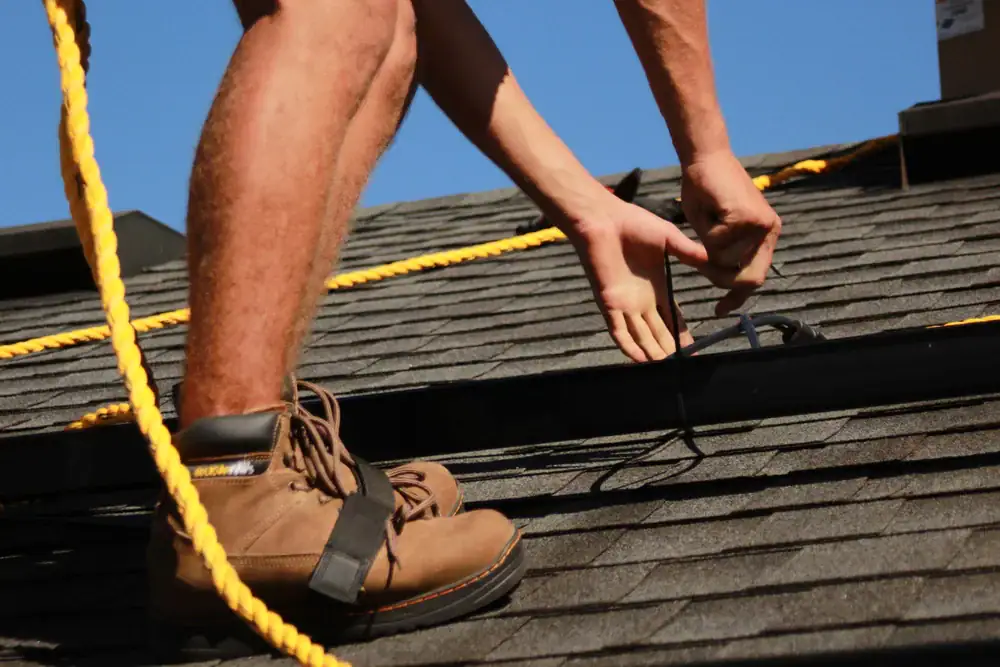
Minor repairs that don’t alter structure and cover small areas typically don’t require permits. Replacing a handful of damaged shingles falls into this category. Patching a small leak without touching the underlying structure usually doesn’t trigger permit requirements either.
But “minor” has limits. Once you’re removing and replacing materials across significant portions of your roof, you’ve crossed into permitted territory. The 100 square foot threshold exists for a reason—it’s the point where work becomes substantial enough to affect your home’s structural integrity, fire safety, and energy efficiency.
If you’re unsure whether your project needs a permit, verify with LADBS before starting work. A quick call or email costs nothing. Discovering mid-project that you need a permit costs significantly more, both in time and money. Licensed roofing contractors familiar with LA County requirements can also tell you immediately whether your specific project requires permitting.
The confusion about permit requirements creates problems every year for LA County homeowners. Some contractors downplay permit needs to save time or reduce costs. That’s a red flag. Legitimate contractors handle permits as standard practice because they understand the consequences of skipping this step. They know that unpermitted work eventually surfaces during home sales, insurance claims, or random city inspections.
LA County’s permit requirements exist because Southern California faces specific risks. Earthquakes, high winds, and wildfires make roofing systems critical to home safety. Permits ensure your new roof meets fire-resistant material requirements, can withstand seismic activity, and complies with energy efficiency standards that reduce cooling costs. These aren’t arbitrary bureaucratic hurdles—they’re protections that keep your home safe and insurable.
How LA County's 100 Square Foot Rule Works
The 100 square foot threshold might seem arbitrary, but it’s carefully calculated. One square of roofing equals 100 square feet, which is why the industry uses this measurement. When your project exceeds one square within a 12-month period, LA County considers it substantial enough to warrant inspection and code compliance verification.
This rule applies cumulatively. If you repair 60 square feet in March and another 50 square feet in September, you’ve exceeded the threshold. The county tracks this through its permitting system and code enforcement. Trying to split a larger project into multiple “small” repairs to avoid permitting doesn’t work—it’s still a code violation if discovered.
The rule also considers the percentage of total roof area. When you’re replacing 50 percent or more of your total roof area within one year, the entire roof must comply with current building codes. This means older roofs often need full upgrades to meet modern fire safety, energy efficiency, and structural requirements. That’s not the contractor upselling you—it’s LA County code.
Fire safety requirements are particularly strict in LA County. Properties in Fire Hazard Severity Zones must use Class A fire-rated materials. Even outside these zones, materials must meet minimum fire resistance standards. The permit and inspection process verifies these requirements are met. Skip the permit, and you might have non-compliant materials that put your home at risk and void your insurance coverage.
Energy efficiency standards under California’s Title 24 also factor into permit requirements. When replacing more than 50 percent of your roof, you must use cool roof materials that meet specific Solar Reflectance Index requirements. These materials reflect more sunlight and absorb less heat, reducing cooling costs and meeting California’s energy goals. Inspectors check for compliance during permitted projects.
Ventilation and drainage requirements round out the technical aspects inspectors verify. Proper attic ventilation has been mandatory in Los Angeles since 1948, with strict standards for balanced intake and exhaust systems. Drainage must prevent water ponding and ensure runoff moves away from the structure. These details matter for roof longevity and preventing water damage.
Building Permits Application Process and Documentation
Getting a roofing permit in Los Angeles County involves several steps, but the process is straightforward when you know what’s required. The Los Angeles Department of Building and Safety handles all permit issuance through its online e-permit system, though contractors typically manage this process for homeowners.
Before applying, you need to determine your project scope. Is this a repair, re-roof, overlay, or structural modification? The classification determines what documentation LADBS requires. Most standard residential roofing projects qualify for express permits that don’t require detailed plan review, speeding up the approval process.
Your contractor submits the application through the LADBS online portal. Only licensed contractors with active C-39 roofing licenses can pull roofing permits—homeowners can apply, but most hire contractors who handle permitting as part of their service. The application includes project details, property information, contractor license verification, and estimated project valuation.
How Long Does the Roofing Permit Process Take
Permit fees in Los Angeles County vary based on project valuation and scope. For standard residential re-roofing projects, fees typically range between $200 and $800. Larger projects or those involving structural changes cost more because they require additional plan review and inspections.
The fee covers plan review, permit issuance, and at least one inspection. Complex projects requiring multiple inspections or engineered plans have higher fees. LADBS bases fees on a valuation table that estimates project cost based on square footage and work type. Your contractor can provide an accurate fee estimate once they know your project details.
Processing time depends on project complexity. Express permits for standard re-roofing projects often process within days. Projects requiring plan review or involving structural changes can take several weeks. The typical timeline from application to permit issuance runs between one and four weeks for most residential roofing projects.
Once LADBS issues your permit, work can begin. The permit remains valid for 12 months from issuance, but you must request an inspection within that timeframe to avoid expiration. If work lapses for more than 180 days, the permit can expire, requiring renewal fees and potentially restarting the approval process.
Contractors experienced with LA County permitting move through this process efficiently. They know exactly what documentation LADBS requires, how to classify projects for fastest approval, and when to schedule inspections to keep projects moving. This expertise prevents the delays that plague homeowners trying to navigate permitting themselves or working with contractors unfamiliar with local requirements.

Required Documentation for Roofing Permits
The permit application requires specific documentation that varies slightly based on project type. For standard re-roofing projects, you need basic property information including address and assessor’s parcel number. The contractor’s license information must be included—specifically their C-39 license number, business name, and contact details.
Project scope documentation describes the work being performed. This includes the type of roofing material being installed, whether you’re removing existing materials or overlaying, and the total square footage being replaced. For projects using standard materials like asphalt shingles or built-up roofing, express permits streamline approval without requiring detailed architectural plans.
Structural modifications require engineered plans. If you’re changing roof framing, adding load-bearing elements, or modifying the structure beyond simple material replacement, a licensed engineer must prepare plans showing the modifications comply with building codes. These plans undergo review before permit issuance, adding time to the approval process.
Material specifications and certifications are also required. All roofing materials must carry labels from approved inspection agencies showing they meet manufacturing standards. Fire safety ratings must be documented—materials need Class A, B, or C fire ratings per Uniform Building Code standards. Properties in Fire Hazard Severity Zones face stricter requirements, needing Class A materials exclusively.
For projects subject to Title 24 energy efficiency requirements, cool roof material certifications must be provided. These show the materials meet Solar Reflectance Index standards that reduce heat absorption. The Cool Roof Rating Council certifies compliant products, and inspectors verify these certifications during inspection.
Insurance and bond documentation protects homeowners. Licensed contractors must provide proof of workers’ compensation insurance if they have employees. Certain license classifications, including C-39 roofing contractors, cannot exempt from workers’ comp requirements regardless of employee count. General liability insurance, typically $2 million for established contractors, provides additional protection.
The contractor license bond, required by California law, offers recourse if the contractor violates licensing laws or breaches contracts. This $25,000 bond allows homeowners to file claims for damages. Unlicensed contractors don’t carry bonds, leaving homeowners with no protection if problems arise. Verifying these protections exist before hiring prevents costly mistakes.
Contractor Licensing Requirements for LA County Projects
Only properly licensed contractors can pull roofing permits in Los Angeles County. California requires anyone charging more than $1,000 for roofing work to hold a C-39 Roofing Contractor License issued by the California Contractors State License Board. This isn’t a general contractor license—it’s a specialty classification specifically for roofing work.
Getting a C-39 license requires proving at least four years of journey-level roofing experience within the past decade. Applicants must pass both a Law and Business exam covering California construction regulations and a trade-specific exam testing roofing knowledge. The license demonstrates competency in materials, installation methods, building codes, and safety requirements.
Licensed contractors can legally pull permits, enter into contracts exceeding $1,000, and advertise roofing services. Unlicensed operators can’t do any of these things legally. If someone offers to do your roofing work without mentioning permits or claims permits aren’t necessary, they’re likely unlicensed. That creates massive liability for you as the homeowner.