

Summary:
Flat roofs in Los Angeles County face relentless UV exposure, occasional heavy rain, and temperature swings that test every material. If you’re evaluating roofing systems for a commercial building, warehouse, or multi-family property, you’ve probably encountered terms like PVC, TPO, and built-up roofing—and wondered what actually separates them.
PVC roofing has been protecting commercial buildings since the 1960s, but not all single-ply membranes perform the same. This guide walks you through how PVC systems work, what makes them different from alternatives, and whether they’re the right fit for your property. No sales pitch. Just the technical details and real-world performance data you need to decide.
PVC Roofing Systems: Complete Material and Installation Guide
PVC roofing is a single-ply membrane made from polyvinyl chloride—a thermoplastic material reinforced with polyester or fiberglass for added strength. The membrane typically comes in 60 to 80 mil thickness, with wider sheets reducing the number of seams across your roof.
What sets PVC apart is the installation method. Sheets are heat-welded together using hot air at around 1,000°F, creating seams that are actually stronger than the membrane itself. This isn’t glue or tape that degrades over time—it’s a molecular bond that forms a single, continuous waterproof layer across your entire roof.
PVC systems can be installed three ways: mechanically fastened with plates and screws for high-wind areas, fully adhered with specialized adhesives for maximum uplift resistance, or induction welded for faster installation with no membrane penetration. The method depends on your building structure, local wind loads, and whether you’re recovering an existing roof or starting fresh.
PVC Membrane Roofing Installation Process and Quality Control

Proper PVC installation starts long before the first sheet goes down. The existing roof gets inspected for moisture, structural damage, and drainage problems. If you’re recovering an old roof, it needs to be clean, dry, and stable enough to support the new system. Otherwise, trapped moisture will cause problems years down the line.
Insulation comes next—usually polyisocyanurate boards that meet California’s Title 24 energy code requirements. A cover board goes over the insulation to protect it from foot traffic and provide a smooth surface for the membrane. Then the PVC sheets are rolled out and allowed to relax before attachment.
The real craftsmanship shows in the seam welding. Automatic welders create consistent, watertight bonds along every joint. Corners, penetrations, and flashing details get hand-welded by trained technicians who know how to work around HVAC units, drains, and rooftop equipment. Every seam gets tested—either with a probe or an electronic scanner—to confirm it’s completely sealed.
Quality installers document the entire process with photos. That’s not just for show. It protects you during warranty claims and gives you proof of proper installation if you ever need to file an insurance claim. We’ve been using this photo-documentation approach for years, and it’s saved our clients thousands when issues arise.
The final step is flashing and edge details. These transition points between the roof and walls, parapets, or equipment are where most leaks start if the work isn’t done right. Prefabricated PVC accessories make these details cleaner and more reliable than field-fabricated patches.
TPO Membrane Roofing vs PVC: Performance Comparison
TPO and PVC look nearly identical from the ground—both are white, single-ply membranes with heat-welded seams. But the chemistry and long-term performance tell a different story.
TPO is made from thermoplastic polyolefin, a blend of rubber and plastic polymers. It doesn’t require plasticizers to stay flexible, which gives it an advantage in thermal cycling. TPO is also less expensive upfront, typically running $5-$10 per square foot installed compared to $6-$12 for PVC.
The problem is consistency. TPO has gone through multiple formulation changes since it hit the market in the 1990s. Some early installations failed prematurely, and manufacturers have been tweaking the chemistry ever since. That makes long-term performance harder to predict. PVC’s formula has remained virtually unchanged for 40 years.
PVC outperforms TPO in chemical resistance. If your building has restaurant exhaust, industrial pollutants, or any exposure to grease and oils, PVC is the clear choice. The material resists degradation from these substances, while TPO can break down faster. That’s why you’ll see PVC on most restaurant roofs and food processing facilities.
Flexibility matters too. PVC membranes are easier to work with during installation, especially around complex details and penetrations. TPO is stiffer, which can make flashing work more challenging and potentially leave weak points in the system.
Fire resistance is another advantage. PVC is inherently fire-resistant and self-extinguishing. If something lands on the roof and ignites, PVC burns slowly and stops when the flame source is removed. That’s critical in Los Angeles County, where wildfire ember exposure is a real concern in many neighborhoods.
The lifespan data backs up PVC’s reputation. Well-installed PVC roofs regularly hit 25-35 years, with some installations from the 1980s still performing today. TPO typically lasts 15-20 years, though newer formulations may extend that. When you factor in life-cycle costs—not just initial installation—PVC often delivers better value despite the higher upfront price.
Built Up Roofing vs Single-Ply Systems: Choosing the Right Approach
Built-up roofing (BUR) has been around for over a century. These “tar and gravel” roofs use alternating layers of bitumen and reinforcing fabric, topped with stone or gravel. They’re heavy, labor-intensive, and increasingly being replaced by single-ply systems like PVC.
The weight difference alone is significant. A typical BUR system weighs 5-7 pounds per square foot. PVC weighs less than 1 pound per square foot. If your building has structural limitations or you’re adding a roof to an existing structure, that weight matters. It can mean the difference between a straightforward installation and expensive structural reinforcement.
Installation time and cost favor single-ply systems. BUR requires multiple layers to be mopped or torched on—a slow, weather-dependent process that generates fumes and requires specialized equipment. PVC sheets can be rolled out and welded in a fraction of the time, with less disruption to building occupants and fewer weather delays.
Built Up Roofing Systems: Benefits and Limitations
BUR systems do have advantages. The multiple layers create redundancy—if the top layer gets damaged, you still have waterproofing underneath. That built-in backup appeals to property owners who want maximum protection. The gravel surface also resists UV damage and provides good fire resistance.
Maintenance is straightforward. The gravel protects the underlying membrane from foot traffic and debris. When repairs are needed, contractors can usually patch problem areas without replacing large sections. If properly maintained, a BUR can last 30-40 years.
But the drawbacks are pushing BUR out of favor. The installation process involves hot asphalt or coal tar, which creates odors and safety concerns. Open-flame torches are sometimes used, increasing fire risk during installation. The heavy weight requires robust structural support that not all buildings have.
Finding contractors who specialize in BUR is getting harder too. As the industry shifts toward single-ply systems, fewer crews are trained in the traditional built-up methods. That can mean longer lead times and higher labor costs when you do find someone qualified.
Energy efficiency is another concern. Standard BUR systems absorb heat unless you add a reflective coating. In Los Angeles County, where Title 24 requires cool roof standards for most commercial buildings, you’ll likely need to coat a BUR to meet code. That adds cost and maintenance—the coating needs reapplication every few years to maintain reflectivity.
Single-Ply Membrane Benefits for Los Angeles Commercial Properties
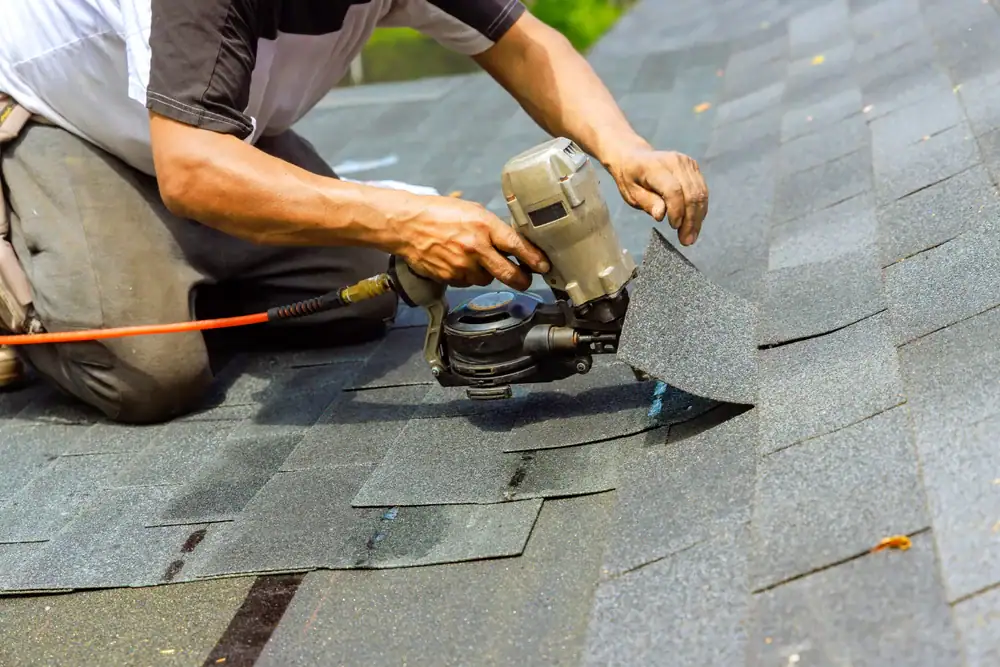
Single-ply systems like PVC address most of BUR’s limitations while delivering performance that matches or exceeds traditional roofing. The lightweight design puts minimal stress on building structures, making them ideal for retrofits, roof recovers, or buildings with load restrictions.
Energy efficiency is built in, not added on. White PVC membranes reflect 80-85% of sunlight, keeping roof surface temperatures significantly lower than dark BUR systems. In Los Angeles County’s climate, that translates to measurable cooling cost reductions—typically 15-30% of roof-related energy expenses. The California Energy Commission has documented these savings across commercial buildings statewide.
Installation speed matters more than most people realize. A PVC roof can often be installed in days rather than weeks. That means less disruption to your business operations, shorter exposure to weather during construction, and lower labor costs. When you’re managing a commercial property with tenants, minimizing downtime is worth real money.
Maintenance is simpler too. The smooth PVC surface doesn’t trap debris like gravel does. Twice-yearly inspections and basic cleaning keep the system performing. If repairs are needed, heat welding makes patches straightforward and permanent. You’re not dealing with multiple layers or trying to match old bitumen formulations.
The warranty structure favors single-ply systems. Manufacturers like Sarnafil, Carlisle, and GAF offer 20-30 year warranties on PVC installations—but only when installed by factory-certified contractors. We maintain these certifications, which means your warranty is backed by the manufacturer, not just the contractor. That protection matters if issues arise years after installation.
Modern PVC systems also accommodate future upgrades. If you want to add solar panels later, the membrane can handle the attachment points without compromising waterproofing. Conduit pathways and equipment pads can be integrated during installation, making your roof solar-ready from day one.
Choosing the Right Roofing System for Your Property
PVC roofing delivers proven performance for flat and low-slope commercial roofs in Los Angeles County. The heat-welded seams, chemical resistance, and energy efficiency make it particularly well-suited for restaurants, industrial facilities, and any building where long-term durability matters more than lowest-cost installation.
Comparing PVC to TPO comes down to your specific needs. If chemical exposure or proven longevity is a priority, PVC is worth the premium. If budget is tight and you’re working with a simpler roof design, TPO might suffice. Built-up roofing still has a place for certain applications, but single-ply systems have become the standard for good reasons.
The installation quality matters as much as the material you choose. Factory-certified installers, proper surface preparation, and documented workmanship separate roofs that last 30 years from those that need repairs in 10. We’ve been installing complex roofing systems in Southern California since 1982, with the certifications, insurance, and crew experience to back up every installation.